Have you noticed your cat licking or biting the same spot over and over again? It might seem like normal grooming, but sometimes your furry friend could be stuck in a cycle of compulsive grooming.
This behavior can harm your cat’s skin and cause discomfort. Knowing the signs early can help you protect your cat’s health and happiness. Keep reading to find out how to tell if your cat is compulsive grooming and what you can do to help.
Signs Of Compulsive Grooming
Recognizing the signs of compulsive grooming in cats is important for their health and comfort. Cats groom themselves daily, but excessive grooming can signal stress or illness. Watch for changes in their grooming habits that seem unusual or harmful. Early detection helps prevent further skin problems and discomfort.
Excessive Licking And Biting
Compulsive grooming often shows as constant licking or biting of the same spot. Cats may focus on one area for long periods. This behavior goes beyond normal cleaning and can cause irritation. Notice if your cat seems unable to stop licking or biting.
Bald Patches And Skin Damage
Bald spots appear where fur is pulled out or worn down. The skin might look red, raw, or scabbed from repeated licking. These patches often show on the belly, legs, or tail. Check your cat’s coat regularly for unusual baldness or wounds.
Behavioral Changes
Compulsive grooming can affect your cat’s behavior. They might become withdrawn or less playful. Some cats hide more or avoid interaction. Look for sudden changes in mood or activity that coincide with grooming problems.
Restlessness And Anxiety
Cats with compulsive grooming often seem restless or anxious. They may pace, pant, or show signs of stress. This anxiety can trigger more grooming, creating a cycle. Pay attention to signs of nervousness or unease in your cat’s daily routine.
Common Causes
Recognizing why your cat might be compulsively grooming is the first step to helping them feel better. Several common causes can trigger this behavior, ranging from emotional to physical issues. Understanding these causes allows you to take targeted action and improve your cat’s well-being.
Stress And Anxiety Triggers
Stress is a powerful motivator for compulsive grooming in cats. Changes in their environment, such as moving to a new home or adding a new pet, can make your cat anxious.
Have you noticed your cat licking itself more after loud noises or when left alone? These behaviors often signal that your cat is trying to cope with stress. Providing a calm, predictable space can reduce these triggers.
Allergies And Skin Conditions
Allergies often cause itching, which leads to excessive grooming. Common allergens include certain foods, pollen, dust mites, or cleaning products.
If your cat scratches or licks a particular area until the skin looks raw, it could be an allergic reaction or a skin condition like dermatitis. A vet visit can help identify the exact cause and offer relief options.
Parasites And Infections
Parasites such as fleas or mites are notorious for causing intense itching. Even a single flea bite can cause your cat to lick and scratch compulsively.
Infections, whether bacterial or fungal, can also irritate your cat’s skin and lead to over-grooming. Regular parasite prevention and hygiene checks are essential to keep these issues at bay.
Environmental Factors
Your cat’s surroundings can influence its grooming habits more than you might expect. Dry air, harsh cleaning chemicals, or frequent changes in bedding can irritate their skin.
Think about whether you’ve recently changed your cat’s litter type or cleaning products. Small environmental changes can cause big reactions, so observing these details can help you pinpoint the problem.
Diagnosing The Problem
Recognizing compulsive grooming in your cat can be tricky. The behavior might look like normal self-cleaning at first. But when it becomes excessive and causes harm, it’s time to diagnose the issue carefully.
Veterinary Examination
Your vet is the best person to start with. They will check your cat’s overall health and look for physical signs of compulsive grooming, such as hair loss or skin wounds. Sometimes, what looks like grooming problems can be related to pain or other hidden health issues.
During the examination, your vet might ask you about your cat’s daily habits and any recent changes in behavior. This helps to spot patterns that point toward compulsive grooming instead of normal grooming.
Behavioral Assessment
Understanding why your cat grooms excessively involves watching their behavior closely. You might notice your cat grooming more in certain situations, like when stressed or bored. Has your cat’s routine changed recently? Stress is often a trigger.
Try to keep a journal of your cat’s grooming habits and any environmental changes. This record can reveal triggers and help your vet or a pet behaviorist make a clearer diagnosis.
Skin Tests And Allergy Screening
Sometimes, compulsive grooming is a reaction to allergies or skin irritations. Your vet might suggest skin tests or allergy screenings to rule out these causes. Allergies can be caused by food, fleas, or environmental factors like dust or pollen.
These tests help you understand if your cat’s skin discomfort is driving the grooming behavior. Addressing allergies can often reduce or stop compulsive grooming altogether.
Home Remedies And Care
Compulsive grooming in cats can cause discomfort and skin problems. Home remedies and care help soothe your cat and reduce this behavior. Simple changes in the home and routine often improve your cat’s well-being. These steps support healing and comfort without harsh treatments.
Creating A Calm Environment
Stress often triggers compulsive grooming. Keep your cat’s space quiet and peaceful. Provide cozy beds and hiding spots for security. Use soft lighting and limit loud noises. Play gentle music to help relax your cat. Spend calm, gentle time with your cat daily. Avoid sudden changes in the home routine.
Dietary Adjustments
A balanced diet supports skin health and reduces anxiety. Choose high-quality cat food rich in omega-3 fatty acids. These nutrients help soothe irritated skin. Avoid foods with artificial colors or preservatives. Fresh water should be available at all times. Sometimes, adding supplements like fish oil can help. Consult your vet before making big diet changes.
Regular Grooming Practices
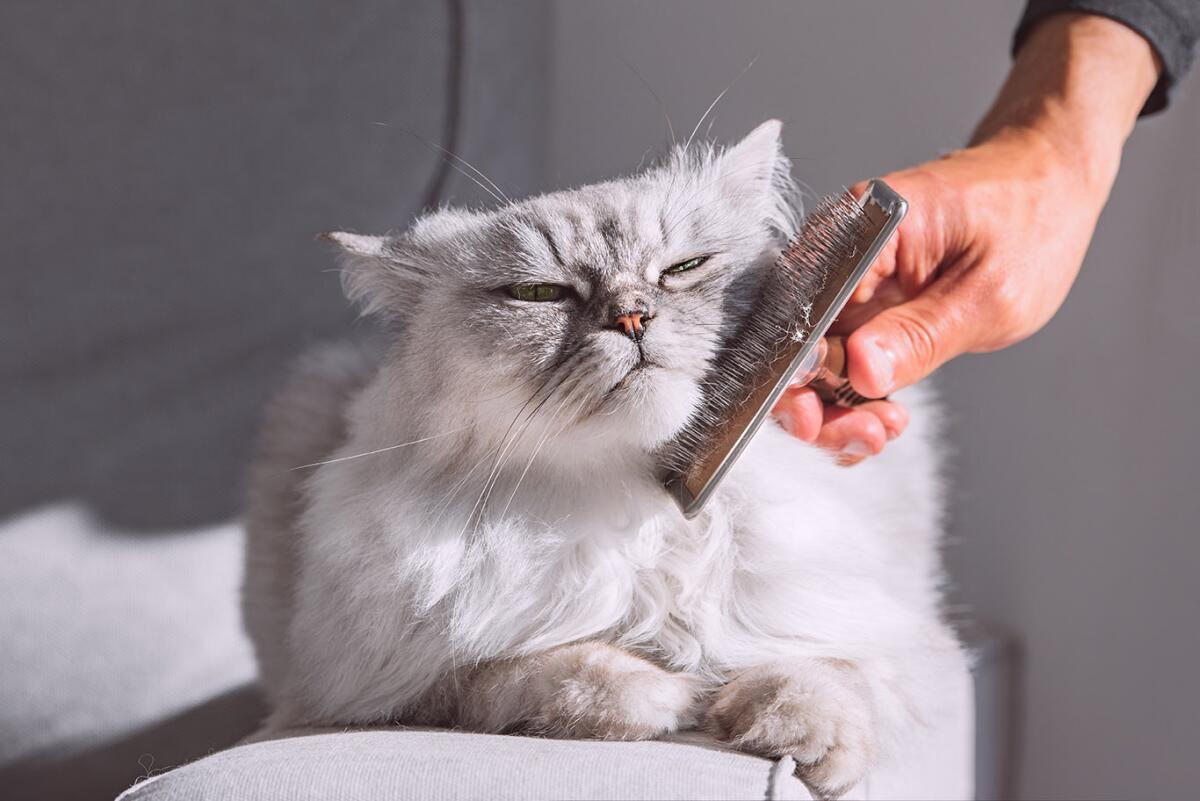
Groom your cat gently to reduce itchiness and discomfort. Use a soft brush suited for your cat’s fur type. Brush daily or every other day to remove loose hair. Check for skin redness or sores during grooming. Baths with vet-approved shampoos can calm skin irritation. Keep nails trimmed to prevent self-injury from scratching.
Using Protective Gear
Protective gear stops your cat from over-grooming sore areas. Soft collars or recovery suits prevent access to wounds. Choose comfortable gear that fits well without restricting movement. Monitor your cat to ensure the gear does not cause stress. Remove the gear during calm, supervised times. Protective gear supports healing and reduces further skin damage.
Medical Treatments
Compulsive grooming in cats often signals underlying health issues. Medical treatments can help manage this behavior. Consulting a vet is essential to determine the right course of action. Treatment options vary, depending on the cause and severity of grooming.
Medications And Topical Treatments
Medications can address underlying medical conditions in cats. Anti-anxiety drugs may reduce stress, which lessens grooming behavior. Antihistamines help if allergies cause itchiness. Topical treatments soothe irritated skin. They provide immediate relief and prevent further damage.
Therapeutic Interventions
Therapeutic interventions support both physical and mental health. Behavioral therapy can adjust compulsive patterns. Environmental enrichment reduces stress, offering toys and playtime. Diet changes may improve skin and coat health, reducing the urge to groom excessively.
When To Consider Surgery
Surgery is rare and only for severe cases. It might be necessary if a medical condition causes the behavior. Always discuss the risks and benefits with a vet. Surgery should be a last resort after exploring all other options.
Preventing Recurrence
Preventing your cat’s compulsive grooming from coming back is key for their health and happiness. Keeping a close eye on their well-being and surroundings helps stop this behavior early. Small daily habits and changes can make a big difference.
Routine Health Checks
Regular vet visits catch skin problems or allergies early. These issues often cause excessive grooming. Keep your cat’s vaccinations and parasite control up to date. Healthy skin means less need for over-grooming. Observe any changes in your cat’s coat or skin between visits.
Stress Management Techniques
Stress can trigger compulsive grooming. Create a calm space where your cat feels safe. Use gentle playtime to reduce anxiety. Soft music or pheromone sprays may help soothe your pet. Avoid loud noises or sudden changes in their environment. A relaxed cat grooms less obsessively.
Environmental Enrichment
Provide toys and scratching posts to keep your cat busy. New objects and climbing spaces stimulate their mind. Offer puzzle feeders to slow eating and challenge them. Change toys regularly to keep interest high. A stimulated cat is less likely to groom compulsively.
Monitoring And Early Detection
Watch for signs of repeated licking or hair loss. Check your cat’s skin for redness or bumps often. Early detection stops the behavior before it worsens. Keep a journal to note any grooming changes. Quick action helps your cat recover faster.
Frequently Asked Questions
What Are Signs Of Compulsive Grooming In Cats?
Compulsive grooming signs include excessive licking, hair loss, skin redness, and sores. Cats may groom until their skin bleeds or becomes irritated. Watch for repetitive grooming behaviors that disrupt normal activity or sleep patterns.
Why Does My Cat Groom Excessively?
Excessive grooming can result from stress, anxiety, allergies, or skin infections. Behavioral issues or boredom may also trigger compulsive grooming. Identifying the cause helps in managing and reducing the behavior effectively.
How Can I Stop My Cat’s Compulsive Grooming?
Reduce stress by providing enrichment and a calm environment. Consult a vet for allergies or infections. Behavioral therapy or medications might be necessary to control compulsive grooming in severe cases.
When Should I See A Vet For Grooming Issues?
Visit a vet if grooming causes hair loss, wounds, or skin infections. Persistent or worsening grooming behaviors need professional evaluation. Early intervention can prevent complications and improve your cat’s well-being.
Conclusion
Cats groom to stay clean and healthy. But too much grooming can hurt them. Watch for bald spots, redness, or constant licking. Stress and boredom often cause this behavior. Helping your cat feel safe reduces the problem. Visit a vet if you notice these signs.
Early care keeps your cat happy and calm. Remember, a healthy cat is a joyful cat. Stay patient and observant to support your furry friend.

Leave a Reply