Is your cat’s fur looking dull or messy lately? You might be wondering if your furry friend has stopped grooming themselves.
Grooming is a key part of a cat’s daily routine and helps keep them healthy and happy. When your cat isn’t grooming, it can be a sign that something is wrong. You’ll learn the simple signs to watch for so you can spot if your cat isn’t grooming properly—and what you can do to help.
Keep reading to make sure your cat stays clean, comfortable, and cared for.
Changes In Fur Texture
Noticing changes in your cat’s fur texture can be one of the clearest signs that they’re not grooming themselves properly. Cats usually keep their coats smooth and clean, so any shift in texture might indicate discomfort, illness, or stress. Paying close attention to these changes can help you catch problems early and support your cat’s health.
Mattes And Tangles
Mattes and tangles form when your cat stops grooming regularly. These clumps of fur can pull on the skin, causing pain and irritation. You might spot them behind the ears, under the legs, or around the belly—areas your cat usually cleans well.
If you find persistent mats, try gently brushing your cat daily to prevent discomfort. But be cautious—mats close to the skin may need professional attention. Have you noticed your cat avoiding certain spots when you try to touch them?
Dull Or Greasy Coat
A healthy cat’s coat shines naturally. If your cat’s fur looks dull or greasy, it’s a red flag. This often means your cat isn’t licking and cleaning their coat as they should.
Changes in diet, stress, or underlying health issues can cause this. Try feeling your cat’s fur—does it feel sticky or oily? If yes, it might be time for a vet visit to check for skin infections or allergies.
Excessive Shedding
All cats shed, but increased shedding can signal grooming problems. When cats groom, they remove loose fur themselves. If your cat isn’t grooming, loose fur builds up and falls out in clumps around your home.
Have you noticed more fur on your furniture or clothes lately? This can also mean your cat is stressed or sick. Regular brushing can help manage shedding, but if it’s excessive, look for other signs like lethargy or appetite changes.
Behavioral Changes
Behavioral changes in your cat can be a clear sign that something is wrong with their grooming habits. Cats usually keep themselves clean and tidy, so any shift in their normal behavior might indicate they are struggling to groom properly. Watching these changes closely can help you spot problems early and ensure your cat stays healthy and comfortable.
Reduced Self-grooming
If you notice your cat’s fur becoming matted or greasy, it might be because they’re grooming less. Cats who stop cleaning themselves might leave behind dirt or loose fur, which is unusual for their typical behavior. Ask yourself—has your cat’s coat lost its usual shine or softness? This can be a strong indicator that they need help or a vet check.
Lethargy Or Low Energy
When your cat feels unwell or in pain, they often become less active. A tired, sluggish cat might avoid grooming because it takes too much effort or causes discomfort. Pay attention if your playful kitty is suddenly napping more and showing little interest in their usual activities, including cleaning themselves.
Increased Irritability
Changes in mood can reveal hidden problems. If your cat grows more irritable or snaps when you try to touch certain areas, it could be due to skin pain or infections linked to poor grooming. Have you noticed your cat avoiding petting sessions or hiding more than usual? These signs often go hand-in-hand with grooming issues and need your attention.
Physical Signs On Skin
Watching your cat’s skin can reveal a lot about their grooming habits. Healthy skin shows care and attention from your cat. Changes in skin condition often signal a lack of grooming. Spotting these signs early helps protect your cat’s health. Below are key physical signs on the skin to watch for.
Redness Or Inflammation
Redness or inflammation on your cat’s skin may mean irritation. This can happen if your cat stops cleaning itself. The skin may look swollen or feel warm to touch. These signs suggest discomfort or possible infection. Check areas your cat can easily reach, like the belly or neck.
Flaky Or Dry Skin
Flaky or dry skin shows a problem in grooming. Healthy cats keep their skin moist and soft. Dry skin leads to small flakes or dandruff on the fur. You may see patches that look dusty or rough. This can cause itching and further skin damage if ignored.
Bald Patches
Bald patches are clear signs your cat is not grooming well. These spots lack fur and may look shiny or raw. They appear due to scratching or biting at itchy skin. Bald areas often point to underlying skin issues. Check your cat regularly for unusual hair loss.
Health Issues Linked To Poor Grooming
When your cat stops grooming, it might be more than just laziness or aging. Poor grooming habits can be a sign of underlying health issues. As a responsible pet owner, understanding these issues will help you address them promptly and ensure your cat stays healthy and happy.
Parasite Infestations
Parasites like fleas and ticks can make your cat extremely uncomfortable, leading to a decline in grooming. These pests cause irritation and itching, which might distract your cat from their usual grooming routine. Keep an eye out for excessive scratching or visible parasites in their fur.
Regular check-ups and preventive treatments can help keep these pesky parasites at bay. Have you checked your cat for fleas and ticks recently?
Infections
Skin infections, often caused by bacteria or fungi, can result in discomfort and discourage grooming. If you notice red, inflamed patches or an unpleasant odor, it’s time to consult your vet. These infections can quickly escalate, so timely action is crucial.
Maintaining a clean environment and regular grooming can help prevent such infections. Is your cat’s bedding as clean as it could be?
Allergies
Just like humans, cats can suffer from allergies, which might manifest as skin irritations. Allergies can deter your cat from grooming due to discomfort or pain. Common allergens include certain foods, pollen, or even household cleaning products.
Identifying and removing allergens from your cat’s environment can improve their grooming habits. Could a new detergent be the cause of your cat’s discomfort?
Remember, a well-groomed cat is a healthy cat. By being proactive and observant, you can catch potential health issues early and ensure your feline friend continues to thrive.
Common Causes For Grooming Problems
Cats are usually very clean animals. Grooming is part of their daily routine. But sometimes, cats stop grooming. This can signal health or emotional issues. Understanding common causes helps you spot problems early. It ensures your cat stays happy and healthy.
Pain Or Arthritis
Pain can stop a cat from grooming properly. Arthritis causes joint stiffness and discomfort. Cats may avoid cleaning hard-to-reach spots. They might lick only easy areas. Watch for limping or less movement. Pain can make grooming too difficult or painful.
Dental Problems
Dental pain affects grooming habits. Cats with tooth pain avoid mouth movements. This can reduce grooming around the face and neck. Bad breath and drooling often appear too. Dental issues can make cleaning uncomfortable. Regular dental checks prevent this problem.
Stress And Anxiety
Stress changes cat behavior, including grooming. Anxious cats may groom less or over-groom. New environments or changes cause stress. Loud noises, new pets, or visitors can trigger anxiety. Stress can reduce grooming or cause bald patches. Keeping a calm space helps cats groom well.
When To Seek Veterinary Help
Knowing when to seek veterinary help for your cat’s grooming issues can make a big difference in their health and comfort. Cats are usually meticulous groomers, so if you notice changes in their grooming habits, it’s important to act quickly. Ignoring these signs can lead to bigger health problems that are harder to treat.
Persistent Grooming Issues
If your cat stops grooming for several days or grooms excessively without relief, it could signal an underlying problem. Watch for matted fur, greasy or dull coats, and fur loss. These signs often mean your cat is struggling with pain, stress, or a medical issue that needs professional care.
Visible Wounds Or Infections
Open sores, redness, swelling, or discharge on your cat’s skin require immediate attention. These symptoms can indicate infections, parasites, or allergies that worsen without treatment. If you spot any wounds or signs of infection, don’t wait—contact your vet promptly to prevent complications.
Behavioral Concerns
Changes in your cat’s behavior can also signal grooming problems that need veterinary help. If your cat hides, shows aggression, or becomes unusually lethargic, these may be responses to pain or discomfort. Have you noticed your cat avoiding you or their usual activities? These are important clues to share with your vet.
Tips To Encourage Grooming
Encouraging your cat to groom itself is key to keeping its coat healthy and skin clean. Sometimes, cats stop grooming due to stress, illness, or discomfort. Helping your cat return to regular grooming can improve its overall well-being and prevent further health issues.
Regular Brushing
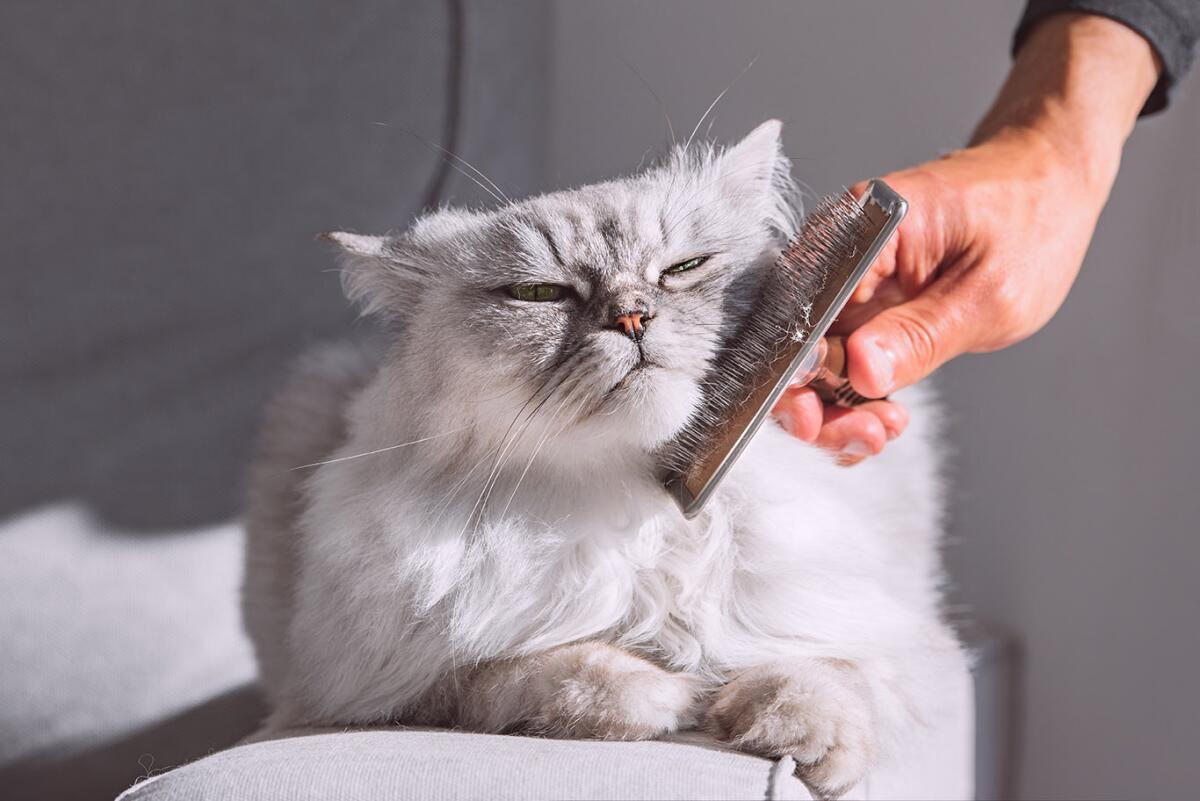
Brushing your cat regularly can stimulate grooming habits. Use a soft brush and gently groom your cat’s fur, especially in areas it struggles to reach.
This not only removes loose fur but also mimics the sensation of self-grooming. Have you noticed how your cat reacts to your touch? If your cat enjoys brushing sessions, it might start grooming itself more often.
Comfortable Environment
Cats often avoid grooming if they feel stressed or unsafe. Create a calm, quiet space where your cat feels secure and relaxed.
Small changes like reducing loud noises, providing cozy hiding spots, or keeping a consistent routine can make a big difference. Could your cat’s environment be causing it to skip grooming?
Proper Nutrition
Good nutrition supports healthy skin and fur, encouraging grooming behavior. Make sure your cat’s diet includes essential fatty acids and vitamins.
Hydration also plays a role—wet food or fresh water can keep your cat’s skin hydrated. Have you checked if your cat’s food meets its nutritional needs lately?
Frequently Asked Questions
How Can I Tell If My Cat Stops Grooming?
If your cat’s fur looks greasy, matted, or dirty, it may have stopped grooming. Check for bald patches or strong odors. Changes in grooming habits often indicate health or stress issues.
What Are Signs Of Poor Grooming In Cats?
Signs include dull fur, mats, skin irritation, and bad smell. Also, look for excessive scratching or hair loss. These symptoms suggest your cat might need veterinary care.
Why Would A Cat Stop Grooming Itself?
Cats stop grooming due to pain, illness, stress, or old age. Conditions like arthritis or skin infections can make grooming uncomfortable. Behavioral issues can also reduce grooming frequency.
How Does Lack Of Grooming Affect A Cat’s Health?
Poor grooming leads to skin infections, mats, and discomfort. It can cause hairballs or overheating in long-haired cats. Neglected grooming signals underlying health problems needing attention.
Conclusion
Cats stop grooming for many reasons. Watch for changes in their fur and skin. Notice if they scratch a lot or seem tired. These signs show your cat needs help. Visit a vet to find the cause. Early care keeps your cat healthy and happy.
Pay close attention to small changes every day. Caring for your cat means watching their grooming habits too. Stay alert and act fast when needed. Your cat will thank you with love and purrs.

Leave a Reply