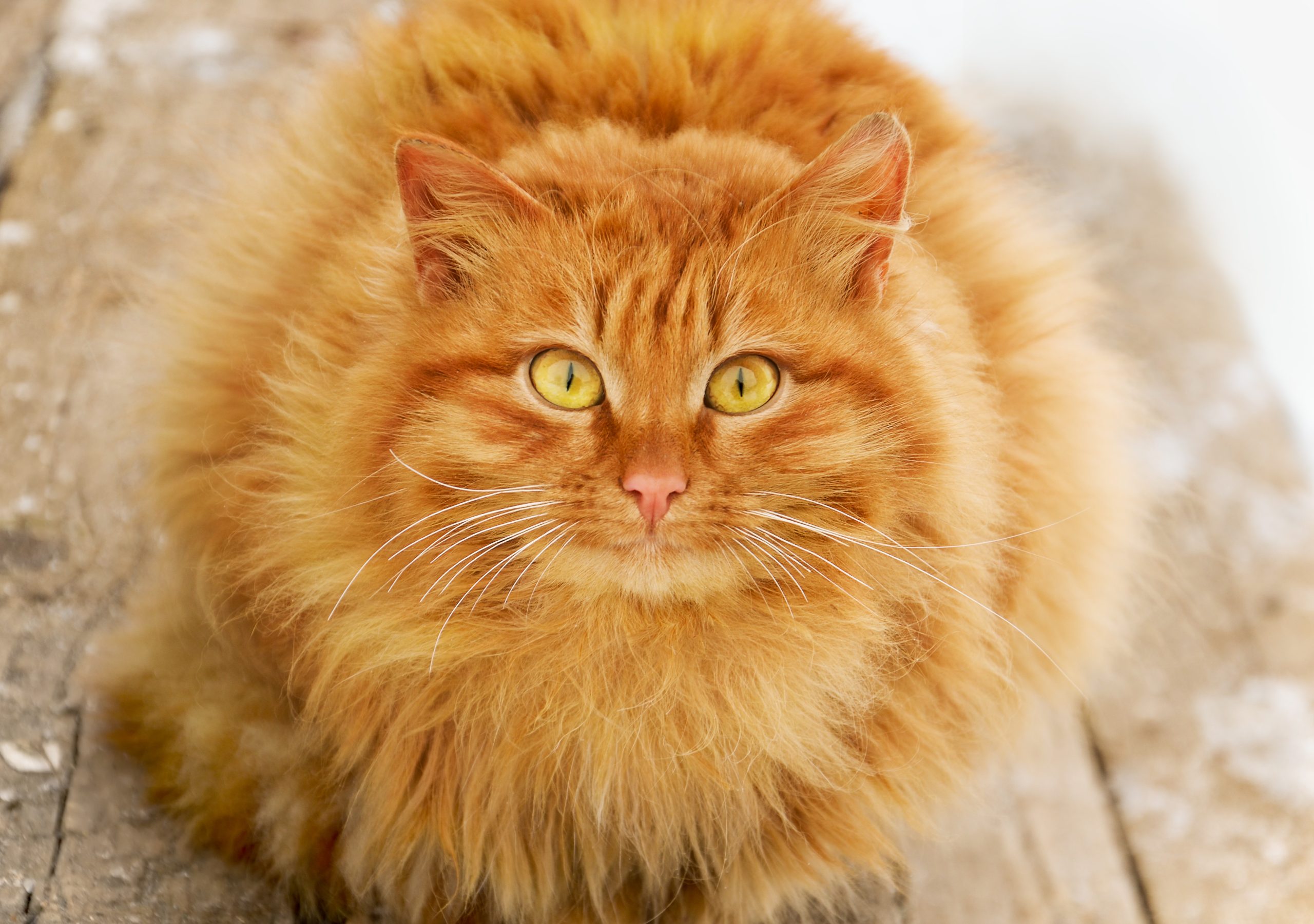
Is your cat spending too much time licking, biting, or scratching itself? Excessive grooming can be more than just a quirky habit—it might signal discomfort or stress.
If you’re worried about your furry friend’s constant grooming, you’re not alone. Understanding why this happens and knowing how to help can make a big difference in your cat’s happiness and health. Keep reading to discover simple, effective ways to stop excessive grooming and bring peace back to your home.
Causes Of Excessive Grooming
Excessive grooming in cats can be puzzling and concerning for any cat owner. Understanding what drives this behavior is key to helping your furry friend feel comfortable and healthy again. Let’s look at some common causes that might be behind your cat’s over-grooming.
Stress And Anxiety
Stress is a major trigger for excessive grooming. Changes in your cat’s environment, like moving to a new home or the arrival of a new pet, can make them anxious.
I’ve seen cats obsessively lick their paws after a loud thunderstorm or when their routine is disrupted. If your cat seems restless or hides often, stress might be the root cause.
Ask yourself: Has anything changed in your cat’s daily life recently? Identifying stressors can help you take steps to calm your cat.
Allergies And Skin Irritations
Allergies can make your cat’s skin itchy and uncomfortable. This leads them to groom more to relieve the irritation.
Common allergens include certain foods, pollen, dust mites, or even chemicals in cleaning products. Sometimes, the cause is hidden, and a vet visit is necessary to pinpoint the allergen.
Watch for redness, bumps, or hair loss on your cat’s skin. These signs often point to allergies or irritation beneath the surface.
Parasites And Infections
Parasites like fleas or mites cause intense itching, leading cats to groom excessively. Even a small flea can cause your cat to lick and scratch non-stop.
Infections, bacterial or fungal, can also make the skin sore and prompt over-grooming. You might notice scabs, sores, or bald patches as your cat tries to soothe the discomfort.
Regular parasite prevention and quick treatment of infections are essential to stop this cycle of irritation.
Medical Conditions
Underlying health issues such as arthritis or thyroid problems can cause discomfort, making your cat groom more than usual. Sometimes, the grooming is a way to cope with pain or numbness.
In other cases, neurological disorders might cause repetitive grooming behaviors. If your cat’s grooming seems obsessive or unusual, a thorough medical check-up is necessary.
Have you noticed other signs like changes in appetite, weight, or activity level? These clues help your vet diagnose the real cause.
Identifying Excessive Grooming
Excessive grooming in cats can signal health or emotional issues. Spotting this behavior early helps prevent skin damage and infections. Knowing what to look for makes it easier to protect your cat’s well-being.
Common Signs And Symptoms
- Constant licking or biting of the same spot
- Red, irritated, or raw skin patches
- Bald spots where fur is missing
- Scabs or sores on the skin
- Excessive hair loss in small or large areas
- Swelling or inflammation of the skin
Behavioral Changes To Watch
- Restlessness or difficulty settling down
- Increased hiding or avoidance of people
- More frequent scratching or grooming than usual
- Signs of stress such as vocalizing or pacing
- Decreased interest in play or interaction
Environmental Adjustments
Environmental adjustments can play a huge role in calming your cat and reducing excessive grooming. Cats often over-groom because they feel stressed, bored, or uncomfortable. By changing their surroundings, you can help your feline friend feel safer and more content.
Reducing Stress Triggers
Identify what makes your cat anxious. Loud noises, unfamiliar visitors, or other pets might cause stress. Try to create quiet, calm areas where your cat can retreat when feeling overwhelmed.
Consider using pheromone diffusers designed for cats. These can help lower anxiety by mimicking natural calming scents. Have you noticed if your cat grooms more after a specific event or change? Tracking these moments can help you pinpoint triggers.
Providing Enrichment And Stimulation
Boredom often leads cats to groom excessively as a way to pass time. Adding toys, scratching posts, and interactive play can keep their minds busy. Rotate toys regularly to keep things exciting.
Window perches or bird feeders outside windows provide natural entertainment. Your cat can watch the world without feeling confined. Have you tried puzzle feeders? These not only slow down eating but also stimulate your cat’s brain, reducing grooming out of boredom.

Credit: weareallaboutcats.com
Diet And Nutrition Tips
Excessive grooming in cats can indicate underlying issues. Diet plays a crucial role. A balanced diet can help reduce these behaviors. Understanding the right nutrition can lead to healthier skin and fur.
Food Allergies And Sensitivities
Cats can have food allergies. These allergies might cause excessive grooming. Common allergens include beef, chicken, and dairy. Switching to hypoallergenic food can help. Look for limited ingredient diets. These minimize potential allergens. Consult a vet for the best options.
Supplements For Skin Health
Supplements can improve your cat’s skin health. Omega-3 fatty acids are beneficial. They reduce inflammation and promote a healthy coat. Fish oil is a good source of Omega-3. Another supplement to consider is biotin. Biotin helps maintain healthy skin and fur. Always consult your vet before adding supplements.
Medical Treatments
Excessive grooming in cats can be more than just a quirky habit—it might signal an underlying health issue. Medical treatments often become necessary when behavioral adjustments don’t work. Understanding when and how to seek veterinary help can make a big difference in your cat’s well-being.
When To Visit The Vet
If you notice your cat grooming so much that it causes hair loss, skin redness, or sores, it’s time to act. Persistent licking or chewing may indicate allergies, parasites, or even pain. Don’t wait for the problem to worsen—early vet visits can prevent complications and identify hidden causes.
Have you observed any changes in your cat’s behavior or appetite alongside excessive grooming? Mention these details to your vet—they help create a clearer picture of your cat’s health. Sometimes, what seems like grooming is actually a sign of stress or discomfort that needs professional attention.
Medications And Therapies
Depending on the diagnosis, your vet might recommend medications such as antihistamines for allergies or antibiotics for infections. Topical creams can soothe irritated skin and reduce inflammation. In some cases, special shampoos or flea treatments are necessary to tackle parasites effectively.
Behavioral therapies can also play a key role, especially if anxiety drives the grooming. Your vet may suggest calming pheromone diffusers or prescribe anti-anxiety medications. These treatments help your cat feel secure and reduce compulsive licking.
Combining medical treatment with environmental changes often produces the best results. Have you tried adjusting your cat’s routine or providing new toys to distract them? Small changes can support the healing process and reduce the urge to over-groom.
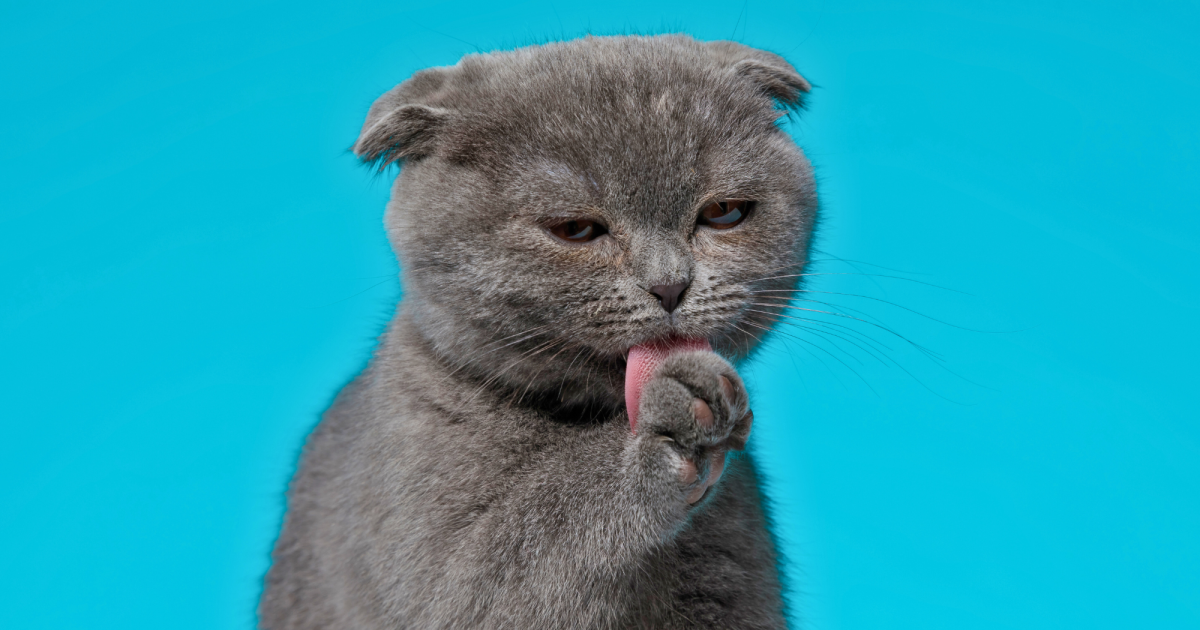
Credit: pethelpful.com
Behavioral Interventions
Behavioral interventions play a key role in reducing excessive grooming in cats. These techniques focus on changing your cat’s habits and environment. They help distract your cat from constant licking or biting. A calm, enriched space encourages healthier behavior. Patience and consistency bring the best results.
Redirecting Attention
Redirecting your cat’s attention helps break the grooming cycle. Offer toys or play sessions to keep your cat busy. Interactive toys stimulate your cat’s mind and body. Use feather wands or laser pointers for short play bursts. Puzzle feeders also engage your cat and reduce stress.
Try gently moving your cat away from the grooming spot. Replace that behavior with petting or a treat. Praise your cat when it focuses on play instead of grooming. Create daily routines with playtime to build positive habits.
Using Deterrents Safely
Safe deterrents discourage excessive grooming without harm. Bitter sprays or safe, vet-approved products can make licking unpleasant. Apply these only to areas your cat over-grooms. Avoid harsh chemicals that cause pain or skin damage.
Use deterrents alongside positive rewards. This balance teaches your cat which areas to avoid. Monitor your cat’s skin closely for any irritation. Consult your vet before starting deterrents to ensure safety.
Grooming Alternatives
Excessive grooming in cats can be a sign of stress, boredom, or skin problems. Offering your cat alternatives to grooming helps redirect their focus and reduces the urge to over-groom. You can make simple changes at home that keep your cat engaged and comfortable.
Regular Brushing
Brushing your cat regularly not only reduces loose fur but also satisfies their natural grooming instinct in a controlled way. It creates a bonding moment between you and your cat, which can lower their anxiety levels. Try using a soft-bristled brush and brush gently, especially if your cat shows signs of sensitive skin.
Set a brushing routine, like after meals or playtime, so your cat knows when to expect it. Have you noticed how some cats purr louder during brushing? That’s a sign they find it comforting and enjoyable. This simple activity can keep them calm and less likely to groom themselves excessively.
Providing Safe Chew Toys
Cats often groom out of boredom or stress, so giving them safe chew toys can help redirect their attention. Toys made from natural materials like rubber or soft fabric are gentle on their teeth and paws. Chew toys also help satisfy the need to bite and paw, which can be calming.
Rotate the toys regularly to keep your cat interested. Notice if your cat prefers certain textures or shapes, and add more of those to their collection. Have you tried interactive toys that move or make noise? These can further stimulate your cat’s mind and reduce grooming caused by restlessness.
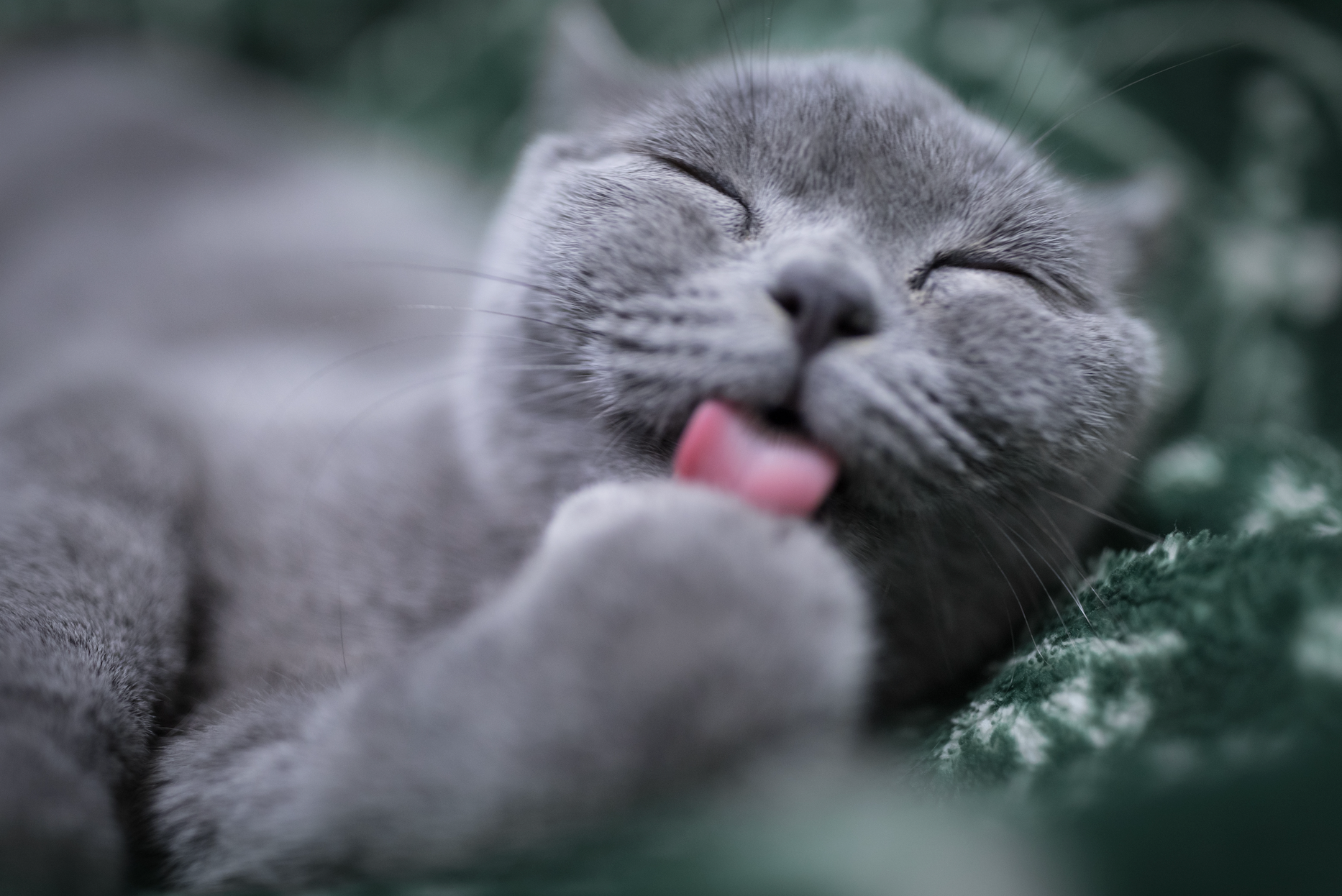
Credit: www.fullbuckethealth.com
Monitoring Progress
Monitoring progress is key to managing your cat’s excessive grooming. It helps you see if your efforts are working. Careful observation can guide your next steps and keep your cat comfortable.
Tracking Behavior Changes
Keep a daily journal of your cat’s grooming habits. Note the time spent grooming and any triggers you notice. Look for changes in frequency or intensity. Record any new behaviors like scratching or licking specific areas. Use clear, simple notes to spot patterns over time.
Adjusting Strategies As Needed
Use your observations to tweak your approach. Increase playtime if boredom seems to trigger grooming. Try calming products if anxiety appears to be the cause. Consult your vet if grooming worsens or new symptoms appear. Stay flexible and patient with your cat’s progress.
Frequently Asked Questions
What Causes Excessive Grooming In Cats?
Excessive grooming in cats often results from stress, allergies, parasites, or skin infections. Identifying the cause is crucial for effective treatment. Consult a vet for proper diagnosis and care.
How Can I Reduce My Cat’s Stress-related Grooming?
Create a calm environment, provide enrichment toys, and maintain a consistent routine. Use pheromone diffusers to ease anxiety, helping to reduce stress-induced grooming behaviors.
When Should I See A Vet For Grooming Issues?
Visit a vet if your cat grooms excessively, causing hair loss or skin wounds. Prompt professional care prevents complications and addresses underlying health problems.
Can Diet Affect My Cat’s Grooming Habits?
Yes, nutritional deficiencies or food allergies can cause skin irritation leading to over-grooming. Feeding a balanced, hypoallergenic diet can improve skin health and reduce grooming.
Conclusion
Excessive grooming in cats can signal stress or health issues. Watch your cat closely for changes in behavior. Providing a calm environment helps reduce their anxiety. Regular vet visits catch problems early and keep your cat healthy. Offer toys and attention to keep your cat happy.
With patience and care, you can help your cat feel better. Taking these steps supports your cat’s well-being every day.



Leave a Reply