Is your cat spending too much time licking or biting their fur? Excessive grooming can be more than just a quirky habit—it might signal discomfort or stress.
If you’ve noticed bald spots, redness, or constant scratching, it’s time to take action. You want your furry friend to feel happy and healthy, and understanding why they groom excessively is the first step. Keep reading to discover simple, effective ways you can help your cat stop over-grooming and bring back their comfort and confidence.

Credit: www.utahhumane.org
Causes Of Excessive Grooming
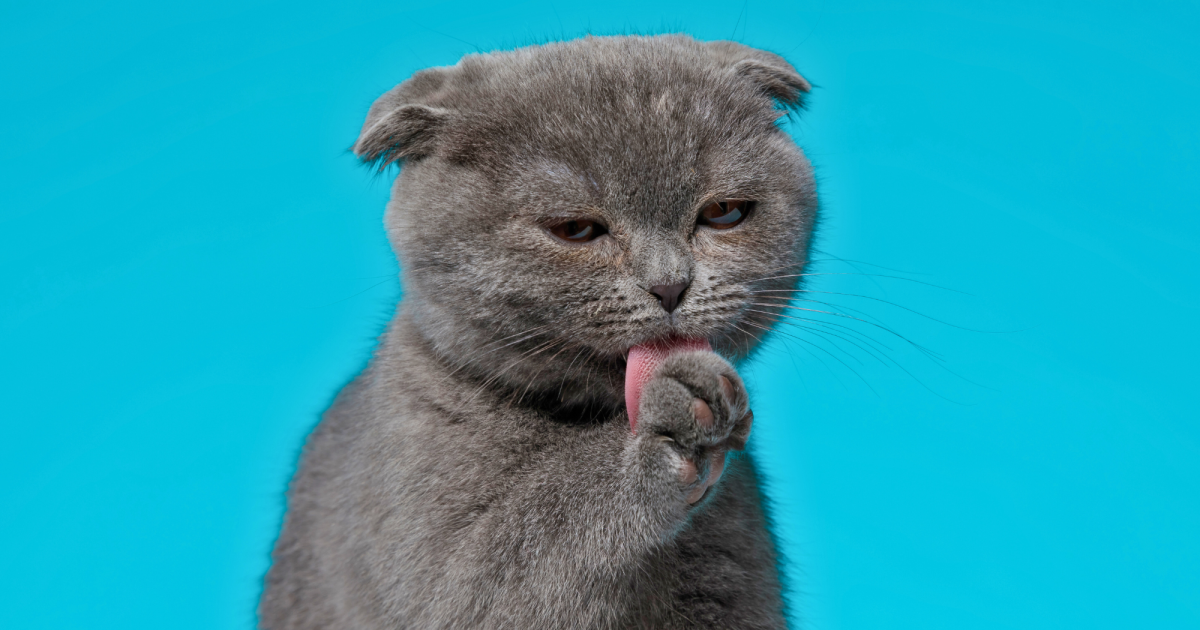
Excessive grooming in cats can signal different underlying problems. Understanding these causes helps address the behavior effectively. Cats groom to stay clean, but too much grooming can lead to skin damage and discomfort.
Several factors can trigger this behavior. Some relate to health, others to the cat’s mental state or surroundings. Identifying the root cause is key to stopping excessive grooming.
Medical Issues
Health problems often cause cats to groom too much. Skin allergies and infections make the skin itchy. Parasites like fleas irritate the skin and fur. Pain from arthritis or injuries can also lead to over-grooming. Visit a vet to check for these medical issues.
Stress And Anxiety
Cats feel stress and anxiety from changes in their life. Moving to a new home, loud noises, or new pets can upset them. Over-grooming acts as a coping mechanism to reduce stress. Anxiety-related grooming can become a habit if not addressed.
Environmental Factors
The cat’s environment impacts grooming behavior. Lack of stimulation or boredom may cause excess grooming. Dirty litter boxes or uncomfortable resting spots add to stress. Providing a calm and enriched space helps reduce grooming problems.
Credit: pethelpful.com
Signs To Watch For
Noticing the signs of excessive grooming in your cat early can make a big difference. It helps you act before the issue worsens. Watching for changes in both their body and behavior is key to understanding what your cat is experiencing.
Physical Symptoms
Look closely at your cat’s fur and skin. Is the fur thinning or are there bald patches? These are clear signs that your cat is grooming too much.
Other physical signs include redness, sores, or scabs. These may mean your cat is licking or biting the same spot repeatedly. If you see any wounds, it’s time to check with your vet.
Does your cat’s coat look dull or uneven? That can also signal stress or discomfort causing excessive grooming. Keep a regular eye on these details during play or cuddle time.
Behavioral Changes
Excessive grooming often comes with noticeable shifts in behavior. Your cat might seem more restless or anxious than usual. Are they hiding more or avoiding interaction?
Some cats become unusually aggressive or irritable. You might catch them grooming themselves even during moments they usually wouldn’t, like when you’re petting them.
Have you noticed your cat grooming at odd times or for long periods? This can be a coping mechanism for stress or boredom. Try to observe when these sessions happen and what might trigger them.
Ask yourself: Is this behavior new or increasing? Recognizing these signs early helps you support your cat before the problem grows.
Medical Treatments
Excessive grooming in cats often signals underlying health issues that need medical attention. Addressing these concerns with the right medical treatments can significantly reduce your cat’s discomfort and help restore their normal behavior. Understanding how veterinarians diagnose and treat these problems is key to helping your furry friend.
Veterinary Diagnosis
Your vet will begin with a thorough physical exam to check for skin infections, allergies, or parasites like fleas. They might also ask about your cat’s environment and recent changes that could cause stress.
Diagnostic tests often include:
- Skin scrapings to detect mites or fungal infections
- Allergy testing to identify environmental or food triggers
- Blood tests to rule out hormonal imbalances or systemic illness
Have you noticed if your cat’s grooming spikes after certain foods or new pets arriving? Sharing these observations can help the vet pinpoint the cause faster.
Medications And Therapies
Once a diagnosis is made, your vet may prescribe medications to relieve itching and inflammation. Common options include antihistamines, corticosteroids, or antibiotics if there’s an infection.
In some cases, medicated shampoos and topical treatments are recommended to soothe irritated skin. These help remove allergens and reduce discomfort, making it easier for your cat to stop over-grooming.
Behavioral therapies might also come into play if stress is a factor. Techniques such as pheromone diffusers or environmental enrichment can reduce anxiety and prevent compulsive grooming habits.
What small changes can you make at home to support your cat’s treatment plan? Sometimes, simple adjustments in their daily routine can improve their response to medical care and speed up recovery.
Behavioral Solutions
Excessive grooming in cats often points to behavioral issues. Addressing these behaviors helps reduce over-grooming and improves your cat’s wellbeing. Behavioral solutions focus on creating a calm, enriched environment and encouraging positive habits.
Reducing Stress
Stress is a common cause of excessive grooming. Cats feel stressed from loud noises, changes, or lack of routine. Create a quiet space where your cat can relax. Keep a consistent daily schedule for feeding and playtime. Use calming products like pheromone diffusers to ease anxiety.
Environmental Enrichment
Stimulate your cat’s mind and body to reduce boredom and stress. Provide scratching posts, toys, and climbing trees. Rotate toys regularly to keep interest high. Interactive play sessions help release energy and prevent obsessive grooming. A window perch offers outside views and natural entertainment.
Positive Reinforcement
Reward your cat for calm and healthy grooming habits. Use treats, petting, or praise to encourage good behavior. Avoid punishment, as it increases stress and worsens grooming. Redirect your cat’s attention to toys or play when grooming starts excessively. Consistency in rewards helps build new, positive habits over time.
Diet And Nutrition
Understanding the role of diet and nutrition in controlling your cat’s excessive grooming can be a game-changer. Cats, much like humans, can experience changes in their behavior based on what they consume. A balanced diet not only promotes overall health but can also reduce stress-related grooming habits.
Food Allergies
Food allergies can be a hidden culprit behind your cat’s excessive grooming. Cats may develop allergies to certain proteins or ingredients in their food, leading to skin irritation and itchiness.
Consider switching to a hypoallergenic or limited ingredient diet to identify possible allergens. You might notice a significant decrease in grooming when the allergen is removed.
Always consult with a veterinarian before making drastic dietary changes to ensure your cat’s nutritional needs are met.
Supplements For Skin Health
Supplements can be a beneficial addition to your cat’s diet for promoting skin health. Omega-3 fatty acids, found in fish oil, are known for their anti-inflammatory properties and can reduce skin irritation.
Antioxidants like vitamin E can also support skin health and repair. Adding these supplements might help in reducing your cat’s urge to groom excessively.
Have you tried including supplements in your cat’s diet? If so, what changes did you notice in their grooming habits?
Preventing Self-harm
Excessive grooming in cats can lead to skin damage and pain. Preventing self-harm helps keep your cat safe and healthy. It also reduces stress for both you and your pet. Taking steps to stop this behavior is key to improving your cat’s well-being.
Protective Clothing
Protective clothing stops cats from licking or scratching sore spots. Special cat shirts or soft collars work well for this. These items cover sensitive areas without hurting your cat. They allow wounds to heal faster and prevent infections. Choose clothing made from soft, breathable materials. Ensure it fits comfortably and does not restrict movement.
Safe Distraction Techniques
Distraction helps redirect your cat’s focus from grooming. Use toys that engage your cat’s hunting instincts. Puzzle feeders keep their mind busy and reduce stress. Play sessions help release energy and calm anxious cats. Gentle petting can also soothe and distract your cat. Rotate toys often to keep your cat interested and active.
When To Seek Professional Help
Excessive grooming in cats can signal problems beyond simple cleanliness. Knowing when to seek professional help protects your cat’s health and comfort. Early intervention can prevent serious issues and reduce your cat’s stress.
Watch for signs that show your cat needs expert care. Some behaviors and symptoms require a vet’s attention to diagnose and treat the root cause.
Signs Of Skin Infection Or Injury
Look for redness, swelling, or open sores on your cat’s skin. Persistent scratching or licking may cause wounds or infections. If you see these signs, contact a veterinarian promptly.
Behavioral Changes And Anxiety
Notice if your cat becomes restless, hides, or shows aggression. Excessive grooming may relate to anxiety or stress. A professional can help identify emotional triggers and suggest calming treatments.
Unexplained Hair Loss
Patchy or widespread hair loss needs medical evaluation. Hair loss can indicate allergies, parasites, or other health issues. A vet can perform tests to find the exact cause.
Failure Of Home Remedies
If home care does not reduce grooming after several days, seek advice. Persistent grooming despite your efforts may mean deeper problems. A vet will provide proper diagnosis and treatment plans.

Credit: pennypaws.com
Frequently Asked Questions
Why Do Cats Groom Excessively?
Cats groom excessively due to stress, allergies, or skin conditions. It can also signal boredom or pain. Identifying the cause helps address the behavior effectively and improves your cat’s health and comfort.
How Can I Reduce My Cat’s Grooming Habits?
Provide mental stimulation, regular playtime, and a calm environment. Use vet-recommended treatments for allergies or skin issues. These steps help reduce excessive grooming and promote your cat’s well-being.
When Should I See A Vet For Grooming Issues?
See a vet if grooming causes hair loss, sores, or behavior changes. Early diagnosis prevents complications and ensures your cat receives proper treatment.
Can Diet Affect A Cat’s Grooming Behavior?
Yes, poor nutrition can cause skin problems leading to excessive grooming. A balanced diet with essential nutrients supports healthy skin and reduces grooming issues.
Conclusion
Excessive grooming can harm your cat’s health and happiness. Watch your cat’s behavior closely every day. Provide a calm space and regular playtime. Use gentle brushes and check for skin issues. Consult a vet if grooming continues or worsens. Small changes can help your cat feel better.
Stay patient and consistent with care routines. Your cat will thank you with less stress and more purring. Keep love and attention at the heart of your approach.




Leave a Reply