Is your cat pooping outside the litter box and leaving you frustrated? You’re not alone, and the good news is, this behavior can be changed.
Understanding why your cat is doing this is the first step to finding a solution that works for both of you. You’ll discover simple, effective ways to stop your cat from making a mess and keep your home clean and stress-free.
Keep reading—you’re just a few steps away from solving this common problem for good.
Common Reasons Cats Avoid Litter Box
Cats avoiding their litter box can be frustrating and confusing. Understanding why this happens is the first step to fixing it. Several common reasons can cause your cat to poop outside their litter box, and knowing these can help you address the issue effectively.
Medical Issues
Health problems often cause sudden changes in litter box habits. Issues like urinary tract infections, constipation, or arthritis can make using the box painful or difficult. If your cat suddenly stops using the litter box, a vet visit is a smart first move.
Litter Box Cleanliness
Cats are clean animals and dislike dirty litter boxes. A box that isn’t scooped daily or cleaned regularly can deter your cat from using it. Try keeping the litter box fresh and see if your cat returns to its proper spot.
Litter Type Preferences
Not all cats like the same kind of litter. Some prefer fine, clumping litter while others might dislike strong scents or rough textures. Experiment with different types to find what your cat prefers, and you might solve the problem quickly.
Stress And Anxiety
Changes in the home, like new pets or moving furniture, can stress your cat out. Anxiety can cause them to avoid the litter box as a way to express discomfort. Observe any recent changes and try to create a calm space for your cat to relax.
Territory And Environment
Cats are territorial creatures and might avoid the box if it’s placed in a noisy or busy area. They prefer quiet, private spots for their bathroom needs. Consider relocating the litter box to a calm, accessible place and watch if your cat starts using it again.
Choosing The Right Litter Box
Choosing the right litter box is key to stop a cat from pooping outside its box. Cats need comfort and ease to use their litter box regularly. The right box helps your cat feel safe and clean. It also fits your home’s space and your cat’s habits.
Size And Accessibility
Select a litter box big enough for your cat to turn around easily. Small boxes make cats uncomfortable and may cause accidents. Older or disabled cats need low-entry boxes for easy access. Place the box where your cat can reach it without obstacles or noise.
Covered Vs. Open Boxes
Open boxes offer more space and ventilation. Cats can see their surroundings, which makes them feel safe. Covered boxes provide privacy and reduce odor. Some cats dislike covered boxes because they feel trapped. Watch your cat’s preference and adjust accordingly.
Number Of Boxes Needed
Use one box per cat plus one extra. For example, two cats need three boxes. Extra boxes reduce competition and stress. Place boxes in quiet, separate areas. This prevents territorial issues and encourages proper use.
Selecting Suitable Cat Litter
Choosing a cat litter that your pet prefers can prevent accidents outside the box. Soft, unscented, and clumping litter often works best. Experiment with different types to find what your cat likes most.
Selecting the right cat litter can make a world of difference in preventing your furry friend from pooping outside the litter box. Choosing a litter that appeals to your cat’s preferences is crucial. Not only does it keep your home cleaner, but it also ensures your cat is comfortable and happy.Different Types Of Cat Litter
Cat litter comes in various types, each with its unique benefits. Clay litter is popular due to its absorbency and affordability. However, biodegradable options like corn, wheat, or pine are gaining traction for their eco-friendly nature. Silica gel crystals offer excellent odor control and less frequent changes, while recycled paper pellets are great for cats with allergies. Have you ever tried experimenting with different types to see which your cat prefers?Scented Vs. Unscented
The scent of the litter can significantly impact your cat’s willingness to use the box. While scented litters might seem appealing to humans, they can overwhelm a cat’s sensitive nose. Unscented litters are often a safer bet, ensuring your pet isn’t put off by strong fragrances. But if you prefer scented options, ensure it’s subtle and not overpowering. You might find that your cat has a particular preference, so observe their behavior closely.Clumping Properties
Clumping litter can make cleanup a breeze, as it forms solid clumps when wet, making waste removal simpler. This feature also helps in controlling odors, as it traps moisture effectively. However, some cats might dislike the texture or feel of clumping litter under their paws. Non-clumping options, while requiring more frequent changes, can be softer and more comfortable for some cats. Consider your convenience and your cat’s comfort when choosing between clumping and non-clumping options. Would you prioritize ease of cleaning or your cat’s preference? Balancing both can lead to a happier, cleaner household.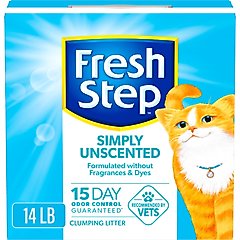
Credit: www.petmd.com
Maintaining Litter Box Hygiene
Maintaining litter box hygiene plays a key role in keeping cats from pooping outside the box. Cats are clean animals and dislike dirty spaces. A clean litter box encourages them to use it regularly. It also prevents bad odors and infections. Regular cleaning creates a healthy environment for your cat and your home.
Daily Cleaning Routine
Remove clumps and solid waste every day. Scoop the litter box at least once daily. This keeps the litter fresh and dry. Add clean litter to replace what you scoop out. Clean the edges and corners where waste can build up. A fresh box invites your cat to use it more often.
Deep Cleaning Tips
Empty the litter box completely once a week. Wash the box with warm water and mild soap. Avoid harsh scrubbing that can leave residue. Rinse thoroughly to remove soap traces. Dry the box before adding new litter. Consider using a separate box during cleaning. This helps keep your cat’s routine steady.
Avoiding Strong Chemicals
Do not use bleach or strong cleaners on the litter box. These chemicals can scare your cat away. They may also cause skin irritation. Use natural, pet-safe cleaning products instead. Vinegar diluted with water works well to remove odors. A clean but gentle box keeps your cat comfortable and willing to use it.
Addressing Behavioral Causes
Behavioral issues often cause cats to poop outside the litter box. Stress, fear, or changes in their environment can trigger this behavior. Understanding and addressing these causes helps your cat feel safe and comfortable again.
Reducing Stress Triggers
Stress makes cats avoid their litter box. Loud noises, new pets, or visitors can upset them. Keep your cat’s routine steady. Limit sudden changes and give them time to adjust.
Watch for signs like hiding or aggression. These show your cat feels stressed. Calm your cat with gentle talking and slow movements. Offer treats or playtime to reduce anxiety.
Providing Safe Spaces
Cats need quiet places to relax. A safe space helps them feel secure. Set up cozy spots with soft bedding. Choose areas away from busy rooms and loud sounds.
Make sure your cat’s litter box is in a calm, private spot. Avoid placing it near food or water bowls. Multiple litter boxes in different rooms help shy cats feel safe.
Using Pheromone Products
Pheromone sprays and diffusers mimic natural cat scents. These scents calm stressed cats and reduce unwanted behaviors. Place diffusers in rooms where your cat spends time.
Spray pheromones near the litter box or safe spaces. Use products regularly for best results. These products support your cat’s calm and comfort at home.
Training And Positive Reinforcement
Training your cat to use the litter box is a gentle process that builds trust and good habits. Positive reinforcement helps your cat feel safe and eager to learn. Patience and consistency are key to changing behavior.
Start by making the litter box inviting and easy to access. Use rewards to show your cat that using the box is a good choice. Calmly handle any accidents without scolding to keep your cat relaxed and willing to try again.
Encouraging Litter Box Use
Place the litter box in a quiet, private spot. Make sure it is clean and has fresh litter. Show your cat the box and gently place them inside after meals or naps. Cats learn by routine, so keep the box in the same place.
Watch your cat closely for signs they need to go. Gently guide them to the litter box at these times. Avoid moving the box frequently as it may confuse your cat.
Reward Strategies
Use treats, praise, or petting to reward your cat after they use the litter box. Rewards should be immediate to connect the good behavior with the treat. Small, tasty treats work best and keep your cat motivated.
- Give a treat right after your cat finishes.
- Use a calm and happy voice to praise.
- Repeat rewards regularly to build habit.
Never punish your cat for accidents. This creates fear and can worsen the problem.
Handling Accidents Calmly
Clean accidents quickly with an enzyme cleaner to remove smells. Avoid harsh chemicals or ammonia-based cleaners. These can make your cat avoid the spot again.
Stay calm and avoid yelling or punishing. Scolding confuses your cat and damages trust. Instead, gently redirect your cat to the litter box after an accident.
Keep a consistent schedule for feeding and litter box cleaning. This reduces accidents and helps your cat feel secure.
When To Consult A Veterinarian
Knowing when to consult a veterinarian is crucial if your cat suddenly starts pooping outside the litter box. This behavior can signal more than just a preference issue—it might point to an underlying health problem or stress that needs professional attention.
Recognizing Health Symptoms
Watch for signs like straining to poop, blood in stool, or frequent trips to the litter box with little output. These symptoms often indicate urinary tract infections or digestive issues.
If your cat shows sudden changes in appetite, lethargy, or excessive grooming, these could also be red flags. Ignoring these signs might make the problem worse, so don’t hesitate to seek a vet’s advice.
Have you noticed your cat hiding or acting unusually aggressive? These behaviors sometimes accompany physical discomfort and should prompt a vet visit.
Professional Behavioral Help
Sometimes, pooping outside the litter box stems from anxiety or stress. A vet can help identify behavioral causes linked to changes in your cat’s environment or routine.
Veterinarians can recommend specialists, like animal behaviorists, who work with you to create a tailored plan. This might include adjusting the litter box setup or introducing calming techniques.
Consider this: If your efforts to fix the issue haven’t worked after ruling out health problems, professional behavioral help might be the key to restoring peace in your home.
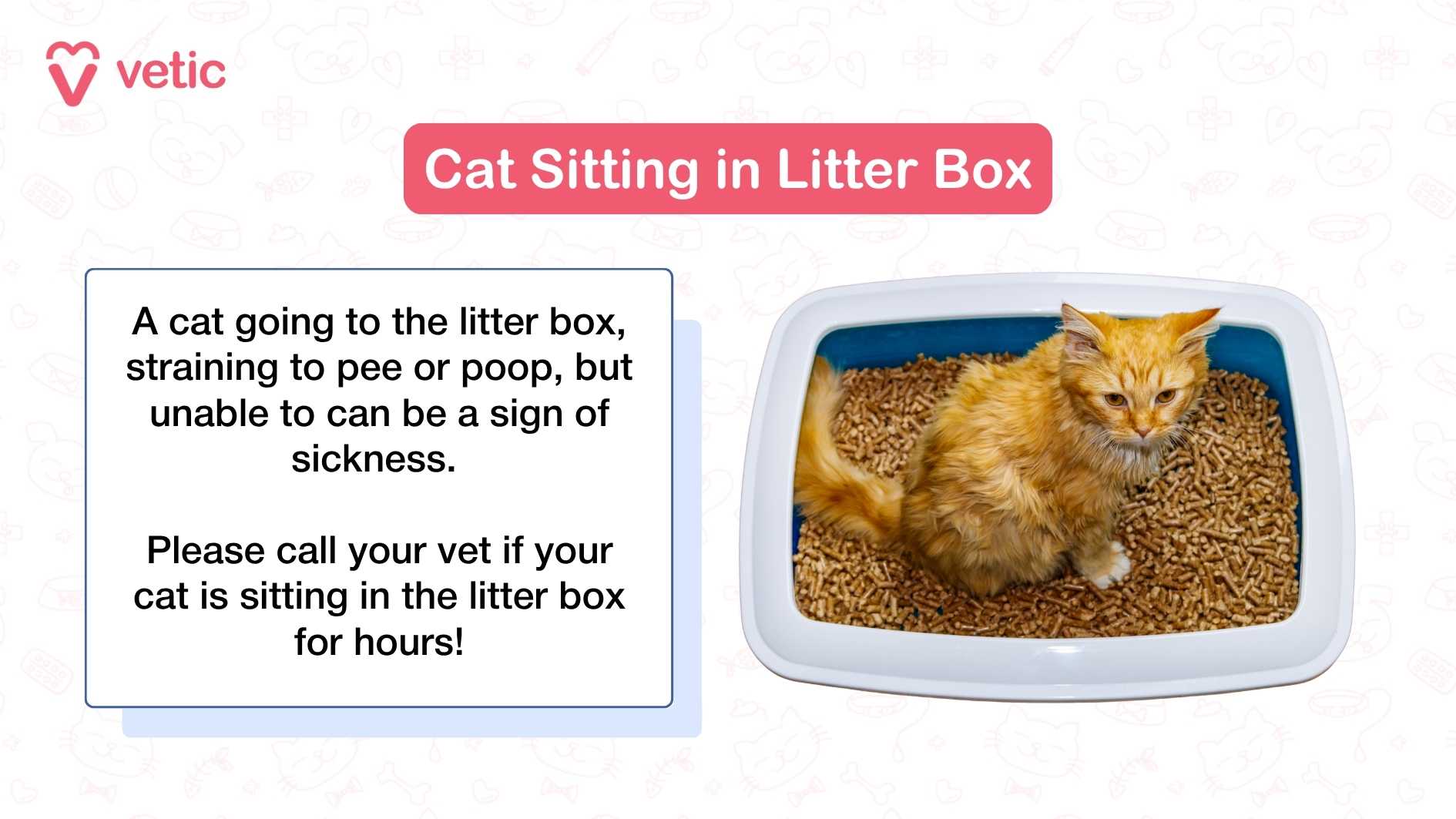
Credit: vetic.in

Credit: smart.dhgate.com
Frequently Asked Questions
Why Is My Cat Pooping Outside The Litter Box?
Cats often avoid the litter box due to stress, illness, or dirty trays. Poor box location or type can also cause this behavior. Identifying the cause helps to address the issue promptly and improve your cat’s comfort.
How Can I Train My Cat To Use The Litter Box?
Keep the litter box clean and placed in a quiet area. Use positive reinforcement when your cat uses it correctly. Gradually introduce changes and be patient for consistent training results.
What Litter Type Is Best To Prevent Accidents?
Unscented, clumping litter is usually preferred by cats. It’s easy to clean and controls odor well. Experiment with different types to find what your cat likes best.
How Many Litter Boxes Should I Have At Home?
The rule is one box per cat plus one extra. This prevents overcrowding and territorial disputes. More boxes encourage better litter box use and reduce accidents.
Conclusion
Stopping your cat from pooping outside the litter box takes patience and care. Clean the box often and place it in a quiet spot. Watch for health issues or stress that may cause accidents. Try different litter types or boxes to find what your cat likes.
Praise your cat when it uses the box correctly. Small steps make a big difference over time. Keep observing and adjusting until your cat feels comfortable again. Consistency and kindness will help solve this problem. Your cat will soon return to good habits.

Leave a Reply