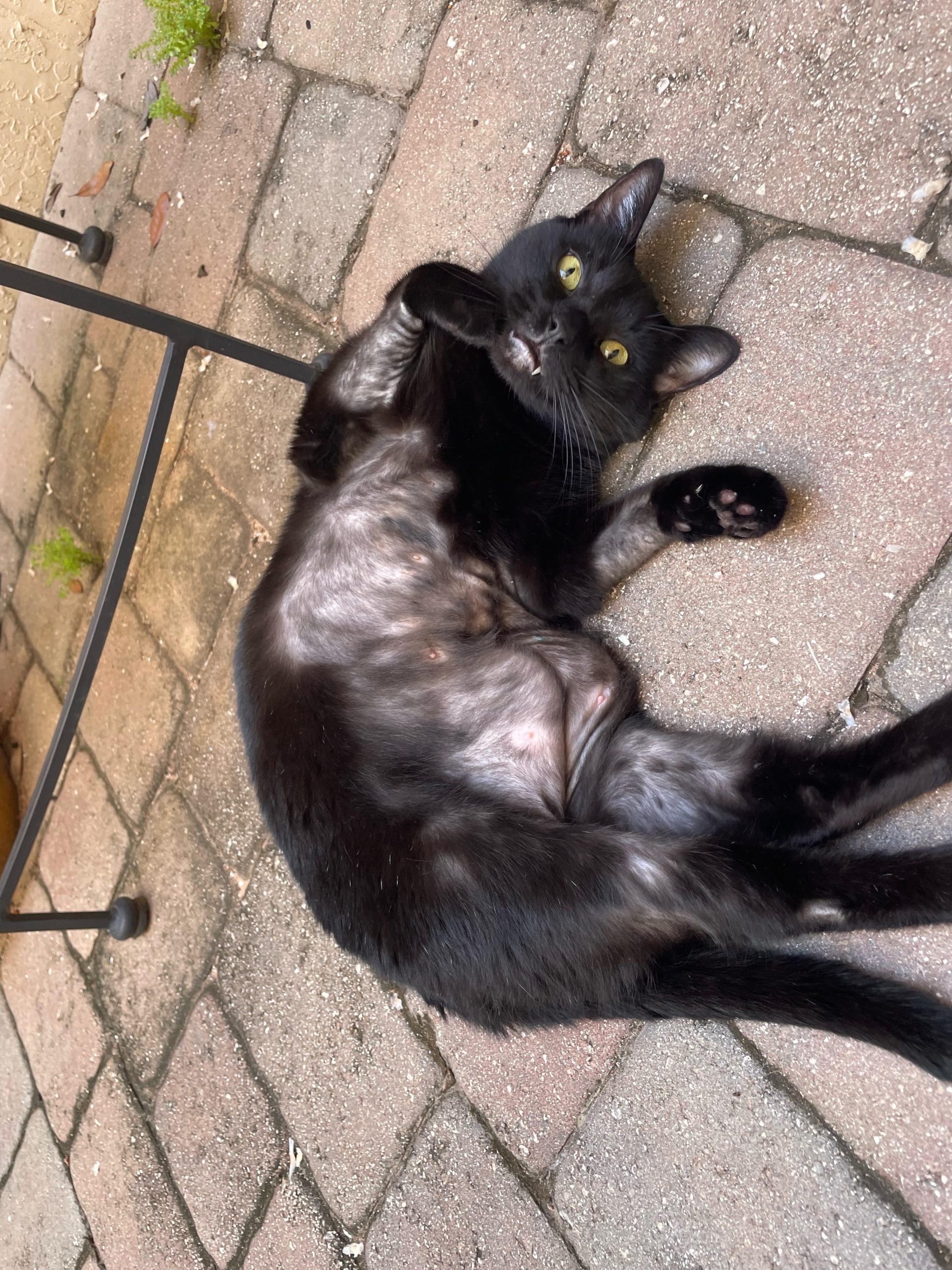
Is your cat grooming itself nonstop, leaving you worried and unsure what to do? Excessive grooming can be more than just a quirky habit—it might signal stress, allergies, or skin problems.
If you want to help your furry friend feel comfortable and stop this behavior, you’re in the right place. You’ll discover simple, effective ways to understand why your cat grooms excessively and how to gently guide them back to healthy habits.
Keep reading to learn how to bring calm and comfort back to your pet’s life.
Signs Of Over-grooming
Over-grooming in cats is a sign of stress or health problems. It can cause harm to your cat’s skin and fur. Spotting the signs early helps you prevent serious issues. These signs fall into two main groups: physical symptoms and behavioral changes.
Physical Symptoms
- Red or irritated skin
- Hair loss in patches
- Scabs or sores on the body
- Dry or flaky skin
- Swollen or thickened skin areas
- Visible wounds from scratching or licking
Behavioral Changes
- Excessive licking or biting of the same spot
- Restlessness or pacing
- Hiding or avoiding interaction
- Increased irritability or aggression
- Repeating grooming for long periods
- Changes in eating or sleeping habits
Common Causes
Excessive grooming in cats can signal underlying problems. Understanding common causes helps address this behavior effectively. Cats may groom too much due to physical or emotional triggers. Identifying these triggers is the first step to help your cat feel better.
Stress And Anxiety
Stress often leads cats to groom more than usual. Changes in the home, loud noises, or new pets can cause anxiety. Grooming acts as a coping mechanism to soothe their nerves. Signs include constant licking or biting at fur and skin.
Allergies And Skin Issues
Allergies can make a cat’s skin itchy and uncomfortable. Food ingredients, dust, or pollen may trigger allergic reactions. Cats respond by licking or scratching to ease irritation. Look for redness, swelling, or hair loss in affected areas.
Parasites And Infections
Parasites like fleas or mites cause intense itching. Infections from bacteria or fungi worsen skin discomfort. Cats try to relieve the itch through excessive grooming. Check for scabs, sores, or unusual odors on your cat’s skin.
Preventive Measures
Stopping excessive cat grooming starts long before you see the behavior. Preventive measures help maintain your cat’s well-being and reduce stress triggers that lead to over-grooming. Paying attention to your cat’s daily environment, health, and diet can make a significant difference in their grooming habits.
Creating A Calm Environment
Your cat’s surroundings play a huge role in their stress levels. Avoid loud noises, sudden changes, or overcrowded spaces that might unsettle your pet.
Try adding cozy hiding spots or soft bedding where your cat can retreat when feeling overwhelmed. Regular playtime with gentle toys also helps release pent-up energy.
Have you noticed how your cat behaves in different parts of your home? Observing these reactions can guide you to create a more soothing space tailored to their needs.
Regular Vet Checkups
Health issues often cause cats to groom excessively as a response to pain or skin irritation. Scheduling regular vet visits ensures early detection of allergies, parasites, or skin infections.
Don’t wait for visible signs to appear. Sometimes subtle changes in behavior signal underlying problems that only a professional can spot.
Keeping your vet updated about your cat’s grooming habits allows for a more accurate diagnosis and timely treatment.
Proper Nutrition
What your cat eats directly affects their skin and coat health. A balanced diet rich in omega-3 and omega-6 fatty acids supports healthy fur and reduces itching.
Consider high-quality cat food with natural ingredients and supplements if recommended by your vet. Avoid sudden changes in diet, which can upset your cat’s digestive system and skin.
Have you checked your cat’s food label lately? Sometimes small adjustments in their meals can prevent over-grooming caused by nutritional deficiencies.

Credit: pennypaws.com
Home Remedies
Home remedies can be a gentle and effective way to help your cat reduce excessive grooming without stressing them out. These approaches focus on calming your cat’s skin and mind naturally. You’ll find that small changes and simple treatments can make a big difference in your cat’s behavior.
Natural Soothing Treatments
Try applying a cool compress to the irritated area to calm inflamed skin. This can reduce itching and help break the grooming cycle.
Aloe vera gel, free from additives, can soothe dry or itchy patches. Make sure it’s safe for pets and use sparingly.
Adding omega-3 fatty acids to your cat’s diet can improve skin health from the inside out. You might notice less irritation and, consequently, less grooming.
Have you checked if your home environment might be causing stress? Sometimes simply adding a few drops of lavender oil in a diffuser (well away from your cat) can create a calming atmosphere.
Distraction Techniques
Redirect your cat’s attention with interactive toys like feather wands or laser pointers. Engaging their hunting instincts can help divert focus from grooming.
Regular play sessions not only tire your cat physically but also mentally stimulate them, reducing boredom-induced grooming.
Try setting up puzzle feeders to challenge your cat’s mind while feeding. This keeps them busy and can lessen repetitive behaviors.
Have you observed when your cat tends to groom excessively? Timing distraction activities right before those moments can be surprisingly effective.
Medical Treatments
Excessive grooming in cats can signal stress, allergies, or skin problems. Identifying the cause helps in choosing the right treatment to stop over-grooming. Veterinary advice and gentle care often improve your cat’s comfort and health.
Grooming is a natural behavior for cats, but when it becomes excessive, it might be time to consider medical treatments. Understanding the root cause of over-grooming is crucial for effective treatment. Sometimes, medical intervention is necessary to provide relief and restore your cat’s well-being.Medications And Topicals
Certain medications can help manage over-grooming by addressing underlying health issues. Antihistamines and corticosteroids are often prescribed to alleviate allergies that may cause itching and excessive grooming. Topical treatments, like medicated shampoos or sprays, can soothe irritated skin and reduce the urge to groom excessively. Always consult your vet to ensure the best treatment plan for your cat. Medication dosages and types can vary greatly, so professional guidance is essential. Have you noticed any specific triggers that might help pinpoint the best treatment approach?Behavioral Therapy
Behavioral therapy can be an effective way to address compulsive grooming. This approach often involves identifying and eliminating stressors that lead to excessive grooming. Consider making changes in your cat’s environment to reduce anxiety, like providing more interactive toys or creating a quiet space for relaxation. Sometimes, engaging your cat with positive distractions can help. For instance, regular playtime can redirect their energy away from grooming. Are there specific activities your cat enjoys that could serve as a distraction? Understanding your cat’s behavior and working closely with a vet can make a significant difference. By tackling the issue from both medical and behavioral angles, you can help your cat find comfort and balance.
Credit: www.amazon.de
When To Seek Professional Help
Knowing when to seek professional help is vital for a cat that grooms excessively. Over-grooming can signal health or emotional issues needing expert care. Early intervention can prevent serious harm and improve your cat’s wellbeing.
Signs Of Severe Over-grooming
- Visible bald spots or thinning fur
- Red, inflamed, or bleeding skin
- Constant licking or chewing in one area
- Changes in behavior such as restlessness or aggression
- Loss of appetite or signs of pain
These symptoms suggest your cat may need medical attention. Ignoring them can worsen the problem and cause infections.
Choosing The Right Vet
Select a vet who understands feline behavior and skin conditions. Look for one with experience in dermatology or animal behavior. A good vet will perform thorough exams and suggest tests to find the root cause.
Ask about treatment plans and follow-up care. A vet who communicates clearly helps you support your cat better. Trust and comfort between you, your cat, and the vet matter a lot.
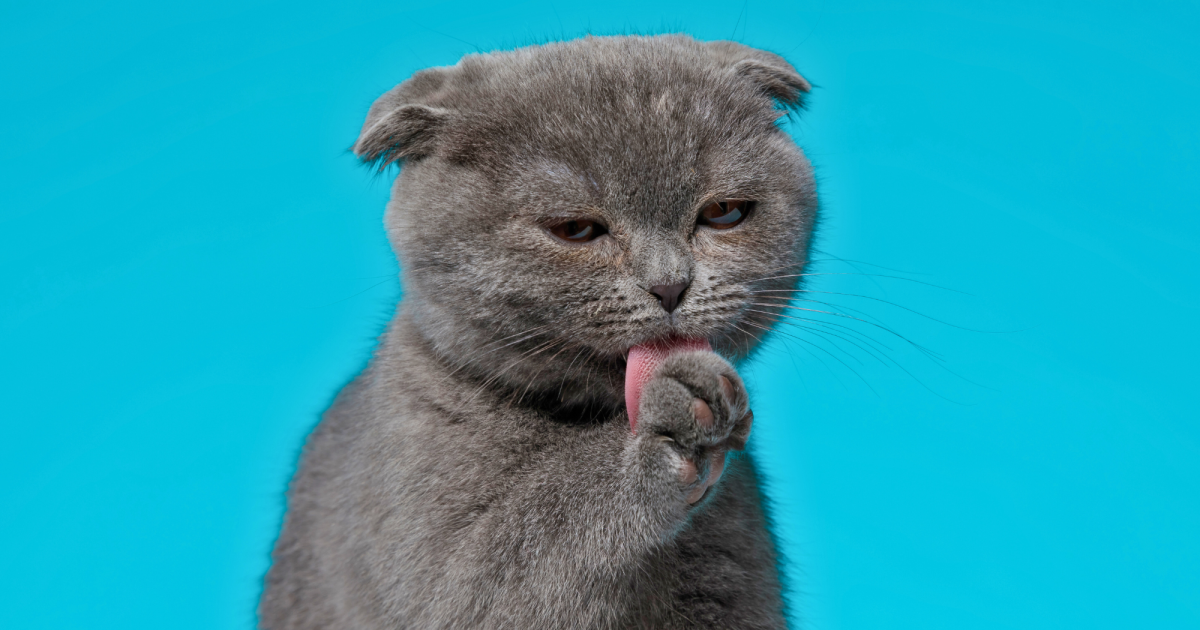
Credit: pethelpful.com
Frequently Asked Questions
How Can I Stop My Cat From Over Grooming?
Over grooming may signal stress or skin issues. Distract your cat with toys and provide calming environments. Consult a vet to rule out allergies or infections. Using deterrent sprays or collars can also help reduce excessive grooming.
Why Does My Cat Groom Itself Excessively?
Excessive grooming often indicates anxiety, allergies, or parasites. It can also be a response to pain or boredom. Identifying and addressing the root cause is essential to stop this behavior and keep your cat healthy.
What Home Remedies Reduce Cat Over Grooming?
Provide plenty of playtime and mental stimulation to reduce stress. Use calming pheromone diffusers around your home. Ensure a balanced diet and check for skin irritations. Always consult a vet before trying any home remedies.
When Should I See A Vet For Cat Grooming Issues?
If your cat grooms to the point of hair loss, skin wounds, or behavioral changes, consult a vet. Persistent over grooming could indicate serious health problems needing professional treatment.
Conclusion
Stopping a cat from over-grooming takes patience and care. Watch your cat’s behavior closely for signs of stress or illness. Offer distractions like toys or extra playtime to keep them busy. Create a calm and safe space for your cat to relax.
Sometimes, a vet visit is needed to find the cause. With gentle attention and the right steps, you can help your cat feel better and reduce grooming. Small changes can make a big difference in your cat’s health and happiness.
Keep trying and stay patient.




Leave a Reply