Are you thinking about turning your love for cats into a profitable venture? Starting a cat breeding business can be both rewarding and lucrative if done the right way.
But before you dive in, it’s important to know the secrets that successful breeders use to maximize their profits while keeping their cats healthy and happy. In this guide, you’ll discover practical steps to start breeding cats for profit—without the guesswork.
Ready to learn how to make your passion pay off? Keep reading, because what you’re about to find out could change the way you approach cat breeding forever.

Credit: catbreedersensei.com
Choosing The Right Cat Breed
Choosing the right cat breed is a key step for successful cat breeding. Each breed has unique traits and care needs. Selecting a breed that fits your resources and market goals matters most.
Popular Breeds For Breeding
- Siamese: Known for their striking looks and social nature.
- Persian: Loved for their long, luxurious fur and calm personality.
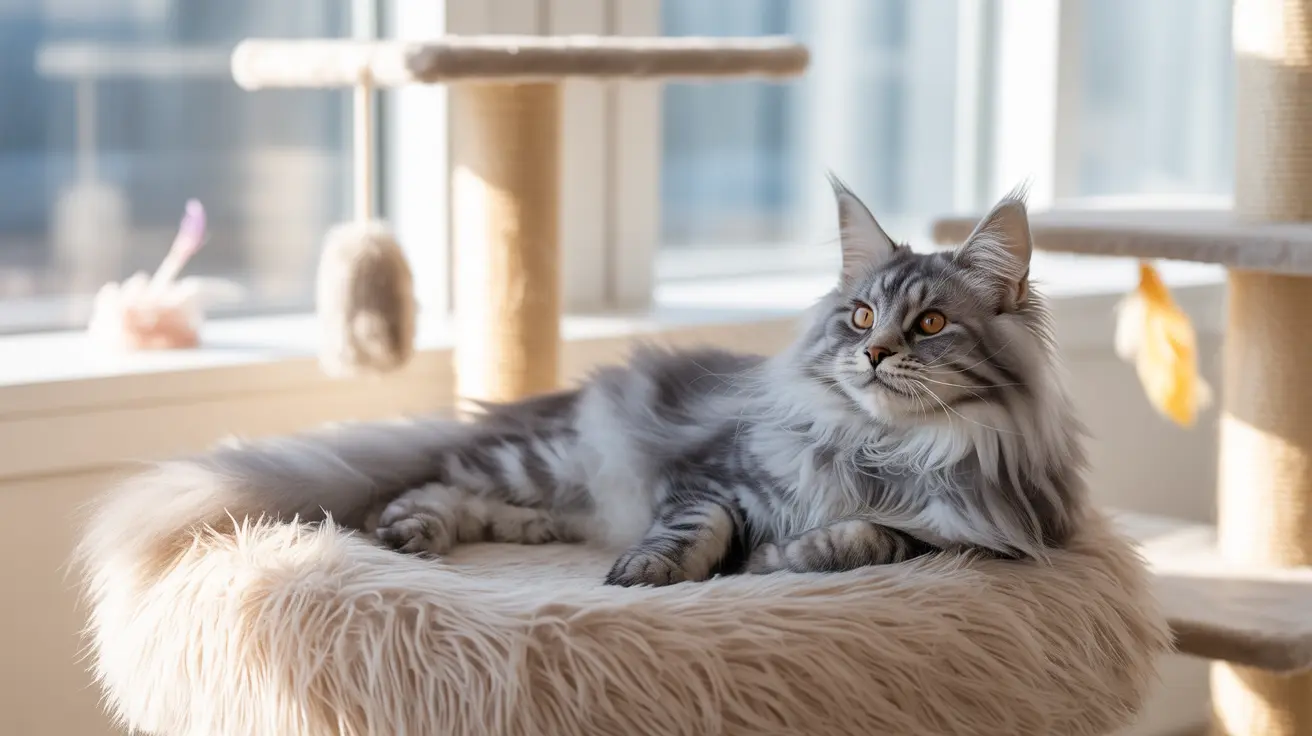
- Maine Coon: Large size and friendly behavior make them popular.
- Bengal: Exotic spots and energetic nature attract many buyers.
- Ragdoll: Gentle and affectionate, great for families.
Assessing Market Demand
Check local and online markets for breed popularity. Some breeds sell faster due to appearance or personality. Study pet store trends and cat shows to learn buyer preferences. Avoid breeds with low demand to reduce risk.
Breed-specific Care Needs
Each breed requires special care and attention. Long-haired cats need regular grooming to avoid mats. Some breeds have health issues needing extra vet visits. Understand diet, exercise, and environment needs before deciding. Proper care ensures healthy kittens and happy buyers.
Setting Up Your Breeding Space
Setting up your breeding space is a crucial step in starting a profitable cat breeding business. This area must be comfortable, secure, and well-organized to ensure the health and happiness of your cats. Careful planning of this space reduces stress for the animals and makes your daily tasks easier.
Creating A Safe Environment
Safety is the top priority in your breeding space. Choose a quiet room away from loud noises and heavy foot traffic. Make sure windows and doors are secure to prevent escapes. Avoid sharp objects or small items that cats could swallow. Provide cozy hiding spots where cats can relax and feel secure.
Essential Supplies And Equipment
- Comfortable bedding for resting and nesting
- Feeding bowls and water dispensers
- Litter boxes placed in quiet corners
- Scratching posts to keep claws healthy
- Heating pads or lamps for newborn kittens
- Cleaning tools like brushes and disinfectants
Each item must be durable and easy to clean. Proper supplies help maintain good health and hygiene.
Maintaining Cleanliness And Hygiene
Regular cleaning prevents diseases and keeps cats comfortable. Clean litter boxes daily and replace bedding often. Disinfect feeding areas and toys weekly. Use pet-safe cleaning products to avoid harmful chemicals. Good hygiene also improves your reputation as a responsible breeder.
Health And Genetics
Breeding cats for profit requires understanding their health and genetics. Choosing healthy cats with good traits helps produce strong kittens. Careful planning ensures better chances of success.
Starting a cat breeding business can be rewarding. But, health and genetics play a vital role. Ensuring cats are healthy is crucial. It affects both their wellbeing and the quality of offspring. Genetics also influence the traits and health of kittens. To breed cats successfully, focus on these areas.Selecting Healthy Breeding Cats
Choose cats with strong health records. Prioritize those free from genetic disorders. Check for clear eyes, clean ears, and shiny coats. These are signs of healthy cats. Observe their behavior too. Healthy cats are active and social.Genetic Testing And Screening
Genetic testing helps identify potential health risks. It ensures better offspring health. Use screening to check for inherited diseases. Common tests include those for heart and kidney issues. This step is essential for responsible breeding.Vaccinations And Veterinary Care
Regular vet check-ups are necessary. Keep vaccinations up to date. Vaccines protect against common feline diseases. Rabies and feline distemper are important. Regular deworming is also vital. A vet can guide you on the best care routine.Breeding Process And Care
Understanding the breeding process and providing proper care are key to a successful and profitable cat breeding venture. This stage requires attention to detail, patience, and knowledge to ensure both the health of the cats and the quality of the kittens. Let’s break down the essential parts of mating, pregnancy, and kitten care so you can build a strong foundation for your breeding business.
Mating Techniques And Timing
Timing plays a crucial role in cat breeding. Female cats, or queens, go into heat several times a year, usually lasting about a week. You need to observe her behavior closely to identify signs such as increased vocalization, rubbing, and restlessness.
Pairing the right male and female is more than just matching breeds. Consider temperament, health history, and genetics to avoid hereditary issues. Introduce the cats gradually in a calm environment to reduce stress and aggression.
- Allow supervised interaction during the queen’s heat cycle.
- Watch for acceptance signals like tail raising and rubbing.
- Expect multiple matings over a few days to increase chances of pregnancy.
Pregnancy And Whelping Care
Once your queen is pregnant, her needs change significantly. Provide a quiet, comfortable space with a nesting box where she can feel safe. Nutrition is vital—switch to a high-quality kitten food that supports fetal growth.
Regular vet checkups are essential to monitor the queen’s health and catch any issues early. As the due date approaches, which is typically around 63-65 days after mating, prepare for whelping by keeping emergency contacts handy.
- Keep the nesting area clean and warm.
- Monitor her for any signs of distress or labor complications.
- Have clean towels, heating pads, and vet-approved supplies ready.
Caring For Kittens
Kittens require round-the-clock attention during their first weeks. Make sure they are kept warm and fed frequently, especially if the mother is inexperienced or unable to nurse. You’ll need to weigh them daily to ensure proper growth.
Socialization starts early—handle the kittens gently to get them used to human contact. This helps them develop into friendly, well-adjusted pets, increasing their market value. Pay attention to their health, watching for signs of illness like lethargy or poor feeding.
- Keep the bedding clean and dry.
- Introduce gradual weaning around 4 weeks with soft, wet kitten food.
- Schedule vaccinations and vet visits to maintain health standards.
Have you considered how much time and effort you can realistically dedicate to each stage? Success in breeding depends on your commitment to care as much as your knowledge of the process.
Legal And Ethical Considerations
Starting a cat breeding business involves more than just pairing cats and finding buyers. You must navigate legal requirements and embrace ethical responsibilities to protect both your cats and your reputation. Understanding these aspects will help you build a sustainable and respected breeding practice.
Licensing And Regulations
Before you begin, check your local and national laws regarding animal breeding. Many places require breeders to have specific licenses or permits. Failing to obtain these can result in fines or even the shutdown of your operation.
Some areas also limit the number of animals you can own or sell. Make sure you know the rules about sales taxes, advertising, and record-keeping. Staying compliant not only keeps you legal but also builds trust with buyers.
Animal Welfare Standards
Your cats’ health and happiness should be your top priority. This means providing clean living spaces, proper nutrition, and regular veterinary care. Poor conditions can lead to illness and behavioral issues, which hurt your cats and your business.
Ask yourself: Are your cats living in an environment where they can thrive? If the answer is no, you need to improve before moving forward. Treating your cats well is not just ethical—it’s smart business.
Responsible Breeding Practices
Breeding cats isn’t about quantity; it’s about quality. Avoid breeding cats with genetic defects or poor temperaments. Use health screenings and consult with veterinarians to select the best pairs.
Keep detailed records of each cat’s lineage and health history. This transparency helps potential buyers make informed decisions and strengthens your credibility. Are you prepared to take the time and effort needed to breed responsibly?

Credit: catbreedersensei.com
Marketing And Selling Kittens
Marketing and selling kittens is a key part of a successful cat breeding business. It involves more than just finding buyers. Establishing trust and offering clear information helps attract good homes for your kittens. Promoting your cats properly can build lasting relationships and steady income. Let’s explore how to do this well.
Building A Reputation
Reputation is everything in cat breeding. Buyers trust breeders with a strong name and good reviews. Share photos and videos of your cats on social media and websites. Respond quickly to questions and show your knowledge. Participate in cat shows or local pet events to meet potential buyers. Positive feedback from past buyers boosts your credibility.
Pricing Strategies
Set prices that reflect your cats’ quality and care. Research prices from other breeders with similar breeds. Consider costs like health checks, vaccinations, and feeding. Offer different price points for various breeds or features. Avoid very low prices, which may lower buyers’ trust. Clear pricing helps buyers decide quickly and fairly.
Finding Buyers And Contracts
Finding good buyers is about careful screening. Use online platforms, local pet shops, and vet offices to spread the word. Always use a sales contract to protect both parties. Include terms about kitten care, return policies, and health guarantees. Contracts show professionalism and ensure the kittens go to safe homes.
Financial Planning And Profitability
Financial planning is crucial for starting a cat breeding business. It helps you manage costs and forecast profits clearly. Proper budgeting ensures you stay on track and avoid surprises.
Understanding expenses and income helps maintain a healthy business. Profitability depends on careful planning and smart spending. Let’s explore the key financial aspects of cat breeding.
Startup Costs
Initial costs include buying quality breeding cats. You may also need a proper space for them to live and breed safely. Basic supplies like food, bedding, and cages add to the cost. Veterinary checks and vaccinations are essential before starting.
- Purchase of breeding cats
- Safe and clean living space setup
- Initial food and supplies
- Veterinary exams and vaccinations
- Licenses or permits if required
Ongoing Expenses
Daily care requires steady spending. Food, litter, and cleaning supplies must be replenished regularly. Veterinary care continues throughout the cats’ lives. Advertising and marketing costs help find buyers. Unexpected health problems may cause extra expenses.
- Regular food and litter
- Routine vet visits and vaccinations
- Cleaning and maintenance supplies
- Marketing and sales expenses
- Emergency health care
Maximizing Returns
Focus on breeding healthy, well-socialized cats. High-quality cats attract better buyers and higher prices. Keep detailed records to track costs and sales. Offer excellent customer service for repeat buyers. Consider selling related products to boost income.
- Breed for health and temperament
- Maintain detailed financial records
- Build a strong reputation
- Use social media and websites
- Sell accessories or food items

Credit: www.petscare.com
Frequently Asked Questions
What Are The First Steps To Start Cat Breeding For Profit?
Begin by researching cat breeds and local regulations. Choose healthy breeding cats with good genetics. Set up a safe, clean environment and plan your breeding strategy carefully.
How Much Does It Cost To Start Breeding Cats?
Initial costs include purchasing quality breeding cats, veterinary care, and equipment. Expect expenses for food, vaccinations, and marketing. Budget varies but plan for several thousand dollars upfront.
What Legal Requirements Are Needed For Cat Breeding?
Check local laws on animal breeding and licensing. Obtain necessary permits and follow animal welfare regulations. Compliance prevents legal issues and ensures ethical breeding practices.
How To Ensure Healthy Kittens From Breeding Cats?
Provide proper nutrition, regular vet check-ups, and vaccinations for breeding cats. Monitor pregnancy and birthing carefully. Early socialization and veterinary care are vital for healthy kittens.
Conclusion
Starting a cat breeding business takes time and careful planning. Choose healthy cats and learn about their care. Keep track of expenses and sales for profit. Treat cats with kindness and respect. Stay patient as you build your reputation. Small steps lead to steady growth.
Enjoy the process and the joy cats bring. Success comes from hard work and good care. You can create a rewarding and profitable hobby.



Leave a Reply