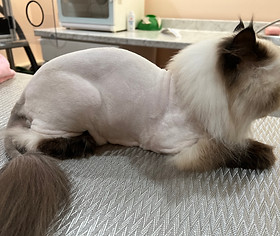
If you have a long-haired cat, you know how tricky grooming can be. Mats and tangles can cause discomfort for your furry friend and make daily care a challenge.
You might wonder how to shave your long-haired cat safely without stressing them out or causing harm. This guide will walk you through simple, step-by-step tips to keep your cat comfortable and looking great. By the end, you’ll feel confident handling your cat’s grooming needs like a pro.
Ready to make grooming easier for both you and your cat? Let’s get started!

Credit: www.youtube.com
Preparing Your Cat For Grooming
Preparing your long-haired cat for grooming helps make the process easier and safer. Cats can feel stressed or scared during grooming. Taking time to prepare them reduces anxiety and prevents accidents. The right preparation helps your cat stay calm and cooperative. Follow these steps to get ready for a smooth grooming session.
Choosing The Right Time
Pick a time when your cat is relaxed and calm. Avoid times when your cat is very active or hungry. Groom after a nap or playtime for best results. Keep sessions short to avoid tiring your cat. Watch your cat’s mood and stop if they seem stressed.
Gathering Essential Tools
Have all grooming tools ready before you start. Use a sharp, quiet clipper made for pets. Prepare a wide-tooth comb and a slicker brush for detangling. Keep grooming scissors handy for small trims. Have treats nearby to reward your cat’s good behavior.
Creating A Calm Environment
Choose a quiet room with few distractions. Close windows and doors to reduce outside noise. Use soft lighting to keep the room gentle and soothing. Speak softly to your cat to offer comfort. Play calming music or white noise if needed. A calm space helps your cat feel safe and secure.
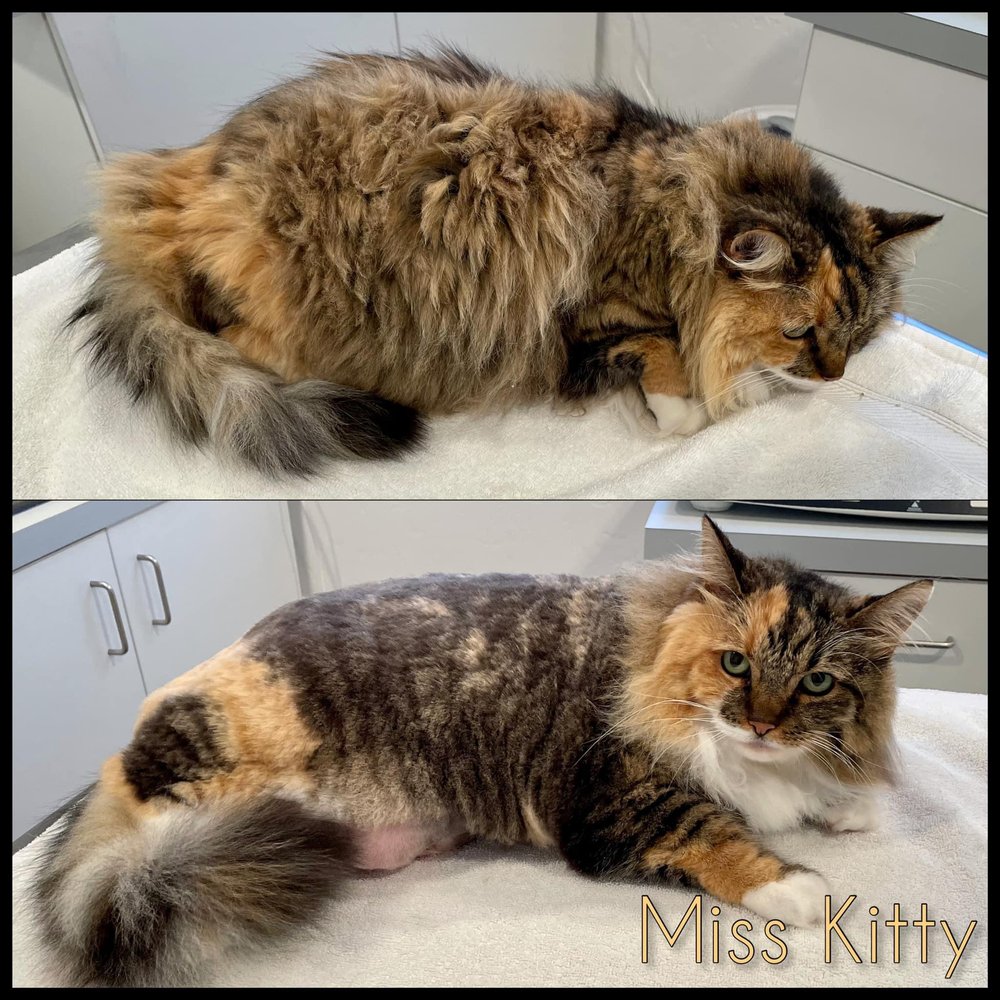
Credit: www.downtowntabbycattery.com
Safe Grooming Techniques
Grooming a long-haired cat requires patience and care, especially when shaving or trimming. Safe grooming techniques protect your cat from stress and injury. Taking your time and using the right tools can make the experience smooth for both of you.
Brushing Before Trimming
Brushing your cat thoroughly before any trimming is crucial. It removes loose fur and highlights any mats or tangles that need attention. Use a wide-toothed comb or a slicker brush designed for long hair to gently detangle without pulling.
Think about how much easier it is to trim when the fur is smooth and free of knots. Brushing also helps your cat relax and gets them used to being handled. You might notice spots where the fur is thinner or sensitive, which you can avoid during trimming.
Handling Mats And Tangles
Mats can be painful for your cat, so handle them with care. Try to gently separate mats with your fingers before using a mat splitter or dematting comb. If a mat is too tight, never pull hard—this can hurt your cat and cause skin damage.
If you find a stubborn mat, consider applying a bit of conditioner or detangling spray made for cats. Patience here pays off. Ask yourself: is this mat small enough to work through, or is a professional groomer needed?
Using Clippers And Scissors Safely
Using clippers and scissors requires steady hands and focus. Choose clippers designed for pets with sharp, quiet blades to avoid frightening your cat. Always test the clipper speed on a small patch of fur first to see how your cat reacts.
When using scissors, keep the tips rounded to prevent accidental pokes. Hold the fur gently and cut small sections at a time. Remember to keep your free hand between the scissors and your cat’s skin for safety.
Regular breaks can help your cat stay calm during grooming. Have treats ready as positive reinforcement—this turns grooming into a more pleasant experience. What small actions can you take to make your cat feel safe and comfortable during trimming?
Step-by-step Shaving Process
Shaving a long-haired cat requires patience and careful attention to detail. Breaking the process down into manageable parts helps keep both you and your cat calm. Let’s walk through the shaving process to make it smoother and less stressful.
Starting With Small Areas
Begin by shaving a small patch of fur in an area where your cat feels comfortable, like the back or side. This allows your cat to get used to the sensation without overwhelming them. If your cat reacts negatively, pause and try again later.
Starting small also helps you test your clippers and adjust the settings for the best cut. You can avoid pulling the fur or irritating your cat’s skin by working gently and slowly in these initial spots.
Shaving In The Direction Of Hair Growth
Always shave following the direction the hair grows. This reduces discomfort and prevents pulling on the fur. It also results in a cleaner, more even shave.
Moving against the grain can cause skin irritation and make your cat anxious. Pay close attention to how the fur lies, especially around curves like the neck and legs, to keep the shave smooth.
Avoiding Sensitive Spots
Long-haired cats have delicate areas like the face, ears, belly, and paws. These spots can be easily injured if you’re not careful. Use a gentle touch and consider trimming these areas with scissors if you’re unsure about using clippers.
Watch for signs of discomfort such as twitching skin or sudden movements. If your cat seems stressed, take breaks and offer treats to keep the experience positive.
Aftercare Tips
After grooming your long-haired cat, proper aftercare is essential to keep your furry friend healthy and happy. Shaving can be a bit stressful for cats, so gentle care afterward helps prevent discomfort and skin issues. Paying close attention to your cat’s skin and comfort ensures the best results from your grooming efforts.
Checking For Skin Irritations
Once the shave is done, closely inspect your cat’s skin for any signs of redness, bumps, or cuts. Cats with thick fur might hide these issues well, so part the hair carefully and look at the skin underneath. If you notice any irritation, apply a pet-safe soothing lotion and keep the area clean.
Watch your cat for excessive scratching or licking, which might indicate discomfort. Have you noticed any spots that look inflamed or feel warm to the touch? These could be signs of infection and may require a vet’s attention.
Keeping Your Cat Comfortable
Shaving removes a layer of protection, so your cat might feel more sensitive to temperature changes. Provide a warm, quiet space to help your cat relax after grooming. Avoid placing your cat in drafts or direct sunlight immediately after shaving.
Offer gentle petting and reassure your cat with a calm voice to reduce stress. You might also want to give your cat a soft blanket or bed to rest on. Have you thought about how your cat’s behavior changes after grooming? Keeping their environment cozy helps them adjust faster.
Regular Maintenance Between Shaves
Long-haired cats need regular brushing, even if you’ve shaved them. This prevents mats from forming and keeps the coat healthy. Schedule brushing sessions at least twice a week to manage tangles and loose hair.
Monitor your cat’s coat for new mats or dirt build-up, especially around sensitive areas like the belly and behind the ears. Using the right brush makes a big difference—soft bristle brushes work well for sensitive skin. How often do you check your cat’s fur for mats? Consistency here reduces the need for frequent shaves.
When To Seek Professional Help
Grooming a long-haired cat can be challenging. Sometimes, it’s best to seek professional help. Knowing when to turn to an expert ensures your cat remains comfortable and healthy. Here’s how to identify the right time and find a trusted groomer.
Signs Your Cat Needs Expert Grooming
- Excessive matting and tangles that you can’t remove.
- Your cat becomes aggressive or anxious during grooming.
- Visible skin irritations or injuries beneath the fur.
- Your cat’s fur smells unpleasant or looks greasy.
These signs indicate that professional grooming might be necessary. A groomer can handle these issues safely and efficiently.
Finding A Trusted Groomer
- Seek recommendations from friends or a vet.
- Check reviews online for local groomers.
- Visit the groomer to see their facilities.
- Ask questions about their experience with long-haired cats.
- Ensure they handle pets with care and patience.
Choosing the right groomer ensures a stress-free experience for your cat. Your pet deserves the best care possible.

Credit: www.petscare.com
Frequently Asked Questions
How Often Should I Shave My Long-haired Cat?
Shaving frequency depends on your cat’s coat and health. Generally, every 8-12 weeks helps prevent matting and overheating. Regular grooming in between keeps the coat healthy and manageable.
What Tools Are Best For Shaving A Long-haired Cat?
Use a pet-safe electric clipper with a quiet motor and sharp blades. Also, have grooming scissors and a comb for trimming and detangling before shaving.
Is Shaving Safe For Long-haired Cats?
Yes, shaving is safe if done carefully with proper tools and technique. Avoid shaving too close to the skin to prevent cuts and irritation.
How Can I Calm My Cat During Shaving?
Keep the environment quiet and use gentle handling. Offer treats and take breaks if your cat shows stress. Patience helps ensure a smooth grooming session.
Conclusion
Shaving a long-haired cat takes patience and care. Use the right tools and work slowly. Keep your cat calm and safe throughout the process. Regular grooming helps avoid mats and keeps fur healthy. Take breaks if your cat feels stressed.
Remember, gentle handling makes a big difference. With practice, grooming becomes easier for both of you. Your cat will feel more comfortable and look neat. Keep these tips in mind for a smooth grooming experience.



Leave a Reply