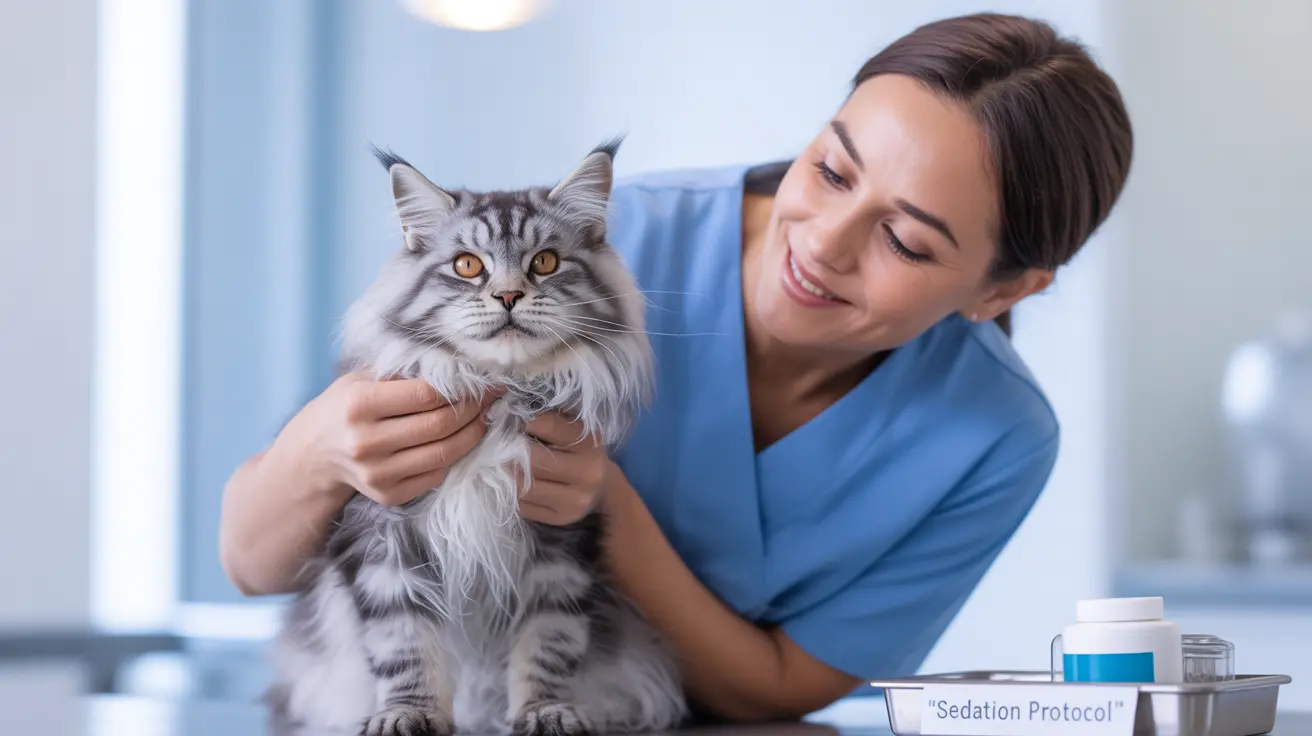
Grooming your cat can be a challenge, especially if your furry friend gets nervous or restless. You want to keep your cat calm and safe, but how do you do that without stress or struggle?
If you’ve ever wondered, “How to sedate my cat for grooming,” you’re not alone. You’ll discover simple, effective ways to help your cat relax during grooming. By the end, you’ll feel confident and prepared to make grooming a peaceful experience for both you and your pet.
Keep reading to find out how to keep your cat calm, comfortable, and cared for.
When Sedation Is Necessary
Knowing when sedation is necessary for grooming your cat can save both of you a lot of stress. Not every kitty needs to be sedated, but certain signs and situations clearly indicate it’s the safer choice. Understanding these signs helps you make a responsible decision for your cat’s well-being.
Signs Your Cat Needs Sedation
Some cats get extremely anxious or aggressive during grooming. If your cat struggles violently, scratches, or bites, sedation might be the only way to keep them safe.
Look for physical signs like excessive panting, drooling, or trembling. These often show your cat is too stressed to tolerate grooming calmly.
Also, if your cat has thick mats or wounds hidden in the fur, sedation allows thorough grooming without causing pain or injury. Have you noticed your cat hiding or avoiding grooming sessions altogether? That’s a strong hint sedation could help.
Risks Of Grooming Without Sedation
Trying to groom a fearful or aggressive cat without sedation can lead to injuries for both you and your pet.
- Scratches and bites can cause infections or serious wounds.
- Stress can worsen your cat’s health, leading to long-term anxiety.
- Incomplete grooming may leave mats that cause skin infections or discomfort.
Ignoring these risks might make grooming worse over time. Is it worth risking your cat’s safety just to avoid sedation? Sometimes, sedation is the kinder choice that ensures a stress-free grooming experience.
Consulting Your Veterinarian
Before sedating your cat for grooming, consulting your veterinarian is essential. Your vet understands your cat’s health history and can guide you safely through the sedation process. This step ensures your pet’s safety and comfort during grooming.
Medical Evaluation
Your veterinarian will perform a thorough medical evaluation to check your cat’s overall health. This includes examining the heart, lungs, and liver, which play key roles in processing sedatives.
Blood tests may be recommended to identify any hidden issues like kidney problems or infections. These conditions can affect how your cat reacts to sedation, so knowing them upfront is crucial.
Have you noticed any unusual behavior or health changes in your cat lately? Sharing these details helps your vet tailor the sedation plan to your cat’s specific needs.
Choosing The Right Sedative
Not all sedatives are safe or effective for every cat. Your veterinarian will select the right medication based on your cat’s size, age, and health status.
They will also consider the type of grooming required. For example, a mild sedative might be enough for a quick nail trim, while a full bath might need stronger sedation.
Discuss any previous reactions your cat had to sedatives or other medications. This information can prevent adverse effects and improve your cat’s experience.
Would you prefer a sedative that wears off quickly or one that keeps your cat calm for longer? Talking this over with your vet ensures the sedation fits your grooming schedule perfectly.
Types Of Sedatives For Cats
Sedatives for cats include natural calming aids, prescription medications, and over-the-counter options. Each type works differently to reduce stress during grooming. Always consult a vet before giving any sedative to ensure your cat’s safety.
Types of Sedatives for Cats Grooming can be a stressful experience for cats. Sedatives can help calm them. Various options are available, each with its benefits and considerations. Understanding these types can help you choose the best option for your feline friend.Oral Sedatives
Oral sedatives come in pill or liquid form. They are easy to administer. These sedatives take time to work. Plan ahead to ensure the sedative takes effect before grooming. Always consult with your vet for the right dosage.Injectable Sedatives
Injectable sedatives are administered by a vet. They work quickly and are effective. This option is suitable for very anxious cats. It requires a visit to the veterinarian. Discuss any concerns with your vet before choosing this method.Natural Alternatives
Some prefer natural options like calming sprays or diffusers. These products contain soothing scents. They help reduce anxiety without strong chemicals. You can also use herbal supplements. Always check with your vet before trying natural remedies.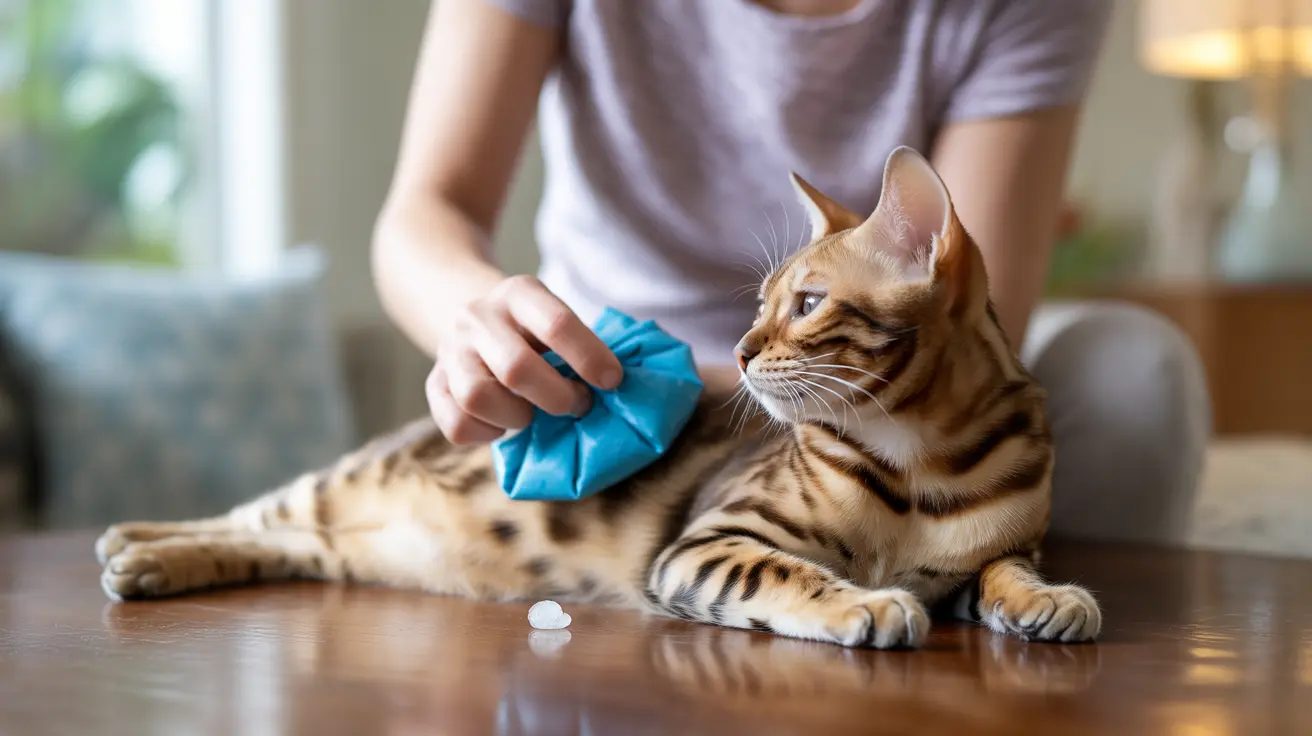
Credit: www.petscare.com
Preparing Your Cat For Sedation
Preparing your cat for sedation is key to a safe and smooth grooming session. Proper preparation helps reduce stress and lowers health risks during sedation. Understanding what to do before sedation sets the stage for a calm experience. Focus on simple steps that protect your cat’s well-being.
Fasting Guidelines
Fasting is important before sedation. It lowers the chance of vomiting or choking during the process. Typically, stop feeding your cat 8 to 12 hours before sedation. Water can usually be given until a few hours prior, but check with your vet for exact timing. Clear fasting rules prevent complications and keep your cat safe.
Creating A Calm Environment
Calm surroundings help your cat feel safe and relaxed. Choose a quiet room with soft lighting and no loud noises. Keep other pets away to avoid excitement or stress. Use a familiar blanket or toy to comfort your cat. Speak softly and move slowly to avoid sudden movements. A peaceful setting eases anxiety before sedation.
Administering Sedation Safely
Administering sedation to your cat requires great care and attention. Safety is the top priority to avoid risks and ensure comfort during grooming. Understanding the right dosage and how to watch your cat closely can make the process smoother and safer.
Dosage Instructions
Use only medications prescribed by your vet. Follow the exact dosage recommended based on your cat’s weight and health condition. Never guess or use human medicines. Give sedation well before grooming to let it take full effect.
- Measure the dose carefully using a syringe or dropper.
- Give medication with food if advised to avoid stomach upset.
- Keep a record of the time and amount given.
- Contact your vet if unsure about the dose or effects.
Monitoring Your Cat
Watch your cat closely after giving sedation. Look for changes in breathing, movement, and responsiveness. Keep your cat in a quiet, warm place to rest. Avoid letting your cat move too much until fully alert again.
- Check breathing rate and effort regularly.
- Look for signs of distress like vomiting or pale gums.
- Keep water available but do not force drinking.
- Call your vet immediately if your cat seems overly weak or unwell.
Grooming Tips While Cat Is Sedated
Grooming a sedated cat requires a gentle and thoughtful approach to ensure the experience is safe and comfortable for both you and your feline friend. While sedation helps reduce stress and resistance, your handling and choice of tools still play a crucial role in achieving effective grooming without causing harm. Paying attention to how you touch and what you use can make a big difference in your cat’s overall well-being.
Handling Techniques
Even though your cat is sedated, it’s important to move slowly and carefully. Avoid sudden or rough movements that could startle or injure your cat. Support your cat’s body firmly but gently, especially around the neck and shoulders, to keep them stable during grooming.
Use calm, steady hands to minimize any potential discomfort. If you notice any signs of distress, pause and give your cat time to relax before continuing. Have a soft towel nearby to wrap your cat if needed, which can provide extra security and warmth.
Tools To Use
Select grooming tools that are gentle and effective. A wide-toothed comb works well for detangling matted fur without pulling too hard. For brushing, opt for a soft-bristle brush designed specifically for cats to prevent skin irritation.
Keep grooming supplies within easy reach to avoid rushing or reaching over your cat. Avoid scissors or clippers unless you are highly confident and your cat’s sedation level allows for safe trimming. Remember, your goal is to maintain comfort and avoid causing accidental cuts or injuries.
Aftercare Post-sedation
After sedating your cat for grooming, proper aftercare is essential. It helps your cat recover safely and comfortably. Watch your cat closely during this period. The sedation effects wear off gradually, and your cat may feel weak or sleepy.
Recovery Signs
- Your cat should start waking up within a few hours.
- Look for steady breathing and relaxed muscles.
- Normal blinking and eye movement indicate alertness.
- Your cat may be a bit unsteady or wobbly at first.
- Appetite might be low but should return soon.
- Keep your cat warm and in a quiet place.
- Provide water once your cat is fully awake.
When To Contact A Vet
- If your cat does not wake up after several hours.
- Breathing is slow, shallow, or irregular.
- Severe vomiting or diarrhea occurs.
- Excessive drooling or difficulty swallowing.
- Signs of pain like crying or restlessness.
- Seizures or uncontrollable shaking happen.
- Gums remain pale or bluish in color.
Credit: brooklynpetspa.com
Alternatives To Sedation
Choosing alternatives to sedation can make grooming less stressful for both you and your cat. Sedation carries risks and should be a last resort, so exploring other options helps maintain your cat’s well-being. Let’s look at practical ways to keep grooming calm and safe.
Behavioral Training
Training your cat to accept grooming takes patience, but it pays off. Start by introducing grooming tools gradually, letting your cat sniff and explore them without pressure.
Use positive reinforcement like treats or gentle praise to reward calm behavior during grooming sessions. Short, frequent sessions work better than long, stressful ones.
Have you noticed how some cats respond well to consistent routines? Building trust over time can make grooming easier without needing sedation.
Professional Groomers
Professional groomers have experience working with anxious or uncooperative cats. They know how to handle your pet gently and efficiently.
Many groomers use calming techniques such as pheromone sprays or quiet environments to reduce stress. This can make a big difference compared to at-home attempts.
Consider scheduling a consultation first to discuss your cat’s behavior and any concerns. Could a professional’s expertise save you time and worry during grooming?

Credit: www.reddit.com
Frequently Asked Questions
How Can I Safely Sedate My Cat For Grooming?
Consult your vet before sedating your cat. They recommend the safest medication and dosage. Never give human drugs to cats.
What Are Natural Ways To Calm My Cat During Grooming?
Use pheromone sprays, gentle talking, and treats. A calm environment and slow movements help reduce stress.
When Should I Avoid Sedating My Cat For Grooming?
Avoid sedation if your cat has health issues. Always get a vet’s approval before sedating any cat.
Can I Use Over-the-counter Sedatives For My Cat?
No, avoid OTC sedatives. Only use vet-prescribed medications to ensure safety and proper dosing.
Conclusion
Sedating your cat for grooming needs care and patience. Always talk with your vet first to find the safest method. Use only vet-approved medicines to avoid risks. Watch your cat closely during and after sedation. Gentle handling helps reduce stress for your pet.
Regular grooming keeps your cat healthy and happy. With the right approach, grooming time becomes easier for both of you. Stay calm, be patient, and care for your furry friend.


Leave a Reply