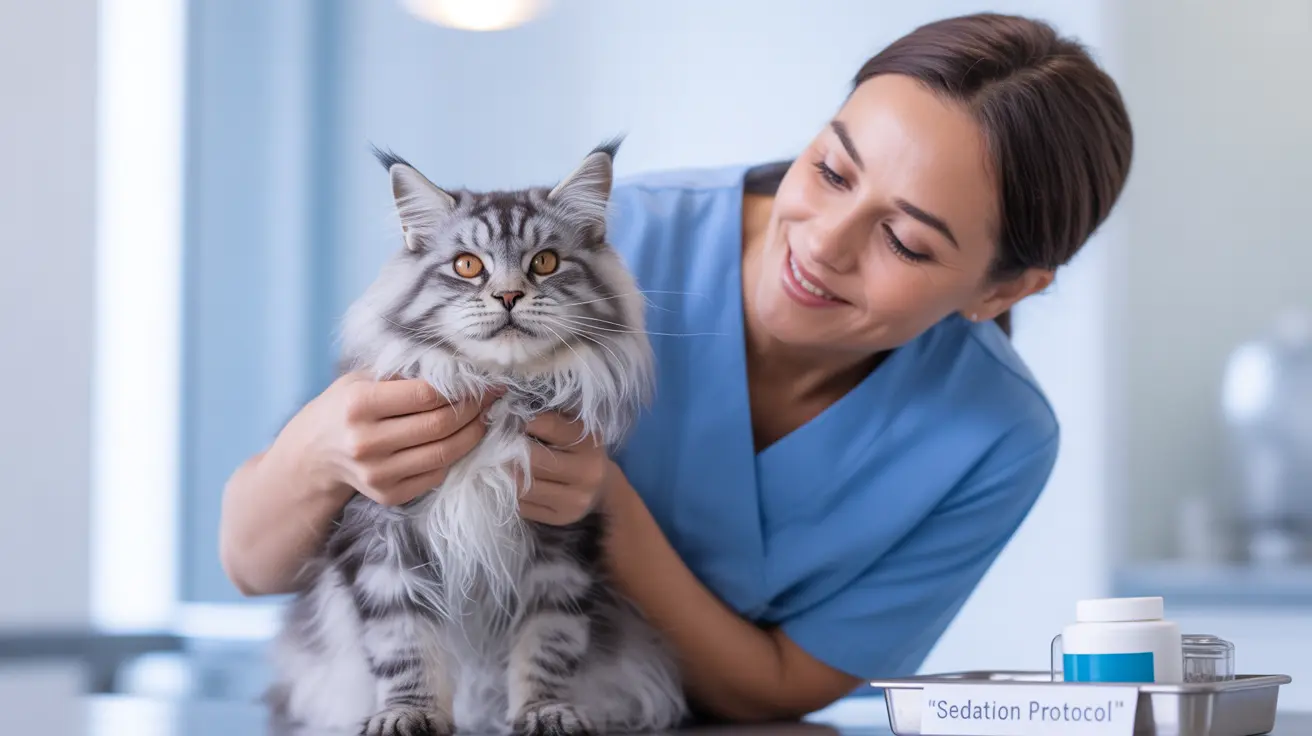
Grooming your cat at home can be a challenge, especially if your furry friend is restless or scared. You want to keep your cat calm and safe while trimming nails or cleaning fur, but how can you do that without stress for both of you?
Knowing how to sedate your cat safely for home grooming can make the process smoother and less stressful. You’ll discover simple, effective methods to help your cat relax, so grooming becomes easier and more comfortable. Keep reading to learn how you can make home grooming a peaceful experience for you and your cat.
Reasons To Sedate Cats For Grooming
Grooming a cat at home can be challenging. Some cats resist brushing, trimming, or bathing. Sedation helps calm these cats. It ensures grooming is safe and less stressful. Understanding why sedation is needed helps pet owners make better choices.
Stress And Anxiety In Cats
Cats often feel scared during grooming. Strange tools and noises increase their fear. Some cats hide or try to escape. Stress can cause aggressive behavior. Sedation helps keep cats calm and relaxed. It reduces anxiety and makes grooming easier.
Safety Concerns During Grooming
Grooming involves sharp tools like scissors and clippers. A scared cat may scratch or bite. This can hurt both the cat and owner. Sedation lowers the risk of injury. It allows careful and safe grooming without sudden movements.
When Sedation Becomes Necessary
Some cats are very difficult to groom. Long hair mats, skin problems, or medical conditions may require sedation. Cats with past grooming trauma may need it too. Sedation is a last option for safe and stress-free grooming. Always consult a vet before sedating your cat.

Credit: meowcove.com
Choosing The Right Sedative
Choosing the right sedative for your cat is crucial for safe and stress-free grooming. Sedatives help calm your pet and reduce anxiety during grooming sessions. Using the wrong sedative or dosage can cause harm or ineffective sedation. Understanding the types, proper dosage, and the need for veterinary advice ensures your cat stays safe and comfortable.
Types Of Sedatives For Cats
There are several types of sedatives commonly used for cats at home:
- Prescription sedatives:These include drugs like Acepromazine and Diazepam, which calm cats effectively.
- Natural sedatives:Herbal remedies such as valerian root or chamomile offer mild relaxation.
- Over-the-counter options:Some calming supplements contain ingredients like L-theanine or melatonin.
Each type works differently and suits different cats and situations.
Dosage Guidelines
Proper dosage depends on your cat’s weight, health, and age. Always follow instructions closely. Overdosing can cause serious side effects. Underdosing may not calm your cat enough. Use a precise scale to measure your cat’s weight for accurate dosing. Never guess or double the dose to speed sedation. Keep a close watch after administering the sedative.
Consulting A Veterinarian
Consult a veterinarian before using any sedative. They know your cat’s health history and can recommend the safest option. A vet can prescribe the right medication and dosage. They can also advise on any risks or side effects. Never give human medications to cats without vet approval. A professional’s guidance protects your cat’s well-being during grooming.
Preparing Your Cat For Sedation
Calm your cat by creating a quiet, safe space before sedation. Gently handle your pet to reduce stress and follow vet instructions carefully.
Preparing your cat for sedation is a crucial step in ensuring a smooth and stress-free grooming session at home. Cats can be quite sensitive to changes in their environment, so setting the stage before sedation is key. By focusing on fasting requirements, creating a calm environment, and gathering the necessary grooming supplies, you can help your feline friend feel at ease and ready for their grooming experience.Fasting Requirements
Before sedating your cat, it’s important to consider their fasting needs. Typically, a vet may recommend withholding food for about 8 to 12 hours before sedation. This helps reduce the risk of nausea and vomiting during the process. Water, however, is usually allowed up until a few hours before sedation. Always check with your veterinarian for specific guidelines tailored to your cat’s health and age.Creating A Calm Environment
Creating a calm environment is vital for reducing your cat’s anxiety. Choose a quiet room where your cat feels safe and comfortable. Consider using calming aids like pheromone diffusers or sprays. These can help soothe your cat’s nerves and make the environment more inviting. Remember, your cat can sense your mood, so stay calm and patient. Gentle petting and soft talking can reassure them.Gathering Grooming Supplies
Having all your grooming supplies ready beforehand is essential. Items like brushes, nail clippers, and a gentle cat shampoo should be within arm’s reach. Lay everything out on a clean towel or table to avoid scrambling for supplies mid-grooming. Consider using rewards like treats to create positive associations with grooming tools. This can make future sessions easier and more pleasant for both you and your cat.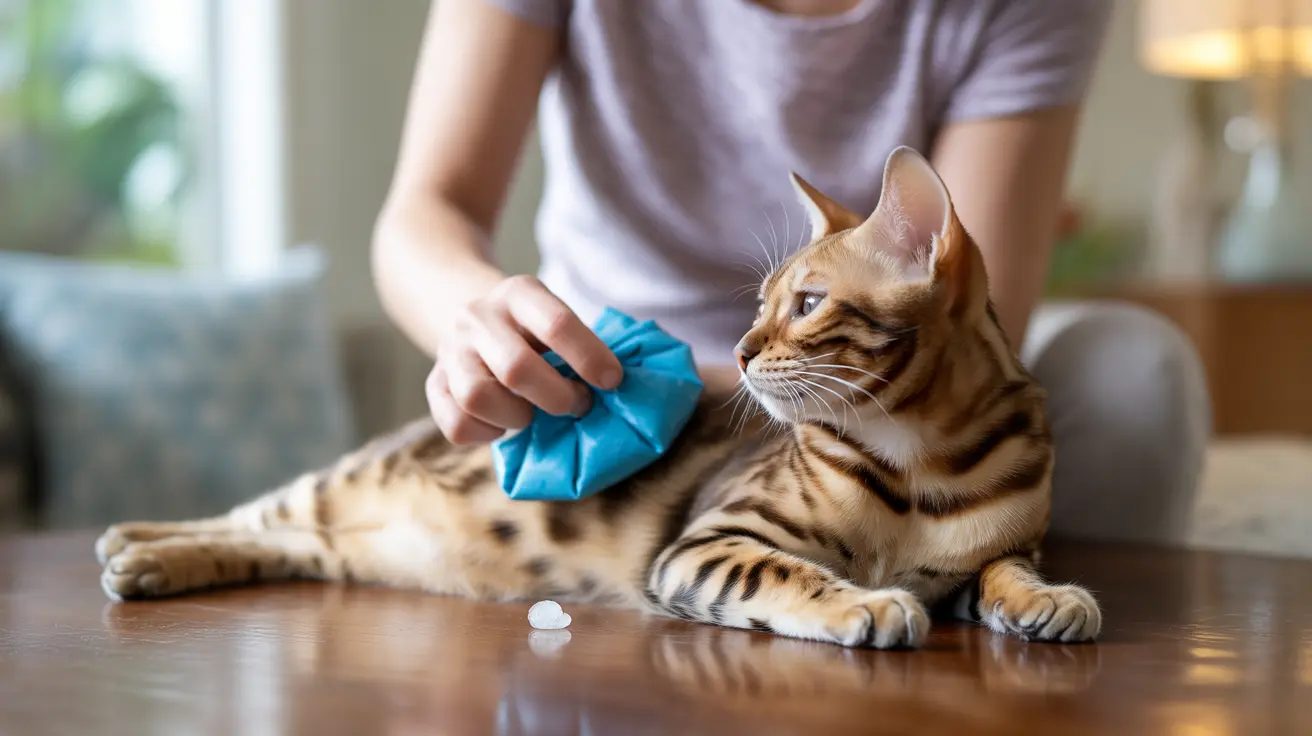
Credit: www.petscare.com
Administering Sedatives Safely
Administering sedatives to your cat for home grooming requires caution and precision. The goal is to keep your cat calm without causing harm or unnecessary stress. Understanding how to safely give sedatives and recognize your cat’s reactions can make grooming smoother and safer for both of you.
Methods Of Administration
Sedatives can be given in several ways, depending on your cat’s temperament and the medication prescribed. Oral tablets or liquids are common and usually the easiest to administer if your cat tolerates pills or flavored syrups.
If your cat resists oral meds, you might consider transdermal gels applied to the inner ear, which absorb through the skin. Another option is injectable sedatives, but these should only be given by a veterinarian or under their guidance.
- Oral tablets or liquid – easiest for cooperative cats
- Transdermal gels – good for cats that dislike pills
- Injectable sedatives – require professional administration
Monitoring Your Cat’s Response
After giving the sedative, keep a close eye on your cat. Watch for signs of drowsiness and decreased activity, which indicate the sedative is working. Make sure your cat is in a safe, quiet space to avoid injury or stress.
Check your cat’s breathing and heart rate regularly. If your cat seems overly sedated or unresponsive, it’s critical to contact your vet immediately. Have water available but don’t force your cat to drink.
Signs Of Adverse Reactions
Not all cats react the same to sedatives, so be alert for any unusual symptoms. Look out for vomiting, diarrhea, excessive drooling, or difficulty breathing. These can signal an adverse reaction that needs prompt veterinary attention.
Also, if your cat becomes hyperactive, disoriented, or aggressive instead of calm, stop the sedative use and seek advice. Your cat’s safety must always come first—never hesitate to ask your vet questions about what you observe.
Grooming Techniques For Sedated Cats
Grooming sedated cats requires care and attention. Sedation helps calm your cat, but delicate handling remains vital. Knowing the right techniques keeps your cat safe and comfortable. Proper tools and gentle motions make grooming easier and more effective.
Handling Sedated Cats Gently
Keep your touch soft and slow. Sudden moves can startle a sedated cat. Support the cat’s body fully, especially the head and neck. Use a soft towel to wrap the cat if needed. This prevents accidental falls or injuries. Watch the cat’s breathing and comfort closely throughout.
Effective Grooming Tools
Choose tools that work well with sedated cats. Use a slicker brush for mats and loose fur. A comb with rounded tips helps avoid skin scratches. Small scissors with rounded tips are good for trimming fur carefully. Avoid electric clippers unless your cat is very calm. Keep all tools clean and sharp for smooth grooming.
Avoiding Injury During Grooming
Work slowly to avoid cutting skin or fur too close. Check the cat’s skin for wounds or irritation before grooming. Trim nails carefully to prevent scratches. Avoid pulling mats harshly, which can hurt the cat. Stop grooming if the cat shows any sign of distress. Have a vet’s number ready just in case.
Aftercare And Recovery
After sedating your cat for home grooming, proper aftercare and recovery is vital. This phase helps your cat wake up safely and comfortably. Monitoring behavior, providing comfort, and knowing when to seek help are key steps. Careful attention during recovery ensures your cat stays healthy and calm.
Monitoring Post-sedation Behavior
Watch your cat closely as it wakes up from sedation. Look for signs like unusual sleepiness, disorientation, or trouble walking. Mild grogginess is normal, but sudden aggression or weakness is not. Keep your cat in a quiet, safe space during this time. Avoid loud noises or sudden movements that might stress your pet.
Providing Comfort And Hydration
Offer a soft bed or blanket for your cat to rest on. Keep the room warm and calm. Encourage gentle drinking by placing a shallow dish of fresh water nearby. Do not force your cat to drink or eat until fully awake. Small sips of water help prevent dehydration and aid recovery.
When To Contact A Veterinarian
Call your vet if your cat shows any of these signs:
- Severe vomiting or diarrhea
- Difficulty breathing or persistent coughing
- Continuous shaking or seizures
- Unresponsiveness or extreme lethargy
- Bleeding or unusual swelling
Early veterinary care can prevent complications and protect your cat’s health.
Alternatives To Sedation
Sedating a cat for home grooming is not always the best choice. Many cats feel stressed or scared around sedatives. There are safer and gentler alternatives to help your cat stay calm during grooming. These options focus on comfort and trust.
Behavioral Training Tips
Training your cat can make grooming easier without sedation. Start by handling your cat’s paws and fur daily. Use soft, gentle strokes to get your cat used to touch. Reward your cat with treats and praise to create positive feelings. Short, calm sessions work better than long ones. Patience and consistency build trust over time.
Using Calming Sprays And Diffusers
Calming sprays and diffusers release natural scents that soothe cats. These products often contain pheromones that mimic a cat’s comfort signals. Spray the grooming area or use a diffuser nearby before starting. The scents help reduce anxiety and promote relaxation. Always choose products made specifically for cats and follow instructions carefully.
Professional Grooming Services
Professional groomers have experience with nervous cats. They use gentle techniques and calming tools to keep cats relaxed. Groomers may offer quiet, low-stress environments to help cats feel safe. Scheduling regular grooming appointments can reduce the need for sedation. Professionals can also advise on the best care for your cat’s coat and skin.

Credit: www.reddit.com
Frequently Asked Questions
How Can I Safely Sedate My Cat For Grooming?
Consult your vet before sedating your cat. Use only vet-approved sedatives. Avoid over-the-counter medications. Follow dosage instructions precisely to ensure safety during grooming.
What Are Natural Ways To Calm A Cat For Grooming?
Use calming sprays or diffusers with pheromones. Play soothing music and create a quiet environment. Offer treats and gentle petting to reduce stress naturally.
When Should I Avoid Sedating My Cat At Home?
Avoid sedation if your cat is very young, old, or sick. Consult your vet if your cat has health issues or takes other medications.
Are There Risks In Sedating Cats For Home Grooming?
Yes, sedation can cause side effects like drowsiness or breathing issues. Always use vet-recommended drugs and monitor your cat closely during grooming.
Conclusion
Sedating a cat for grooming at home needs care and patience. Always talk with your vet before giving any medicine. Use safe products and follow the right steps to keep your cat calm. Watch your cat’s behavior during grooming to avoid stress or harm.
Gentle handling helps your cat feel more comfortable. Taking these precautions makes grooming easier for both you and your pet. Remember, your cat’s safety and comfort come first every time.

Leave a Reply