Grooming your cat at home can be a challenge, especially when it comes to keeping them calm and still. You might worry about hurting your furry friend or getting scratched in the process.
But what if you could learn simple, safe ways to gently restrain your cat yourself? In this guide, you’ll discover easy techniques that make grooming less stressful for both you and your cat. Keep reading, and you’ll gain the confidence to handle grooming sessions smoothly—turning a tough task into a bonding moment.
Prepare The Grooming Area
Preparing the grooming area is crucial to make the process smoother for both you and your cat. Setting up the right environment helps reduce stress and keeps your feline friend calm. It also ensures you have everything within reach, so you don’t have to leave your cat unattended during grooming.
Choose A Quiet Space
Pick a room or corner in your home where noise is minimal. Loud sounds or sudden movements can startle your cat and make grooming a challenge. A quiet space helps your cat feel safe and less anxious.
Think about areas with natural light and good ventilation. Avoid busy spots like the kitchen or living room during peak activity hours.
Gather Necessary Tools
Having all your grooming tools ready before you start can save time and prevent interruptions. Common tools include a brush or comb suited to your cat’s fur type, nail clippers, and pet-safe wipes.
Consider placing everything on a small table or tray nearby. This way, you won’t have to leave your cat alone to search for items.
- Brush or comb
- Nail clippers
- Pet wipes or damp cloth
- Towel for wrapping
- Treats for rewarding your cat
Set Up A Comfortable Spot
Choose a soft surface where your cat can sit or lie down comfortably. A cushioned mat or folded towel works well to keep your cat steady and cozy.
Make sure the area is secure and free from anything that might distract or scare your cat. I once used a familiar blanket, and it made a huge difference in keeping my cat calm during grooming.
Would your cat prefer sitting on your lap or a small table? Experiment to see what helps your cat relax the most.
Get Your Cat Ready
Preparing your cat before grooming helps reduce stress and makes the process smoother. A calm cat is easier to handle and less likely to resist. Spend time getting your cat ready to ensure a safe and gentle grooming session.
Calm Your Cat
Start by creating a quiet, comfortable space. Speak softly and move slowly around your cat. Gently pet your cat to help them relax. Avoid sudden movements or loud noises that can scare them. A calm cat stays still and cooperates better.
Use Treats And Toys
Distract your cat with favorite toys or treats. Use treats as rewards to encourage good behavior. Toys can keep their attention away from grooming tools. This makes grooming feel like a positive experience. Small, soft treats work best for quick rewards.
Trim Nails First
Trim your cat’s nails before grooming. Short nails reduce the risk of scratches. Use proper cat nail clippers and be gentle. Hold your cat securely but without squeezing. If your cat is nervous, trim a few nails at a time.
Safe Restraint Techniques
Safe restraint techniques help keep your cat calm during grooming. Proper restraint protects both you and your cat from injury. Use gentle but firm methods to hold your cat securely. Avoid causing fear or discomfort. These tips make grooming easier and safer for both of you.
Use A Towel Wrap
A towel wrap helps control your cat’s movements gently. Lay a soft towel flat and place your cat in the center. Wrap the towel snugly around the body, leaving the head exposed. This limits struggling and protects your hands from scratches. The towel also makes your cat feel safe and secure.
Hold The Cat Securely
Support your cat’s body firmly but gently. Use one hand to hold the chest or shoulders. Use the other hand to steady the hips or back legs. Keep your cat close to your body to prevent sudden movements. Maintain a calm voice and slow movements to reduce anxiety.
Avoid Stressful Positions
Keep your cat in natural and comfortable positions. Avoid forcing your cat into awkward poses or tight holds. Do not lift your cat by the scruff or legs. Stressful positions increase fear and resistance. Instead, find ways to keep your cat relaxed and steady during grooming.
Grooming Steps
Grooming a cat at home needs patience and gentle care. It helps keep your cat clean and healthy. Follow these steps to make grooming easier and safer for both of you. Calm your cat first by speaking softly and using slow movements. Prepare all grooming tools before starting. Work in a quiet place with good light.
Brushing The Fur
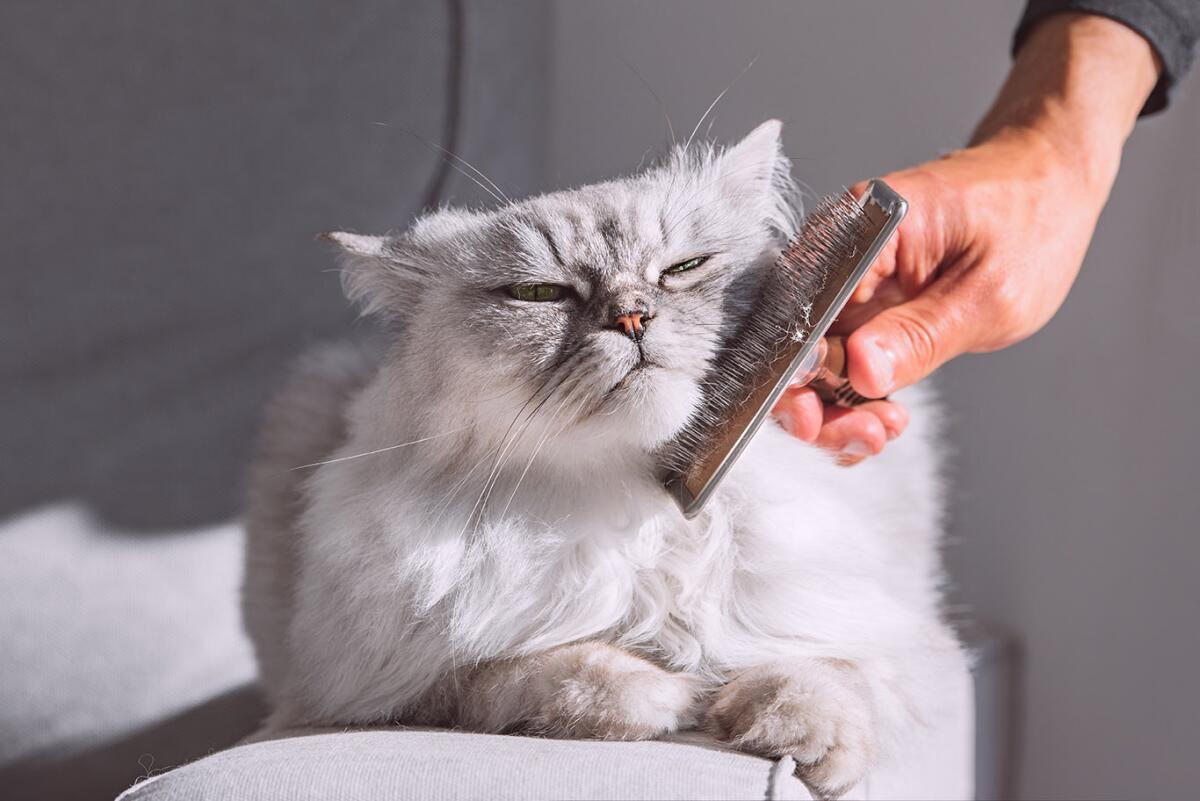
Start by brushing your cat’s fur to remove loose hair and dirt. Use a brush suited for your cat’s fur type. Hold your cat gently but firmly. Brush in the direction of hair growth. Use short, light strokes to avoid hurting your cat. Pay attention to areas where mats or tangles form. Stop if your cat shows signs of stress.
Cleaning Ears And Eyes
Check your cat’s ears and eyes for dirt or discharge. Use a soft, damp cloth or cotton ball for cleaning. Wipe the outer ear gently without pushing inside. Clean around the eyes carefully to remove crust or tears. Avoid using harsh chemicals or cotton swabs inside the ear canal. If you notice redness or bad smell, consult a vet.
Bathing Tips
Bathing is not always needed but can help in some cases. Use lukewarm water and a cat-friendly shampoo. Place a rubber mat in the sink or tub to prevent slipping. Wet your cat slowly, avoiding the head area. Apply shampoo gently and rinse thoroughly with warm water. Dry your cat with a soft towel. Keep your cat warm until fully dry. Speak calmly to reduce anxiety during the bath.
Handling Difficult Situations
Keeping calm helps control a cat during grooming. Gently hold your cat to prevent sudden moves. Use soft, steady touches to keep your pet relaxed.
Handling a cat during grooming can sometimes feel like a high-stakes mission, especially when dealing with a feisty feline. Cats are known for their independent nature, and some may not take kindly to grooming. However, with patience and the right approach, you can navigate these challenging situations.Dealing With Scratching
Cats often scratch when they’re scared or uncomfortable. Ensure your cat feels secure by wrapping them in a soft towel, leaving only their head exposed. This gentle restraint limits their movement and reduces the risk of scratches. Keep your own safety in mind by using protective gloves if necessary. Remember, your calm demeanor can help soothe your cat, so speak in a gentle voice. How do you handle a cat that seems to have a perpetual need to scratch?When To Take Breaks
Pay attention to your cat’s behavior during grooming sessions. If they seem agitated or overly stressed, it might be time to pause. A short break can do wonders for both you and your cat, providing a moment to regroup and relax. Breaks are especially important if your cat has a history of becoming aggressive during grooming. Don’t hesitate to spread the grooming over a few days if needed. How long is too long to keep a cat in a grooming session?Signs Of Stress To Watch
Cats exhibit stress in various ways, such as excessive meowing, panting, or attempting to escape. Watch for these signs, as they indicate your cat is not comfortable. Addressing stress early can prevent the situation from escalating. Another sign to watch for is a sudden change in your cat’s body language, such as a twitching tail or flattened ears. These subtle cues can help you adjust your approach. Can you identify the early signs of stress in your cat before it becomes overwhelming?Aftercare And Rewards
After you’ve successfully groomed your cat, the way you handle the aftercare and rewards can shape how your furry friend feels about future grooming sessions. Positive reinforcement and careful attention to your cat’s skin and coat health make a big difference. Let’s look at how you can keep your cat comfortable and happy right after grooming.
Praise And Treats
Immediately after grooming, speak softly and calmly to your cat. Use gentle words and strokes to show you appreciate their cooperation.
Offering a favorite treat can create a strong positive link with grooming time. I noticed that my cat relaxed faster once I paired grooming with a small piece of cooked chicken or a special cat treat.
Think about what motivates your cat most—food, play, or cuddles—and use that as a reward. This encourages them to stay calm next time you groom.
Check For Skin Issues
Grooming is a perfect moment to check your cat’s skin for any unusual signs. Look closely for redness, bumps, or dry patches that could indicate irritation or allergies.
If you find any cuts or sores, clean them gently with a pet-safe antiseptic. Monitor these areas over the next few days for healing or worsening symptoms.
Regularly checking your cat’s skin helps you catch problems early, preventing discomfort and costly vet visits. Have you ever discovered a skin issue during grooming that you didn’t notice before?
Maintain A Grooming Routine
Consistency is key for both you and your cat. Set a regular grooming schedule that fits your cat’s needs and your availability.
Shorter, frequent sessions often work better than long, occasional ones. This keeps your cat used to being handled and reduces stress.
Keep track of what works and what doesn’t. Over time, you’ll find the perfect balance that keeps your cat’s coat healthy and their attitude positive toward grooming.
Frequently Asked Questions
How Do I Safely Hold A Cat For Grooming?
Gently wrap your cat in a towel to limit movement. Support its body firmly but softly. Avoid sudden movements to keep your cat calm and safe during grooming.
What Tools Help Restrain A Cat During Grooming?
Use a grooming glove, towel, or soft cat harness. These tools provide gentle control without causing stress. Choose tools that match your cat’s size and temperament for effective restraint.
How Can I Calm A Nervous Cat Before Grooming?
Speak softly and offer treats before grooming. Create a quiet environment with minimal distractions. Patience and gentle handling help reduce anxiety and make grooming easier.
When Should I Stop Restraining My Cat?
Stop if your cat shows signs of distress like hissing or clawing. Take breaks to avoid stress buildup. Resume only when your cat is calmer and relaxed.
Conclusion
Grooming your cat at home can build trust and keep them healthy. Stay calm and gentle to avoid stress for both of you. Use soft touches and speak in a quiet voice. Keep sessions short and take breaks if needed.
Practice makes the process easier over time. Always watch your cat’s reactions and adjust accordingly. Safe grooming helps your cat look and feel their best. You can do this with patience and care.

Leave a Reply