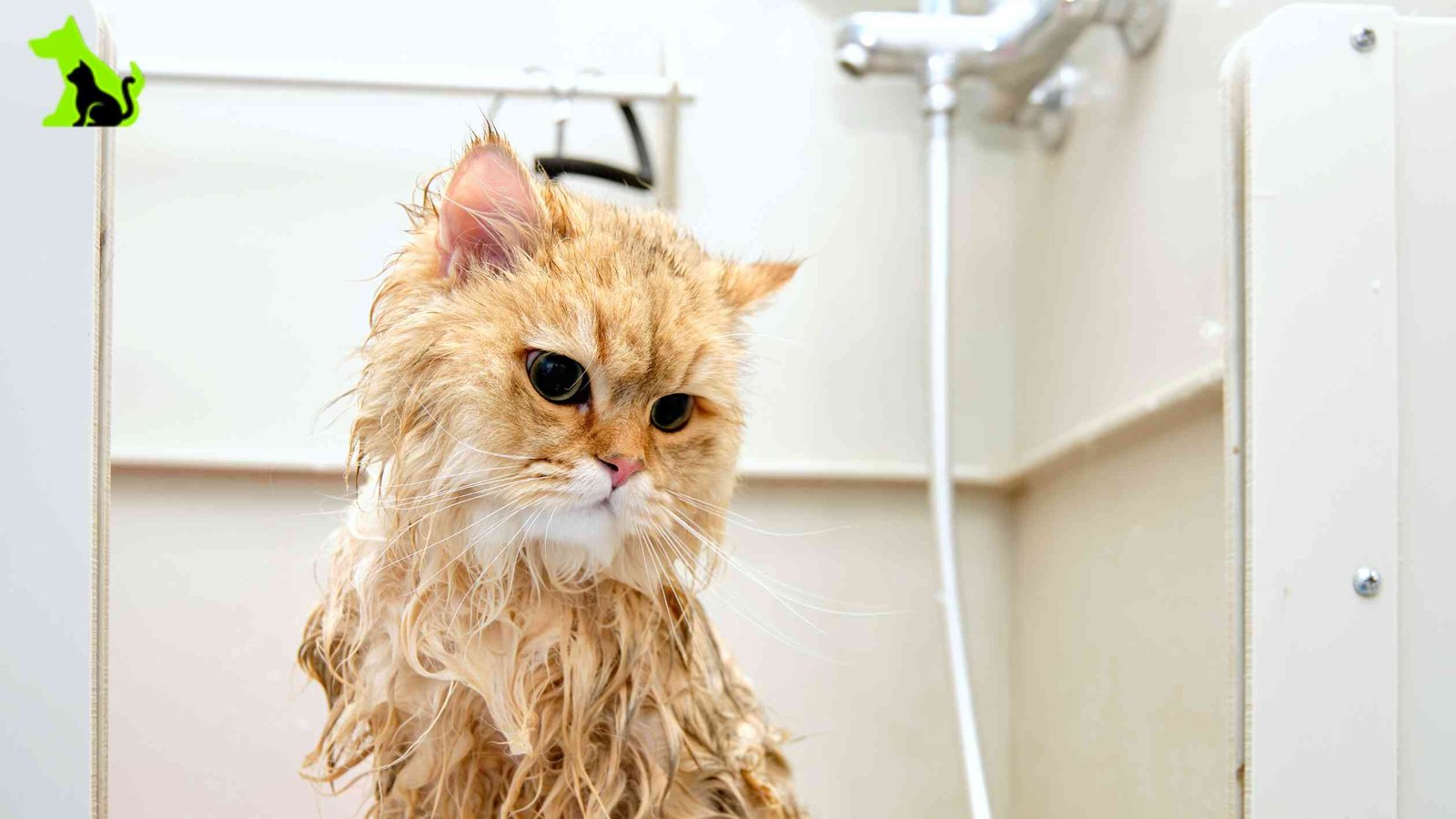
Grooming your cat can be a challenge if your furry friend feels stressed or scared. You want your cat to look and feel great, but how do you make the process calm and easy?
Relaxing your cat before and during grooming is the key to success. You’ll discover simple, effective ways to help your cat stay calm and comfortable. By following these tips, you’ll turn grooming time into a peaceful experience for both you and your pet.
Keep reading to learn how to make grooming something your cat won’t dread.
Preparing Your Cat
Preparing your cat for grooming is key to a smooth experience. It helps reduce stress and makes your cat more comfortable. Taking time to prepare shows care and respect for your pet’s feelings. Start by understanding your cat’s mood and needs before grooming.
Choose The Right Time
Select a time when your cat feels calm and relaxed. Avoid grooming after meals or playtime when your cat is energetic. Early mornings or late evenings often work well. Watch for signs like purring or resting to find the best moment.
Create A Calm Environment
Set up a quiet, cozy space for grooming. Keep noise low and avoid sudden movements. Soft lighting helps your cat feel safe. You can play gentle music or use a pheromone diffuser to calm your cat further.
Gather Grooming Tools
Prepare all tools before starting to avoid interruptions. Basic tools include a brush, comb, nail clippers, and pet-safe wipes. Keep treats nearby for rewarding good behavior. Having everything ready helps the session run smoothly and calmly.

Credit: www.amazon.com
Gentle Handling Techniques
Gentle handling techniques are key to making grooming a calm and positive experience for your cat. Cats are sensitive creatures, and how you approach them can change their entire mood. Using patience and care can help your furry friend feel safe and more willing to cooperate.
Approach Slowly
Move towards your cat at a relaxed, unhurried pace. Sudden movements can startle them and increase anxiety. Try to catch their eye first, giving them a moment to acknowledge your presence before you reach out.
Have you noticed how your cat reacts differently when you rush versus when you move slowly? This small change can build trust and reduce stress during grooming.
Use Soft Touches
Keep your hands gentle and calm when touching your cat. Use light strokes rather than firm pressure to avoid making them feel trapped or uncomfortable. Focus on areas they enjoy being petted, like behind the ears or under the chin, to help them relax.
I found that using a soft brush with gentle strokes helped my cat stay calm much longer than a rough scrub ever did. What areas does your cat like to be touched?
Talk In Soothing Tones
Speak softly and calmly to your cat throughout the grooming process. Your voice can be a powerful tool to comfort and reassure them. Avoid loud or high-pitched sounds that might make your cat nervous.
Have you tried using a quiet, steady voice to soothe your cat during grooming? It often helps them associate the experience with positive feelings rather than stress.
Using Treats And Rewards
Using treats and rewards can turn grooming sessions into a positive experience for your cat. This approach helps your feline associate grooming with something enjoyable, making them more cooperative over time. Let’s look at how you can make the most of treats during grooming.
Select Favorite Snacks
Not all treats are created equal in your cat’s eyes. Pay attention to what your cat truly loves—whether it’s small pieces of cooked chicken, tuna flakes, or special cat treats from the store. Picking the right snack can make a big difference in keeping your cat interested and motivated.
Try offering a few different options before grooming to see which one grabs their attention the most. Have you noticed your cat’s eyes light up for certain flavors? That’s your go-to reward.
Timing The Rewards
Rewarding your cat at the right moment is key. Give a treat immediately after a calm behavior or once a grooming step is completed successfully. This helps your cat connect the reward with the action you want to encourage.
For example, after brushing a patch without resistance, pause and offer a small treat. If you wait too long, the connection might be lost, and your cat won’t understand why they’re being rewarded.
Positive Reinforcement
Using treats as positive reinforcement teaches your cat that grooming isn’t something to fear. Combine treats with gentle praise and soft petting to build trust. Have you noticed how your cat responds to a calm voice paired with a tasty snack?
Keep the sessions short and sweet, rewarding progress instead of perfection. Over time, your cat will look forward to grooming moments rather than dreading them.
Familiarizing Your Cat With Grooming
Gently introduce grooming tools and let your cat explore them at its own pace. Calm voices and soft strokes help build trust during grooming sessions. Short, quiet moments make your cat feel safe and relaxed.
Familiarizing your cat with grooming is an essential step toward ensuring a stress-free experience for both you and your feline friend. Cats are creatures of habit, and introducing them to a new routine like grooming can be daunting. However, with patience and the right approach, you can make this process smooth and even enjoyable for your cat.Introduce Tools Gradually
Start by allowing your cat to explore the grooming tools. Place them in a common area where your cat can sniff and inspect them at their own pace. This helps reduce fear of the unknown. Consider using treats to create a positive association. For example, every time your cat approaches the brush, reward them with a small treat. This can help them see grooming tools as a source of positive experiences.Short Grooming Sessions
Begin with brief grooming sessions. Just a couple of minutes at first. This helps your cat adjust without feeling overwhelmed. Focus on areas your cat enjoys being touched. Some cats love chin scratches or gentle back rubs. Use these spots to start the grooming process. Watch your cat’s body language. If they seem uncomfortable, it’s okay to stop and try again later. The goal is to build trust and comfort over time.Increase Duration Over Time
Gradually increase the length of your grooming sessions. Add a minute or two each time, as your cat becomes more comfortable. Consistency is key. Try to make grooming a regular part of your routine. This helps your cat understand that grooming is a normal activity. Celebrate small victories. Notice when your cat becomes more relaxed during grooming. This is a sign of progress and a step closer to stress-free grooming sessions. Have you ever thought about how your cat perceives grooming? By taking these steps, you’re not only grooming your cat but also strengthening your bond.Calming Products And Aids
Helping your cat stay calm during grooming can make the experience smoother for both of you. Calming products and aids offer gentle support to reduce stress and anxiety. These tools work well alongside your patience and gentle handling, creating a more relaxed environment for your furry friend.
Cat Pheromone Sprays
Cat pheromone sprays mimic the natural comforting scents cats produce. Spraying the grooming area or your hands before you begin can help your cat feel safer. I once used a pheromone spray on my stressed cat, and she went from tense to curious in minutes.
These sprays are easy to use and non-invasive. Try applying a few sprays around the grooming spot and observe how your cat reacts before starting. Have you noticed how scents can change your own mood? Cats respond to these subtle cues too.
Calming Collars
Calming collars release pheromones continuously, helping reduce anxiety throughout the day. They’re especially useful if your cat hates being confined or if grooming sessions happen irregularly. I found that wearing a collar for a few days before grooming helped my cat stay composed.
Look for collars that fit comfortably and check for any skin irritation. Collars can be a great complement to other calming techniques, offering steady support. Could a collar be the simple change your cat needs for easier grooming?
Natural Supplements
Natural supplements like valerian root, chamomile, or L-theanine can promote relaxation in cats. These supplements come in treats, liquids, or powders you can add to food. I once tried a calming treat with L-theanine, and the difference in my cat’s behavior was clear within an hour.
Always consult your vet before starting supplements to ensure safety and proper dosage. Supplements work best when part of a wider calming strategy, not as a standalone fix. What natural remedies have you tried to help your cat stay calm?

Credit: smart.dhgate.com
Dealing With Anxious Behavior
Grooming can be a stressful experience for many cats, especially those prone to anxiety. Understanding how to manage your cat’s anxious behavior during grooming sessions is key to making the process smoother and more comfortable for both of you. Let’s look at how you can spot stress early, know when to pause, and decide if professional help is needed.
Recognizing Stress Signs
Your cat can’t tell you when it’s uncomfortable, but its body language speaks volumes. Watch for signs like:
- Flattened ears or wide eyes
- Rapid tail flicking or twitching
- Hissing, growling, or sudden attempts to escape
- Tense muscles or trembling
Noticing these signs early helps you avoid pushing your cat beyond its limits. Have you ever felt tension building during grooming without realizing why? Recognizing these cues can change that.
Taking Breaks
If your cat shows stress signs, pause the grooming session immediately. Short breaks let your cat calm down and associate grooming with less pressure. Try petting or talking softly during these pauses to reassure your cat.
Breaking the task into small steps can prevent overwhelm. For example, groom one paw at a time instead of trying to do everything at once. Have you tried turning grooming into a series of mini sessions instead of a marathon?
When To Seek Professional Help
Sometimes, anxiety during grooming is too much to handle on your own. If your cat consistently becomes aggressive or fearful, it might be time to consult a professional groomer or a veterinarian. Professionals have tools and experience to handle anxious cats safely.
They can also advise you on calming products or behavior techniques tailored to your cat’s needs. Could a fresh perspective from an expert make grooming a less stressful experience for your furry friend?
Post-grooming Care
After grooming your cat, the care you provide can make a big difference in how they feel about the experience. Post-grooming moments are key to reinforcing positive feelings and ensuring your cat stays healthy and comfortable. Paying attention to their needs right after grooming helps build trust and keeps their coat and skin in great shape.
Praise And Cuddle Time
Right after grooming, your cat needs to know they did a good job. Use a gentle voice to praise them and offer lots of cuddles or petting. This reassures your cat that grooming is a positive experience and not something to fear.
Try to identify what your cat enjoys most—whether it’s a specific spot to scratch or a soft blanket to relax on—and use that as your cuddle spot. This personal touch can turn grooming into a bonding moment, making your cat more cooperative next time.
Monitor For Skin Issues
After grooming, carefully check your cat’s skin for any signs of irritation, redness, or cuts. Grooming tools can sometimes cause minor scratches or leave the skin sensitive.
If you notice any unusual bumps, dryness, or excessive scratching, keep an eye on these areas. Prompt attention can prevent small problems from turning into bigger health concerns.
Maintain Regular Grooming Routine
Consistency is key to helping your cat get used to grooming. Set a regular schedule that fits your cat’s coat type and lifestyle—whether that’s weekly brushing or monthly baths.
Regular grooming keeps your cat comfortable, reduces hairballs, and strengthens your relationship. When grooming becomes part of your routine, your cat will likely feel calmer and more relaxed during each session.

Credit: www.amazon.com
Frequently Asked Questions
How Can I Calm My Cat Before Grooming?
Create a calm environment by speaking softly and offering treats. Use gentle petting and avoid sudden movements. Start grooming slowly to build trust and reduce stress.
What Grooming Tools Help Relax Cats?
Use soft-bristled brushes and combs designed for cats. Avoid noisy or harsh tools. Choose grooming items that your cat enjoys for a positive experience.
How Often Should I Groom My Cat To Reduce Anxiety?
Regular grooming, about once a week, helps cats stay comfortable. Consistency makes grooming familiar and less stressful over time. Adjust frequency based on your cat’s coat type.
Can Pheromone Sprays Help Relax My Cat During Grooming?
Yes, feline pheromone sprays mimic natural calming scents. They reduce anxiety and create a soothing atmosphere. Spray lightly before grooming to help your cat feel secure.
Conclusion
Relaxing your cat during grooming takes patience and gentle care. Speak softly and move slowly to keep your cat calm. Use treats and breaks to make grooming a positive time. Small steps help your cat trust the process more. Keep sessions short and stop if your cat feels stressed.
Over time, grooming will become easier for both of you. A calm cat means less struggle and a happier pet. Try these tips and enjoy grooming time together.




Leave a Reply