Grooming your cat can be a challenge, especially if your furry friend gets anxious or restless. You want to keep your cat clean and healthy, but the struggle to stay calm can make the process stressful for both of you.
What if you could turn grooming time into a peaceful, even enjoyable experience? You’ll discover simple, effective ways to help your cat relax during grooming. By following these easy tips, you’ll create a calm environment that makes grooming smoother and strengthens the bond between you and your pet.
Keep reading to learn how to make grooming stress-free for your cat—and for yourself.

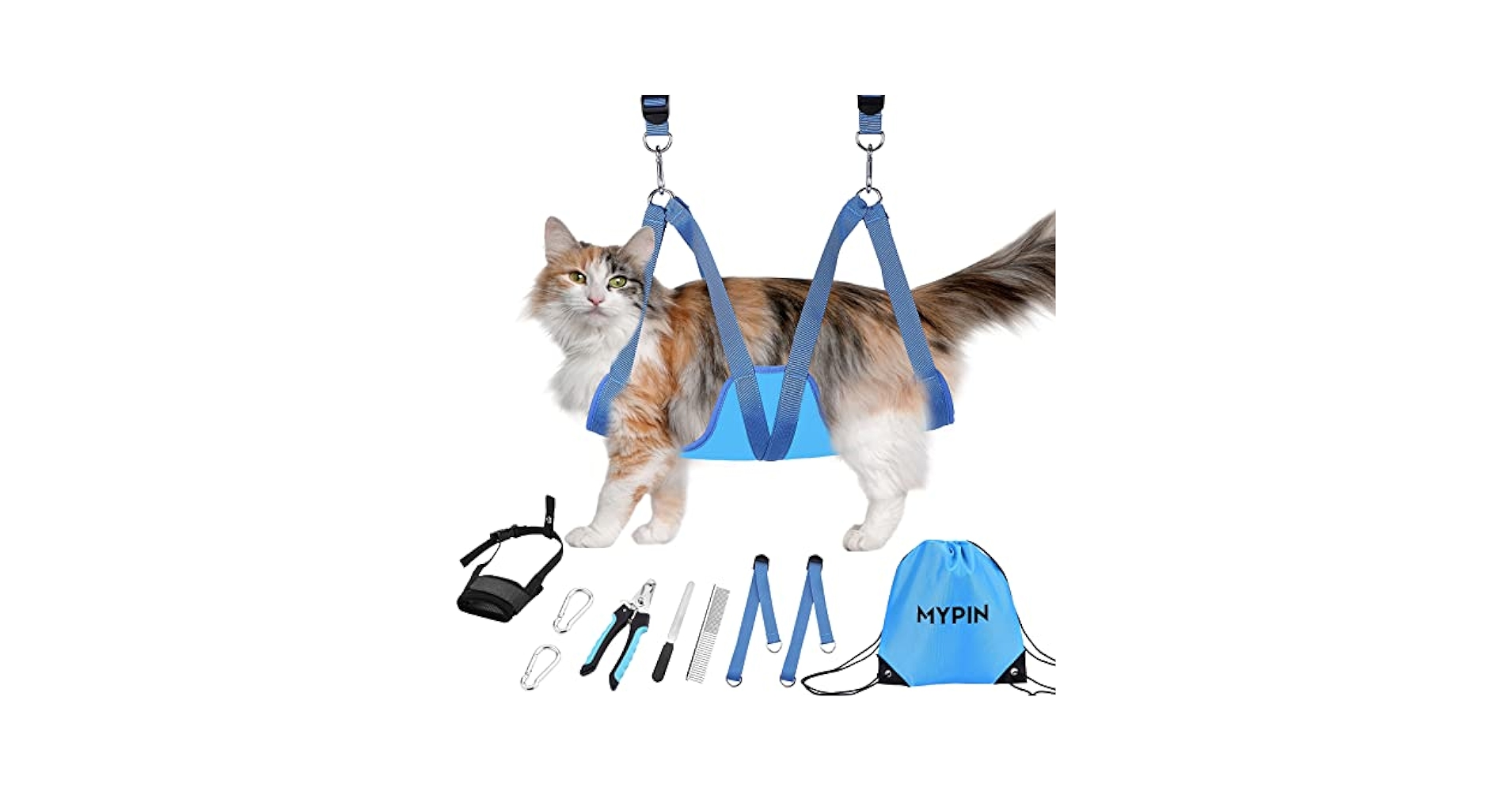
Credit: www.amazon.com
Prepare The Grooming Area
Preparing the grooming area helps your cat feel calm and safe. A well-set space reduces stress and makes grooming easier. Keep the area tidy and free from distractions. This creates a peaceful spot for your cat.
Choose A Quiet Space
Pick a room with little noise and few people. Avoid busy places like kitchens or living rooms. A quiet spot lets your cat focus and stay calm. Close doors and windows to block outside sounds.
Gather All Supplies
Collect brushes, combs, nail clippers, and towels before starting. Keep everything within reach to avoid leaving your cat alone. Having supplies ready saves time and keeps the process smooth.
Set Comfortable Temperature
Make sure the room is warm but not hot. Cats feel more relaxed in a cozy space. Avoid cold drafts or direct sunlight. A steady temperature helps your cat stay calm during grooming.
Familiarize Your Cat
Familiarizing your cat with grooming is a key step to keep them calm and cooperative. Cats can be wary of new experiences, so helping them get used to the sights, sounds, and sensations of grooming tools and touch can make a big difference. Taking time to gently introduce these elements helps build trust and reduces stress for both of you.
Introduce Tools Gradually
Start by letting your cat see and sniff the grooming tools without any pressure. Place brushes, combs, or nail clippers where your cat can explore them at their own pace.
You might even leave a tool near their favorite resting spot to build curiosity instead of fear. Have you noticed how your cat reacts when a new object enters their space? Use that reaction to guide your next steps.
Use Gentle Touch
Begin with soft strokes on areas your cat enjoys, like behind the ears or under the chin. Avoid sudden or rough movements, which can cause your cat to pull away or tense up.
Keep sessions short at first—just a few seconds of gentle petting—and gradually increase the time as your cat gets more comfortable. Think about how you feel when someone touches you unexpectedly; your cat feels the same way.
Create Positive Associations
Combine grooming with treats, praise, or play to make the experience enjoyable. For instance, offer a favorite snack immediately after brushing to connect grooming with something pleasant.
Consistency matters here. Try to groom at the same time and place, turning it into a routine your cat can predict and look forward to.
Calm Your Cat’s Mind
Calming your cat’s mind is key before you begin grooming. A relaxed cat is easier to handle and less stressed, which makes the grooming process smoother for both of you. Understanding how to soothe your cat mentally can transform grooming from a battle into a bonding moment.
Use Soothing Sounds
Gentle sounds can help create a peaceful environment for your cat. Try playing soft classical music or nature sounds like birds chirping or gentle rain. These sounds can distract your cat from the stress of grooming and help lower their anxiety.
Have you noticed how your cat reacts to different noises? Pay attention to their favorite sounds and use those during grooming sessions. It’s a simple way to keep their mind calm and focused away from the grooming tools.
Try Pheromone Sprays
Pheromone sprays mimic the natural comforting scents cats produce. Spraying a bit on your cat’s bedding or around the grooming area can signal safety and calmness. This subtle scent helps reduce nervousness and makes the cat feel more secure.
Make sure to choose products specifically designed for cats and follow the instructions carefully. Using pheromones consistently before each grooming session can build a positive association over time.
Offer Favorite Treats
Food is a powerful motivator for many cats. Offering your cat their favorite treats during grooming helps shift their focus from the discomfort to something positive. It also builds trust and encourages cooperation.
Keep treats small and easy to eat quickly so your cat stays engaged without becoming too distracted. What treats does your cat love most? Using those can make grooming feel less like a chore and more like a reward.
Effective Handling Techniques
Gently stroke your cat to build trust before grooming. Speak softly and move slowly to keep your cat calm. Use a comfortable space with familiar scents to help your cat relax.
Effective handling techniques can help ease your cat during grooming. Creating a calm environment is essential. The right approach can make the process smoother and more enjoyable for both of you.Hold Securely But Gently
Ensure your grip is firm yet soft. A secure hold prevents sudden movements. Gently supporting their body reduces anxiety. Speak softly to reassure them.Recognize Stress Signals
Watch for signs like flattened ears or twitching tails. These signals mean your cat feels stressed. Pause and give them space to relax. Understanding these signals builds trust.Take Breaks When Needed
Grooming sessions shouldn’t overwhelm your cat. Short breaks help maintain calmness. Use these moments to comfort them. Encourage relaxation before continuing. This approach ensures a positive experience.Grooming Tips For Different Coat Types
Understanding your cat’s coat type is key to making grooming a calm and positive experience. Each coat needs specific care to keep your cat comfortable and looking their best. Tailoring your grooming approach helps avoid stress and makes the process smoother for both of you.
Short Hair Care
Short-haired cats usually need less intense grooming but still benefit from regular brushing. Use a soft-bristle brush or grooming glove to remove loose fur and dirt gently. This keeps shedding under control and prevents hairballs.
Brushing a short-haired cat often becomes a bonding time, especially if you stroke slowly and speak softly. Have you noticed how your cat relaxes when you brush behind their ears? These small moments help them associate grooming with comfort.
Long Hair Care
Long-haired cats require more frequent grooming to prevent tangles and mats from forming. A wide-toothed comb followed by a slicker brush works well to detangle and smooth the coat. Pay special attention to areas like the belly, behind the ears, and under the legs.
Try to keep grooming sessions short but consistent to avoid overwhelming your cat. Have you tried breaking sessions into a few minutes spread throughout the day? This can help your cat stay calm and more cooperative.
Dealing With Mats And Tangles
Mats can be painful for your cat and tricky for you to handle. Start by gently separating the mat with your fingers before using a dematting comb or scissors designed for pet grooming. Never pull hard, as this can hurt your cat and make them wary of grooming.
If mats are severe, a professional groomer or vet visit might be necessary. Have you noticed your cat’s behavior change when mats are left untreated? Taking action early prevents discomfort and helps keep grooming stress-free.
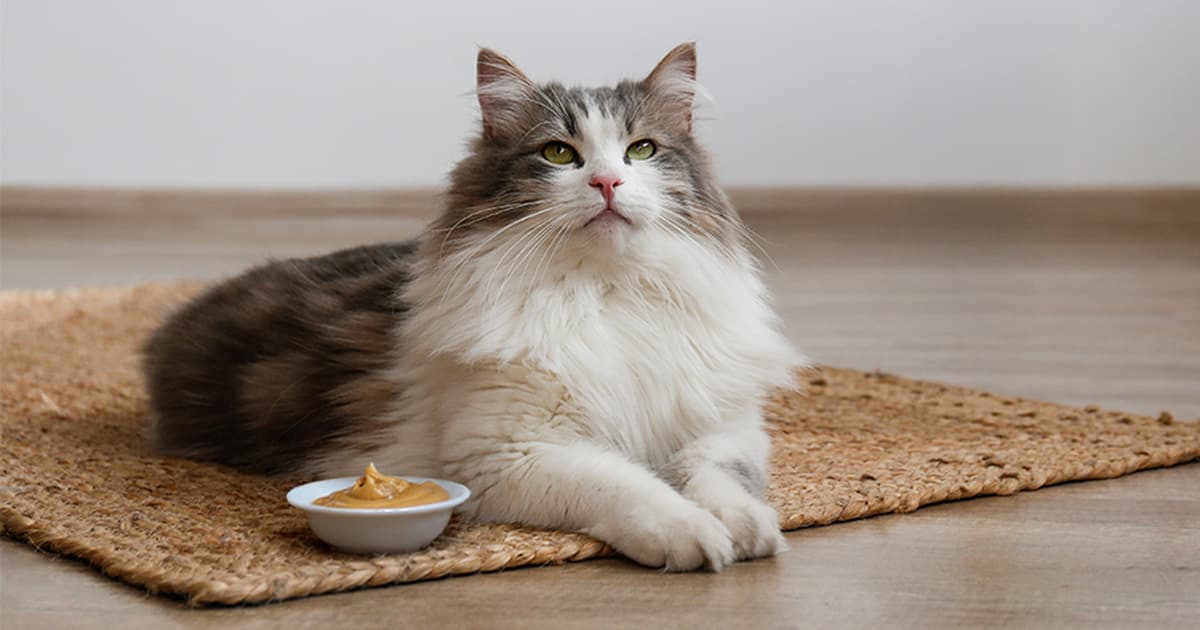
Credit: www.diamondpet.com
Post-grooming Comfort
After grooming, cats need gentle care to feel calm and safe. Post-grooming comfort helps your cat relax and enjoy the experience more next time. It also supports their health and well-being.
Provide Warmth And Rest
Offer a soft, warm place for your cat to rest after grooming. Cats love cozy spots where they can feel secure. Use a blanket or a heated pet bed to keep them comfortable. Quiet surroundings help your cat relax faster.
Reward With Playtime
Playtime is a great way to reward your cat after grooming. Use favorite toys for short, gentle sessions. Play helps release stress and builds positive associations. Keep play calm and fun, avoiding anything too rough.
Monitor For Skin Irritations
Check your cat’s skin carefully after grooming. Look for redness, bumps, or scratches. These signs may need a vet’s attention. Regular checks prevent small issues from becoming serious problems. Keep grooming tools clean to avoid irritation.

Credit: www.angiesmobilepetstyling.com
Frequently Asked Questions
How Can I Calm My Cat Before Grooming?
Create a quiet space and use gentle petting. Speak softly to your cat to reduce stress. Use treats to reward calm behavior. Avoid sudden movements and loud noises during grooming sessions.
What Grooming Tools Help Relax Cats?
Use soft-bristle brushes or grooming gloves for comfort. Avoid sharp or noisy tools that may scare your cat. Choose tools suitable for your cat’s fur type. Regular grooming helps cats get used to the process.
How Often Should I Groom My Cat To Reduce Anxiety?
Groom your cat regularly, ideally once a week. Consistent grooming helps your cat feel familiar with the routine. Frequent sessions prevent matting and reduce stress during grooming. Short, positive sessions are best for anxious cats.
Can Pheromone Sprays Help Relax Cats During Grooming?
Yes, pheromone sprays mimic natural calming scents. They can reduce anxiety and create a soothing environment. Spray the grooming area 15 minutes before starting. Always choose cat-safe pheromone products for best results.
Conclusion
Relaxing your cat during grooming helps make the process smoother. Gentle touch and calm voices work best. Short sessions keep your cat comfortable and stress-free. Offering treats rewards good behavior and builds trust. Patience is key; cats need time to adjust.
Regular grooming keeps your cat healthy and happy. Enjoy these moments to strengthen your bond. Small steps lead to big improvements over time. Keep calm, stay gentle, and watch your cat relax.


Leave a Reply