If you have a longhaired cat, you know how beautiful—and sometimes challenging—their fur can be. Proper grooming isn’t just about keeping your cat looking great; it’s essential for their health and happiness.
You might wonder how often to brush, which tools to use, or how to make grooming a stress-free experience for both of you. This guide will give you simple, practical tips that anyone can follow. By the end, you’ll feel confident in keeping your longhaired cat’s coat smooth, shiny, and tangle-free—making your bond even stronger.
Keep reading to discover easy ways to turn grooming into a calming routine you and your cat will enjoy.
Choosing The Right Tools
Choosing the right grooming tools for your longhaired cat can make all the difference in keeping their coat healthy and shiny. The right tools help reduce matting, remove loose fur, and keep your cat comfortable during grooming sessions. Have you ever struggled with a tool that just didn’t work well on your cat’s thick fur? The right equipment changes the entire experience for both of you.
Brushes And Combs For Long Hair
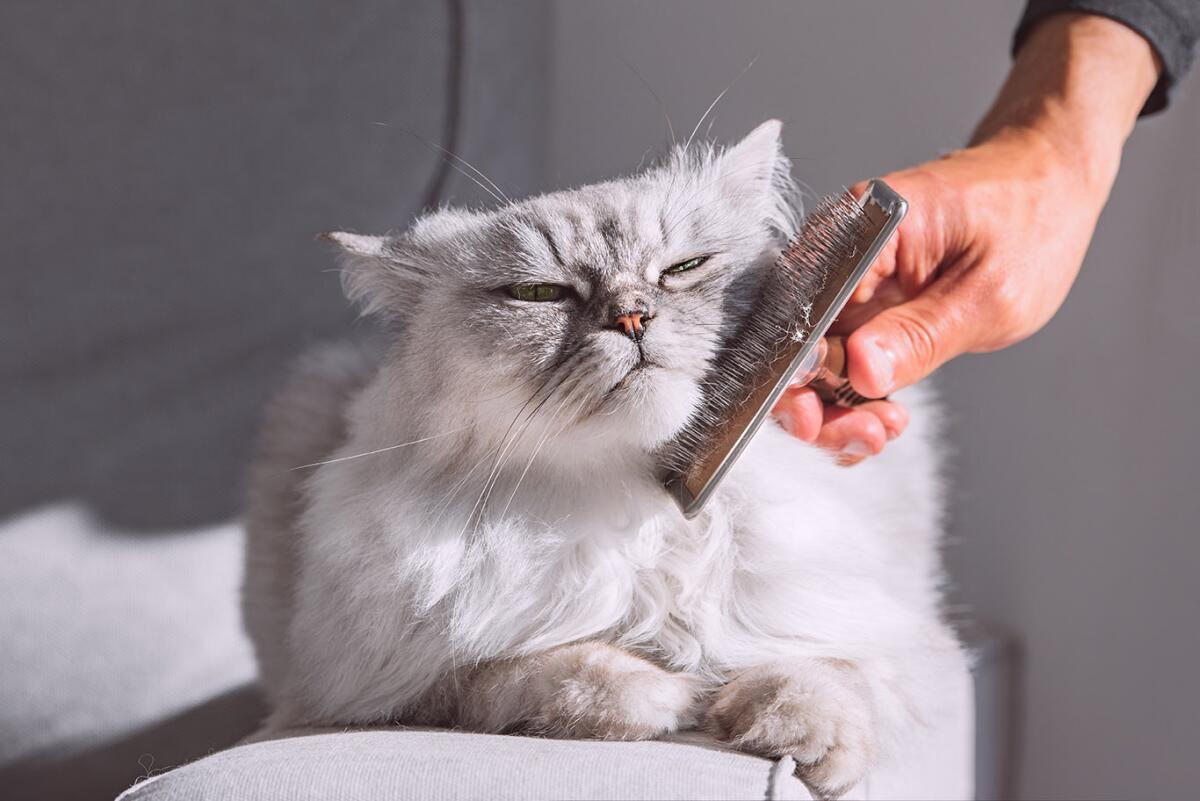
Longhaired cats need brushes that can reach through thick fur without hurting their skin. A slicker brush with fine wire bristles works well to remove loose hair and prevent tangles. You can also add a wide-toothed comb to your kit to carefully work through mats and knots.
Look for brushes with gentle, rounded tips to avoid scratching your cat. Some cats prefer a softer bristle brush, so try different types and see what your cat accepts best. Would your cat enjoy a brush that doubles as a massage tool? Many longhaired cats do.
Detanglers And Grooming Sprays
Detangling sprays help loosen knots and make brushing easier. Choose sprays made specifically for cats—they are safe and avoid irritating your cat’s skin. Spritz lightly before grooming to soften tough mats and reduce pulling on your cat’s fur.
Grooming sprays also add a nice shine and help control static. Have you noticed your cat’s fur looking dull or prone to tangles? A good grooming spray can make a visible difference. Keep a bottle handy for those stubborn areas.
Nail Clippers And Other Essentials
Nail care is just as important as fur grooming. Use sharp, cat-specific nail clippers to trim nails safely and avoid painful breaks. Try to clip nails regularly to prevent scratches and damage to furniture.
Other essentials include grooming wipes to clean paws and ears, and a soft towel for drying after baths. Have you ever been caught without the right tools mid-grooming? Keeping a complete kit ready saves time and stress.
Preparing Your Cat For Grooming
Preparing your longhaired cat for grooming is important for a smooth experience. It helps reduce stress and makes grooming easier. Taking time to prepare sets a positive tone for your cat.
Creating A Calm Environment
Choose a quiet, comfortable place for grooming. Avoid loud noises and distractions. Soft lighting helps your cat feel safe. Keep the area clean and free of clutter. A calm space helps your cat relax quickly.
Getting Your Cat Comfortable
Let your cat explore the grooming area first. Offer gentle pets and soft words to build trust. Use treats to reward calm behavior. Handle your cat gently, especially around sensitive spots. Gradual touch prepares your cat for brushing and combing.
Timing Your Grooming Sessions
Pick a time when your cat is relaxed or sleepy. Short sessions, about 5 to 10 minutes, work best. Watch your cat’s mood and stop if stressed. Regular, brief grooming keeps your cat happy and clean. Consistency helps your cat get used to grooming.
Step-by-step Grooming Process
Grooming a longhaired cat takes patience and the right approach. Each part of the process plays a key role in keeping your cat comfortable and looking great. Let’s break down the steps to help you master the grooming routine with ease and confidence.
Brushing Techniques To Prevent Mats
Start by choosing the right brush—a slicker brush or a wide-toothed comb works well for long hair. Brush gently in the direction of hair growth, not against it. This reduces pulling and discomfort for your cat.
Spend extra time on areas prone to mats like behind the ears, under the legs, and around the neck. If your cat resists, try brushing in short sessions and reward them with treats. Consistency makes a huge difference in preventing painful mats from forming.
Handling Tangles And Knots
Don’t panic when you find a tangle. Use your fingers first to gently loosen the knot before using a comb. If a mat is stubborn, apply a detangling spray made for pets to soften the hair.
Cutting mats out can be risky—only do this if you’re confident. Otherwise, seek professional help. Remember, tugging hard can hurt your cat and make grooming a battle.
Cleaning Ears And Eyes
Check your cat’s ears weekly. Use a soft cloth or cotton ball dampened with a vet-approved ear cleaner to wipe away dirt. Never insert anything deep into the ear canal.
For the eyes, gently wipe away discharge with a clean, damp cloth. Avoid using the same cloth on both eyes to prevent spreading infection. Keeping these areas clean helps avoid irritation and infections.
Trimming Nails Safely
Trim nails every couple of weeks to prevent scratching and snagging. Use a sharp, pet-specific nail clipper and hold your cat’s paw firmly but gently.
Look for the pink area inside the nail called the quick—it contains nerves and blood vessels. Cut only the clear tip beyond the quick to avoid bleeding. If you’re unsure, ask a vet or groomer to show you the right technique.
Dealing With Common Grooming Challenges
Grooming a longhaired cat can be rewarding but challenging. These cats need regular care to keep their coats healthy. Some challenges arise often and require special attention. Understanding these common issues helps keep your cat comfortable and clean.
Managing Shedding And Hairballs
Longhaired cats shed more than shorthaired ones. Loose hair can spread around the house and cause hairballs. Regular brushing removes dead hair before it falls off. Use a wide-tooth comb or slicker brush for best results.
Offer your cat plenty of water to help reduce hairball formation. Feeding hairball control cat food also helps. Watch for signs like coughing or gagging, which may mean hairballs need extra care.
Handling Sensitive Or Anxious Cats
Some cats dislike grooming and become anxious or scared. Create a calm environment with soft voices and gentle touches. Short grooming sessions work better than long ones. Stop if your cat shows stress signs like growling or trying to escape.
Use treats and praise to make grooming a positive experience. Try brushing after playtime when your cat is more relaxed. Patience and slow progress build trust over time.
When To Seek Professional Help
Some grooming challenges need expert care. Mats that are tight or close to the skin can hurt your cat. Professional groomers have tools and skills to remove mats safely.
Visit a vet or groomer if your cat has skin problems or severe anxiety. They can offer solutions like medicated baths or sedation if needed. Regular professional grooming supports your home care efforts.
Maintaining Healthy Fur And Skin
Longhaired cats require special grooming to maintain healthy fur and skin. Their dense coats can easily tangle and mat, leading to skin issues. Proper grooming keeps your cat comfortable and looking its best. Here are essential tips to ensure your cat’s fur and skin remain healthy.
Nutrition For A Shiny Coat
Nutrition plays a vital role in maintaining a cat’s coat. A balanced diet rich in omega-3 and omega-6 fatty acids promotes a shiny, healthy fur. Include high-quality cat food with essential vitamins and minerals. Fresh water is crucial for hydration and skin health.
Bathing Tips For Longhaired Cats
Bathing a longhaired cat requires care and patience. Use a cat-specific shampoo to avoid skin irritation. Gently massage the shampoo into the fur, then rinse thoroughly. Ensure all soap is washed out to prevent residue build-up. Dry your cat with a soft towel, avoiding hair dryers.
Regular Health Checks
Regular health checks ensure your cat’s fur and skin remain in good condition. Check for any signs of parasites, such as fleas or ticks. Look for skin issues like redness or irritation. Consult a vet if you notice any unusual changes. Regular vet visits help maintain overall health.
Frequently Asked Questions
How Often Should I Groom A Longhaired Cat?
Longhaired cats need grooming at least 3-4 times weekly. Regular brushing prevents mats and tangles, keeping their coat healthy and shiny.
What Tools Are Best For Grooming Longhaired Cats?
Use a slicker brush, wide-tooth comb, and grooming scissors. These tools help remove loose hair, prevent knots, and trim problem areas safely.
How Do I Prevent Matting In Longhaired Cats?
Brush your cat daily and check for knots. Use detangling spray if needed and gently work through mats with a comb.
Can Grooming Reduce Shedding In Longhaired Cats?
Yes, regular grooming removes loose fur and reduces shedding. It also helps keep your home cleaner and your cat comfortable.
Conclusion
Grooming a longhaired cat takes patience and care. Regular brushing stops mats and keeps fur soft. Use the right tools to make grooming easy. Pay attention to your cat’s comfort and mood. Clean eyes and ears gently to avoid problems.
Healthy grooming habits help your cat feel happy. Enjoy these quiet moments with your furry friend. A well-groomed cat looks beautiful and stays healthy. Keep a routine, and grooming will become simple. Your cat will thank you with purrs and love.

Leave a Reply