Grooming your cat is more than just keeping them clean—it’s a way to strengthen your bond and keep them healthy. But if you’re unsure where to start or how to do it right, it can feel overwhelming.
What if you could make grooming easy and stress-free for both you and your furry friend? You’ll discover simple, effective tips to properly groom your cat, making the process smooth and enjoyable. Keep reading to learn how to care for your cat’s coat, nails, and overall well-being like a pro.
Choosing The Right Grooming Tools
Choosing the right grooming tools is essential for keeping your cat healthy and happy. The right tools make grooming easier and more comfortable for both of you. Knowing what suits your cat’s coat and personality can turn grooming sessions into bonding moments rather than stressful chores.
Brush Types For Different Coats
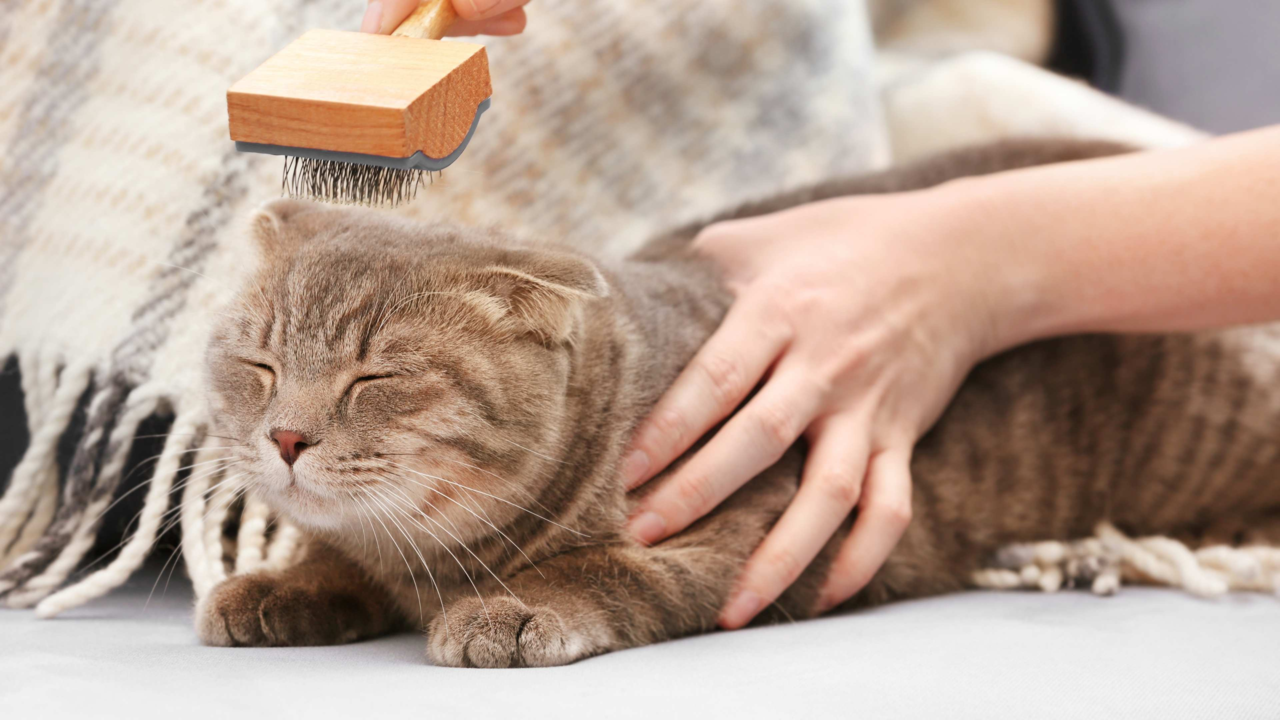
Your cat’s coat type determines the best brush to use. Short-haired cats usually do well with a soft-bristle brush or rubber brush to remove loose fur and dirt gently. Long-haired cats benefit from a slicker brush or a wide-toothed comb to detangle knots without pulling their fur painfully.
Some cats have sensitive skin, so test a brush on a small area before committing. If your cat dislikes brushing, try shorter sessions with gentle strokes. Have you noticed how your cat reacts to different brushes? Their comfort is key to choosing the right one.
Selecting Safe Nail Clippers
Trimming your cat’s nails is a delicate task that requires the right clippers. Avoid human nail clippers; they can split your cat’s nails and cause pain. Instead, choose nail clippers designed specifically for cats or small pets, like scissor-style or guillotine-style clippers.
Look for clippers with a sharp blade and a comfortable grip to ensure precision and control. If your cat is nervous, having a tool that feels secure in your hand makes the process smoother. Have you ever struggled with clippers that felt slippery or dull? Upgrading your tools might change your experience.
Using Grooming Gloves And Combs
Grooming gloves offer a hands-on approach that some cats love. These gloves have soft rubber tips that remove loose fur while you pet your cat, turning grooming into a relaxing massage. They are especially useful for cats who resist traditional brushes.
Combs, especially fine-toothed ones, help find and remove fleas or debris from your cat’s coat. Combining gloves and combs can give you a complete grooming toolkit. Have you tried gloves instead of brushes? They might surprise you with how well your cat responds.
Credit: petdirect.co.nz
Brushing Techniques For Cats
Brushing your cat is more than just a grooming routine; it’s a chance to bond and keep your feline friend comfortable. The right techniques can make a big difference, helping to keep your cat’s coat healthy and reduce hairballs. Let’s dive into some brushing tips that work well for cats of all temperaments and fur types.
Frequency Based On Fur Length
Short-haired cats usually need brushing about once a week. This helps remove loose fur and keeps their coat shiny without causing stress.
Long-haired cats require more frequent attention—ideally every day or every other day. Their fur can tangle easily, and regular brushing prevents painful mats from forming.
Think about your cat’s lifestyle too. If your cat sheds a lot during certain seasons, increasing brushing sessions can help manage the extra fur.
Handling Sensitive Areas
Some cats are sensitive around the belly, tail, and paws. Approach these areas gently to avoid making your cat anxious.
Start by brushing less sensitive spots like the back or sides, then slowly work toward the sensitive zones. Watch your cat’s reactions and pause if they seem uncomfortable.
Using a soft-bristle brush or a grooming glove can make these spots easier to handle. Have you noticed your cat relaxing when you switch to a gentler tool?
Reducing Shedding Effectively
To cut down on shedding, focus on removing loose fur before it falls off naturally. Brush in the direction of hair growth for best results.
Use tools designed for your cat’s fur type—slicker brushes work well for long hair, while rubber brushes can suit short-haired cats.
Regular brushing not only reduces hair on your furniture but also lowers the chance of hairballs. How much easier would cleaning be with less fur everywhere?
Bathing Your Cat Safely
Bathing a cat can be stressful for both the pet and owner. Knowing how to bathe your cat safely helps reduce stress. It also keeps your cat clean and healthy. Cats usually groom themselves well. Bathing is needed only in special cases. Use gentle techniques to avoid hurting your cat or causing fear.
When To Bathe Your Cat
Cats rarely need baths. Bathe your cat if it is very dirty or has something sticky on its fur. Bathing helps if your cat has fleas or skin problems. Avoid bathing too often; it can dry out the skin. Use a vet’s advice for bathing cats with health issues.
Preparing For Bath Time
- Gather cat shampoo, a cup for rinsing, and towels.
- Choose a quiet, warm room with no drafts.
- Fill the sink or tub with a few inches of lukewarm water.
- Brush your cat gently to remove loose fur and tangles.
- Keep treats handy for rewards and calming your cat.
- Wear clothes that can get wet and protect your arms.
Step-by-step Bathing Process
- Place your cat gently in the water and speak softly.
- Use a cup to wet the fur carefully, avoiding eyes and ears.
- Apply cat shampoo and lather lightly, focusing on dirty areas.
- Rinse thoroughly with clean, lukewarm water to remove all soap.
- Wrap your cat in a towel and pat dry gently.
- Keep your cat warm until completely dry.

Credit: nationalcatgroomers.com
Trimming Nails Without Stress
Trimming a cat’s nails can be easy and calm with gentle handling. Use a quiet space and soft voice to keep your cat relaxed. Regular, slow clipping helps avoid stress for both you and your pet.
Trimming your cat’s nails can be a daunting task. But it doesn’t have to be. With the right techniques, you can make it a calm experience. Both for you and your furry friend.Identifying The Quick
The quick is the pink part of a cat’s nail. It’s important to avoid cutting it. Cutting into it causes pain and bleeding. In light-colored nails, the quick is visible. In dark nails, use a flashlight to spot it. Always trim a bit away from the quick. This keeps your cat comfortable.Best Practices For Nail Trimming
Choose a quiet space. Calm your cat before starting. Use a sharp, pet-safe clipper. Hold the paw gently. Press lightly to extend the nail. Cut only the sharp tip. Avoid the quick. Trim a little at a time. This reduces stress for your cat. Offer treats and praise. This makes it a positive experience.Alternatives To Nail Clipping
Consider nail grinders. They file down nails slowly. They are less likely to hurt the quick. Soft nail caps are another option. They cover and protect the nails. Scratch posts can help too. They keep nails naturally trimmed. These alternatives can reduce grooming stress.Cleaning Ears And Eyes
Cleaning your cat’s ears and eyes is a vital part of grooming that often gets overlooked. These sensitive areas can easily develop infections or irritation if not cared for properly. Regular checks and gentle cleaning can keep your feline friend comfortable and healthy.
Signs Of Infection Or Irritation
Watch for redness, swelling, or unusual discharge around your cat’s eyes and ears. If you notice your cat scratching these areas frequently or shaking their head, it could indicate discomfort. A foul smell or dark debris in the ears is another warning sign you shouldn’t ignore.
Safe Cleaning Methods
Use a soft, damp cloth or cotton ball to wipe around the eyes gently. Avoid using cotton swabs inside the ear canal to prevent injury. You can use a vet-approved ear cleaner to remove dirt and wax, but apply it sparingly.
- Hold your cat securely but gently to keep them calm.
- Use lukewarm water or a recommended solution for cleaning.
- Wipe in one direction to avoid pushing debris further in.
When To Consult A Vet
If you spot persistent redness, swelling, or discharge, it’s time to get professional help. Sudden changes in your cat’s behavior, like increased scratching or head shaking, also warrant a vet visit. Don’t wait if you see signs of pain or if your cat is rubbing their face excessively.
Dealing With Matting And Tangles
Mats and tangles cause discomfort to cats and may harm their skin. They trap dirt and moisture, leading to infections. Addressing mats quickly keeps your cat happy and healthy. Learn how to prevent and remove mats safely with simple grooming tips.
Preventing Mats Through Regular Grooming
Brush your cat often to stop mats from forming. Short-haired cats need brushing once a week. Long-haired cats need daily brushing. Use gentle strokes to avoid hurting your cat.
Check common tangle spots like behind ears, under legs, and near the tail. Regular grooming removes loose fur and prevents knots. Grooming also strengthens your bond with your cat.
Tools For Mat Removal
Use the right tools for effective mat removal. A wide-toothed comb helps loosen small tangles. A slicker brush removes loose hair and mats gently.
For stubborn mats, use a dematting comb or mat splitter. These tools cut through knots without pulling the fur. Keep scissors handy for very tight mats but use them with care.
Handling Severe Mats Safely
Do not pull or yank mats; this hurts your cat. If mats are large or close to the skin, trim carefully. Hold the fur away from the skin before cutting.
Use blunt-tipped scissors to reduce the risk of injury. If unsure, seek help from a professional groomer or vet. Severe mats may need professional removal to avoid pain and damage.
Creating A Grooming Routine
Creating a grooming routine for your cat is essential for their health and happiness. Regular grooming helps prevent matting, reduces shedding, and strengthens the bond between you and your feline friend. But how do you establish a routine that fits both your lifestyle and your cat’s needs?
Setting A Schedule That Works
Start by choosing a time of day when both you and your cat are calm and relaxed. Many cats prefer grooming sessions in the evening or after a nap. Keep sessions short at first—about 5 to 10 minutes—to avoid overwhelming your cat.
Consistency is key. Pick specific days and times during the week and stick to them. This predictability helps your cat anticipate grooming and reduces stress.
Making Grooming Enjoyable
Turn grooming into a positive experience by using treats and gentle praise. Try brushing in a quiet space where your cat feels safe. Soft, slow strokes work better than harsh or fast movements.
If your cat resists, pause and give them a break before trying again. Over time, they’ll associate grooming with comfort and rewards rather than discomfort.
Recognizing Your Cat’s Preferences
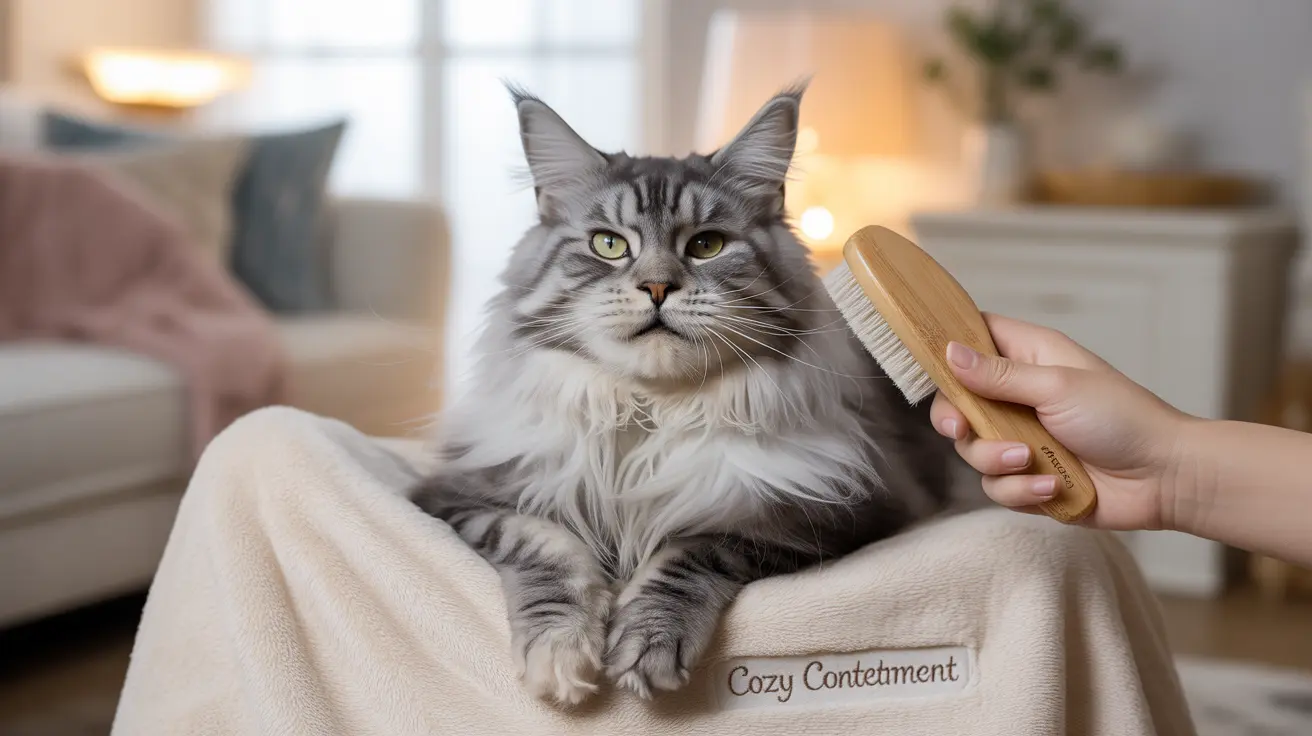
Pay close attention to how your cat reacts during grooming. Do they prefer brushing certain areas like the back or neck? Are there spots they dislike being touched? Respect their boundaries to keep the experience stress-free.
Notice their body language—purring, kneading, or relaxed posture signals enjoyment, while twitching tails or flattened ears indicate discomfort. Adjust your approach based on these cues to make grooming a bonding time.
Credit: www.petscare.com
Health Benefits Of Grooming
Grooming your cat is more than just keeping them clean. It plays a big role in their health and happiness. Regular grooming helps spot problems early, reduces unwanted hair, and builds a strong bond between you and your pet.
Detecting Skin Issues Early
Brushing your cat lets you check their skin closely. You can find bumps, redness, or parasites fast. Early detection means quicker treatment. It helps avoid serious health problems.
Reducing Hairballs And Allergens
Grooming removes loose fur that cats often swallow. This cuts down hairballs and stomach troubles. It also lowers allergens in your home. Clean fur means less dust and dander around.
Strengthening Pet-owner Bond
Grooming time is quiet and calm. Cats feel safe and loved when you groom them gently. This builds trust and deepens your connection. It makes your cat happier and more relaxed.
Frequently Asked Questions
How Often Should I Groom My Cat?
Groom your cat at least once a week to maintain a healthy coat. Long-haired cats may need grooming daily. Regular grooming prevents mats, reduces shedding, and promotes skin health. It also strengthens your bond with your cat and helps spot health issues early.
What Tools Are Best For Cat Grooming?
Use a soft-bristle brush for short-haired cats and a wide-toothed comb for long-haired cats. Nail clippers, grooming gloves, and flea combs are also helpful. Choose tools that suit your cat’s coat type to ensure effective and comfortable grooming sessions.
Can Grooming Reduce Cat Hairballs?
Yes, regular grooming removes loose fur, decreasing hair your cat ingests. This reduces hairball formation and digestive issues. Brushing helps keep your cat’s coat clean and healthy, preventing excessive shedding and hairball problems.
How Do I Safely Trim My Cat’s Nails?
Use sharp, cat-specific nail clippers and trim only the clear tip of the nail. Avoid cutting the quick, which causes pain and bleeding. Hold your cat gently and reward them after each session to make nail trimming stress-free.
Conclusion
Grooming your cat keeps their coat healthy and shiny. Regular brushing removes loose fur and dirt. It also helps prevent hairballs and skin problems. Be gentle and patient during grooming sessions. Use the right tools for your cat’s fur type.
Make grooming a calm and positive time together. Healthy cats feel happier and more comfortable. Keep grooming simple, and enjoy the bond it creates. Small efforts lead to big benefits for your cat’s well-being.



Leave a Reply