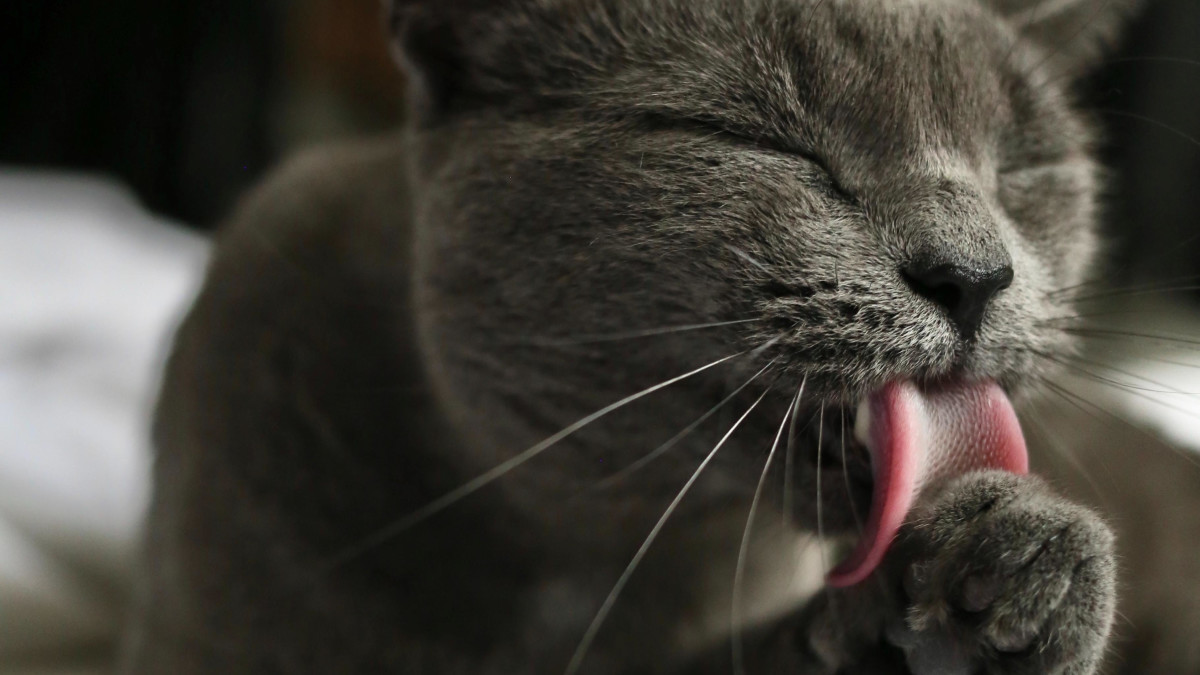
Is your cat spending too much time licking or biting its fur? Over grooming can cause painful skin problems and leave your furry friend feeling stressed.
You might wonder why this happens and how you can help. You’ll discover simple, effective ways to prevent cat over grooming. By understanding the signs and triggers, you’ll be able to keep your cat happy and healthy. Keep reading to learn how to protect your cat’s comfort and well-being.
Causes Of Cat Over Grooming
Cat over grooming can harm your pet’s skin and fur. Understanding its causes helps prevent this behavior. Several factors drive cats to groom excessively. These include emotional stress, health issues, and surroundings. Each plays a role in why a cat might lick or scratch too much.
Stress And Anxiety Factors
Cats feel stress from changes in their routine or environment. New pets, loud noises, or lack of attention can trigger anxiety. Grooming becomes a way to self-soothe and cope. Stress may also arise from conflicts with other pets. Separation from owners or boredom can lead to over grooming.
Medical Conditions
Health problems often cause cats to lick or bite their skin. Allergies to food or fleas are common triggers. Skin infections, wounds, or parasites cause discomfort. Pain from arthritis or injuries may lead to over grooming. A vet checkup is essential to rule out medical causes.
Environmental Triggers
Environment affects a cat’s comfort and behavior. Dry air or harsh cleaning products can irritate skin. Lack of stimulation or small living spaces cause stress. Changes in temperature or humidity can worsen skin problems. Providing a calm and clean space helps reduce over grooming.
Recognizing Over Grooming Signs
Spotting the signs of over grooming early helps protect your cat’s health. Cats groom themselves daily, but too much grooming can harm their skin and fur. Noticing these signs quickly lets you act before problems worsen.
Changes In Fur And Skin
Watch for bald patches or thinning fur on your cat’s body. The skin may look red, irritated, or scaly in areas your cat licks often. Sometimes, small sores or scabs appear from excessive licking or biting.
Hair clumps might fall out easily or feel rough. The fur can lose its shine and look dull. These changes suggest your cat grooms too much and needs help.
Behavioral Indicators
Your cat may lick or bite the same spot repeatedly. This behavior can increase during stress or anxiety. Cats might hide more or seem restless due to discomfort.
Notice if your cat grooms more after loud noises or changes at home. Constant grooming can be a sign of boredom or pain too. These behaviors point to over grooming and need attention.
Medical Treatments To Consider
Medical treatments play a key role in stopping cat over grooming. This problem often points to underlying health issues. Treating those issues helps your cat feel better and stop excessive licking or biting. Understanding the right medical steps ensures your cat gets proper care fast.
Veterinary Diagnosis
A vet visit is crucial for any cat showing signs of over grooming. The vet checks for skin infections, allergies, parasites, or pain. They may perform skin tests, blood work, or allergy checks. Proper diagnosis identifies the exact cause behind the grooming behavior.
Accurate diagnosis helps create a clear treatment plan. It avoids guesswork and speeds up recovery. Early vet care prevents worsening of skin damage or stress.
Medications And Therapies
After diagnosis, vets may recommend medications to ease symptoms and heal skin. Common options include:
- Antibiotics to fight infections
- Anti-inflammatory drugs to reduce swelling
- Antihistamines for allergy relief
- Topical creams to soothe irritated areas
In some cases, vets suggest calming therapies or supplements. These help reduce stress, a common cause of over grooming. Behavioral therapy might also support long-term improvement.
Follow all vet instructions carefully. Proper medication use is essential for healing and stopping over grooming.
Behavioral Strategies To Reduce Grooming
Behavioral strategies help reduce excessive grooming in cats by addressing their mental and emotional needs. Cats often over groom due to boredom or stress. Changing their environment and routine can make a big difference. These strategies focus on keeping your cat engaged and calm.
Providing Mental Stimulation
Mental stimulation keeps your cat’s mind active and reduces boredom. Offer a variety of toys that challenge your cat. Puzzle feeders encourage natural hunting behavior and slow down eating. Rotate toys regularly to maintain interest.
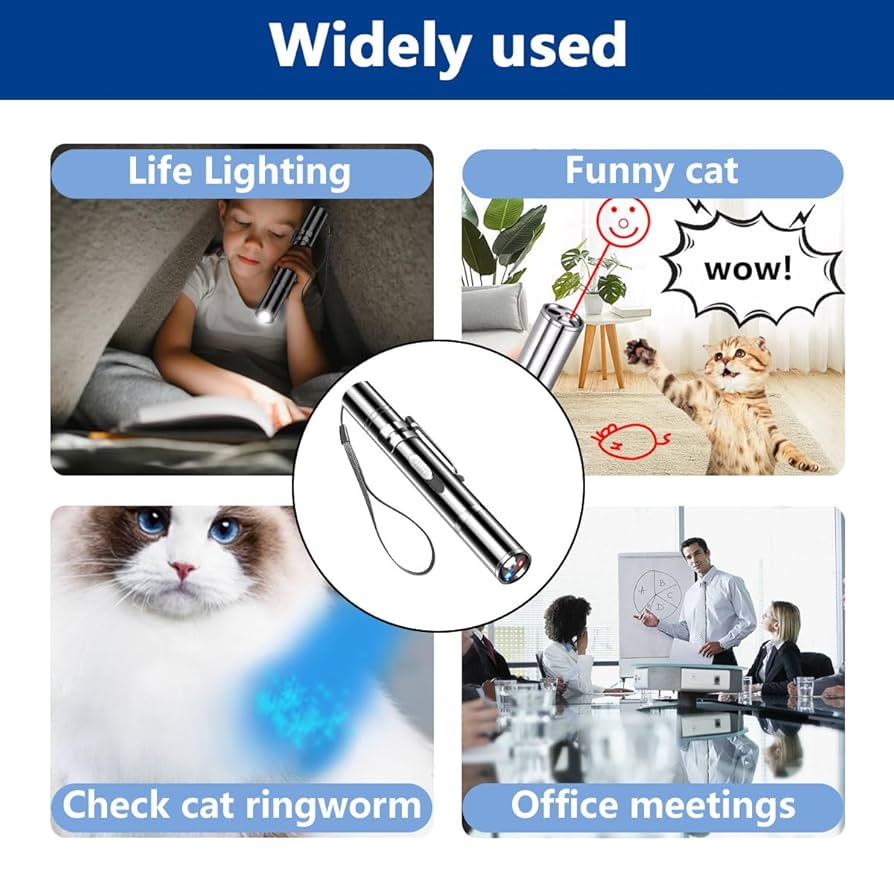
- Use interactive toys like feather wands or laser pointers.
- Introduce new scents or textures in toys.
- Create safe spaces for climbing and exploring.
Training sessions with treats also provide mental exercise. Teaching simple commands or tricks builds confidence and focus. This can distract your cat from grooming too much.
Creating A Calm Environment
A calm home reduces stress that triggers over grooming. Provide quiet areas where your cat feels safe. Soft bedding and hiding spots help your cat relax. Keep noise and sudden movements low.
- Use calming pheromone diffusers to soothe your cat.
- Maintain a consistent daily routine to reduce anxiety.
- Limit exposure to other stressful pets or loud noises.
Regular playtime helps release nervous energy. Gentle petting and soft voices create comfort. A peaceful environment supports healthy grooming habits.
Diet And Nutrition Tips
Understanding your cat’s diet is essential for healthy grooming habits. A balanced diet can prevent over grooming by improving skin and coat health. Focus on providing nutrients that support your cat’s skin and fur.
Foods That Support Skin Health
Certain foods can enhance your cat’s skin condition. Omega-3 fatty acids are crucial for skin health. Include fish like salmon or tuna in your cat’s diet. These fish are rich in beneficial oils. Look for cat foods with added omega-3s. Protein is another key element. Ensure your cat’s diet includes enough high-quality protein. Chicken and turkey are excellent protein sources. They help maintain healthy skin and fur.
Supplements For Coat Improvement
Supplements can boost your cat’s coat quality. Fish oil supplements provide essential fatty acids. They reduce inflammation and support healthy fur. Vitamin E is another helpful supplement. It protects skin cells and promotes healing. Always consult a vet before starting supplements. Proper dosage is important for your cat’s safety.
Using Protective Gear
Using protective gear can be a straightforward way to stop your cat from over grooming. These tools help block access to problem areas, giving skin time to heal and reducing the urge to lick or scratch. You might be surprised how a simple barrier can make a big difference in your cat’s comfort and recovery.
Elizabethan Collars
Elizabethan collars, or “e-collars,” are one of the most common protective tools for cats. They form a cone around your cat’s neck, preventing them from reaching wounds or irritated spots.
Many cats initially resist wearing them, but you can help by choosing soft, padded options or collars with flexible edges. Keep an eye on your cat’s behavior—if they seem overly stressed, try short sessions and gradually increase the time.
Have you noticed how some cats quickly adapt while others struggle? Finding the right fit and introducing the collar gently can make the process smoother for both of you.
Clothing And Covers
Another way to protect your cat is with specially designed clothing or covers. These garments act like a barrier, stopping your cat from licking or scratching sensitive areas.
Options range from simple onesies to more tailored recovery suits. They can be less intrusive than collars and often allow your cat more freedom of movement.
Keep in mind, your cat’s comfort is key. Watch for signs of overheating or irritation, and choose breathable materials. Have you tried swapping between collars and clothing to see which your cat prefers? It’s worth experimenting to find the best fit for your furry friend.
When To Seek Professional Help
Knowing when to seek professional help for your cat’s over grooming is crucial. Sometimes, the issue goes beyond simple stress or boredom and signals deeper health or behavioral problems. Recognizing these moments early can save your cat from prolonged discomfort and prevent further damage.
Signs Of Severe Over Grooming
Look for areas where your cat has lost fur completely or developed raw, red patches. Excessive licking that leads to bleeding or scabs is a clear warning sign. If your cat seems restless, anxious, or hides more than usual, these behaviors often accompany severe over grooming.
Have you noticed your cat grooming so much that the skin looks shiny or thickened? This can mean they are stuck in a cycle that’s hard to break alone. Also, if over grooming suddenly starts or worsens despite your efforts, it’s time to get help.
Finding A Cat Behavior Specialist
Not all vets specialize in behavior, so finding a cat behavior specialist can make a big difference. These experts understand the root causes of over grooming—whether anxiety, medical issues, or environmental stressors—and can tailor a treatment plan.
Ask your vet for recommendations or look for certified professionals through organizations like the International Association of Animal Behavior Consultants. When you contact a specialist, be ready to discuss your cat’s daily routine, environment, and any recent changes. This information helps them provide the best advice.
Would you be willing to try behavioral therapy or environmental enrichment based on expert guidance? Sometimes, small changes suggested by a specialist can dramatically improve your cat’s well-being.
Frequently Asked Questions
What Causes Cat Over Grooming Behavior?
Cat over grooming often results from stress, allergies, parasites, or skin infections. Identifying the cause helps in effective treatment and prevention.
How Can I Stop My Cat From Over Grooming?
Provide environmental enrichment, reduce stress, and treat underlying health issues. Regular vet check-ups are crucial for prevention and care.
Are Allergies Responsible For Cat Over Grooming?
Yes, allergies to food or environment can cause itching and over grooming. Allergy testing and dietary changes may help reduce symptoms.
Can Stress Lead To Cat Over Grooming?
Stress is a common trigger for over grooming. Creating a calm, safe space and using calming products can reduce stress-related grooming.
Conclusion
Preventing cat over grooming keeps your pet happy and healthy. Watch for signs like bald spots or redness on their skin. Provide a calm and safe environment to reduce stress. Offer plenty of toys and playtime to keep them busy.
Visit the vet if over grooming continues or worsens. Small changes make a big difference in your cat’s well-being. Care and attention help stop over grooming early. Your cat deserves comfort and love every day.

Leave a Reply