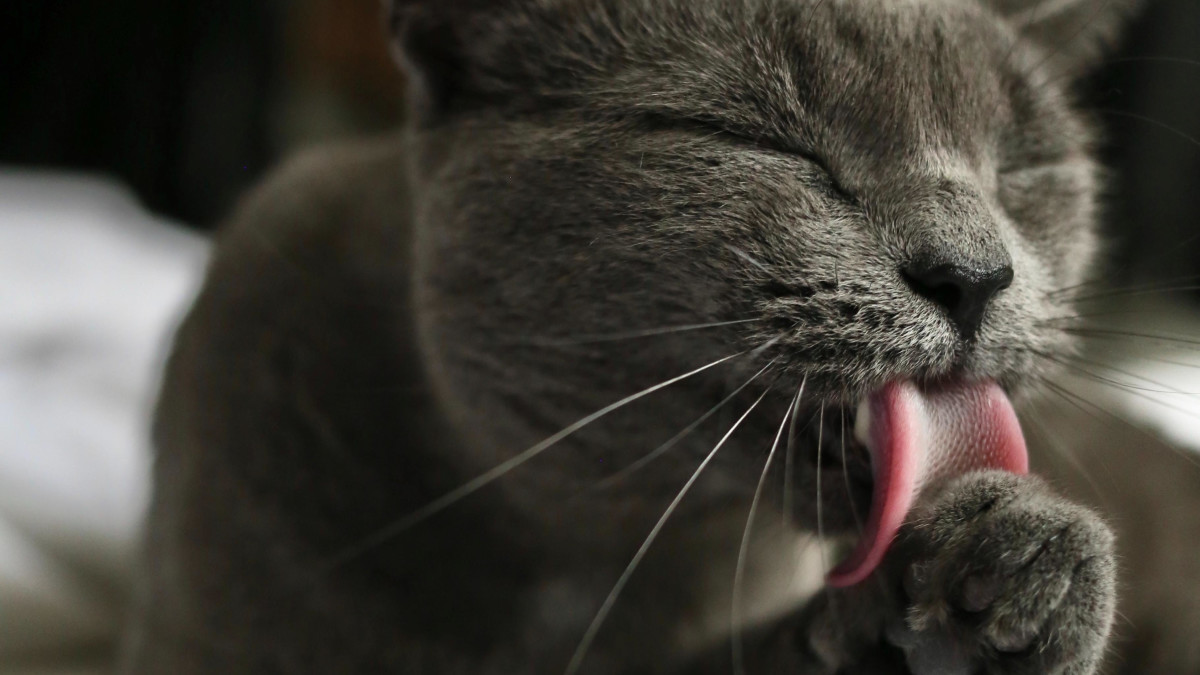
Is your cat spending too much time licking and biting its fur? Over grooming can cause painful bald spots and skin problems.
You want your furry friend to be happy and healthy, but it’s hard to know how to help when this behavior takes over. You’ll discover simple, effective ways to stop your cat from over grooming. By understanding why it happens and what you can do, you’ll protect your cat’s skin and bring back its comfort and confidence.
Keep reading to learn how to make a real difference for your beloved pet.
Causes Of Over Grooming
Over grooming in cats can be puzzling and frustrating for any pet owner. Understanding why your cat excessively licks or bites their fur is crucial to stopping this behavior. Various factors can trigger over grooming, and identifying the root cause will help you take the right steps to protect your cat’s health and happiness.
Stress And Anxiety
Cats often groom themselves to calm down, much like humans might bite their nails or pace when anxious. Changes in their environment, such as moving to a new home or the introduction of a new pet, can create stress that leads to over grooming. Have you noticed if your cat starts licking more after loud noises or when left alone for long periods?
Allergies And Skin Issues
Skin problems are a common cause of over grooming. Allergies to food, dust, or certain fabrics can make your cat’s skin itchy and uncomfortable. If your cat keeps licking the same spot, check for redness, bumps, or bald patches, which are signs of irritation that need attention.
Parasites And Infections
Fleas, mites, and other parasites can make your cat’s skin itch relentlessly. Even a few flea bites can trigger intense grooming as your cat tries to relieve the irritation. Infections, whether bacterial or fungal, also cause discomfort that leads to licking and chewing. Have you inspected your cat’s fur for tiny moving dots or crusty patches lately?
Boredom And Lack Of Stimulation
Cats need mental and physical activity to stay balanced. Without enough playtime or interaction, your cat might turn to over grooming as a way to entertain themselves or release pent-up energy. Could you be underestimating how much your cat needs to explore and engage with their surroundings each day?
Recognizing Over Grooming Signs
Spotting the signs of over grooming early can save your cat from discomfort and potential health issues. Over grooming is more than just a quirky habit; it often signals an underlying problem. Knowing what to look for helps you act quickly and keep your feline friend happy and healthy.
Bald Patches And Redness
One of the clearest signs of over grooming is the appearance of bald spots on your cat’s fur. These patches often look smooth and shiny, as the hair is constantly pulled out or broken off. You might also notice redness or irritation around these areas, which shows the skin is sore or inflamed.
Have you checked your cat’s coat closely lately? A simple look during playtime can reveal these warning signs before they get worse.
Excessive Licking And Chewing
If your cat spends an unusual amount of time licking or chewing a particular spot, it’s a red flag. This behavior often escalates, causing hair loss and skin damage. It’s different from normal grooming because it’s repetitive and focused on one area.
Try observing your cat for a few minutes when it’s calm. Does it seem obsessed with cleaning one spot? This habit can indicate stress, allergies, or pain that needs attention.
Behavioral Changes
Changes in your cat’s behavior can hint at over grooming issues. Your cat might become more withdrawn or irritable. Sometimes, they may avoid being touched in certain areas or become restless.
Ask yourself if your cat’s mood has shifted lately. Have you noticed it hiding more or reacting oddly when you try to pet it? These subtle changes often go hand-in-hand with physical signs of over grooming.
Creating A Calm Environment
Creating a calm environment is key to preventing your cat from over grooming. Cats often groom excessively when they feel anxious or unsettled. Making your home a peaceful place can help your cat feel secure and reduce stress-driven grooming behavior.
Reducing Stress Triggers
Identify what causes your cat stress and try to minimize those triggers. Loud noises, sudden changes in routine, or the presence of unfamiliar animals can all make your cat uneasy.
For example, if loud TV volumes upset your cat, keep the sound low or provide a quiet room away from the noise. Consistency helps cats feel safe, so try to keep feeding and playtimes on a regular schedule.
Providing Safe Spaces
Cats need places where they can retreat and feel safe. Create cozy hideouts like covered beds or cardboard boxes where your cat can relax undisturbed.
Placing these safe spaces in quiet corners or higher spots can give your cat a sense of control over their environment. Have you noticed your cat prefers a particular spot? Make that area extra welcoming with soft blankets or toys.
Using Calming Products
There are several calming products that can support your cat’s relaxation. Pheromone diffusers release comforting scents that mimic natural cat signals and can ease anxiety.
Other options include calming collars, herbal sprays, or supplements designed to reduce nervousness. Trying these can be a gentle way to help your cat settle without medication.
Improving Diet And Health
Improving your cat’s diet and overall health can play a major role in preventing over grooming. Cats often lick and scratch excessively due to nutritional imbalances or underlying health issues. Adjusting what your cat eats and keeping a close eye on their wellness can reduce stress on their skin and keep their coat healthy.
Nutritional Supplements
Adding supplements like omega-3 fatty acids can soothe irritated skin and reduce inflammation. These healthy fats support a shiny coat and help repair dry, itchy patches that lead to over grooming. You might notice a difference within a few weeks of consistent use.
Consider supplements that contain vitamins E and B, which promote skin healing and overall fur quality. However, always check with your vet before adding anything new to your cat’s diet to avoid overdosing or interactions.
Addressing Allergies
Food allergies are a common cause of excessive grooming. If your cat suddenly starts licking or biting a lot, think about whether you’ve changed their food recently or introduced new treats.
Eliminating common allergens like beef, dairy, or grains can stop the cycle of irritation. You might need to try a hypoallergenic diet for several weeks to see if symptoms improve. Keep a food diary to track what works and what doesn’t.
Regular Vet Checkups
Regular checkups help catch health problems before they get worse. Your vet can spot skin infections, parasites, or hormonal imbalances that cause over grooming.
Don’t wait until you see bald spots or wounds. Early intervention often means simpler treatment and less stress for your cat. Ask your vet about the best diet and supplements based on your cat’s unique health needs.
Enhancing Mental And Physical Stimulation
Cats need mental and physical stimulation to stay healthy. Over grooming can happen when they lack it. Providing them with engaging activities can help. It keeps their mind and body busy. Let’s explore some ways to enhance their stimulation.
Interactive Toys And Playtime
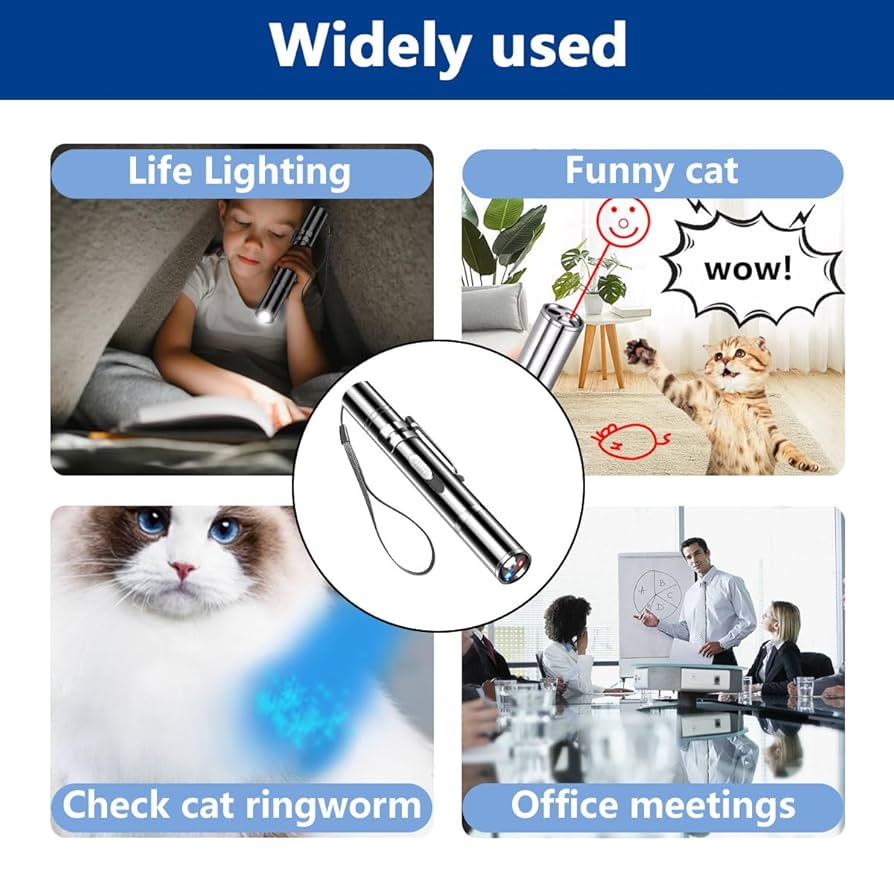
Interactive toys can keep cats entertained. Toys like feather wands and laser pointers are great choices. These toys encourage movement and hunting instincts. Regular playtime helps reduce stress. It also prevents excessive grooming. Spend at least 15 minutes each day playing with your cat. This strengthens your bond too.
Environmental Enrichment
Enrich your cat’s environment with variety. Scratching posts and climbing trees provide physical exercise. Window perches offer mental stimulation. Cats love watching birds and outdoor activities. Rotate toys to keep things fresh. Hide treats around the house. This creates a fun treasure hunt. It engages their natural curiosity.
Social Interaction
Cats are social creatures. They thrive on interaction. Spend quality time with them daily. Petting and cuddling can reduce anxiety. Consider introducing another pet. Companionship can lessen loneliness. It provides a playmate. This can help decrease over grooming habits. Ensure proper introductions for a smooth transition.
Medical Treatments And Interventions
Medical treatments and interventions play a crucial role in managing your cat’s over grooming habit. Sometimes, underlying health or emotional issues trigger this behavior, and addressing them can provide real relief. Understanding the right medical options can help you support your cat effectively and avoid unnecessary discomfort.
Topical Medications
Topical medications often help soothe irritated skin caused by over grooming. Your vet might suggest creams or sprays containing soothing agents or antibiotics if there’s an infection. Applying these treatments as directed can reduce itching and discourage your cat from licking the area further.
Have you noticed redness or open sores on your cat’s skin? These signs usually mean topical treatment is necessary to promote healing and prevent complications. It’s important to keep the treated area clean and monitor your cat’s response daily.
Medication For Anxiety
Over grooming can sometimes stem from anxiety or stress in cats. In such cases, your vet may recommend anti-anxiety medications to calm your pet down. These drugs help reduce compulsive behaviors by balancing brain chemicals linked to stress.
Think about your cat’s environment—are there changes or stressors causing nervousness? Medication combined with a stable, comforting environment often brings the best results. Always follow your vet’s dosage instructions carefully to avoid side effects.
Behavioral Therapy
Behavioral therapy complements medical treatments by addressing the root causes of over grooming. Techniques like positive reinforcement and environmental enrichment help redirect your cat’s focus away from excessive licking. You might add interactive toys or scheduled playtime to reduce boredom and anxiety.
Have you tried changing your cat’s routine or adding new activities? Sometimes simple adjustments make a big difference in behavior. Working with a vet or a cat behaviorist can give you tailored strategies that fit your cat’s unique needs.
Preventing Relapse
Preventing relapse of over grooming in cats is crucial for their health. Even after treatment, the habit can return if not carefully managed. Keeping a close watch and maintaining good habits helps stop this problem from coming back.
Monitoring Grooming Habits
Watch your cat’s grooming behavior every day. Look for signs of excessive licking or biting. Note any changes in fur condition or skin irritation. Early spotting of problems helps address them quickly. Keep a daily journal to track grooming patterns and triggers.
Consistent Routine
Maintain a steady daily routine for your cat. Regular feeding times and play sessions reduce stress. Stress often causes over grooming, so calm environments help. Use the same grooming tools and techniques consistently. Predictability gives your cat comfort and security.
Follow-up Vet Visits
Schedule regular vet check-ups to monitor your cat’s skin and behavior. Vets can spot early signs of relapse. They can suggest changes in treatment if needed. Follow the vet’s advice on medication or supplements. Regular visits keep your cat healthy and prevent problems.
Frequently Asked Questions
Why Does My Cat Over Groom Itself?
Cats over groom due to stress, allergies, or skin irritation. It may also indicate boredom or medical issues. Identifying the cause helps in providing proper care and treatment to prevent further damage to the cat’s skin and fur.
How Can I Reduce My Cat’s Grooming Habits?
Provide mental stimulation and regular playtime to reduce stress. Ensure a balanced diet and check for allergies. Use calming pheromone sprays or consult a vet for behavioral advice to help your cat feel more relaxed and less prone to over grooming.
What Are Signs Of Excessive Cat Grooming?
Look for bald patches, red or inflamed skin, and scabs. Excessive licking or chewing in specific areas signals over grooming. Early detection allows timely intervention to prevent skin infections and discomfort for your cat.
Can Diet Affect My Cat’s Grooming Behavior?
Yes, poor nutrition or food allergies can cause skin problems leading to over grooming. Feeding a balanced diet with essential fatty acids supports healthy skin and coat. Consult your vet to identify and eliminate potential dietary triggers.
Conclusion
Preventing cat over grooming takes time and patience. Watch your cat’s behavior closely. Provide a calm and comfortable space. Offer toys and activities to reduce stress. Keep your cat’s skin clean and healthy. Consult a vet if grooming gets worse.
Small changes can make a big difference. Your cat will feel happier and healthier. Care and attention help stop over grooming. Stay consistent and gentle with your approach.

Leave a Reply