
Are you worried about your cat having kittens you’re not ready for? Preventing your cat from breeding is more important than you might think.
It helps keep your furry friend healthy and avoids unwanted litters that can be hard to manage. You’ll discover simple, effective ways to stop your cat from breeding. By the end, you’ll feel confident and in control of your cat’s future.
Keep reading to learn how you can protect your pet and your home today.
Credit: www.petmd.com
Reasons To Prevent Cat Breeding
Preventing cats from breeding has many important benefits. It helps keep cats healthy and safe. It also controls the number of cats in homes and shelters. Stopping unwanted litters lowers the chance of many cats without homes. There are clear reasons to prevent cat breeding that every owner should know.
Health Benefits For Cats
Spaying or neutering cats lowers the risk of certain cancers. It helps avoid infections in the reproductive organs. Cats live longer and stay healthier without breeding. They face fewer risks during pregnancy and birth. Preventing breeding also reduces stress and hormone-related behaviors.
Controlling Overpopulation
Too many cats can lead to overcrowded shelters. Many cats struggle to find homes and food. Overpopulation causes more stray cats on the streets. It increases the spread of diseases among cats. Preventing breeding helps keep the cat population balanced and safe.
Behavioral Advantages
Neutered cats are often calmer and less aggressive. They mark less with urine and roam less outside. Preventing breeding lowers loud yowling and fighting between cats. Cats become more affectionate and easier to train. Overall, they have a better quality of life without the urge to breed.

Credit: www.petscare.com
Spaying And Neutering Options
Spaying and neutering are the most effective ways to prevent your cat from breeding. These procedures not only control the pet population but also provide health benefits and reduce unwanted behaviors. Understanding the options and what to expect can help you make the best choice for your furry friend.
Surgical Procedures
Spaying involves removing the ovaries and usually the uterus of a female cat, while neutering removes the testicles of a male cat. Both surgeries are performed under general anesthesia to ensure your cat feels no pain during the process. The procedure is quick, typically lasting less than an hour, and is done by a licensed veterinarian.
Many pet owners worry about the risks of surgery. However, these are routine procedures with very low complication rates when done by experienced professionals. If you’ve ever had a pet recover smoothly, you know how fast they can bounce back.
Timing For The Surgery
Most veterinarians recommend spaying or neutering your cat between 4 to 6 months of age. This timing helps prevent early pregnancies and unwanted behaviors like spraying or yowling. However, adult cats can be safely spayed or neutered as well.
Do you know your cat’s exact age? If not, your vet can still determine the best time for surgery based on their development. Early surgery might even reduce the risk of certain cancers and infections.
Post-surgery Care
After surgery, your cat will need a calm and comfortable space to recover. Keep them indoors and limit their activity for about 7 to 10 days to allow proper healing. Watch for signs like swelling, redness, or unusual discharge around the incision site.
Your vet may provide pain medication or antibiotics, so follow instructions carefully. Feeding a light meal a few hours after surgery can help with nausea, but offer water as soon as your cat is awake. How will you monitor your cat’s recovery to make sure they heal well?
Managing Cat Heat Cycles
Managing cat heat cycles is essential to prevent unwanted litters. Understanding and controlling these cycles help keep your cat calm and safe. It reduces stress for both you and your pet. Here are key ways to handle your cat’s heat cycle effectively.
Recognizing Heat Signs
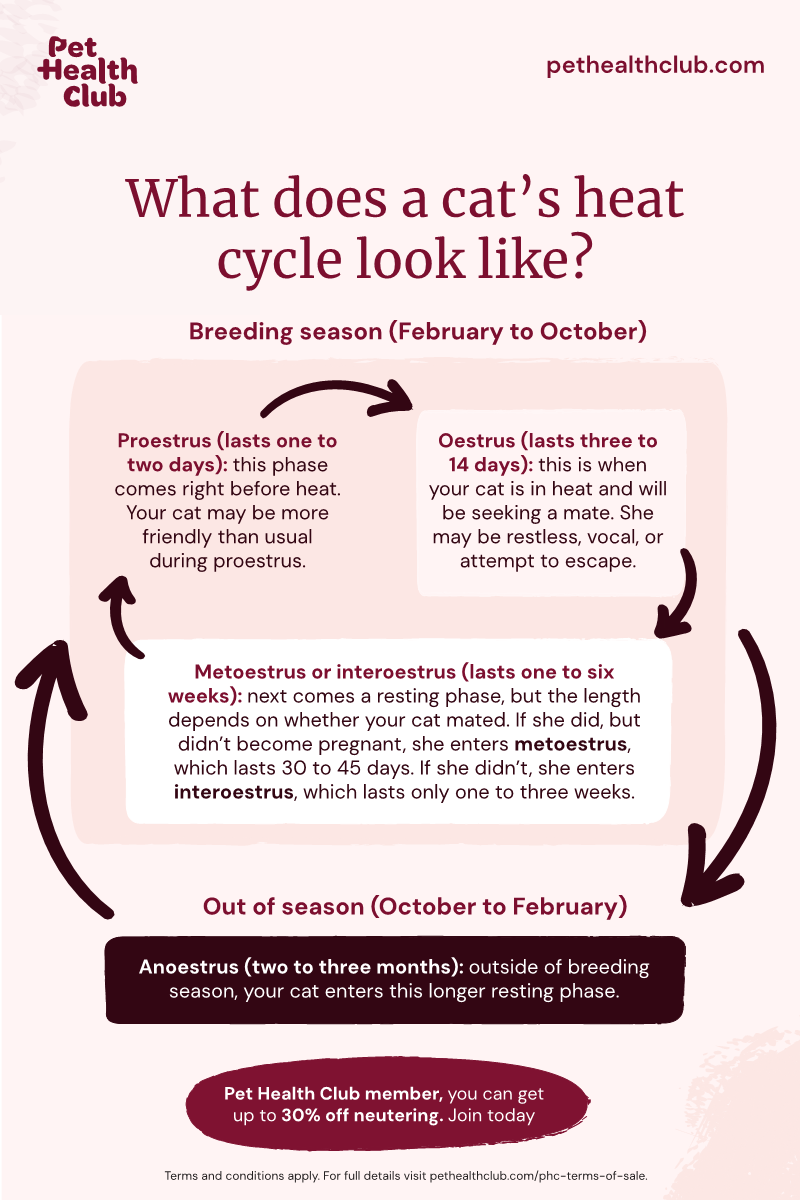
Cats in heat show clear behaviors. They may meow loudly and frequently. Restlessness and rubbing against objects are common. Your cat might also lick her genital area often. These signs usually last several days. Spotting them early helps manage the cycle better.
Minimizing Outdoor Exposure
Limit your cat’s time outside during heat cycles. Outdoor cats face higher risks of unwanted breeding. Keep doors and windows closed securely. Use screens to prevent escapes. Provide toys and indoor activities to keep her busy. This reduces chances of meeting male cats.
Using Calming Techniques
Calm your cat with gentle petting and soft voices. Create a quiet, comfortable space for her to relax. Use pheromone sprays or diffusers designed for cats. Play soothing music or white noise to reduce stress. These methods help ease anxiety during heat periods.
Environmental Adjustments
Adjusting your cat’s environment plays a big role in preventing breeding. Creating a safe and controlled space helps reduce chances of unwanted mating. Small changes around the home can make a huge difference.
Safe Indoor Spaces
Keep your cat indoors to avoid contact with male cats outside. Create cozy spots with soft bedding and hiding places. A quiet and secure area reduces stress and lowers the urge to roam.
Restricting Access To Male Cats
Block doors and windows where male cats can enter. Use screens or barriers to keep outdoor cats away. Check that fences or gates are secure to stop male cats from coming near.
Providing Enrichment Activities
Offer toys and playtime to keep your cat busy. Puzzle feeders and climbing trees keep the mind active. A well-stimulated cat feels less lonely and less likely to seek mates.
Consulting Veterinarians
Consulting your veterinarian is a key part of preventing your cat from breeding. These professionals provide tailored advice and medical options that fit your cat’s health and lifestyle. They can guide you through safe and effective ways to manage your cat’s reproductive health.
Regular Health Checkups
Scheduling regular health checkups helps you stay ahead of any reproductive issues. Your vet can monitor your cat’s overall health, detect early signs of heat cycles, and discuss timing for spaying. I once delayed a checkup and missed early signs of heat, which could have led to an unexpected litter.
These visits also allow your vet to update vaccinations and discuss any behavioral changes. How often you visit depends on your cat’s age and health, but twice a year is a good starting point.
Discussing Birth Control Alternatives
Not every cat owner wants to spay immediately, so vets can offer other birth control options. Hormonal injections or pills might be suitable for short-term prevention, but vets will explain risks and benefits clearly. You’ll get a professional opinion on what fits your cat’s lifestyle and health.
Ask about side effects and the best schedule for these alternatives. Your vet can help you weigh the convenience of these options against their long-term safety.
Emergency Situations
Sometimes, you might find your cat unexpectedly pregnant or injured during heat cycles. In those moments, your vet is the best resource for quick and effective action. They can perform emergency spaying or provide care to protect your cat and potential kittens.
Keep your vet’s contact info handy and know the signs of heat or pregnancy to act fast. Have you ever been caught off guard by a sudden heat cycle or pregnancy? Being prepared with your vet’s guidance can make all the difference.
Credit: www.pethealthclub.com
Ethical And Legal Considerations
Preventing a cat from breeding involves understanding laws and respecting animal welfare. Spaying or neutering helps control the pet population and avoids legal issues. Ensuring your cat’s health and safety is an important ethical responsibility.
Preventing your cat from breeding involves more than just a personal decision. It requires understanding the ethical and legal considerations that come with pet ownership. This guide will help you navigate these complexities, ensuring your actions are responsible, lawful, and beneficial to the community.Local Pet Ownership Laws
Understanding local pet ownership laws is crucial in preventing your cat from breeding. Different regions have specific regulations regarding pet sterilization. Check your local ordinances to learn about mandatory spaying and neutering laws, which are designed to control the pet population. Failure to comply with these laws can result in fines or even losing your pet. By adhering to these regulations, you’re not only protecting yourself legally but also supporting community efforts to manage stray and unwanted animals.Adopting Responsible Practices
Adopting responsible practices begins with making informed decisions about your pet’s reproductive health. Spaying or neutering your cat is a proven method to prevent breeding. It’s an investment in their health and can prevent various diseases and behavioral issues. Discuss with your veterinarian the best time to spay or neuter your cat. They can provide personalized advice based on your cat’s age, breed, and health status, ensuring the procedure is safe and effective.Community Support Programs
Community support programs offer resources and assistance to help you manage your cat’s reproductive health. Many areas have low-cost or free spay/neuter clinics. These programs aim to reduce financial barriers that may prevent pet owners from sterilizing their pets. Engage with local animal shelters or rescue organizations to learn more about available programs. By participating, you contribute to a larger community effort to reduce overpopulation and improve animal welfare. Have you considered how your actions impact the broader community? Your choices can set an example for others, promoting a culture of responsible pet ownership.Frequently Asked Questions
How Can I Stop My Cat From Breeding Naturally?
Spaying your female cat is the best way to prevent natural breeding. It stops heat cycles and unwanted pregnancies. Male cats should be neutered to avoid mating behaviors. Both procedures reduce breeding risks and improve pet health.
When Is The Best Time To Spay Or Neuter A Cat?
The ideal time is between 4 to 6 months of age. Early spaying or neutering prevents early pregnancies and unwanted litters. Consult your vet for personalized timing based on your cat’s health and breed.
Can Indoor Cats Still Breed Accidentally?
Yes, indoor cats can breed if they have access to outdoors or other cats. Male cats can enter homes seeking mates. Keep cats indoors and secure windows to prevent accidental breeding.
What Are Signs My Cat Is Ready To Breed?
Female cats in heat show restlessness, vocalizing, and rubbing behaviors. Male cats become more aggressive and mark territory. Recognizing these signs helps you take timely action to prevent breeding.
Conclusion
Preventing your cat from breeding keeps them healthy and happy. Spaying or neutering is the best choice. It stops unwanted litters and reduces health risks. Keep your cat indoors during heat seasons to avoid accidental mating. Talk to your vet about the right time for surgery.
Simple steps make a big difference. Your cat will live longer and feel better. Taking action today helps both you and your pet tomorrow.



Leave a Reply