Are you worried about your cat having unexpected kittens? Preventing your cat from breeding is one of the best ways to keep her healthy and avoid the challenges of caring for a litter.
If you want to protect your furry friend and save yourself from future stress, understanding how to stop your cat from reproducing is essential. You’ll discover simple, effective steps that you can take right now to prevent your cat from breeding.
Keep reading to learn how to keep your cat safe and your home peaceful.
Credit: www.pethealthclub.com
Reasons To Prevent Cat Breeding
Preventing cats from breeding is important for many reasons. It helps keep cats healthy, reduces too many cats in the community, and improves how cats behave at home. Understanding these reasons can guide responsible pet care and support animal welfare.
Health Benefits For Cats
Spaying or neutering cats lowers the risk of serious diseases. It prevents uterine infections and breast tumors in female cats. Male cats avoid testicular cancer and some prostate problems. Surgery also reduces the chance of injuries from fights or accidents while searching for mates.
Controlling Overpopulation
Too many cats can lead to crowded shelters and stray cats on the streets. Preventing breeding helps control the cat population. It stops unwanted litters and reduces the number of homeless cats. This makes it easier to care for cats and find homes for those in need.
Behavioral Improvements
Neutered or spayed cats show less aggressive and territorial behavior. They are less likely to spray strong-smelling urine to mark territory. These cats are usually calmer, making them easier to live with. Preventing breeding can reduce loud yowling and roaming outside at night.
Spaying And Neutering Options
Spaying and neutering are effective ways to stop cats from breeding. These surgeries remove the organs that cause reproduction. This helps control the cat population and keeps your pet healthy. Understanding the options for these procedures makes the process easier for cat owners.
Timing For Surgery
Most vets recommend spaying or neutering cats before they turn six months old. Surgery before the first heat cycle lowers health risks. Early surgery helps avoid unwanted litters. Some shelters even perform these procedures at eight weeks old. Always ask your vet about the best time for your cat.
Choosing A Veterinarian
Select a vet who has experience with spaying and neutering cats. Check if the clinic uses safe anesthesia and sterilization techniques. Look for a place that treats animals gently and answers your questions. Reviews and recommendations from other pet owners can help. A trusted vet ensures a smooth surgery and recovery.
Post-surgery Care
After surgery, keep your cat calm and indoors for several days. Watch the surgery site for redness or swelling. Prevent your cat from licking the stitches by using a cone collar if needed. Feed light meals and provide fresh water. Follow your vet’s advice on pain management and follow-up visits.
Managing Cat Behavior
Spaying or neutering cats prevents unwanted litters and helps control behavior. Keeping cats indoors reduces chances of breeding. Regular vet visits ensure health and proper care.
Managing the behavior of your cat is key in preventing breeding. Cats have natural instincts that can lead to unwanted mating. Understanding these behaviors helps in controlling them effectively. Let’s explore some practical ways to manage and reduce these urges.Reducing Mating Urges
Reducing your cat’s mating urges is crucial. Spaying or neutering is the most effective method. It decreases the hormonal drive that leads to mating. You can also distract your cat with toys or playtime. This keeps them engaged and less focused on mating.Keeping Cats Indoors
Keeping your cat indoors limits their exposure to potential mates. It reduces the risk of unwanted interactions. Indoor environments are safer and more controlled. Create a stimulating indoor space with climbing trees and scratching posts. This keeps your cat happy and occupied.Using Deterrents
Deterrents can help manage cat behavior effectively. Use cat-safe sprays to mark boundaries. This prevents your cat from wandering outside. Ultrasonic devices can also deter stray cats from approaching your home. These tools help maintain a controlled environment.Environmental Adjustments
Changing your cat’s environment helps control breeding naturally. It keeps cats safe and lowers chances of unwanted litters. Adjustments focus on where cats stay and who they meet. Small changes create a big impact on their behavior.
Safe Outdoor Spaces
Create a secure outdoor area for your cat. Use fences or enclosures to keep cats inside. This limits contact with other cats nearby. Outdoor spaces should be comfortable with shade and water. It gives cats fresh air without breeding risks.
Separating Male And Female Cats
Keep male and female cats apart during mating times. Separate living spaces reduce chances of mating. Use different rooms or cages if needed. This prevents unexpected breeding and fights between cats. Separation also helps you watch each cat closely.
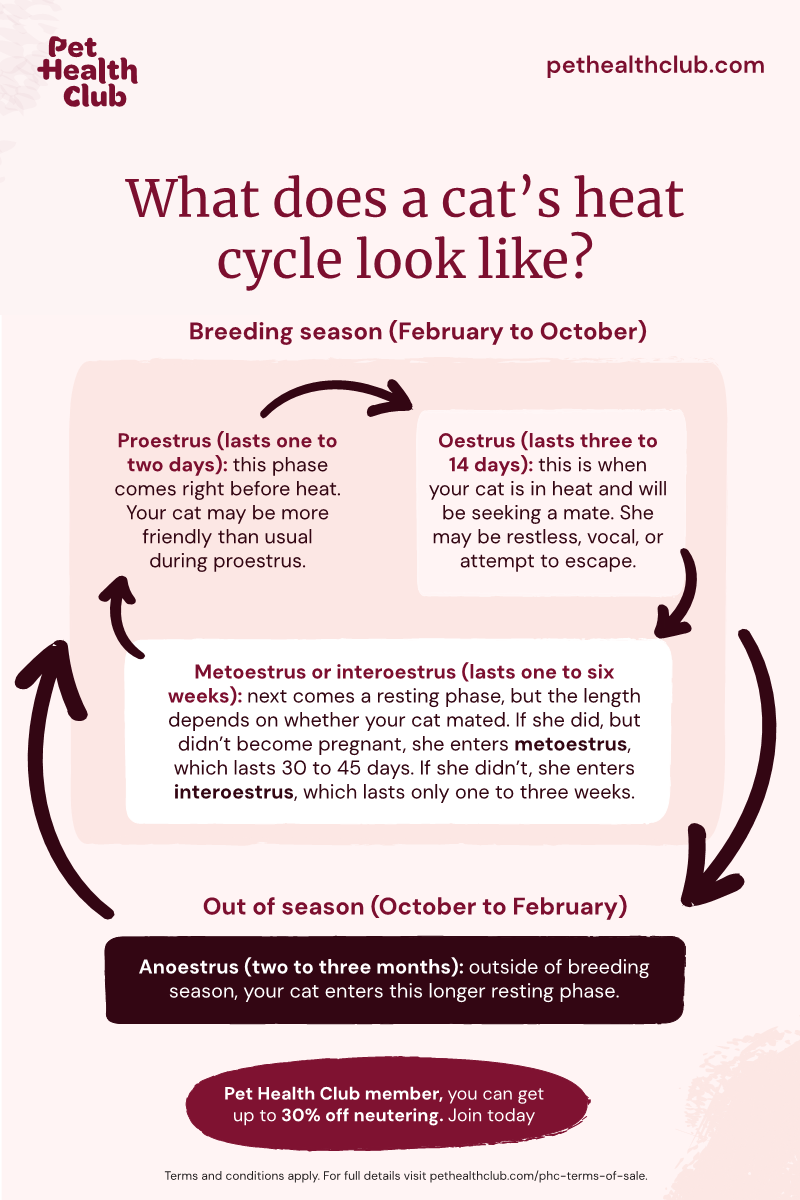
Limiting Access During Heat Cycles
Close doors and windows when your female cat is in heat. Limit her access to outdoor areas and other cats. Heat cycles last a few days and need extra care. Avoid letting males near her during this time. This simple step stops mating chances effectively.
Alternatives To Surgery
Not every cat owner feels ready to choose surgery to prevent breeding. Whether due to health concerns, cost, or personal beliefs, you might be looking for other options to manage your cat’s reproductive cycle.
Alternatives to surgery can help control your cat’s breeding instincts, but they require careful consideration and commitment. Let’s look at some options and what you should know before deciding.
Hormonal Treatments
Hormonal treatments use medications to suppress your cat’s heat cycle temporarily. These can include injections or pills designed to prevent ovulation and reduce mating behaviors.
One cat owner I know tried hormonal injections to avoid surgery for her young female cat. While it worked for a few months, she noticed side effects like mood swings and weight gain.
Keep in mind, hormonal treatments need regular vet visits and monitoring. They don’t provide a permanent solution and can sometimes lead to health risks such as uterine infections or hormonal imbalances.
Behavioral Training
Behavioral training focuses on reducing your cat’s desire to mate through environmental control and routine adjustments.
You can try keeping your cat indoors during heat cycles, providing extra playtime, and using pheromone diffusers to calm her down. Sometimes, distraction with toys and affection can lessen mating behaviors.
While training won’t stop the biological urge, it can help you manage your cat’s behavior and reduce stress for both of you. Have you noticed how your cat reacts to different distractions during heat?
Pros And Cons Of Non-surgical Methods
| Aspect | Pros | Cons |
|---|---|---|
| Hormonal Treatments |
|
|
| Behavioral Training |
|
|
Which option fits your lifestyle and your cat’s needs better? Understanding these pros and cons helps you make an informed choice that balances your cat’s health and your peace of mind.

Credit: www.savvy-paws.com
Common Challenges And Solutions
Preventing your cat from breeding isn’t always straightforward. You may face unexpected hurdles that require patience and smart tactics. Understanding common challenges and their solutions helps you stay prepared and in control of your cat’s reproductive health.
Dealing With Strays
Stray cats can complicate your efforts to prevent breeding. They often roam freely and may approach your cat, increasing the chance of unplanned matings.
To protect your cat, consider securing your yard with cat-proof fencing or limiting outdoor access during peak mating seasons. Providing a safe, indoor environment reduces exposure to strays.
Have you noticed strays near your home? Taking simple steps like feeding strays away from your property can keep them at a distance.
Handling Multiple Cats
Multiple cats in one household increase the risk of breeding if some are not spayed or neutered. Managing their interactions becomes crucial.
Separate unaltered cats from each other, especially during heat cycles. Use separate rooms or enclosures to prevent unplanned mating.
Keep track of each cat’s health and behavior to spot when any might be in heat. This awareness lets you intervene before breeding occurs.
Monitoring Health Changes
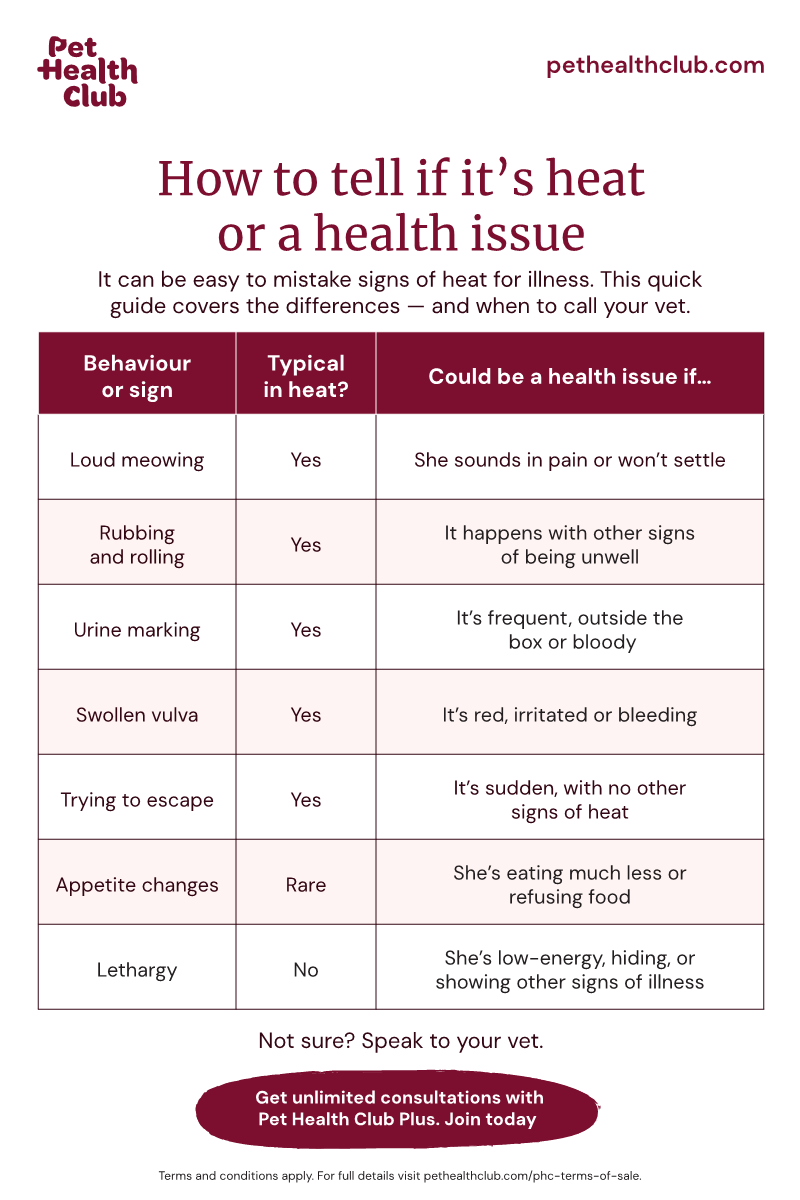
Changes in your cat’s behavior or physical condition can signal reproductive activity. Early detection helps you act quickly to prevent breeding.
Look for signs like increased vocalization, restlessness, or changes in appetite. Regular vet check-ups are vital to catch subtle health shifts.
Have you observed sudden behavior changes in your cat? Documenting these changes and consulting your vet can save you from unexpected litters.
Credit: www.petmd.com
Frequently Asked Questions
How Can I Prevent My Cat From Breeding Naturally?
Spaying your female cat is the most effective way to prevent breeding. It stops heat cycles and pregnancy. For male cats, neutering reduces mating behavior and prevents unwanted litters. Consult your vet for the best timing and care.
What Are The Benefits Of Spaying Or Neutering Cats?
Spaying and neutering help control overpopulation. These procedures reduce health risks like infections and cancers. They also decrease unwanted behaviors such as spraying and roaming. Overall, it improves your cat’s quality of life and prevents accidental breeding.
When Is The Best Age To Spay Or Neuter A Cat?
Most vets recommend spaying or neutering cats between 4 to 6 months old. Early procedures can prevent early pregnancies and unwanted behaviors. However, your vet can advise based on your cat’s health and breed.
Are There Alternatives To Spaying Or Neutering Cats?
Temporary alternatives include hormone injections or contraceptive pills, but they are less reliable. Behavioral controls and keeping cats indoors can reduce breeding chances. Spaying or neutering remains the safest and most effective method.
Conclusion
Preventing your cat from breeding helps control pet overpopulation. Spaying or neutering is the safest and most effective method. Keep your cat indoors during heat cycles to avoid accidental litters. Talk to your vet about the best time for surgery.
Remember, responsible pet care means making choices that protect your cat’s health. Small steps today lead to happier pets tomorrow. Take action and keep your cat safe and healthy.



Leave a Reply