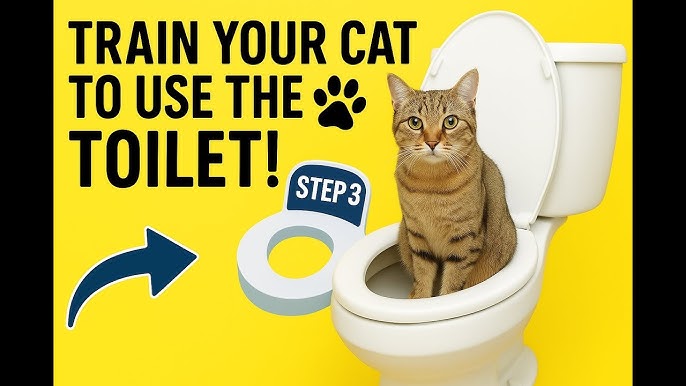
Imagine never having to scoop litter again. No more smelly trays or constant cleaning.
What if your cat could use the toilet just like you do? It might sound tricky, but with the right steps, you can teach your cat to ditch the litter box for good. In this guide, you’ll discover simple, proven tips to potty train your cat easily and stress-free.
Ready to make your life cleaner and your home fresher? Keep reading, because your cat’s toilet training success starts here.

Credit: www.walmart.com
Benefits Of Toilet Training Cats
Toilet training your cat offers more than just convenience. It changes the way you manage your pet’s hygiene and can improve your daily life in surprising ways. Understanding these benefits might motivate you to start the training process with confidence.
Save Money On Litter And Supplies
Imagine cutting down your monthly expenses on cat litter by a significant amount. Toilet training eliminates the need for constant refills of litter boxes, which can get expensive over time.
You won’t need to buy liners, scoops, or special cleaning products either. These savings add up and can be redirected to other areas of your pet’s care.
Reduce Odors And Improve Home Cleanliness
Have you noticed how litter boxes sometimes produce unpleasant smells? Toilet training your cat removes the source of these odors entirely.
Without a litter box sitting around, your home feels fresher and cleaner. This is especially beneficial if you or your family members have allergies or respiratory issues.
Make Cleaning Easier And Faster
Cleaning a litter box can be a daily chore that many cat owners dread. Teaching your cat to use the toilet means you skip this task altogether.
Without the hassle of scooping and changing litter, you save time and avoid messes that can spill onto floors and carpets.
Encourage Better Hygiene For Your Cat
Using the toilet can promote better hygiene for your cat. Litter can sometimes stick to their paws or fur, which can be uncomfortable or lead to infections.
With toilet training, your cat stays cleaner, reducing the risk of bacteria and parasites that might hide in litter.
Provide Mental Stimulation And Strengthen Your Bond
Training your cat to use the toilet is a challenge that requires patience and consistency. Engaging in this process stimulates your cat’s mind.
Working together on this new behavior can deepen your connection and make your relationship more rewarding. Have you considered how training can turn into quality time with your pet?
Assessing Your Cat’s Readiness
Before you start training your cat to use the toilet, it’s important to know if your cat is ready for this change. Cats have unique personalities and habits, so what works for one might not work for another. Understanding your cat’s readiness helps you avoid frustration and increases the chance of success.
Observing Your Cat’s Current Bathroom Habits
Pay attention to how your cat uses their litter box. Are they consistent about covering their waste, or do they sometimes go outside the box? A cat that regularly uses and covers their litter is more likely to adapt to toilet training.
Notice if your cat shows any signs of stress or discomfort around the litter box. If your cat avoids it or scratches excessively outside the box, address those issues first. A calm and confident cat will handle the transition better.
Assessing Your Cat’s Age And Health
Young adult cats, typically between 1 and 3 years old, are often the best candidates for toilet training. Kittens might be too small or distracted, while older cats may resist change or have health issues.
Check with your vet to ensure your cat doesn’t have urinary or mobility problems. Training a cat with health issues can worsen their condition and cause stress for both of you.
Evaluating Your Cat’s Personality
Is your cat curious and adaptable, or cautious and stubborn? Cats that enjoy exploring and learning new things tend to pick up toilet training faster.
If your cat is shy or easily stressed, consider if you can create a calm environment to help them adjust. Sometimes, patience and slow progress are key to success.
Do You Have The Right Setup At Home?
Think about your bathroom space and if it’s accessible and safe for your cat. A stable toilet seat and a quiet bathroom make the training process smoother.
Ask yourself: Can you keep the bathroom door open all the time? Consistent access is essential for your cat to practice and build confidence.
Gathering Necessary Supplies
Gather supplies like a training seat that fits your toilet and flushable litter. Keep cleaning wipes handy to maintain hygiene. Choose items that make the process smooth for both you and your cat.
Gathering the necessary supplies is crucial for successful cat toilet training. The right tools can make the process smoother and more efficient. Ensure you have everything ready before starting the training. This will help avoid interruptions and keep your cat comfortable throughout the transition. Let’s explore what you’ll need.1. A Cat Training Kit
A cat training kit is essential. These kits are designed for toilet training. They usually come with a special seat that fits on your toilet. Some kits have adjustable rings. This helps your cat get used to the toilet gradually.2. Flushable Cat Litter
Flushable cat litter is a must. This type of litter is safe for plumbing. It helps your cat transition from a litter box. Ensure it is dust-free to avoid respiratory issues.3. Cleaning Supplies
Accidents can happen during training. Keep cleaning supplies handy. Use non-toxic cleaners safe for pets. Clean spills promptly to maintain hygiene.4. Treats And Rewards
Positive reinforcement is key. Have treats ready for rewarding good behavior. Choose healthy treats your cat enjoys. This motivates your cat to learn quickly.5. Patience And Consistency
Patience and consistency are crucial. Training may take time. Stay calm and keep a routine. Your cat will eventually learn with encouragement. Having these supplies will help in the training process. It ensures a seamless transition from litter box to toilet. Be prepared and stay patient for the best results.Introducing The Toilet Setup
Introducing the toilet setup is the first key phase in potty training your cat to use the toilet. This step helps your cat get used to the new location and feel comfortable. It involves carefully moving the litter box closer to the toilet and using special training tools. Patience and gentle encouragement make this change easier for your cat.
Moving The Litter Box
Start by placing the litter box near the toilet. Move it a few inches each day toward the bathroom. This slow change helps your cat adjust without stress. Keep the litter box clean and filled with the same litter your cat likes. Watch your cat’s behavior and stop if they show signs of discomfort.
- Move the box slowly, about 2-3 inches daily
- Keep the litter type consistent
- Ensure the bathroom is quiet and safe
- Reward your cat with treats or praise
Using A Training Seat
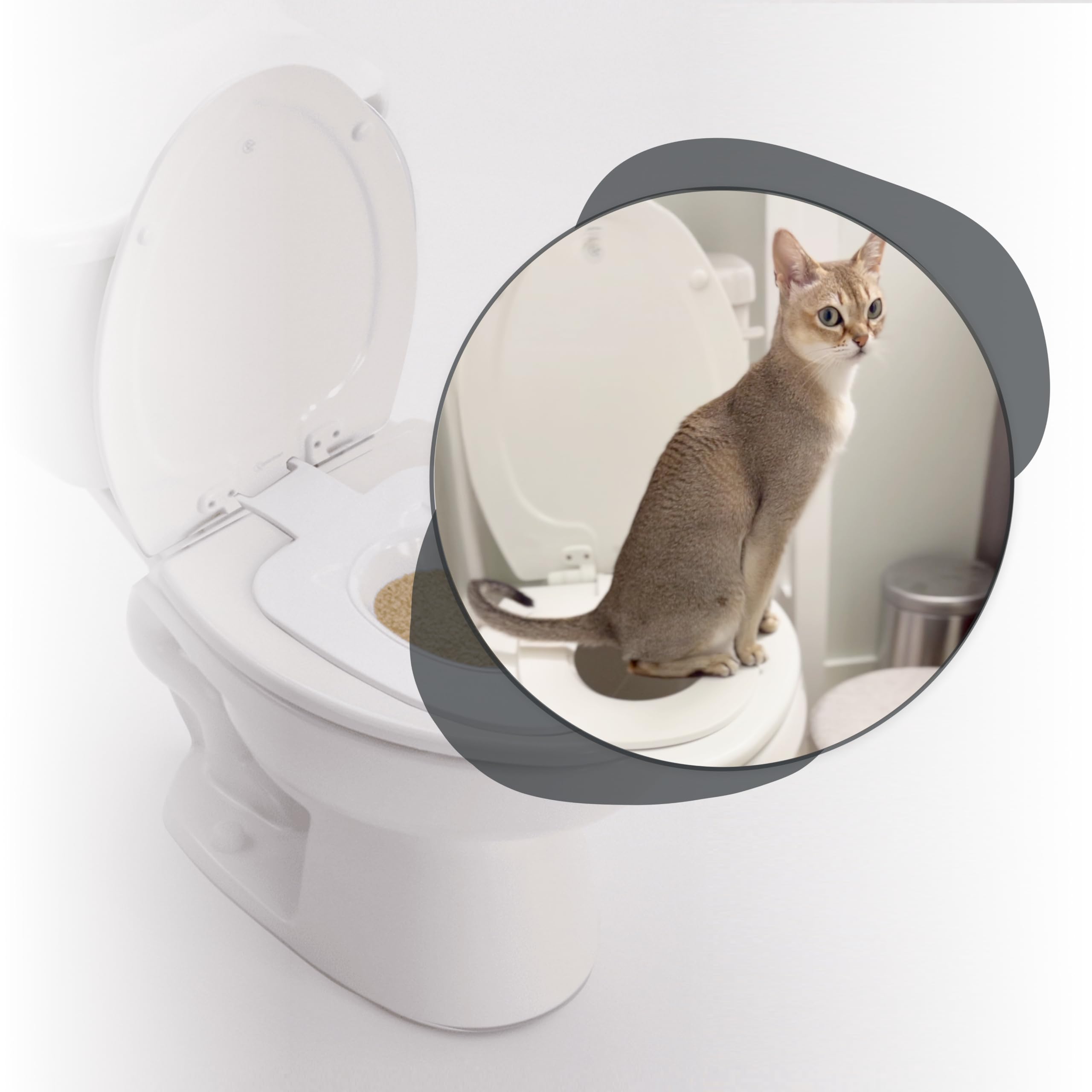
After the litter box is next to the toilet, introduce a training seat. This seat fits over the toilet and holds litter. It helps your cat learn to balance on the toilet seat. The training seat usually has small holes to reduce litter use. Start with a full litter tray and gradually reduce litter over time.
- Choose a sturdy training seat made for cats
- Place it securely on the toilet
- Fill with familiar litter at first
- Gradually reduce litter as your cat adapts
- Stay patient and give positive reinforcement
Step-by-step Training Process
Potty training your cat to use the toilet is a process that demands patience and consistency. Breaking down the training into clear steps helps both you and your cat adjust smoothly. Let’s explore each phase carefully so you can guide your feline friend with confidence.
Gradual Litter Reduction
Start by moving your cat’s litter box closer to the bathroom. This helps your cat get comfortable with the new location before introducing the toilet itself. Once your cat is using the litter box near the toilet, slowly reduce the amount of litter you put inside it.
Cutting back on litter encourages your cat to rely less on it and more on the surface below. You can decrease the litter in small steps, like removing a tablespoon every few days. This gradual change prevents stress and resistance.
Encouraging Toilet Use
After your cat is comfortable with the litter box near the toilet, place a training seat on the toilet bowl. These seats hold litter and fit over the toilet, allowing your cat to balance and get used to the height. You might need to guide your cat onto the seat gently at first.
To make this transition easier, reward your cat with treats or praise when they use the training seat. Positive reinforcement builds good habits faster. You can also use a small amount of flushable litter in the training seat to mimic the litter box feel.
Monitoring Progress
Keep a close eye on your cat’s behavior throughout the process. Are they hesitant or eager to use the toilet? Watch for signs of stress or accidents outside the toilet area. These clues help you decide if you need to slow down or try a different approach.
Track each successful visit and celebrate milestones, no matter how small. Have you noticed your cat becoming more confident over time? Your attentive observation ensures the training stays on track and your cat stays happy.
Common Challenges And Fixes
Potty training your cat to use the toilet can be a rewarding experience, but it often comes with hurdles that test your patience. Understanding common challenges and knowing how to fix them will keep you motivated and on track. Let’s look at typical problems you might face and practical ways to overcome each one.
Cat Refuses To Use The Toilet
Some cats resist switching from their litter box to the toilet. They may feel unsure or scared of the new setup. To ease this, try moving the litter box gradually closer to the toilet over several days.
Once it’s right beside the toilet, raise the box’s height a little each day using sturdy books or boxes. This helps your cat get used to the height difference without stress. Are you giving your cat enough time to adjust at each stage?
Cat Falls Into The Toilet
Accidents happen, especially when your cat is still learning balance and aiming skills. If your cat falls in, don’t scold—it will only create fear. Instead, reduce the water level during training by using a shallow training seat or placing a small amount of water.
Some owners use a training seat with a litter-filled tray to mimic the litter box feel. This can help your cat feel safe while mastering the new spot. Could adding more litter help your cat feel less slippery?
Cat Continues To Scratch Or Mess Outside The Toilet
Scratching around the toilet or peeing elsewhere may mean your cat isn’t fully comfortable. Make sure the toilet seat is always up and clean. Cats dislike dirty or wet surfaces, so keeping the area tidy encourages consistent use.
Another tip is to provide praise or treats immediately after successful toilet use. Positive reinforcement builds good habits faster. Have you noticed if your cat responds better to treats or verbal praise?
Cat Shows Signs Of Stress Or Anxiety
Some cats get stressed during toilet training, showing signs like hiding or decreased appetite. If this happens, slow down the process and give your cat more breaks using the regular litter box. Stress can halt progress, so patience is key.
Try to keep a calm environment and avoid sudden changes elsewhere in your home. Sometimes, just a little extra attention and reassurance can make a big difference. Are you tracking your cat’s mood and behavior daily?
Toilet Training Regression
It’s common for cats to regress, especially after disruptions like moving furniture or guests visiting. If your cat starts using the litter box again, don’t worry. Go back a few steps in the training and reinforce the routine gently.
Consistency matters more than speed. Remind yourself that setbacks are part of the learning curve, not failures. How can you adjust your routine to prevent future regressions?
Maintaining Good Hygiene
Maintaining good hygiene is key when potty training your cat to use the toilet. Cleanliness keeps your bathroom fresh and your cat healthy. It also helps prevent bad odors and keeps the toilet area inviting for your pet.
Regular cleaning stops germs from spreading. Your cat’s toilet habits should stay hygienic to avoid infections. A clean environment encourages your cat to keep using the toilet properly.
Cleaning The Toilet Regularly
Flush the toilet after your cat uses it. Use a gentle cleaner safe for pets to wipe the seat and bowl. Avoid harsh chemicals that can harm your cat’s paws or nose.
Washing Your Cat’s Paws
Check your cat’s paws after toilet time. Wipe them gently with a damp cloth to remove any residue. This step prevents your cat from tracking dirt around your home.
Keeping The Bathroom Dry
Dry any water spills quickly. Wet floors can cause slips or discomfort for your cat. Use a small mat near the toilet to catch drips and keep the area tidy.
Using Safe Cleaning Products
Choose pet-friendly cleaning sprays and wipes. Strong chemicals can irritate your cat’s skin and respiratory system. Read labels carefully to pick safe options for your bathroom.
Monitoring Your Cat’s Health
Watch for signs of infections or discomfort. Redness, swelling, or unusual behavior means a vet visit is needed. Good hygiene supports your cat’s overall well-being during training.

Credit: www.amazon.com.au
When To Seek Professional Help
Knowing when to seek professional help during your cat’s toilet training journey can save you time, frustration, and stress. Sometimes, despite your best efforts, your cat might struggle with adapting to the new routine. Recognizing the signs that indicate it’s time to get expert advice can make all the difference.
Signs Your Cat Is Struggling Beyond Normal Training Challenges
If your cat consistently refuses to use the toilet or shows signs of anxiety around it, this might be a red flag. Look for behaviors like hiding, excessive scratching, or vocalizing in distress. These could mean your cat isn’t comfortable or is experiencing fear linked to the toilet training process.
Health Issues That May Affect Toilet Training
Sometimes, medical problems interfere with your cat’s ability to use the toilet properly. If you notice sudden changes in urination habits, accidents outside the toilet, or signs of pain, consult your vet immediately. Conditions like urinary tract infections or arthritis can make toilet use uncomfortable or painful for your cat.
When Professional Trainers Can Provide Valuable Guidance
Professional cat trainers have specialized knowledge and tools to help overcome stubborn toilet training problems. If you’ve tried multiple techniques without success, a trainer can offer customized strategies. They can also observe your cat’s behavior objectively and suggest adjustments you might not have considered.
How To Choose The Right Professional Help
Look for trainers or behaviorists with experience in toilet training cats specifically. Ask for recommendations or check reviews to ensure they use positive, gentle methods. You want someone who understands your cat’s unique needs and works collaboratively with you.
Credit: www.amazon.com
Frequently Asked Questions
How Long Does Cat Toilet Training Take?
Cat toilet training usually takes 4 to 8 weeks. Patience and consistency are essential for success. Each cat learns at its own pace.
What Supplies Do I Need To Toilet Train A Cat?
You need a special cat toilet training seat, treats, and patience. Gradually transition your cat from litter box to toilet.
Can All Cats Learn To Use The Toilet?
Most cats can learn, but some may resist. Age and personality affect success. Older cats might take longer to adapt.
How Do I Start Potty Training My Cat?
Begin by moving the litter box closer to the toilet. Then, gradually raise its height until it aligns with the toilet seat.
Conclusion
Potty training your cat takes time and patience. Start slow and keep sessions short. Reward your cat for every small success. Expect some accidents along the way. Stay calm and consistent with your approach. Your cat will learn to use the toilet eventually.
Enjoy a cleaner home and less litter mess. This process builds trust between you and your pet. Every cat is different, so adapt as needed. Celebrate progress, no matter how small it seems. Potty training can improve your life and your cat’s too.



Leave a Reply