Potty training a cat can be tricky, but what if your cat isn’t a kitten anymore? You might think it’s too late to change their habits, but it’s not.
Teaching an older cat to use the litter box can save you from frustrating messes and keep your home clean. If you’ve been struggling or just want to make sure your furry friend is comfortable and happy, this guide is for you.
Keep reading, and you’ll discover simple, effective steps to potty train your older cat with ease.
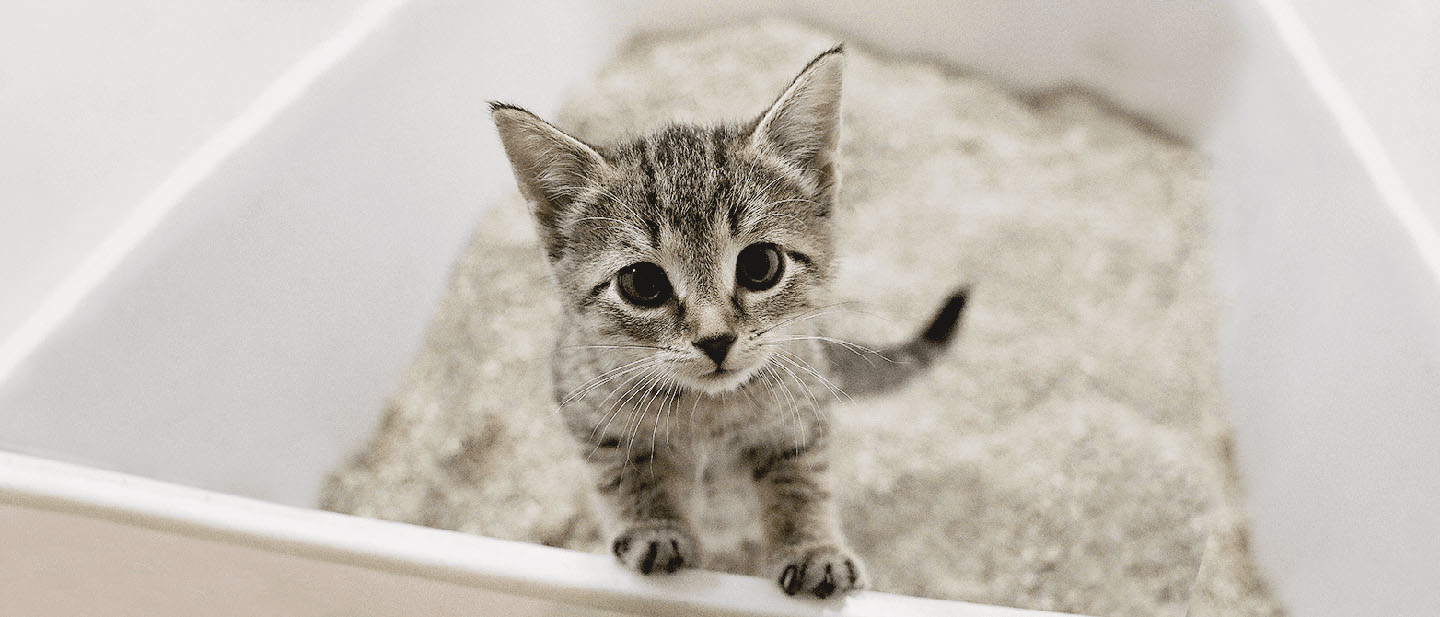
Credit: www.whiskas.com.ph
Choosing The Right Litter Box
Choosing the right litter box is important for potty training an older cat. Older cats may have special needs like limited mobility or arthritis. A litter box that suits these needs helps your cat feel comfortable and safe. This comfort encourages good bathroom habits. Pay attention to the size, type, and where you place the litter box to make training easier.
Size And Accessibility
Choose a litter box that is large enough for your cat to move freely. Older cats may have trouble stepping into tall boxes. Low-entry boxes allow easy access. Boxes with a lower front edge are best. Make sure the box is stable and does not wobble. This keeps your cat confident when using it.
Types Of Litter Boxes
Open litter boxes let your cat see the room. This can reduce stress for some cats. Covered litter boxes provide privacy but might trap odors. Some older cats dislike enclosed spaces. Self-cleaning litter boxes reduce your effort but may scare shy cats. Consider your cat’s personality and health before choosing. Soft, non-slip mats around the box add extra comfort.
Placement Tips
Place the litter box in a quiet, low-traffic area. Older cats need calm places to feel safe. Avoid noisy or busy spots like near washing machines. Keep the box near where your cat spends most time. Avoid placing it near food or water bowls. Make sure the spot is easy to reach without obstacles. This helps prevent accidents and encourages use.
Selecting Suitable Litter
Selecting the right litter is crucial for potty training an older cat. Older cats can be sensitive to new smells and textures. Choosing a litter that suits their preferences helps reduce accidents. It also makes the training process smoother and less stressful for both of you.
Texture And Scent
Older cats prefer soft and fine-textured litter. Rough or hard litter can hurt their paws. Unscented or lightly scented litter works best. Strong smells can scare or confuse your cat. Use litter similar to what they used before. This helps them feel comfortable and safe.
Clumping Vs Non-clumping
Clumping litter forms solid clumps when wet. It is easy to scoop and keeps the box clean. Non-clumping litter absorbs moisture but does not form clumps. It needs full replacement more often. Many older cats like clumping litter because it feels cleaner. Try both types to see which your cat prefers.
Cleaning Frequency
Clean the litter box daily. Older cats dislike dirty litter boxes. A clean box encourages them to use it regularly. Remove clumps and waste every day. Wash the box with mild soap weekly. Fresh litter and a clean box make training easier and more effective.
Creating A Positive Environment
A calm and clean space helps an older cat feel safe during potty training. Gentle praise and patience encourage good habits without stress. Creating comfort boosts trust and makes learning easier.
Creating a positive environment is crucial for potty training an old cat. Cats are sensitive creatures. They need a calm and safe space to learn. Let’s explore how to make this transition smooth for your feline friend.Reducing Stress
Stress can hinder a cat’s learning. Keep their routine consistent. Feed them at the same times each day. Play with them regularly to build trust. Provide scratching posts and toys. These reduce anxiety and keep them engaged.Safe And Quiet Spaces
Cats need quiet places to feel secure. Choose a low-traffic area for the litter box. Avoid noisy appliances and busy rooms. This helps them feel safe while using the litter box. Ensure the area is well-lit and easy to access.Using Pheromone Sprays
Pheromone sprays can ease a cat’s nerves. They mimic natural cat pheromones. This makes your cat feel more comfortable. Spray them near the litter box area. Use them in other places your cat visits often. This creates a calming effect throughout their environment.Step-by-step Training Process
Training an older cat to use a litter box requires patience and a clear plan. The process involves gentle introduction, positive encouragement, and careful handling of any setbacks. Here’s how you can guide your cat through this change, step by step.
Introducing The Litter Box
Place the litter box in a quiet, easily accessible area. Older cats may prefer a spot away from noisy appliances or heavy foot traffic. Make sure the box is low enough for your cat to enter comfortably, especially if mobility is an issue.
Use a litter type that your cat is familiar with or one that mimics their natural preferences, such as unscented clumping litter. Sometimes, placing your cat gently inside the box after meals or naps helps them understand its purpose. Have you noticed where your cat likes to rest or spend time? Position the box nearby to increase the chance they’ll use it.
Encouraging Use
Reward your cat immediately when they use the litter box. This could be a gentle pet, a soft voice, or a favorite treat. Positive reinforcement helps your cat associate the box with good things.
Keep the box clean by scooping daily and changing litter regularly. Cats dislike dirty environments, and cleanliness encourages consistent use. If your cat seems hesitant, try adding a second box in another quiet location to give them options.
Handling Accidents
Accidents will happen, so stay calm and avoid punishment. Clean the soiled areas thoroughly with an enzymatic cleaner to remove odors that might attract your cat back to the same spot.
Observe if accidents happen in specific places or times, and adjust the litter box location or your cat’s routine accordingly. Could stress or health issues be behind the accidents? Consulting a vet might reveal underlying causes that training alone can’t fix.
Health Considerations
Potty training an older cat requires extra attention to health. Older cats might have hidden health problems affecting their bathroom habits. Understanding these health factors helps create a better training plan. It also prevents discomfort and accidents during training.
Checking For Medical Issues
Older cats often develop health conditions like urinary tract infections or kidney problems. These issues can cause sudden changes in litter box use. Watch for signs such as frequent urination, blood in urine, or pain while urinating. These symptoms need prompt veterinary attention. Rule out medical problems before starting potty training.
Diet And Hydration Impact
What your cat eats affects their bathroom behavior. Cats on dry food may drink less water, making urine more concentrated. This can lead to urinary problems or discomfort. Offer wet food or fresh water regularly to improve hydration. Balanced nutrition supports healthy digestion and regular urination. Monitor any diet changes closely during training.
When To Visit The Vet
Visit the vet if your cat shows sudden litter box avoidance. Persistent accidents or signs of pain also require professional help. A vet can diagnose underlying conditions and suggest treatments. Early veterinary care makes potty training smoother and safer. Regular check-ups ensure your cat stays healthy as they age.
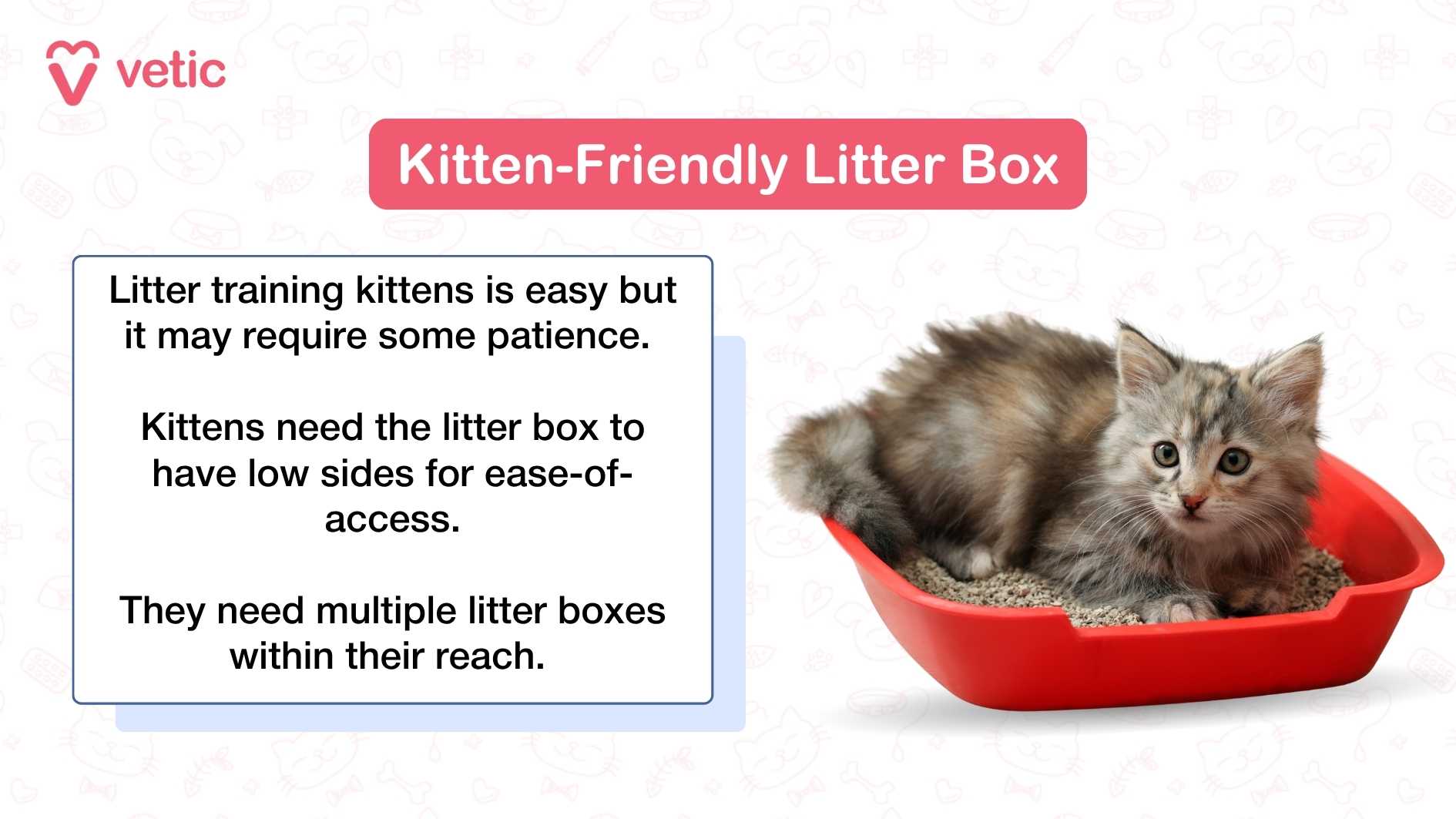
Credit: vetic.in
Maintaining Consistency
Maintaining consistency is key when potty training an older cat. Your cat thrives on predictability, and any sudden changes can cause confusion or stress. Keeping a steady approach helps your cat understand what you expect and builds trust throughout the process.
Establishing A Routine
Set specific times for taking your cat to the litter box, especially after meals and naps. Older cats benefit from a clear schedule that matches their natural habits.
Try to use the same litter box and litter type consistently. Changing these frequently can throw off your cat’s comfort and slow progress.
Ask yourself: Have you noticed particular times when your cat prefers to go? Use those moments to reinforce the routine.
Positive Reinforcement
Reward your cat immediately after they use the litter box correctly. Treats, gentle petting, or soft praise can motivate them.
Ignore accidents without punishment. Negative reactions confuse cats and can make them avoid you or the litter box.
Remember, even small successes deserve celebration. This builds your cat’s confidence and encourages repeat behavior.
Patience And Persistence
Older cats may take longer to adjust than kittens, so expect gradual progress. Don’t rush or get frustrated.
Keep consistent with your routine and rewards, even if results seem slow. Persistence shows your cat that you won’t give up.
Have you ever felt like giving up during training? Think about how steady effort can change your cat’s habits over time.
Credit: www.purina.com
Frequently Asked Questions
How Long Does It Take To Potty Train An Old Cat?
Potty training an old cat usually takes 2 to 4 weeks. Consistency and patience are key. Gradual steps and positive reinforcement speed up training.
Can Older Cats Learn To Use A Litter Box?
Yes, older cats can learn to use a litter box. It requires patience, consistency, and a clean, accessible litter area to encourage use.
What Litter Type Works Best For Old Cats?
Clumping, unscented, and soft-textured litter is ideal for older cats. It’s gentle on paws and easy to clean, promoting consistent use.
How To Handle Accidents During Potty Training?
Clean accidents promptly with enzyme cleaners to remove odor. Avoid punishment; instead, encourage your cat gently to use the litter box.
Conclusion
Potty training an older cat takes time and patience. Stay calm and consistent every day. Use positive rewards to encourage good habits. Watch your cat’s signals to know when it’s ready. Small steps lead to big progress. Remember, every cat learns at its own pace.
Enjoy the process and celebrate each success. Soon, your cat will use the litter box confidently. Keep your home clean and your cat happy. Patience and love make all the difference.


Leave a Reply