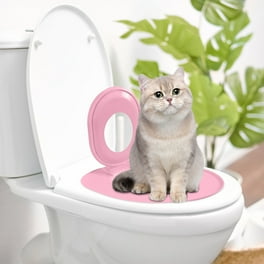
Potty training your cat to use the toilet might sound tricky, but it’s easier than you think. Imagine never having to scoop litter again or worry about unpleasant odors in your home.
With the right steps, you can teach your cat this clever habit and enjoy a cleaner, fresher space. If you’re ready to make life simpler for both you and your furry friend, keep reading. This guide will show you exactly how to potty train your cat to use the toilet — step by step, with tips that really work.
Benefits Of Toilet Training Cats
Toilet training cats offers many benefits for both pets and owners. It simplifies cleaning and helps maintain a fresh home environment. Cats learn to use the toilet naturally, reducing litter mess and odor. This training can save money on litter and reduce waste. It also encourages good hygiene habits in cats.
Reduces Litter Box Maintenance
Toilet training eliminates the need to clean litter boxes. No more scooping or changing litter daily. This saves time and effort for busy cat owners. It also prevents litter tracking around the house.
Improves Home Cleanliness
Without a litter box, the home stays cleaner. There is no scattered litter on floors or carpets. Odors from waste are minimized, creating a fresher living space. It also reduces the chance of bacteria and germs spreading.
Cost Savings
Using the toilet cuts down on litter expenses. Cat litter can be costly over time. Toilet training means fewer purchases of litter and liners. This leads to noticeable savings in the long run.
Supports Environmental Responsibility
Toilet training reduces plastic waste from litter bags and containers. Less litter means less landfill waste. It is a greener choice for environmentally aware pet owners. Conserving resources benefits the planet and future generations.
Encourages Healthy Cat Behavior
Cats often enjoy using the toilet once trained. It matches their natural instincts to dig and cover. Toilet training can reduce stress linked to dirty litter boxes. It can also prevent some common litter box problems.

Credit: kmccberwick.ca
Preparing Your Cat For Training
Preparing your cat for toilet training is the first key step. It sets the foundation for smooth progress. A calm and patient approach helps your cat adjust. Understanding your cat’s needs and environment makes training easier. This section covers how to choose the right toilet, gather supplies, and create a cozy space.
Choosing The Right Toilet
Select a toilet that fits your bathroom size. A standard toilet works well for most cats. Consider a model with a slow-closing lid to avoid noise. Make sure the toilet seat is sturdy and easy for your cat to sit on. Avoid toilets that flush automatically to prevent startling your pet. Observe your cat’s size and agility before choosing.
Gathering Necessary Supplies
Prepare all supplies before starting training. You will need:
- A training seat or cat toilet trainer
- Flushable cat litter or training pads
- A stool or step for easy access
- Cleaning supplies for accidents
- Treats to reward good behavior
Having everything ready reduces stress for both you and your cat. It also keeps the training process smooth and consistent.
Creating A Comfortable Environment
Choose a quiet bathroom with minimal noise. Keep the area clean and free of clutter. Ensure the toilet seat is dry before each use. Introduce your cat to the bathroom slowly and calmly. Provide a soft towel or mat for your cat to stand on. Patience and comfort encourage your cat to use the toilet confidently.
Step-by-step Training Process
Potty training your cat to use the toilet is a gradual process that requires patience and consistency. Breaking it down into clear steps helps your cat adjust comfortably without stress. Each phase builds on the previous one, making the transition smooth for both you and your feline friend.
Introducing The Litter Box Near The Toilet
Start by moving your cat’s litter box closer to the bathroom. Place it next to the toilet so your cat gets used to the new location. This small change helps your cat associate the bathroom area with their bathroom needs.
Watch how your cat reacts during this phase. Are they comfortable exploring the new spot? If your cat hesitates, spend extra time encouraging them with treats or gentle praise.
Gradually Raising The Litter Box
Once your cat is comfortable using the litter box near the toilet, raise the box a few inches higher each day. Use sturdy objects like books or boxes to create a stable platform. This gradual elevation trains your cat to jump up, preparing them for the toilet height.
Keep an eye on your cat’s balance and comfort. If they seem uneasy, slow down the raising process. Remember, rushing can cause frustration for your cat and slow down progress.
Transitioning To The Training Seat
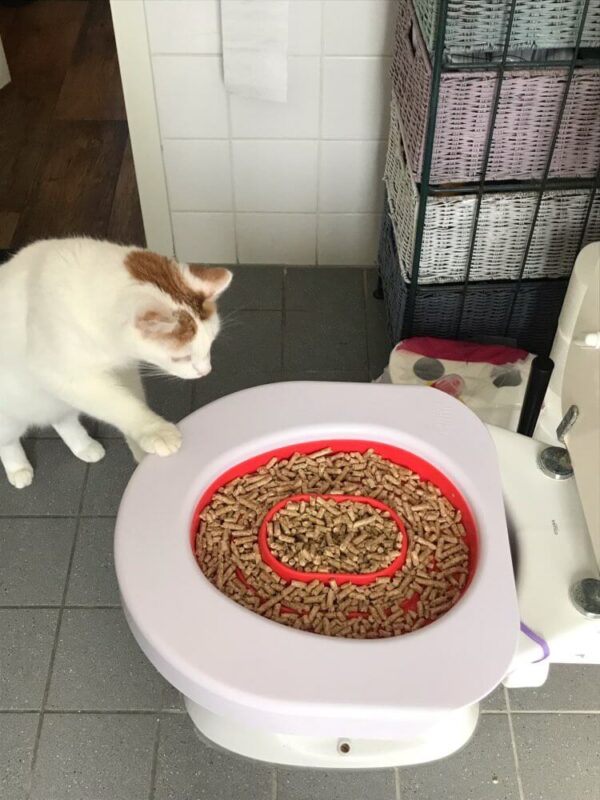
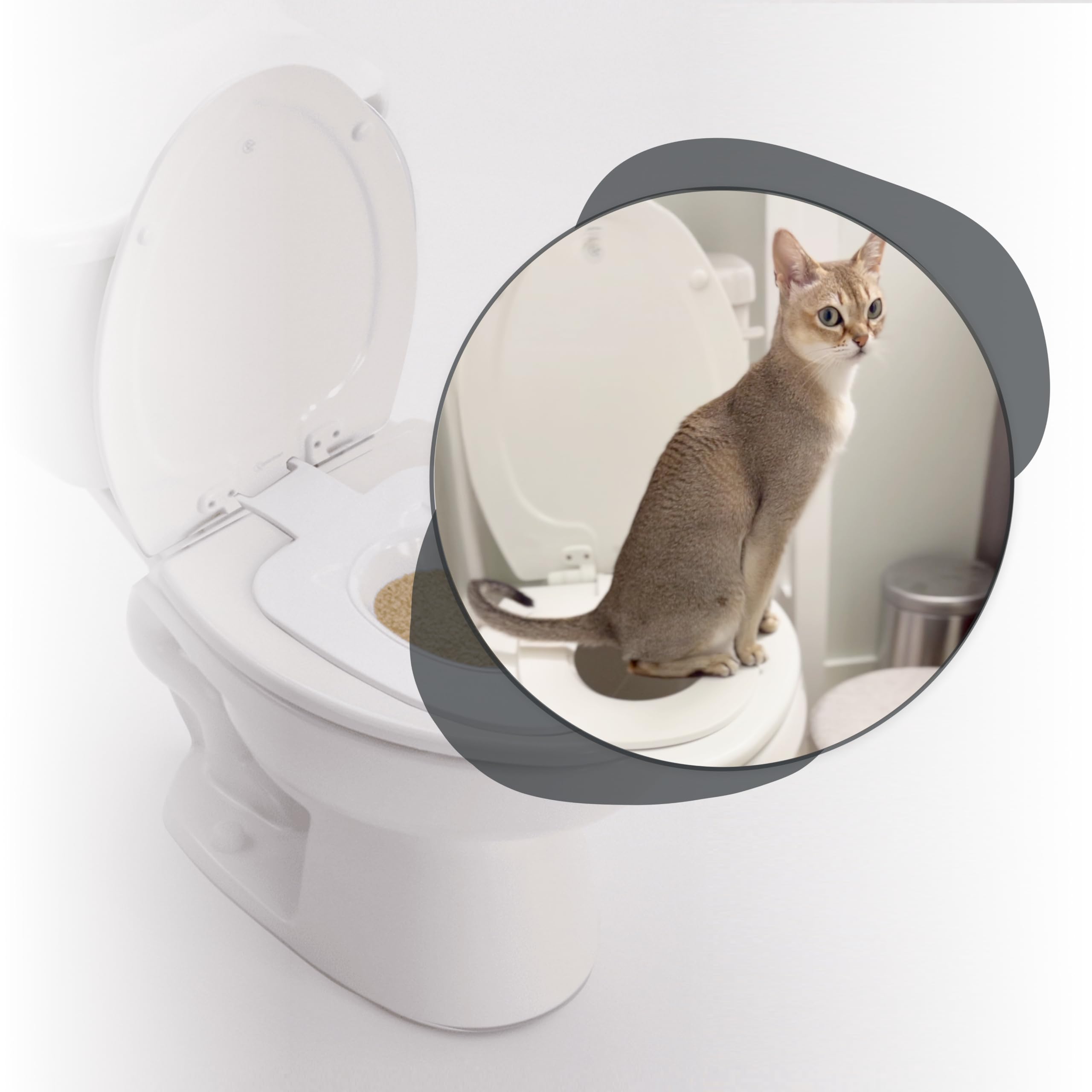
Replace the litter box with a special cat toilet training seat that fits over your toilet bowl. These seats hold litter but allow your cat to get used to the toilet itself. Encourage your cat to use the seat by adding familiar litter and rewarding them after each successful use.
How does your cat respond to this new setup? Some cats might take to it quickly, while others need more time. Patience is key during this adjustment.
Reducing Litter And Using Water
Once your cat is confidently using the training seat, start reducing the amount of litter. Gradually replace litter with water to familiarize your cat with the flushing mechanism. This step helps your cat adapt to the final stage of toilet use without litter.
Notice if your cat shows any hesitation. If so, hold off on reducing litter further until they seem ready. Your goal is to keep the experience positive and stress-free.
Removing The Training Seat
After your cat comfortably uses the toilet with water and minimal litter, remove the training seat entirely. Your cat should now be able to balance on the toilet seat and use it as their bathroom spot. Keep the lid up and toilet seat down to avoid accidents.
Celebrate your cat’s success with treats and affection. Have you considered how this new habit will change daily cleaning routines? Many cat owners find it frees up time and reduces odor.
Credit: advantia.com.au
Common Challenges And Solutions
Potty training your cat can be quite a journey. You may face challenges as you transition your feline friend to using the toilet. Understanding these common challenges and their solutions can make the process smoother. Here’s a guide to help you navigate through some of the hurdles.
Dealing With Resistance
Cats might resist using the toilet at first. It’s a big change from their litter box. To ease this transition, introduce the toilet gradually. Place the litter box next to the toilet. Gradually raise it closer to the toilet seat level. This helps your cat adjust to the new height. Be patient and reward your cat with treats for progress.
Managing Accidents
Accidents can happen during toilet training. Clean any messes quickly to avoid odor. Use an enzymatic cleaner to remove the scent completely. This prevents your cat from returning to the same spot. Consistency is key. If accidents continue, reassess the training steps. Ensure the toilet setup is comfortable for your cat.
Keeping Your Cat Motivated
Motivation plays a crucial role in successful training. Use treats and praise to keep your cat engaged. Reward your cat each time they use the toilet correctly. Maintain a positive attitude. Avoid punishment, as it can cause stress and setbacks. Celebrate small victories with your feline friend.
Tips For Long-term Success
Potty training your cat to use the toilet is a fantastic achievement, but keeping that success over time requires ongoing care and attention. Without consistent effort, even the most well-trained cats can slip back into old habits. Here are some key tips to help you maintain your cat’s toilet training for the long run.
Maintaining Cleanliness
Keeping the toilet area clean is essential for encouraging your cat to continue using it. Cats are naturally clean animals and may refuse to use a dirty toilet. Make sure to flush regularly and wipe down the seat to remove any residue or odors.
Consider using mild, unscented cleaners to avoid deterring your cat. Your cat’s willingness to use the toilet often depends on how fresh and inviting the area feels. Have you noticed how your cat reacts when the bathroom isn’t spotless?
Monitoring Cat Behavior
Pay close attention to your cat’s behavior around the toilet. Changes in their routine, hesitation, or signs of stress might indicate discomfort or confusion. Catching these signals early allows you to address any issues before they become habits.
Keep an eye out for signs like excessive sniffing, circling, or avoidance of the bathroom. If your cat seems reluctant, try to figure out what might be causing the discomfort. Could it be a sudden change in the bathroom environment or a health issue?
Adjusting To Changes
Life changes such as moving homes, new pets, or even rearranged furniture can disrupt your cat’s toilet training. Be ready to adapt your approach as needed, and be patient during transitions. Sometimes a little extra reassurance or returning temporarily to the litter box can help your cat regain confidence.
Try to keep the bathroom setup consistent and familiar. If you travel or move, bring along the training tools and maintain your cat’s routine as much as possible. What adjustments have you made when your cat faced changes, and how did they respond?
Credit: www.amazon.com
Frequently Asked Questions
How Long Does Cat Toilet Training Usually Take?
Cat toilet training typically takes 4 to 8 weeks. The duration depends on your cat’s age and adaptability. Patience and consistency are key to success. Gradual training steps help your cat adjust comfortably to the new routine.
What Supplies Are Needed For Potty Training Cats?
You need a special cat toilet training seat, a stable toilet seat, and some treats. Gradual transition tools like litter trays that fit over the toilet are helpful. Consistent cleaning supplies maintain hygiene during training.
Can All Cats Learn To Use A Toilet?
Most cats can learn to use a toilet, but some resist. Age, temperament, and previous litter habits affect success. Older or anxious cats may need longer or prefer litter boxes. Training requires patience and encouragement.
How To Prevent Accidents During Cat Toilet Training?
Keep the training area clean and accessible at all times. Use positive reinforcement and avoid punishment for accidents. Gradually reduce litter to help the cat adjust. Monitor progress and adjust training pace as needed.
Conclusion
Potty training your cat to use the toilet takes time and patience. Start slowly and be consistent each day. Celebrate small wins to keep your cat motivated. Remember, every cat learns at its own pace. Stay calm and never punish your cat.
Clean the toilet area regularly to keep it inviting. With care and practice, your cat will learn this new skill. Enjoy the benefits of a cleaner home. Keep trying, and success will come.

Leave a Reply