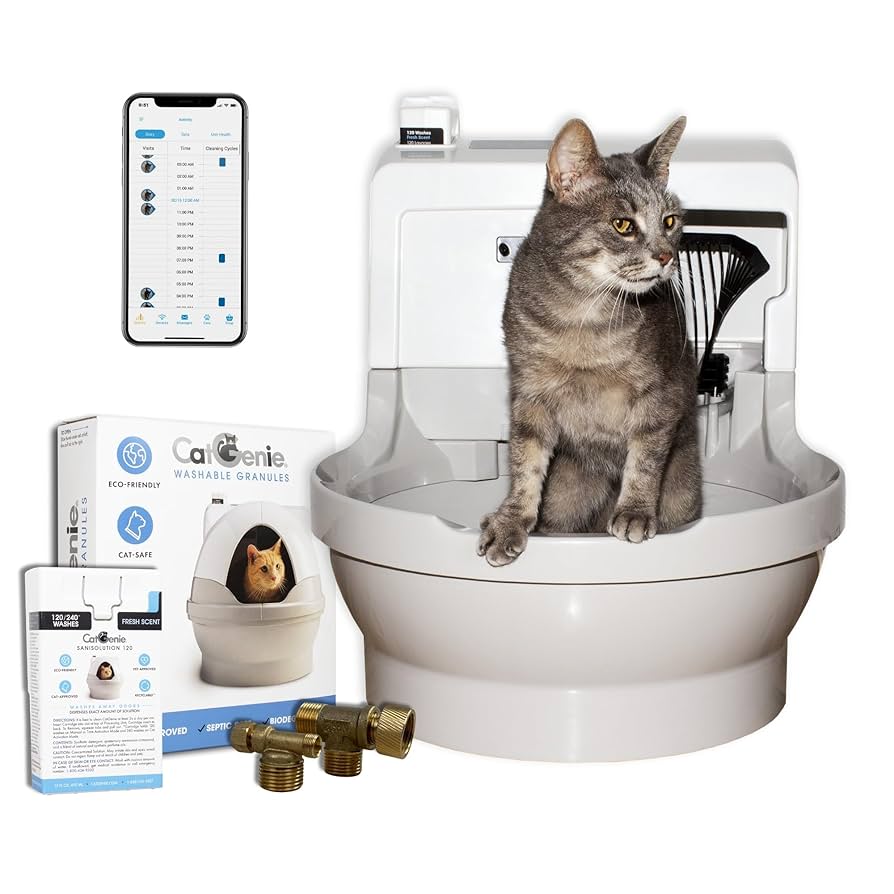
Potty training a cat can be a real challenge, especially when you have a septic tank at home. You want to keep your cat clean and your septic system safe, but how do you make sure both happen?
If you’ve been wondering how to teach your cat to use the toilet without harming your septic tank, you’re in the right place. This guide will show you simple, effective steps that protect your home and make life easier for you and your furry friend.
Keep reading—you’ll discover tips that can save you time, money, and stress.
Choosing The Right Litter Box
Choosing the right litter box is important for successful potty training. It affects your cat’s comfort and the health of your septic tank. The wrong box or litter can cause clogs or damage. Selecting a box that fits your septic system needs helps avoid problems. This section explains what to consider.
Types Suitable For Septic Systems
Not all litter boxes work well with septic tanks. Choose boxes that are easy to clean and do not trap waste. Avoid automatic self-cleaning boxes that flush waste directly. They may harm your septic system.
Look for these types:
- Standard open litter boxes allow easy access and cleaning.
- High-sided boxes prevent litter scatter but remain simple.
- Boxes with non-absorbent liners reduce waste buildup.
Use biodegradable or septic-safe litter to protect your tank. Clay or clumping litters can clog pipes.
Size And Accessibility
The litter box must fit your cat comfortably. Small boxes cause stress and accidents. Large boxes give space to dig and cover waste.
Consider these points:
- Box size should be 1.5 times your cat’s length.
- Low entry sides help kittens and older cats enter easily.
- Boxes with high sides keep litter inside but remain accessible.
Place the box in a quiet, easy-to-reach spot. This encourages regular use and less mess.

Credit: www.chewy.com
Preparing The Training Area
Preparing the training area is a critical step in successfully potty training your cat, especially when using a septic tank system. The right environment can make the difference between success and constant messes. Let’s explore how to set up a space that encourages your cat to learn quickly and adapt to this new routine.
Location Considerations
Choosing the right location for your cat’s potty training area is crucial. The space should be quiet and free from distractions, ensuring your cat feels secure. A bathroom or laundry room often works well, as they are typically low-traffic areas.
Consider the proximity to your septic tank. You want the training area to be as close as possible to minimize your cat’s travel distance. This not only aids in the transition but also reduces the likelihood of accidents.
Maintaining Cleanliness
Keeping the training area clean is essential for your cat’s comfort and health. Regularly clean the litter box and surrounding area to prevent odors and bacteria buildup. Use septic-safe products to avoid damaging your system.
If your cat is hesitant to use the litter box, check for cleanliness issues. Cats are naturally clean animals and might refuse to use a dirty box. Always have a scoop and a trash bin nearby for quick clean-ups.
Have you ever considered how a spotless environment could ease your cat’s training process? It might be just the nudge they need to master their new potty routine!
Introducing The Cat To The Litter Box
Introducing your cat to a litter box is a crucial step in potty training, especially when you have a septic tank system. The right introduction can set the tone for success and prevent issues later on. Your goal is to make the litter box a familiar and comfortable place for your cat, reducing any hesitation or confusion.
Encouraging Initial Use
Place the litter box in a quiet, accessible spot where your cat spends most of its time. Cats dislike noisy or high-traffic areas, so choose a calm corner to avoid stress. Show your cat the box and gently place them inside to help them understand its purpose.
Keep the litter box clean and use litter that resembles natural materials like sand or soil. Some cats prefer unscented litter, so test a few types to find what your cat likes best. Watch your cat closely after meals or naps—they often need to go then, and guiding them to the box can reinforce the habit.
Positive Reinforcement Techniques
Reward your cat immediately after they use the litter box. Small treats, gentle petting, or soft verbal praise work well. Positive reinforcement helps your cat associate the box with good things, encouraging consistent use.
If accidents happen, avoid punishment. Negative reactions can cause fear or confusion, making training harder. Instead, clean the area thoroughly to remove odors and calmly redirect your cat to the litter box.
Have you noticed your cat’s favorite spots for elimination? Use those clues to place additional temporary boxes nearby. This strategy can boost success rates and ease the transition.

Credit: www.thecatthrone.com
Monitoring And Adjusting The Process
Monitoring and adjusting the potty training process is key to success. It helps you know how your cat feels and acts. Watching closely allows quick fixes before problems grow.
Each cat learns at its own pace. Some may catch on fast. Others need more time and patience. Careful observation helps you understand your cat’s comfort and readiness.
Recognizing Signs Of Readiness
- Your cat starts showing interest in the litter box or toilet area.
- They pause or sniff around before going to the bathroom.
- Your cat follows you to the bathroom or stays nearby.
- They avoid soiling outside the training spot.
- Showing less anxiety or stress around the training area.
Noticing these signs means your cat is ready to move forward. Patience is important during this stage.
Troubleshooting Common Issues
- Cat avoids the toilet or litter box: Try changing the location or cleaning it more often.
- Accidents outside the training spot: Gently guide your cat back to the right place.
- Stress or fear: Use calm tones and offer treats for encouragement.
- Refusal to use the training setup: Lower the training seat or add familiar litter.
- Septic tank concerns: Ensure your cat’s waste does not block or harm the system.
Adjust the process to fit your cat’s needs. Small changes can improve training results greatly.
Managing Septic Tank Safety
Managing septic tank safety is essential when potty training your cat, especially if your home relies on a septic system. Improper use of cleaning products or neglecting regular maintenance can cause costly damage or even health hazards. Understanding how to protect your septic system while encouraging your cat to use the litter box can save you time and money.
Choosing Septic-safe Products
Not all cleaning products are safe for septic tanks. Harsh chemicals can kill the beneficial bacteria that break down waste in your tank, leading to blockages and backups.
Look for labels that say “septic safe” or “biodegradable.” These products break down naturally and maintain the health of your system.
Consider using natural options like vinegar or baking soda for cleaning the litter box area. They are gentle on both your cat and your septic tank.
Regular Maintenance Tips
Regular maintenance keeps your septic system working smoothly and prevents unexpected problems. You should have your tank inspected and pumped every 3 to 5 years, depending on usage.
Keep an eye on water usage in your home; excessive water can overload the system and reduce its efficiency. Fix leaks and avoid flushing anything other than waste and toilet paper.
Have you noticed any slow drains or odors around your home? These can be early signs your septic system needs attention. Acting quickly can prevent bigger issues down the road.

Credit: www.chewy.com
Transitioning To Toilet Training (optional)
Transitioning your cat to toilet training is an optional step after they get used to using a litter box. It requires patience and consistency. This change can reduce litter use and keep your home cleaner. Not every cat adapts quickly, so watch your pet’s comfort carefully.
Step-by-step Guide
- Place a training seat on your toilet to hold litter.
- Gradually move the litter box closer to the bathroom.
- Raise the box height over days to match toilet seat level.
- Replace the box with a special cat toilet trainer.
- Reduce litter amount slowly as your cat adapts.
- Encourage your cat to balance on the seat.
- Remove the trainer once your cat uses the toilet confidently.
Ensuring Septic Compatibility
Septic tanks need careful care. Avoid flushing litter or waste that harms the system. Use flushable products designed for septic safety. Keep the toilet clean to prevent blockages. Check your septic system regularly to avoid costly repairs. Use natural and biodegradable litter to protect the environment and your septic tank.
Frequently Asked Questions
How Do I Start Potty Training A Cat With A Septic Tank?
Begin by introducing a litter box near the cat’s usual bathroom spot. Use septic-safe litter to avoid tank damage. Gradually move the box to the desired location. Always keep it clean to encourage use and prevent accidents.
What Type Of Litter Is Safe For Septic Tanks?
Use biodegradable, flushable, or natural clumping litters that break down easily. Avoid clay-based or silica litters, as they can clog septic systems. Check product labels for septic-safe claims to protect your tank and maintain hygiene.
How Can I Prevent Septic Tank Damage During Potty Training?
Choose septic-safe litter and avoid flushing non-biodegradable waste. Regularly clean and maintain your septic system. Limit excessive water use near the septic tank to prevent overflow and ensure proper waste breakdown.
How Long Does Potty Training A Cat Usually Take?
Most cats adapt within 2 to 4 weeks with consistent training. Patience and positive reinforcement speed up the process. Monitor your cat’s behavior and adjust training methods as needed for best results.
Conclusion
Potty training a cat with a septic tank takes patience and care. Start slow and watch your cat’s behavior closely. Use safe, septic-friendly materials for the training area. Keep the spot clean to avoid smells and issues. Praise your cat when it uses the right place.
Small steps lead to big success. Your cat will learn with time and gentle guidance. This method keeps both your home and septic tank safe. Stay consistent, and your cat will adapt well.



Leave a Reply