Potty training a baby cat can feel tricky, but it doesn’t have to be. If you want your kitten to use the litter box every time, you’re in the right place.
Imagine a home free of accidents and stress, where your little furball knows exactly where to go. In this guide, you’ll discover simple steps that make potty training easier and faster for both you and your kitten. Ready to turn your baby cat into a litter box pro?
Let’s get started!
Choosing The Right Litter Box
Choosing the right litter box is a key step in potty training a baby cat. The box must fit the kitten’s size and be easy to use. A good litter box helps the kitten learn quickly and stay comfortable.
Size And Accessibility
The litter box should be small enough for the kitten to enter easily. It must have low sides so the kitten can climb in and out without trouble. A box that is too big might confuse the kitten.
Make sure the kitten can move freely inside the box. The space should allow turning around and digging. This helps the kitten feel safe and use the box properly.
Material And Design
Choose a litter box made of smooth, durable plastic. This material is easy to clean and does not absorb odors. Avoid boxes with rough surfaces that might hurt the kitten’s paws.
Open-top boxes work well for baby cats. They allow easy access and good ventilation. Covered boxes can trap odors and may scare a young kitten.
Placement Tips
Place the litter box in a quiet, low-traffic area. The spot should be easy for the kitten to find but away from food and water bowls. Privacy encourages the kitten to use the box without stress.
Keep the box on a flat surface. Avoid slippery floors that might frighten the kitten. Check the area regularly to keep it clean and inviting.
Picking The Best Litter
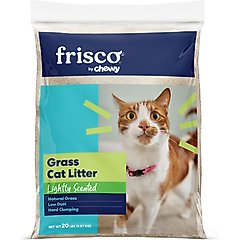
Choosing soft, clumping litter helps keep a baby cat comfortable and encourages use. Avoid strong scents to prevent overwhelming their sensitive noses. Clean litter boxes often to maintain hygiene and attract your kitten.
Picking the best litter is crucial in potty training your baby cat. The right choice ensures a smooth transition to litter box use. Cats can be picky, so selecting the right type matters.Types Of Cat Litter
Cat litter comes in various forms. Clay is the most common. It’s affordable and widely available. Silica gel litter absorbs moisture. It’s low dust and long-lasting. Biodegradable options include corn, wheat, and pine. They’re eco-friendly and safe if ingested. Consider your cat’s preferences and any allergies.Scented Vs Unscented
Scented litter masks odors. It can be pleasant for humans but not for cats. Some cats dislike strong scents. This may deter them from using the box. Unscented litter is often preferred by cats. It has a natural smell, making it less intrusive. Pay attention to your cat’s reaction.Clumping Properties
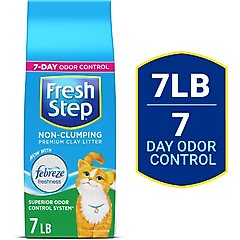
Clumping litter forms solid masses when wet. This makes cleaning easier. It’s popular for its convenience. Non-clumping litter absorbs moisture but doesn’t form clumps. It requires more frequent changing. Evaluate your maintenance preferences. Choose what works best for you and your cat.Setting Up The Litter Area
Choose a quiet, easy-to-access spot for the litter box. Use soft, clumping litter to encourage use and keep the area clean.
Setting up the litter area is crucial in potty training a baby cat. Cats are particular about their spaces. They need a comfortable and familiar environment. A well-chosen spot can make training easier.Quiet And Safe Spot
Choose a quiet corner for the litter box. Noise can scare your kitten. They need a calm place to feel secure. Ensure the area is free from loud sounds. Avoid placing the box near the washing machine or TV. A peaceful spot helps them relax and focus.Avoiding High Traffic Zones
Keep the litter box away from busy areas. High traffic zones can stress your kitten. They need privacy to do their business. Avoid hallways or entryways where people often pass. A secluded spot is ideal for their comfort. Make sure the litter box is easy to access. Your kitten should reach it without obstacles. This helps in building a regular habit.Introducing Your Kitten To The Litter Box
Introducing your kitten to the litter box is the first big step in potty training. This phase helps your kitten understand where to go when it needs to relieve itself. Patience and gentle guidance create a strong start. The goal is to make the litter box a safe and familiar place.
Early positive experiences build good habits. Keep the area quiet and calm. A clean and easy-to-access litter box invites your kitten to explore it naturally.
First Exposure
Show the litter box to your kitten as soon as it arrives home. Place it in a quiet corner with low traffic. Let your kitten sniff and look around. Avoid forcing your kitten inside the box. Instead, gently place its paws in the litter to feel the texture.
Clean litter is very important. Dirty litter can scare your kitten away. Use soft, unscented litter to avoid irritation. Keep the box shallow so the kitten can enter easily.
Encouraging Exploration
Encourage your kitten to visit the litter box often. After meals, naps, or playtime, guide it gently towards the box. Praise your kitten softly when it shows interest. You can use treats or soft petting as rewards.
Create a routine by placing the kitten in the litter box several times a day. Let the kitten explore without rushing. If it uses the box, give lots of praise. Stay patient and calm during accidents. Clean up quickly with mild, unscented cleaners to avoid smells that keep the kitten away.
Establishing A Routine
Establishing a routine is key to successfully potty training your baby cat. Cats thrive on consistency, and creating a predictable pattern helps them understand when and where to go. Your involvement in setting this routine can make all the difference in speeding up the learning process.
Regular Feeding Schedule
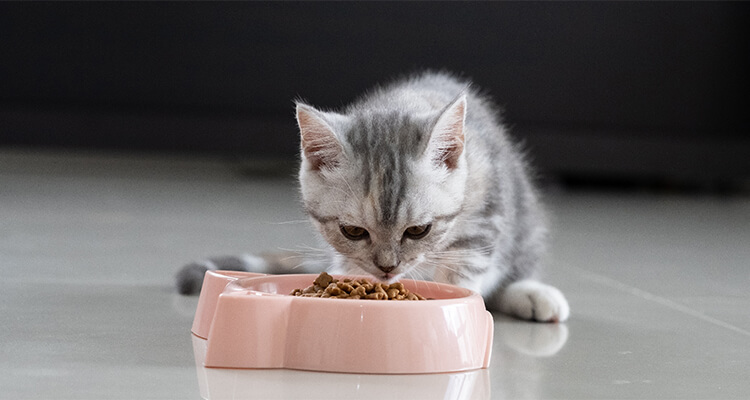
Stick to a regular feeding schedule for your kitten. Feeding at the same times every day helps regulate their digestion and bathroom habits.
Try feeding your kitten small meals about three to four times daily. This approach not only supports their growth but also creates predictable times when they need to use the litter box.
Have you noticed how your cat’s bathroom behavior changes after meals? Observing these patterns can give you clues about the best times to encourage litter box visits.
Frequent Litter Box Visits
Encourage your kitten to visit the litter box often, especially after eating or waking up. These are natural times when they feel the urge to go.
Place your kitten gently in the litter box during these times. Patience is key—sometimes it takes a few tries before they get comfortable.
Keep the litter box clean and easily accessible. If your kitten avoids the box, ask yourself if its location or cleanliness might be the issue.
Positive Reinforcement Techniques
Positive reinforcement helps your baby cat learn faster and feel safe. It builds trust and makes training fun. This technique encourages good behavior by rewarding your kitten. Rewards can be treats, praise, or playtime. Positive reinforcement avoids fear and confusion during potty training.
Using Treats And Praise
Give small treats when your kitten uses the litter box. Treats should be tasty but healthy. Offer treats immediately after your kitten finishes. This links the good behavior with the reward clearly.
Use gentle words like “good job” or “well done.” Your tone should be happy and calm. Pet your kitten softly to show approval. This helps your kitten feel proud and loved.
Avoiding Punishment
Never yell or hit your kitten for accidents. Punishment can scare your kitten and slow learning. Avoid rubbing their nose in the mess. This creates fear and breaks trust.
Instead, clean accidents quietly and calmly. Keep the litter box clean and easy to find. Patience is key. Your kitten learns best with kindness and care.
Handling Accidents Calmly
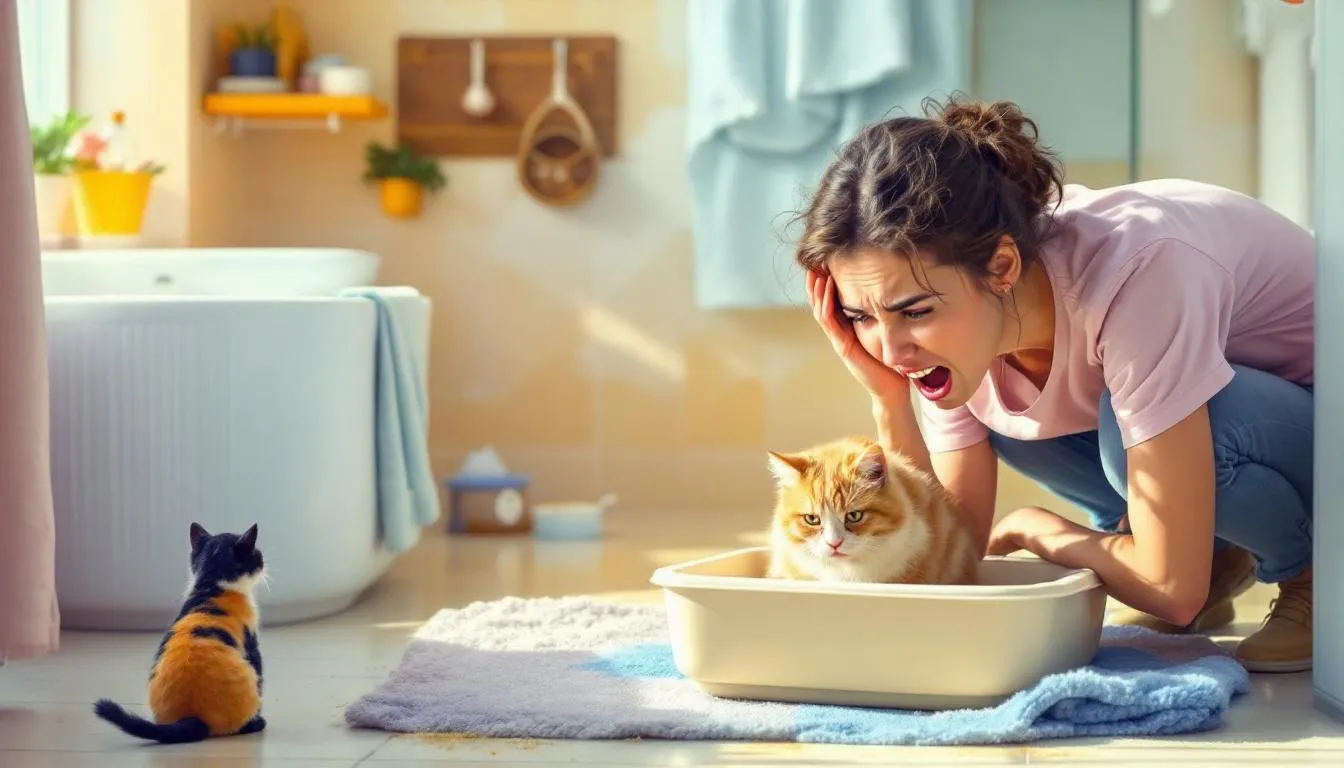
Handling accidents calmly is key when potty training a baby cat. Accidents happen often during this learning phase. Staying patient helps your kitten feel safe and confident. Avoid shouting or punishing. Gentle guidance teaches better than fear.
Reacting calmly also reduces stress for both you and your kitten. Stress can make potty training harder. Keep a relaxed attitude to encourage good habits. Your calmness shows the kitten what to do next.
Cleaning Tips
Clean accidents quickly to remove odors. Use enzyme-based cleaners to break down urine and feces. Avoid ammonia cleaners because they smell like urine to cats. This can cause repeat accidents.
Blot the area with paper towels first. Then apply the cleaner and let it sit. Wipe away with a clean cloth. Repeat if needed to remove all traces.
Redirecting Behavior
After cleaning, guide your kitten to the litter box. Pick them up gently and place them inside. Praise softly when they use the box correctly. Positive reinforcement helps build good habits.
Watch for signs your kitten needs to go. Squatting or sniffing around means it’s time for the litter box. Lead them there without stress. Consistent redirection teaches where to go.
Credit: www.chewy.com
Troubleshooting Common Issues
Potty training your baby cat can sometimes come with unexpected hurdles. These common issues might test your patience, but understanding why they happen helps you solve them quickly. Let’s look at how to handle some typical challenges that can slow down your cat’s progress.
Avoiding Litter Box Aversion
Some kittens suddenly refuse the litter box. This often happens because the box is dirty, smells strange, or the litter type is uncomfortable. Cats are very particular about cleanliness, so scoop the box at least once a day and wash it weekly.
If your kitten avoids the box, try changing the litter to a softer, unscented one. You might also want to move the box to a quieter, low-traffic area. Did you know that some cats dislike covered litter boxes because they feel trapped?
Keep an eye on any changes in your kitten’s environment. New furniture, loud noises, or even a new pet can create stress, causing litter box aversion. How often do you check your kitten’s comfort around the box?
Dealing With Inconsistent Use
Your kitten may use the litter box sometimes and go elsewhere at other times. This inconsistency can be frustrating but often means your cat is still learning or something is off with the box setup.
Make sure you have enough litter boxes if you have multiple pets—one box per cat plus one extra is a good rule. Place boxes in different areas to give your kitten options and reduce accidents.
Watch your kitten’s behavior closely. Are they avoiding the box after a certain event or interaction? This can provide clues to fix the problem. Sometimes, limiting your kitten’s access to certain rooms helps reinforce box use consistently.
Have you tried using positive reinforcement like treats or praise right after your kitten uses the litter box? This simple action can build a strong connection between the box and good things.
Transitioning To Adult Cat Habits
Transitioning a baby cat to adult cat habits is a crucial part of potty training. This phase helps your kitten become comfortable with the litter box as they grow. It supports their independence and good hygiene. Focus on adjusting their environment and routines to fit their changing needs. This ensures a smooth shift from kitten behavior to mature habits.
Adjusting Litter Box Size
Choose a litter box that fits your cat’s size. Kittens need smaller boxes they can easily enter and exit. As your cat grows, switch to a larger box. This gives them enough space to move and dig. A big box prevents accidents outside the litter area. Place the box in a quiet, accessible spot for your cat.
Maintaining Cleanliness
Keep the litter box clean to encourage use. Scoop waste daily to remove odors and mess. Replace the litter completely once a week. Wash the box with mild soap and water. Avoid strong chemicals that can deter your cat. Cleanliness helps your cat feel safe and comfortable. It also reduces the risk of litter box avoidance.
Credit: www.petmd.com
Credit: www.amazon.com
Frequently Asked Questions
How Long Does It Take To Potty Train A Baby Cat?
Potty training a baby cat usually takes 1 to 2 weeks. Consistency and patience are key for quick success. Every kitten learns at its own pace, so be patient and keep training sessions positive.
What Is The Best Litter For Baby Cats?
Clumping, unscented, and non-toxic litter works best for baby cats. It’s gentle on their paws and easy to clean. Avoid scented litters that can irritate sensitive noses.
How Often Should I Clean The Litter Box?
Clean the litter box daily to keep it fresh and inviting. Frequent cleaning prevents odors and encourages your baby cat to use it regularly.
Can I Use Training Pads For Baby Cats?
Training pads can help during initial stages but are not ideal long-term. Gradually transition your kitten to a litter box for proper potty habits.
Conclusion
Potty training a baby cat takes time and patience. Start early and be consistent with routines. Use a clean litter box in a quiet spot. Praise your cat when it uses the litter box correctly. Expect some accidents, but don’t get upset.
Keep trying and stay calm. Your baby cat will learn good habits soon. A happy, clean home is worth the effort. Trust the process and enjoy your growing bond.

Leave a Reply