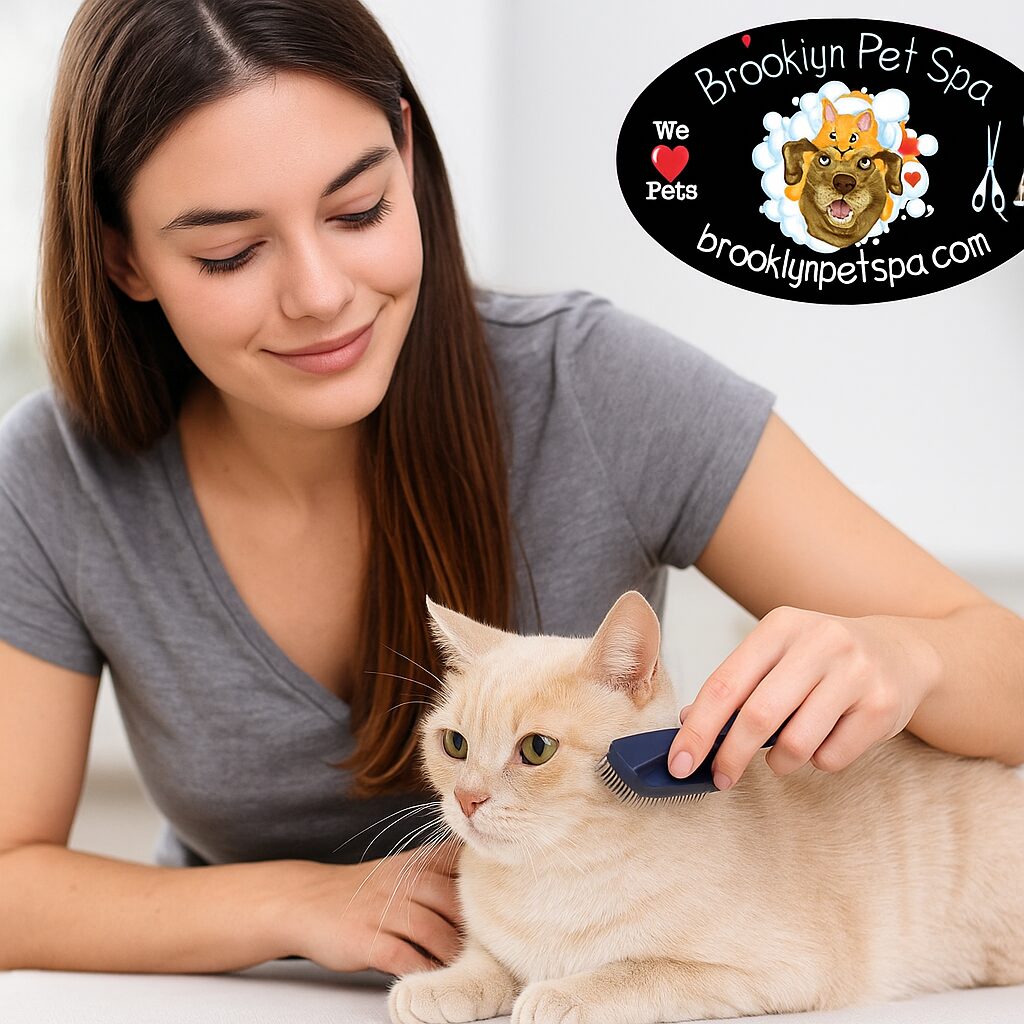
If you want your cat to look and feel its best, learning how to make your cat groom is key. Grooming isn’t just about keeping your pet clean—it helps prevent hairballs, reduces shedding, and strengthens your bond.
But getting your furry friend to enjoy grooming can be tricky. You’ll discover simple, effective tips that make grooming a stress-free and even enjoyable experience for both of you. Keep reading to unlock the secrets to a happy, healthy, and well-groomed cat.
Benefits Of Cat Grooming
Cat grooming is more than just keeping your pet clean. It offers many health and emotional benefits. Regular grooming helps maintain your cat’s overall well-being. It also prevents common problems and keeps your cat comfortable.
Improved Coat Health
Grooming removes dirt and loose fur from your cat’s coat. It spreads natural oils that keep the fur soft and shiny. Healthy fur protects your cat from skin infections and dryness. Regular brushing helps spot any skin issues early.
Reduced Shedding
Shedding can be a big problem inside the house. Grooming removes dead hair before it falls off naturally. This reduces the amount of fur on your furniture and clothes. It also keeps your home cleaner and more comfortable.
Prevention Of Hairballs
Cats swallow loose fur while cleaning themselves. This can cause hairballs that make them sick. Grooming lowers the amount of loose fur they swallow. Fewer hairballs mean fewer stomach problems and less vomiting.
Bonding Time With Your Cat
Grooming creates a quiet time to connect with your cat. Your cat feels safe and loved during grooming sessions. It builds trust and reduces anxiety in shy or nervous cats. Grooming can be a relaxing routine for both of you.
Essential Grooming Tools
Grooming your cat needs the right tools to make the process smooth. Having these essentials helps keep your cat clean and comfortable. It also reduces shedding and prevents matting. Using proper tools makes grooming easier for both you and your cat.
Choosing The Right Brush
Different cats need different brushes. Short-haired cats do well with soft bristle brushes. Long-haired cats need slicker brushes to remove tangles. A comb helps find and remove loose fur and dirt. Pick a brush that fits your cat’s coat type and skin sensitivity.
Nail Clippers And Trimmers
Keep your cat’s nails trimmed to avoid scratches and damage. Use nail clippers made for cats. Scissor-style or guillotine clippers work best. Trim nails carefully to avoid cutting the quick, the sensitive part inside the nail. Regular trimming keeps claws healthy and less sharp.
Cat-friendly Shampoos
Use shampoos made specifically for cats. Human or dog shampoos can irritate their skin. Choose gentle, hypoallergenic formulas. Some shampoos help with fleas, dandruff, or dry skin. Always rinse your cat well to avoid residue that can cause itching.
Other Useful Accessories
- Grooming gloves for gentle brushing and fur removal
- Deshedding tools to reduce loose hair
- Soft towels for drying after baths
- Ear cleaning wipes for hygiene
- Styptic powder to stop nail bleeding if clipped too short
These tools help keep your cat clean and happy. Regular grooming builds trust and strengthens your bond.
Step-by-step Grooming Routine
Creating a grooming routine for your cat can feel challenging, but breaking it down into clear steps makes it manageable and even enjoyable. Regular grooming not only keeps your cat clean but also helps you bond and spot any health issues early. Let’s walk through a simple, effective routine to keep your feline friend looking and feeling great.
Brushing Techniques
Start by choosing the right brush for your cat’s coat type—slicker brushes work well for long hair, while rubber brushes suit short-haired cats. Gently brush in the direction of hair growth to avoid discomfort.
Use slow, calm strokes and watch your cat’s body language. If your cat seems tense, try shorter sessions and reward with treats to build positive associations. Regular brushing removes loose fur and reduces hairballs, which can save you a lot of cleanup later!
Bathing Your Cat Safely
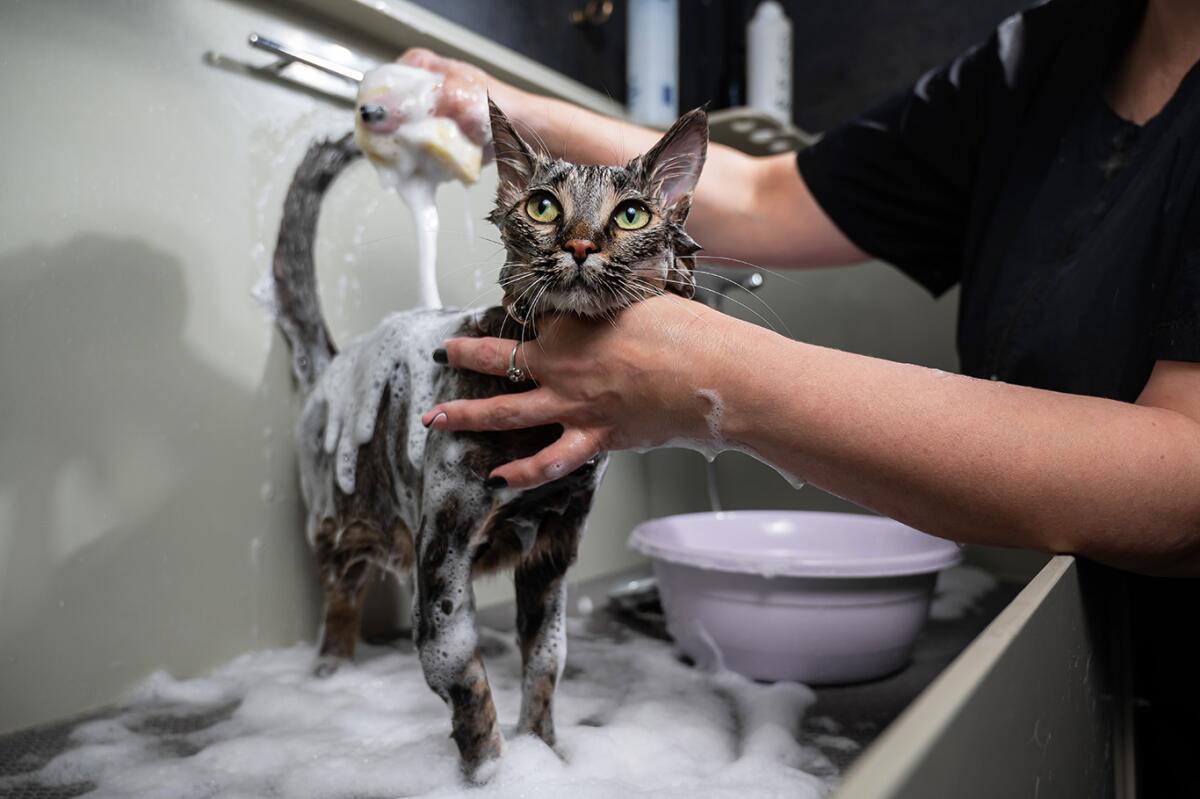
Bathing isn’t necessary for all cats, but if yours gets into something sticky or smelly, a bath may be needed. Use a cat-specific shampoo to avoid skin irritation.
Fill the tub or sink with a few inches of lukewarm water. Hold your cat gently but securely, and avoid water in the ears and eyes to keep the experience as stress-free as possible. Many cats dislike baths, so talk softly and offer treats afterward to comfort them.
Trimming Nails
Trim your cat’s nails every couple of weeks to prevent scratching damage and painful ingrown nails. Use a pair of sharp, cat-specific nail clippers for precision.
Hold your cat’s paw firmly but gently, and trim only the sharp tip of each nail. Avoid the pink area called the quick, which contains nerves and blood vessels. If you’re nervous, try trimming just one or two nails per session to keep your cat calm and cooperative.
Cleaning Ears And Eyes
Check your cat’s ears and eyes regularly for dirt, discharge, or signs of infection. Use a soft, damp cloth or cotton ball moistened with a vet-approved ear cleaner to wipe away debris gently.
Never insert anything deep into the ear canal. For eyes, use a clean, damp cloth to wipe away any crust or discharge, always wiping from the inner corner outward. If you notice redness, swelling, or persistent discharge, consult your vet promptly.

Credit: www.latimes.com
Making Grooming Comfortable
Making grooming comfortable for your cat encourages trust and cooperation. Cats sense tension quickly, so a peaceful setting helps them relax. Small, gentle actions build positive grooming experiences. Understanding your cat’s mood and limits prevents stress. Rewarding good behavior makes grooming a pleasant routine. Patience and respect go a long way.
Setting A Calm Environment
Choose a quiet room with soft lighting. Avoid loud noises or sudden movements. Use a comfortable surface like a soft blanket or your lap. Speak in a soft, soothing voice. Groom during times when your cat feels relaxed, such as after a nap. Keep grooming sessions short to prevent overstimulation.
Using Treats And Rewards
Offer your cat small treats during and after grooming. Use favorite snacks to encourage cooperation. Praise your cat with gentle petting and kind words. Rewards create positive connections to grooming time. Gradually increase grooming length as your cat stays calm. Consistency helps your cat expect good things.
Recognizing Your Cat’s Limits
Watch for signs of discomfort like tail flicking or growling. Stop grooming if your cat shows stress or tries to escape. Give your cat breaks to calm down. Avoid forcing any part of grooming. Respect your cat’s mood and preferences. Slowly build up grooming time over several days or weeks.
Handling Difficult Cats
Start with very short sessions to build tolerance. Use gentle strokes and soft brushes designed for sensitive skin. Wrap your cat in a towel if needed to feel secure. Avoid sudden movements that may startle your cat. Seek advice from a vet or groomer for extreme cases. Patience helps even the most nervous cats adjust.
Common Grooming Challenges
Cats are often considered self-sufficient when it comes to grooming. Yet, many cat owners face challenges while ensuring their feline friends stay clean and healthy. Understanding these common grooming challenges can make the process smoother for both you and your pet.
Dealing With Matted Fur
Matted fur can cause discomfort for your cat. It occurs when loose hairs get tangled and form clumps. Regular brushing is key to preventing mats. Use a gentle brush and be patient. Start with areas where your cat feels comfortable. Gradually work towards the matted sections. If mats are stubborn, consider using a detangling spray.
Handling Shedding Seasons
Cats shed more during spring and fall. During these times, increase grooming sessions. Use a de-shedding tool to remove loose fur. This helps reduce hairballs and keeps your home cleaner. Regular grooming also promotes healthy skin. It improves circulation and distributes natural oils.
Managing Stress During Grooming
Many cats feel stressed during grooming. Create a calm environment to ease anxiety. Use soft tones and gentle movements. Take breaks if your cat seems agitated. Offer treats to create positive associations. Over time, your cat will become more comfortable with grooming.
When To Seek Professional Help
Sometimes, professional grooming is necessary. Consider this if your cat’s fur is severely matted. Professionals have tools and skills to handle tough situations. They can also provide advice on maintaining your cat’s coat. Seek help if your cat shows signs of distress during grooming.
Credit: www.latimes.com
Maintaining Grooming Between Sessions
Keeping your cat well-groomed between professional sessions is key to their comfort and health. Regular care helps prevent mats, reduces shedding, and keeps their coat shiny. You don’t need to spend hours daily; small, consistent efforts make a big difference.
Regular Brushing Tips
Brushing your cat frequently helps remove loose hair and prevents tangles. Use a brush that suits your cat’s fur type—slicker brushes work well for long hair, while rubber brushes are great for short coats.
Try to make brushing a calm, positive experience. Talk softly and offer treats during and after the session. You might be surprised how quickly your cat learns to enjoy it.
Spot Cleaning Fur
Sometimes your cat might get a little dirty between baths or grooming visits. Use a damp cloth or pet-safe wipes to clean small dirty areas gently.
This quick fix keeps your cat fresh without the stress of a full bath. Always check that the products you use are safe for cats to avoid skin irritation.
Monitoring Skin And Coat
Keep an eye on your cat’s skin for redness, dryness, or bumps. Healthy skin means a healthy coat, so any changes might signal a problem.
If you notice excessive scratching or bald patches, it’s time to consult your vet. Early detection can prevent bigger issues down the road.
Diet And Hydration For Healthy Fur
Your cat’s diet plays a big role in the quality of their fur. Food rich in omega-3 and omega-6 fatty acids helps keep the coat soft and shiny.
Make sure your cat drinks plenty of water daily. Proper hydration supports skin elasticity and overall coat health. Have you checked your cat’s water bowl recently?

Credit: www.latimes.com
Frequently Asked Questions
How Do I Start Grooming My Shy Cat?
Begin by gently petting your cat daily. Use soft strokes and praise to build trust. Introduce grooming tools slowly and let your cat sniff them first. Keep sessions short and calm to avoid stress.
What Tools Are Best For Grooming Cats?
Use a soft-bristle brush for short hair and a comb for long hair. Nail clippers designed for cats help trim claws safely. Choose grooming gloves for sensitive cats to reduce anxiety.
How Often Should I Groom My Cat?
Groom short-haired cats once a week and long-haired cats two to three times weekly. Regular grooming prevents mats, reduces shedding, and keeps your cat’s coat healthy and clean.
How Can I Stop My Cat From Scratching During Grooming?
Trim your cat’s nails before grooming sessions. Use treats to reward calm behavior. Pause if your cat becomes agitated and try again later. Consistent, gentle handling reduces scratching over time.
Conclusion
Making your cat groom takes patience and gentle care. Start with short sessions to build trust. Use soft brushes and speak in calm tones. Reward your cat with treats to encourage good behavior. Watch your cat’s reactions and stop if they feel stressed.
Regular grooming helps keep your cat healthy and happy. It also strengthens the bond between you and your pet. Keep trying, and soon grooming will become a part of your routine. Small steps lead to big progress. Your cat will thank you with a shiny coat and purrs.


Leave a Reply