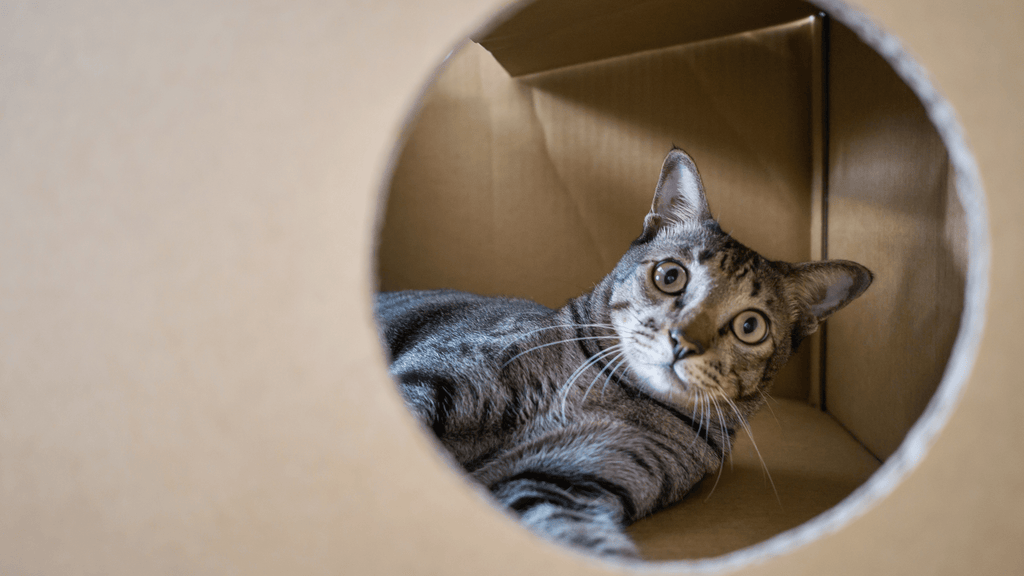
Are you looking for a fun and budget-friendly way to keep your dog or cat happy and entertained? Making homemade toys for your furry friends is easier than you think.
Not only will you save money, but you’ll also create unique toys tailored just for your pet’s play style. Imagine the joy on your pet’s face when they discover a new favorite toy you made with your own hands. Keep reading, and you’ll learn simple, step-by-step ideas to make safe and exciting toys that will keep your pets busy and loving every minute of playtime.
Credit: www.green-petfood.com
Materials Needed
Gathering the right materials is key to making safe and fun toys for your pets. Choosing items that are pet-friendly ensures hours of play without health risks. Focus on materials that are durable, non-toxic, and easy to clean.
Safe Fabrics And Textiles
Use soft, strong fabrics like cotton, fleece, or denim. These materials are gentle on pets’ teeth and paws. Avoid fabrics that shed fibers easily or contain harmful dyes. Wash fabrics before use to remove any chemicals or dirt.
Non-toxic Glue And Paints
Pick glues that are labeled safe for children or pets. Non-toxic glue ensures no harmful fumes or residues. Use water-based paints that are free from lead and chemicals. Let glue and paint dry completely before giving toys to pets.
Household Items To Repurpose
Look for clean, safe objects around the house to reuse as toy parts. Old socks, tennis balls, or empty plastic bottles can become fun toys. Cut items into small, safe sizes to avoid choking hazards. Always supervise pets during play with homemade toys.

Credit: www.youtube.com
Simple Dog Toy Ideas
Simple dog toys bring joy and exercise to pets without costing much. These toys are easy to make using everyday items. They keep dogs entertained and help build a strong bond.
Creating homemade toys encourages creativity and saves money. It also allows control over materials, ensuring safety for pets. Here are some easy ideas to get started.
Tug Ropes From Old T-shirts
Use old t-shirts to make fun tug ropes. Cut the shirts into long strips. Braid three strips tightly for a strong rope. Tie knots at both ends to finish.
This toy is perfect for interactive play. It helps clean dogs’ teeth and strengthens jaw muscles.
Tennis Ball Treat Dispenser
Take a tennis ball and cut a small slit. Make the opening big enough for treats to fit inside. Hide your dog’s favorite snacks in the ball.
Dogs will enjoy rolling and chewing to get treats out. This toy provides mental stimulation and slows eating.
Diy Squeaky Toys
Use old socks and a squeaker from a broken toy. Place the squeaker inside the sock and tie a knot. Add stuffing or fabric scraps for extra shape.
This soft toy makes fun noises and satisfies chewing urges. It is gentle on teeth and easy to replace.
Easy Cat Toy Ideas
Creating homemade toys for your cat doesn’t have to be complicated or expensive. Simple materials around the house can turn into exciting playthings that keep your feline friend entertained for hours. These easy cat toy ideas offer fun, interactive ways to engage your cat’s natural hunting instincts and curiosity.
Feather Wands
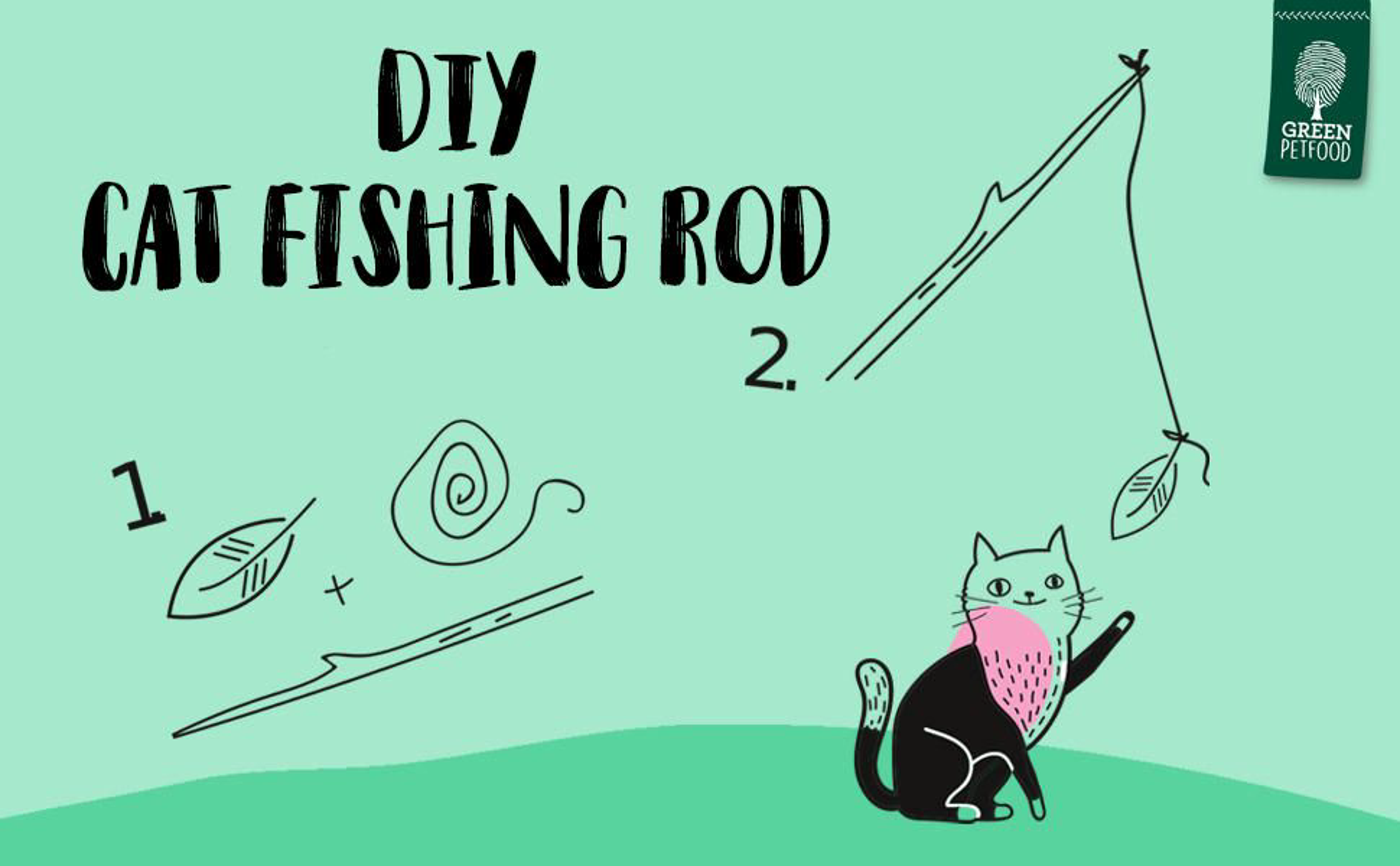
Feather wands are a classic favorite for cats. You can make one by attaching colorful feathers to the end of a stick or a sturdy straw with some string or tape. The movement of the feathers mimics the flutter of a bird, encouraging your cat to jump and chase.
Try waving the wand in different directions or hiding it behind furniture to keep your cat intrigued. Have you noticed how your cat’s eyes light up when the feathers flutter just out of reach?
Cardboard Puzzle Boxes
Cardboard boxes are perfect for creating interactive puzzle toys. Cut holes of various sizes in the sides and top of a sturdy box. Place small treats or toys inside and watch your cat figure out how to reach them.
This simple setup challenges your cat’s problem-solving skills and provides mental stimulation. Plus, it’s a fantastic way to reuse old boxes instead of tossing them away.
Pom-pom Play Balls
Soft pom-poms are lightweight and fun for cats to bat around. You can make these by wrapping yarn tightly around your fingers, tying it in the middle, and trimming the ends to form a fluffy ball. Add a bell inside for extra attraction.
Scatter a few pom-poms on the floor and see your cat’s playful side come alive as they chase and toss them. Don’t you love how something so simple can spark such joy in your pet?
Safety Tips For Diy Toys
Creating homemade toys for your pets can be fun and rewarding. Yet, ensuring their safety is crucial. DIY toys should be safe to prevent injury to your furry friends. Here, we discuss key safety tips to keep in mind.
Avoiding Small Parts
Small parts can pose a choking hazard for pets. Always keep this in mind while crafting toys. Ensure that no small, detachable pieces are included. If your pet chews aggressively, avoid using small buttons or beads. Simple is often better.
Choosing Durable Materials
Durable materials are essential for pet toys. Choose sturdy fabrics like denim or fleece. Avoid materials that tear easily. Strong materials stand up to rigorous play and prevent ingestion of harmful pieces.
Regular Toy Inspection
Regularly check your homemade toys for wear and tear. Look for frayed edges or loose parts. Repair or replace toys as needed. Your pet’s safety depends on regular inspections. Keep playtime safe and enjoyable.
Customizing Toys For Your Pet
Making toys at home for your dog or cat is more fun when you tailor them to fit your pet’s unique preferences and needs. Customizing toys helps keep your furry friend engaged and happy, turning simple playthings into favorites. Let’s look at how you can adjust homemade toys to suit your pet perfectly.
Considering Pet Size And Breed
Think about your pet’s size before crafting a toy. Small dogs or cats need lightweight toys they can easily carry, while larger breeds require sturdier, tougher materials.
For example, a tiny Chihuahua might enjoy a soft fabric ball, but a Labrador needs something more durable like braided rope. Breed traits also matter—herding dogs might like toys that challenge their intelligence, while cats often prefer things they can bat around or chase.
Incorporating Favorite Scents
Pets respond strongly to smell, so adding familiar scents can make toys more attractive. Use a little bit of your pet’s favorite treat, a dab of vanilla, or even a worn piece of your clothing when making the toy.
This simple trick worked wonders for my cat who ignored every new toy until I rubbed one with her catnip and a soft blanket she loves. Suddenly, that toy became her go-to for hours of fun.
Adjusting For Play Style
Observe how your pet prefers to play. Do they like to chew, chase, or cuddle their toys? Adjust your design accordingly.
Dogs that love to chew need tough, bite-resistant materials like denim or canvas. If your cat enjoys stalking and pouncing, lightweight toys with feathers or strings work best. Matching the toy to your pet’s play style keeps them entertained and reduces boredom.
Cleaning And Maintenance
Keeping homemade dog and cat toys clean and well-maintained is key to ensuring your furry friends stay safe and happy. Regular care prevents germs from building up and helps the toys last longer. Let’s look at how you can keep your pet’s favorite playthings in top shape.
Washing Fabric Toys
Fabric toys can trap dirt, saliva, and bacteria quickly. Wash them regularly using mild detergent and warm water. Avoid harsh chemicals that might irritate your pet’s skin.
If the toy has stuffing, check if it’s machine washable. Use a gentle cycle and place the toy in a mesh laundry bag to protect it. Air dry completely before giving it back to your pet to prevent mold growth.
Replacing Worn Components
Toys with buttons, strings, or glued parts can become hazardous if they start to fall apart. Inspect your homemade toys often for loose bits or frayed edges. Remove or replace any damaged parts immediately.
Think about which materials are easiest to swap out. For example, replace old ribbons with fresh ones or sew on new fabric patches. This keeps the toy safe and extends its life without needing a full replacement.
Storage Tips
Where you keep your pet’s toys affects their cleanliness and durability. Store toys in a dry, cool place away from dirt and moisture. Avoid leaving toys outside where weather can cause damage.
Use a dedicated box or basket to keep toys organized and easy to find. Rotating toys every week can keep your pet interested and reduce wear on any single item. What’s your favorite way to keep your pet’s play area tidy?
Credit: www.green-petfood.com
Frequently Asked Questions
What Materials Are Safe For Homemade Pet Toys?
Use non-toxic, pet-safe materials like cotton, fleece, and untreated wood. Avoid small parts that pets can swallow or choke on. Always choose durable fabrics to withstand chewing and play, ensuring your pet’s safety and long-lasting fun.
How Can I Make Interactive Toys For Dogs And Cats?
Create toys with hidden treats or puzzles to stimulate pets mentally. Use items like muffin tins, cardboard boxes, or fabric pouches. Interactive toys encourage problem-solving and keep pets engaged, reducing boredom and destructive behavior.
Are Homemade Toys Better Than Store-bought Ones?
Homemade toys can be safer, customizable, and cost-effective. You control materials and design to suit your pet’s preferences and needs. However, always supervise playtime to ensure the toys remain safe and intact during use.
How Often Should I Replace Homemade Pet Toys?
Replace toys when they show signs of wear, like torn fabric or loose parts. Regular inspection prevents choking hazards and keeps your pet safe. Typically, replace toys every few months, depending on usage and material durability.
Conclusion
Making homemade toys for dogs and cats is simple and fun. It saves money and lets you use safe materials. Pets enjoy new toys that you create with love. Try different ideas to find what your pet likes best. Playing together strengthens your bond and keeps pets happy.
Start today and watch your furry friends enjoy every moment. Homemade toys bring joy and care into your home. Keep creativity alive and make playtime special for your pets.



Leave a Reply