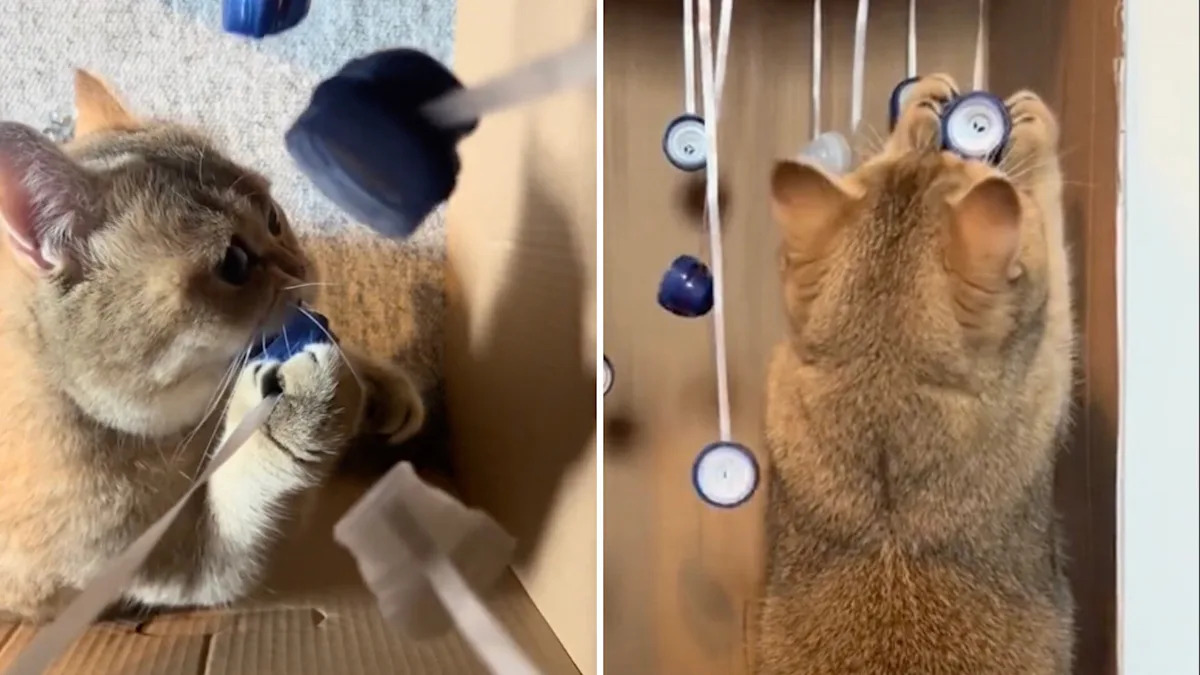
Do you want to keep your cat entertained without spending a lot of money? Making homemade cat toys is easier than you think.
You already have plenty of items around your house that can turn into fun, safe toys for your furry friend. Imagine your cat chasing, batting, and pouncing on toys you created yourself. Not only will you save money, but you’ll also enjoy the satisfaction of giving your cat something special made just for them.
Keep reading to discover simple, creative ideas that will make your cat’s day—and yours too!
Choosing Safe Materials
Choosing safe materials is the first step in making homemade cat toys. Cats explore toys with their mouths and paws. Unsafe materials can harm your pet. Select materials that are free from toxins and sharp edges. Prioritize durability and safety to keep playtime fun and worry-free.
Non-toxic Household Items
Select household items that do not contain harmful chemicals. Common safe options include cotton fabric, felt, and untreated wood. Avoid anything with paint, glue, or dyes that could be toxic. Natural fibers like wool and cotton are gentle and safe for cats to chew or bat around.
Avoiding Small Parts
Small parts can be a choking hazard. Remove buttons, beads, and tiny decorations from toys. Instead, use large pieces that cannot be swallowed. Secure any attachments firmly. This prevents accidents and keeps your cat safe during play.
Using Recyclable Materials
Recyclable materials are eco-friendly and safe choices. Cardboard, paper tubes, and fabric scraps make great toys. They are easy to replace and dispose of. Use clean materials free of glue or staples. This ensures your cat enjoys safe and sustainable play.

Credit: www.hgtv.com
Simple Toy Ideas
Simple toy ideas bring joy to your cat without spending much. These homemade toys use items easily found at home. They stimulate your cat’s play instincts and keep them active. Try these fun and easy options to create engaging toys for your feline friend.
Sock Toys With Catnip
Use an old sock to make a soft toy. Fill the sock with catnip and some cotton or fabric scraps. Tie a knot at the open end to keep everything inside. Cats love the scent of catnip and will enjoy batting and chewing this toy.
Paper Ball Fun
Take a small piece of paper and crumple it into a tight ball. Make sure it is not too big to swallow. Toss the ball across the floor for your cat to chase. This simple toy is lightweight and easy to replace when worn out.
Cardboard Scratchers
Cut strips of cardboard and glue them together in layers. Shape the layers into a flat or curved scratcher. Place it where your cat likes to scratch. This homemade scratcher saves your furniture and provides a satisfying texture for scratching.
Creating Interactive Toys
Creating interactive toys for your cat helps keep them active and happy. These toys stimulate their natural hunting instincts. Cats enjoy toys that move, challenge, or surprise them. Making simple, homemade interactive toys can save money and provide endless fun. Use common household items to craft engaging playthings that your cat will love.
Feather Wand
Attach feathers to a stick or a sturdy straw using string or tape. Move the wand slowly to mimic bird movements. This encourages your cat to chase and jump. Use bright feathers to catch your cat’s attention. Store the wand safely after play to keep the feathers clean and intact.
String And Pom-poms
Use soft yarn to make small pom-poms or buy them cheaply. Tie pom-poms to a piece of string or shoelace. Drag the string along the floor to engage your cat. Cats love batting and chasing these lightweight toys. Always supervise playtime to avoid swallowing loose strings or pom-poms.
Diy Puzzle Feeders
Cut small holes in a clean cardboard box or a plastic container. Place your cat’s dry food or treats inside. The cat must paw or nudge the box to get the food out. This toy challenges your cat’s mind and slows down eating. Change the puzzle’s design to keep your cat interested and curious.
Adding Catnip And Scents
Adding catnip and scents to homemade cat toys makes them more exciting and fun. Cats love strong smells that catch their attention. These scents can encourage play and help your cat stay active. Knowing the difference between fresh and dried catnip helps you choose the best option. Safe scent alternatives also keep your cat healthy and happy.
Using Fresh Vs. Dried Catnip
Fresh catnip has a stronger smell but loses scent quickly. It works well for short play sessions. Dried catnip lasts longer and is easy to sprinkle inside toys. It keeps its scent for weeks if stored properly. Both types attract cats but dried catnip is more convenient. You can even mix a little fresh catnip with dried for a stronger effect.
Safe Scent Alternatives
Some cats like scents other than catnip. Try these safe options:
- Silver vine powder – a natural cat attractant
- Valerian root – has a calming effect
- Lavender – use in very small amounts, as some cats dislike strong smells
- Chamomile – gentle and soothing scent
Avoid strong perfumes or essential oils that may harm cats. Always test a small amount first. Watch your cat’s reaction to new scents carefully.
Maintaining And Cleaning Toys
Creating cat toys from household items keeps playtime fun and safe. Regularly wash fabric toys and check for loose parts to protect your cat. Simple cleaning with mild soap and water helps maintain hygiene and durability.
Keeping your homemade cat toys in top condition is essential for your feline friend’s safety and enjoyment. With regular maintenance and cleaning, you can extend the life of these toys and ensure they remain hygienic and fun. Let’s explore some easy ways to keep those DIY toys in great shape.Washing Guidelines
Regular cleaning is crucial to prevent the buildup of dirt and bacteria. Use mild soap and warm water to clean most fabric or plush toys. Rinse thoroughly to remove all soap residues, and let them air dry completely before giving them back to your cat. For toys made from durable materials like rubber or plastic, a vinegar solution can work wonders. Mix equal parts vinegar and water, and wipe down the toys. This natural solution helps disinfect without harsh chemicals. If a toy has removable parts, take them apart for a more thorough cleaning. This ensures every nook and cranny is free of grime.Replacing Worn Parts
Even with the best care, parts of your homemade toys may wear out. Regularly inspect for any tears, loose threads, or broken pieces. Replace worn or damaged parts promptly. For example, if a string starts to fray, swap it out for a new one to prevent any choking hazards. Consider keeping spare parts handy. This way, you can quickly fix toys without a trip to the store, ensuring your cat never misses playtime. By following these simple steps, you can maintain your homemade cat toys efficiently. What strategies do you use to keep your pet’s toys in excellent condition?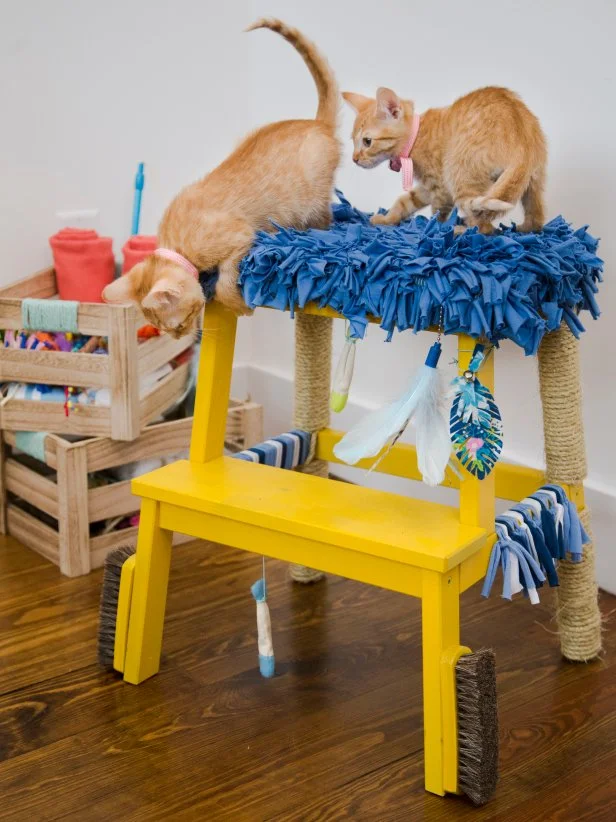
Credit: www.hgtv.com
Safety Tips For Diy Toys
Creating homemade cat toys is a fun and rewarding way to keep your feline friend entertained. However, safety should always be your top priority. Even simple DIY toys can pose risks if not made or used properly.
Here are some essential safety tips to keep your cat happy and safe while enjoying your handmade creations.
Supervising Playtime
Always watch your cat when they play with DIY toys, especially new ones. Cats can get very enthusiastic, and items that seem harmless might become dangerous if chewed or swallowed.
Try to stay nearby and observe how your cat interacts with the toy. This helps you notice any potential hazards before they become a problem.
Have you ever seen your cat swallow a string or small part? Supervision can prevent these scary moments.
Recognizing Wear And Tear
DIY cat toys often face a lot of rough play, so inspect them regularly for damage. Loose threads, broken parts, or small pieces coming off can be choking hazards.
Discard or repair toys that show signs of wear right away. A torn fabric or frayed string might seem minor, but it can quickly turn into a risk.
Keeping a close eye on the condition of your toys ensures your cat stays safe and your effort doesn’t go to waste.

Credit: www.youtube.com
Frequently Asked Questions
What Homemade Items Are Safe For Cat Toys?
Safe homemade cat toys include fabric scraps, cardboard, and yarn. Avoid small parts that cats can swallow. Use non-toxic materials and supervise play to ensure safety. Simple household items like paper balls or empty toilet paper rolls can also entertain cats without harm.
How Can I Make A Cat Toy With Household Items?
Use items like old socks, string, or paper to craft toys. Fill socks with catnip or crumpled paper for added fun. Secure loose parts tightly. Always check for loose threads or small pieces that could be swallowed during play.
Why Choose Homemade Cat Toys Over Store-bought?
Homemade toys are cost-effective, customizable, and eco-friendly. They allow you to tailor toys to your cat’s preferences. Making toys at home also reduces plastic waste. Plus, it’s a fun way to bond with your pet while ensuring safety.
How Do I Keep Homemade Cat Toys Durable?
Use sturdy materials like thick fabric or tightly rolled cardboard. Reinforce weak spots with glue or stitching. Regularly inspect toys for damage and repair or replace them promptly. This prevents choking hazards and extends toy life.
Conclusion
Making homemade cat toys is fun and saves money. You can use simple items found around your home. Cats enjoy toys made with care and creativity. Always watch your cat play to keep them safe. These toys help your cat stay active and happy.
Try different ideas and see what your cat likes best. Making toys at home builds a stronger bond with your pet. Keep it simple, safe, and full of love. Your cat will thank you with playful purrs.



Leave a Reply