Do you want to keep your cat entertained without spending a lot of money? Making easy DIY cat toys is the perfect way to do that.
You can create fun, safe toys right at home using simple materials you probably already have. Not only will your cat love these toys, but you’ll also enjoy the satisfaction of crafting something special for your furry friend. Keep reading, and you’ll discover quick, step-by-step ideas that anyone can try—no fancy tools or skills needed! Your cat’s new favorite toy is just a few minutes away.
Materials Needed
Gathering the right materials is the first step to creating fun and safe DIY cat toys. You don’t need fancy supplies—many items are already around your home. Choosing the right materials ensures your cat stays entertained without any risk.
Common Household Items
You probably have plenty of things at home that can double as cat toys. Simple items like empty toilet paper rolls, bottle caps, or old socks can be transformed into playful treasures.
For example, stuffing a sock with some cotton balls creates a soft toy your cat will love to bat around. Have you checked your junk drawer for unused buttons or ribbons? These can add texture and movement to your creations.
Safe Craft Supplies
Using safe craft supplies makes your DIY projects last longer and stay pet-friendly. Consider non-toxic glue, cotton yarn, and felt fabric for making durable and soft toys.
Be cautious with items that can break or have sharp edges—cats are curious and quick. I once used glitter in a toy, but my cat didn’t like the texture, so sticking to simple materials often works best.
Recycled Materials
Recycling not only saves money but also reduces waste while making toys your cat will enjoy. Old t-shirts, scraps of fabric, and cardboard boxes can be upcycled into engaging playthings.
Have you noticed how cats love hiding in boxes? Turning a cardboard box into a maze or scratching post base is both fun and eco-friendly. What other materials in your recycling bin could spark your cat’s interest?
Simple Toy Ideas
Creating DIY cat toys doesn’t have to be complicated or expensive. Simple materials you already have at home can turn into hours of fun for your feline friend. Let’s look at a few easy ideas that you can put together quickly and watch your cat’s excitement grow.
Feather Wand
Grab a stick or a pencil and tie a few feathers to one end using string or tape. The movement of feathers mimics birds, triggering your cat’s hunting instincts. You’ll love how your cat eagerly chases and jumps after the wand, giving both of you a fun bonding moment.
Try moving the wand in quick, unpredictable motions to keep your cat interested. Have you noticed how cats focus intensely on small, fluttering objects? This simple toy taps right into that natural curiosity.
Sock Ball
Take an old sock and stuff it with crumpled paper or fabric scraps. Tie the end tightly to create a lightweight ball your cat can bat around. It’s soft, safe, and perfect for indoor play sessions.
You can even add a pinch of catnip inside to make it more irresistible. Have you ever seen your cat’s reaction to a new toy that smells different? This little sock ball often becomes an instant favorite.
Paper Tube Tunnel
Collect a few empty paper towel or toilet paper tubes and tape them together to form a tunnel. Cats love to explore tight spaces, and this tunnel offers a cozy hideout and a play area. Watching your cat dart in and out is both entertaining and heartwarming.
Try placing a small toy or treat inside to encourage your cat to investigate. How often do you see your cat’s playful side come alive with something as simple as a paper tube?
Interactive Toys
Interactive toys keep cats active and sharp. They stimulate your cat’s mind and body. These toys encourage natural hunting and playing instincts. Making DIY interactive toys is simple and fun. Use everyday items to create engaging playtime.
Treat Puzzle
Treat puzzles make your cat work for snacks. Use a small box or container with holes. Place treats inside and close it lightly. Your cat will paw and nudge to get the treats out. This toy keeps cats busy and rewards their effort.
String Chase
A string chase toy mimics prey movement. Tie a lightweight string to a stick or wand. Drag the string on the floor or in the air. Your cat will jump and run after the moving string. It’s a fun way to exercise your cat indoors.
Laser Pointer Alternatives
Laser pointers are popular but can frustrate cats. Try safer alternatives like a flashlight beam or a small mirror. Reflect light on walls or floors and move it slowly. Cats enjoy chasing the light without the stress of never catching it.

Credit: smart.dhgate.com
Tips For Toy Safety
Making DIY cat toys is fun and rewarding, but safety should always come first. Your cat’s health depends on the materials you use and how the toy is designed. Keeping a few safety tips in mind will help you create toys that are not only entertaining but also safe.
Avoiding Small Parts
Small parts can easily detach and become choking hazards. Avoid using buttons, beads, or tiny bells that your cat can swallow. Instead, opt for larger components that are securely attached.
Think about how your cat plays—do they like to bite or chew? If yes, make sure no small pieces can break off during rough play. Secure stitching or glue can help keep everything in place.
Non-toxic Materials
Cats explore the world with their mouths, so non-toxic materials are a must. Use natural fabrics like cotton or felt, and avoid synthetic fibers that might irritate your cat’s skin or stomach.
Steer clear of paints, glues, or dyes that contain harmful chemicals. If you’re unsure about a material, check for pet-safe labels or consult a vet. Your cat’s health is worth the extra effort.
Supervision During Play
Even the safest toys can become risky without supervision. Watch your cat the first few times they play with a new toy to spot any potential dangers early.
Have you noticed your cat chewing on string or fabric? This is a sign to keep a closer eye or remove the toy if it starts to fall apart. Playtime is more fun when you both feel safe.
Encouraging Play
Encouraging your cat to play is key for its health and happiness. Playtime helps cats stay active and mentally stimulated. Creating DIY cat toys is a fun and easy way to engage them. Let’s explore some effective strategies.
Changing Toy Rotation
Cats can get bored with the same toys. Rotate their toys weekly to keep them interested. Store some toys away and bring them out later. This makes them seem new and exciting again. Keep a variety of toys, like balls and feathers.
Incorporating Playtime
Set aside time each day for play. Even 10 minutes can make a big difference. Use string or wand toys to engage your cat. Encourage them to chase and pounce. This helps them exercise and burn energy.
Using Catnip Wisely
Catnip can make playtime more exciting. Sprinkle a little on toys to attract your cat. Not all cats respond to catnip, but many enjoy it. Use it occasionally to keep its effect strong. Too much can make cats lose interest.
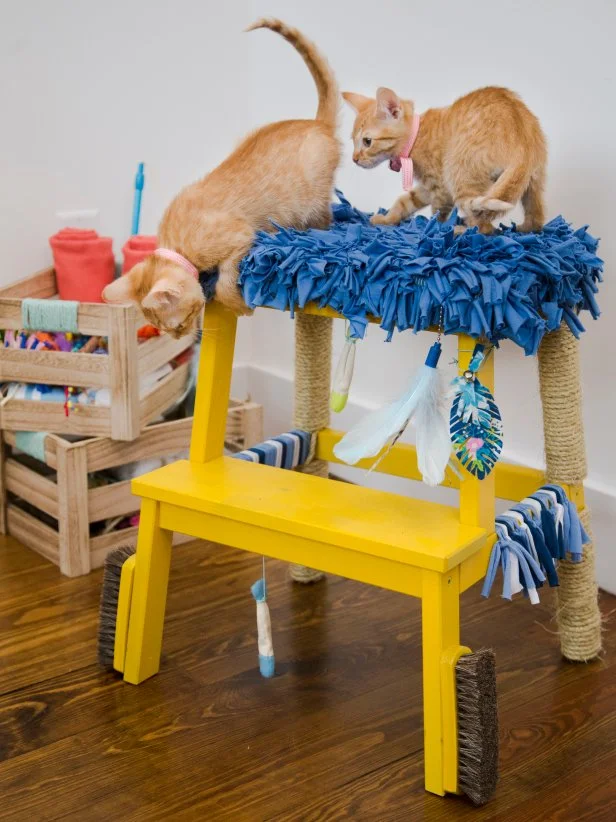
Credit: www.hgtv.com

Credit: www.hgtv.com
Frequently Asked Questions
What Materials Do I Need For Easy Diy Cat Toys?
Basic materials include yarn, feathers, fabric scraps, and bells. You can also use recycled items like paper and bottle caps. These items are safe, inexpensive, and easy to find. Using household materials helps save money and reduces waste while making fun toys for your cat.
How Can I Make A Simple Diy Cat Toy At Home?
Create a feather wand by attaching feathers to a stick with string. Alternatively, make a fabric ball by stuffing cloth scraps and sewing them. These toys are quick to make and encourage your cat’s natural hunting instincts. Always supervise playtime to ensure safety.
Are Homemade Cat Toys Safe For My Pet?
Yes, homemade toys can be safe if made with non-toxic materials. Avoid small parts that could be swallowed or cause choking. Regularly inspect toys for wear and tear. Replace or repair damaged toys to keep your cat safe during play.
How Do Diy Cat Toys Benefit My Cat’s Health?
DIY toys stimulate your cat mentally and physically. They help reduce boredom and prevent destructive behavior. Playing with toys supports exercise and weight management. Homemade toys also strengthen the bond between you and your cat.
Conclusion
Making DIY cat toys is simple and fun. You can use common items found at home. Your cat will enjoy new toys made with love. Creating toys also saves money and reduces waste. Try different ideas and watch your cat play happily.
Keep toys safe and replace them if worn out. Enjoy bonding time with your furry friend. DIY toys bring joy to both you and your cat. Give it a try today!

Leave a Reply