Do you want to keep your cat happy and entertained without spending a lot of money? Making your own cat toys is easier than you think.
Not only will you save money, but you’ll also create fun and safe toys your cat will love. You’ll discover simple, creative ideas to make toys with materials you already have at home. Ready to see your cat’s eyes light up with excitement?
Let’s get started!
Benefits Of Diy Cat Toys
Making your own cat toys offers many benefits. It saves money and lets you create toys that fit your cat’s needs. Homemade toys often use safe, natural materials. This keeps your cat healthy and happy. Crafting toys also helps reduce waste. Your cat enjoys unique, fun playthings made just for them.
Cost Savings
DIY cat toys cost much less than store-bought ones. You can use old clothes, paper, or household items. This reduces spending on expensive pet products. Making toys at home means more toys for your cat without extra cost. It’s a smart way to keep your cat entertained on a budget.
Customization For Your Cat
Every cat is different. DIY toys let you match their size and play style. You can choose materials your cat likes. Some cats prefer soft toys, others enjoy crinkly or noisy ones. Custom toys help keep your cat interested and active. You control the shape, color, and texture to suit your cat perfectly.
Eco-friendly Options
Using recycled or natural materials helps the environment. Old fabric scraps, paper tubes, and yarn can become fun toys. This lowers waste and reduces plastic use. Eco-friendly toys are safe for your cat and the planet. Crafting green toys supports a cleaner home and world.
Materials You’ll Need
Gathering the right materials is key to making safe and fun toys for your cat. Choose items that are gentle on their paws and easy to clean. Simple supplies can create engaging toys without costing much. Focus on safety and comfort to keep your cat happy and healthy.
Safe Fabrics And Textures
Pick soft fabrics that won’t irritate your cat’s skin. Cotton, fleece, and felt are great choices. Avoid materials that shed fibers or have loose threads. Cats enjoy different textures, so mix smooth and rough fabrics for variety. Make sure the fabric is durable enough to withstand scratching and biting.
Common Household Items
Look around your home for items that can be repurposed safely. Cardboard boxes, paper bags, and yarn balls work well. Bottle caps and small boxes can become fun chase toys. Avoid anything sharp, small enough to swallow, or toxic. Keep the items clean and in good condition before use.
Non-toxic Adhesives And Fillings
Use glues and fillers that are safe for pets. Hot glue guns work well but supervise to avoid burns. Non-toxic craft glue is a safe option too. For stuffing, try cotton, wool, or polyester fiberfill. Avoid beans or beads that could be swallowed. Always check product labels for safety information.
Simple Toy Ideas
Creating cat toys at home can be simple and fun using everyday items. Small balls, feathers, or paper can keep your cat entertained for hours. Crafting toys lets you customize shapes and textures your cat loves.
Cats love to play, and crafting toys for them can be fun and rewarding. Not only do these toys provide entertainment, but they also stimulate your cat’s instincts. You don’t need fancy materials to make engaging toys at home. Here are some simple ideas that you can try today.Sock Mice
Turn old socks into playful mice for your cat. Fill a sock with cotton or fabric scraps. Tie a knot at the end to secure the filling. Draw or sew eyes and a nose to give your mouse character. For extra fun, add a bit of catnip inside.Feather Wands
Create a feather wand using items from around the house. Attach a few feathers to a string. Secure the string to a stick or dowel. Move the wand around, and watch your cat chase the feathers. This toy encourages exercise and interaction.Cardboard Scratchers
Cats love to scratch, and cardboard is perfect for this. Cut cardboard into strips and roll them tightly into a spiral. Secure the end with glue or tape. Your cat will enjoy scratching and playing with this simple toy. It keeps their claws healthy and satisfies their natural urge to scratch.Interactive Toys For Playtime
Interactive toys keep cats active and curious. They help improve your cat’s mental skills and physical health. Making these toys at home saves money and offers fun bonding time. Use simple materials found around the house to create engaging playthings. Here are easy ideas for interactive cat toys you can make yourself.
Pom-pom Chase
Poms-poms are soft, light, and fun for cats to chase. Make them using yarn or wool balls. Tie the yarn tightly to keep the pom-pom from falling apart.
- Use different colors to catch your cat’s eye.
- Attach a string to make it easier to move around.
- Drag it slowly across the floor to mimic prey movement.
This toy encourages cats to run and pounce, promoting exercise.
Paper Ball Puzzles
Crumple small pieces of paper into balls. Hide treats inside to turn them into puzzles. Your cat will use its nose and paws to find the prize.
- Use newspaper or plain paper for safety.
- Make several balls to create a small puzzle area.
- Watch your cat solve the puzzle to get the treat.
This activity stimulates your cat’s hunting instincts and brain.
Treat Dispensers
Use empty toilet paper rolls or small boxes to make treat dispensers. Cut small holes for the treats to fall out slowly.
- Fill the container with dry cat treats.
- Seal one end and leave the other open.
- Your cat will bat and roll it to get the treats.
This toy challenges your cat and rewards patience and effort.
Upcycling For Cat Toys
Upcycling turns old items into fun toys for cats. It saves money and helps the environment. Cats love new textures and shapes to explore. Many common household items can become exciting toys. Creativity and simple supplies create safe playthings your cat will enjoy.
Bottle Cap Chasers
Plastic or metal bottle caps make great chasers. Their size fits well under a cat’s paw. They roll and spin, sparking a cat’s hunting instinct. Clean the caps thoroughly before use. Avoid caps with sharp edges or small parts that can break off. Drop the cap on the floor and watch your cat bat it around for hours.
Toilet Paper Roll Toys
Empty toilet paper rolls offer endless toy ideas. Cut them into rings or fold them into shapes. Stuff them with small treats or catnip for extra fun. Cats enjoy batting and tossing these lightweight toys. You can also connect several rolls to make tunnels or puzzles. Always check for loose pieces before letting your cat play.
Old Fabric Scraps
Fabric scraps can turn into soft, safe toys. Sew small pouches and fill them with catnip or cotton. Tie strips of fabric into knots for a simple teaser toy. Use colorful fabrics to catch your cat’s eye. Avoid fabrics that shed fibers easily. Fabric toys are gentle on your cat’s claws and teeth, perfect for cuddling and gentle play.
Safety Tips For Diy Toys
Creating DIY toys for your cat can be a fun and rewarding experience. However, safety should always be your top priority. You want your furry friend to enjoy the toy without any risk of injury or harm.
Avoiding Small Parts
Small parts can easily become choking hazards or cause internal blockages if swallowed. Avoid using buttons, beads, or tiny bells unless they are securely fastened. Instead, choose larger pieces that your cat can’t easily tear off or swallow.
Have you ever seen a cat get fascinated by a tiny object? That curiosity can lead to dangerous situations if the toy isn’t designed properly. Always think about how your cat interacts with the toy and remove anything that might come loose.
Checking For Wear And Tear
DIY toys will take a beating from your cat’s claws and teeth. Regularly inspect your creations for any signs of damage, such as frayed strings or broken parts. Damaged toys can create sharp edges or expose stuffing that could be harmful.
Set a schedule to check your cat’s toys every week or two. This habit helped me avoid a potential accident when I noticed the stuffing poking out of a homemade mouse toy just in time. Don’t let wear go unnoticed—it can turn a fun toy into a risk quickly.
Choosing Non-toxic Materials
The materials you use can affect your cat’s health. Avoid anything that contains harmful chemicals, dyes, or heavy metals. Stick with natural fabrics like cotton or felt and use pet-safe glues or stitching for assembly.
Think about what your cat might chew or lick. I once tried using craft paint on a toy, only to realize later that it wasn’t safe for pets. Always double-check product labels and consider how your cat might interact with every component.
Keeping Your Cat Engaged
Keeping your cat engaged is key to a happy, healthy pet. Cats can get bored easily, especially with the same toys day after day. You want to make sure your feline friend stays curious and active, which means changing up their playtime experience regularly.
Rotating Toys Regularly
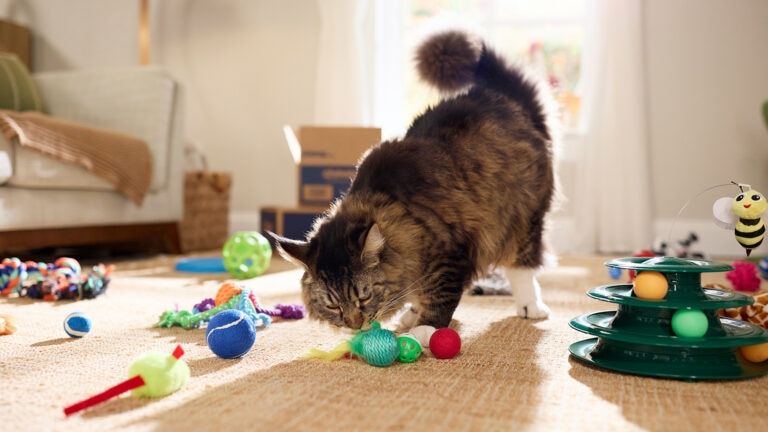
Instead of giving your cat all their toys at once, try rotating them. Put some toys away for a week or two, then swap them out with others. This simple trick makes old toys feel new and exciting again.
Think about how you feel when you get a new gadget or book. Your cat’s interest works the same way. Changing toys keeps their mind sharp and prevents boredom.
Incorporating Catnip
Many cats love catnip, but not all. Try adding a little dried catnip to homemade toys or buying catnip-filled ones. Catnip can spark playful behavior and make toy time more enticing.
If your cat seems indifferent, don’t worry. Some cats don’t react to catnip, so watch how your cat responds and adjust accordingly. You could also try silvervine or valerian root as alternatives.
Interactive Play Sessions
Nothing beats playing with your cat yourself. Use toys like feather wands or laser pointers to get your cat moving. These sessions build your bond and provide valuable exercise.
Try to set aside time daily for these interactive moments. Even a few minutes can make a difference in your cat’s happiness and health. What’s your cat’s favorite way to play with you?
Frequently Asked Questions
What Materials Are Best For Homemade Cat Toys?
Soft fabrics, feathers, string, and small bells work great. Avoid toxic or sharp items to keep cats safe and happy.
How Can I Make A Diy Cat Toy Quickly?
Use common household items like paper balls or bottle caps. Add string or feathers for extra fun and engagement.
Are Homemade Cat Toys Safe For Cats?
Yes, if you avoid small choking hazards and toxic materials. Always supervise your cat during playtime to ensure safety.
How Do I Keep My Cat Interested In Homemade Toys?
Rotate toys regularly and add new textures or scents. Interactive play with you also increases their interest and exercise.
Conclusion
Making toys for your cat can be simple and fun. Use safe materials you have at home. Cats love toys that move or make noise. Rotate toys often to keep your cat interested. Homemade toys save money and help your cat stay active.
Playtime strengthens your bond with your furry friend. Try different ideas and see what your cat enjoys most. Small efforts bring big joy to your pet’s life. Keep creativity alive and enjoy watching your cat play.

Leave a Reply