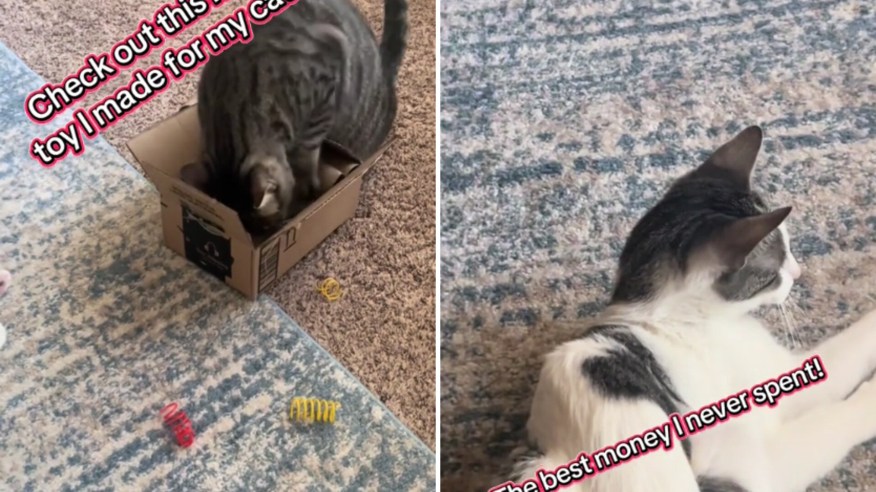
Looking for a fun and budget-friendly way to keep your cat entertained? You don’t need to spend a lot of money on fancy toys when you can create exciting playthings right at home.
Imagine turning simple household items into irresistible toys that your cat will love. You’ll discover easy steps to make safe, engaging cat toys using things you already have. Ready to see your furry friend pounce, chase, and play like never before?
Let’s get started!
Choosing Safe Materials
Choosing safe materials is key when making cat toys at home. Cats explore with their mouths and paws. Unsafe materials can harm them. Use only items that pose no health risks. Think about what your cat might chew or swallow. Avoid anything toxic or sharp. Safety keeps playtime fun and worry-free.
Non-toxic Household Items
Select items without chemicals or dyes. Plain cotton fabric, paper, and untreated wood work well. Avoid plastics labeled with harmful chemicals. Choose natural fibers like wool or felt. Use food-grade materials if your cat might lick the toy. Always check labels to ensure safety.
Avoiding Small Parts
Small pieces can cause choking or blockages. Steer clear of buttons, beads, or tiny bells. Securely attach any small parts to larger pieces. Cut strings or threads short to prevent swallowing. Inspect toys regularly for loose parts. Safety comes first in every homemade toy.
Durable Vs. Disposable
Durable toys last longer and save money. Choose sturdy fabrics and materials that resist tearing. Replace toys if they wear out or break. Disposable toys can be safe but may need frequent replacement. Balance durability with safety to keep your cat happy and healthy.
Credit: www.thecooldown.com
Simple Toy Ideas
Creating toys for your cat from everyday items is easier than you think. Simple toys can entertain your furry friend for hours and strengthen your bond. These ideas use things you already have at home, saving you money and time.
Paper Ball Fun
All you need is a scrap of paper to make an exciting toy. Crumple it into a small ball and toss it across the room. Cats love the unpredictable bounce and the sound it makes.
Try different paper types like newspaper or aluminum foil to see which your cat prefers. Have you noticed how your cat’s eyes light up chasing these simple balls?
Feather Wand
A stick or pencil combined with a few feathers can become a captivating wand toy. Attach the feathers securely and wave the wand gently in front of your cat. The movement triggers their hunting instincts.
Adding a little bell or a piece of string can make it even more enticing. Have you ever watched your cat’s focus sharpen during this game? It’s a great way to encourage exercise and mental stimulation.
Sock Mice
Old socks can be transformed into playful mice with just a few easy steps. Fill a sock with cotton or fabric scraps, tie it off, and add a bit of catnip if you have it. Small buttons or fabric pieces make perfect eyes and ears.
These soft toys are perfect for your cat to bat around or carry in their mouth. Have you tried making a sock mouse for your cat yet? It might just become their new favorite toy.
Interactive Toys
Interactive toys are a fantastic way to keep your cat entertained and mentally stimulated using things you already have at home. These toys encourage your cat to think, solve problems, and stay active, which is essential for their happiness and health. Plus, making them yourself adds a personal touch that your cat will surely appreciate.
Cardboard Puzzle Boxes
Take a simple cardboard box and turn it into a puzzle challenge for your cat. Cut small holes or flaps on different sides where your cat can reach in and try to grab hidden treats or toys. This not only entertains them but also sharpens their problem-solving skills.
I once made a puzzle box for my cat using an old shoebox. Watching her figure out how to fish out the treats through the holes kept her busy for over 30 minutes. Have you noticed how cats love to explore and investigate new textures? This kind of toy taps right into that curiosity.
Treat Dispensers
You can create a simple treat dispenser using items like plastic bottles or toilet paper rolls. Cut small holes just big enough for treats to fall out when the toy is batted or rolled around. This encourages your cat to play actively while rewarding their effort with tasty snacks.
Be sure to supervise your cat at first to ensure they don’t chew on plastic or swallow small pieces. A quick tip: use sturdy materials and smooth any sharp edges to keep playtime safe. What treat does your cat find most irresistible? Use that to make this toy extra enticing.
String And Stick Games
Use a wooden stick or a pencil and tie a piece of string or yarn to the end for an instant interactive toy. Dangle it, drag it across the floor, or make it flutter to mimic prey movements that trigger your cat’s hunting instincts. This simple toy can quickly become your cat’s favorite.
Always supervise playtime with string toys to prevent accidental swallowing. When playtime is over, store the string safely out of your cat’s reach. Have you ever noticed how a simple string can spark endless fun? It’s proof that interactive play doesn’t have to be complicated or expensive.
Creative Crafting Tips
Creative crafting can transform everyday household items into irresistible cat toys. You don’t need fancy materials—just a bit of imagination and a few simple tips to make playtime exciting for your furry friend. Let’s dive into ways you can build fun, safe toys that your cat will love.
Using Recyclables
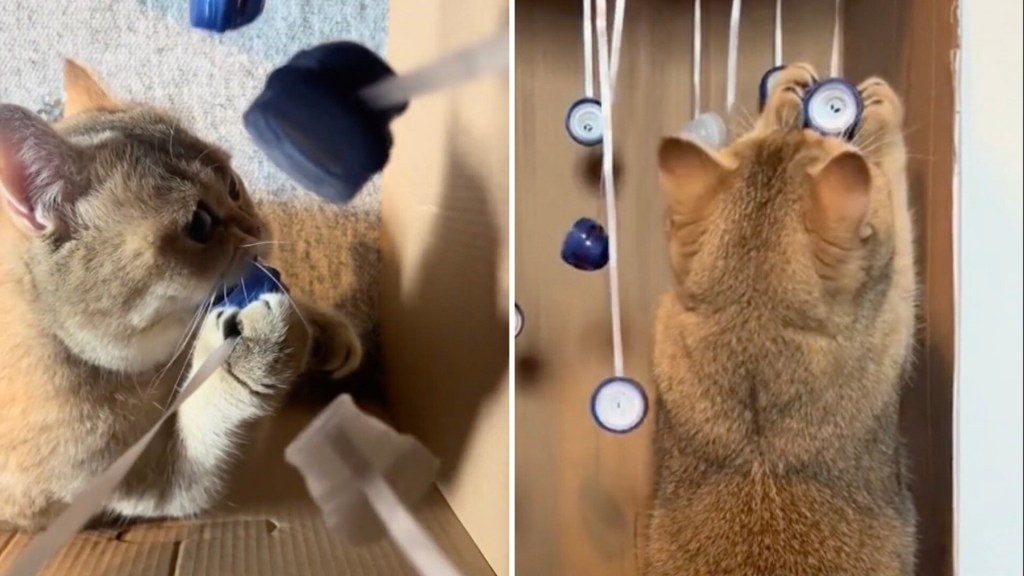
Look around your home for recyclables like cardboard tubes, bottle caps, and scrap fabric. These items are perfect bases for toys because they’re lightweight and easy to shape. For example, a cardboard tube stuffed with crinkly paper can become a tunnel filled with surprises.
Make sure to remove any sharp edges or small parts that could be swallowed. You can glue or tape pieces together to create new shapes—like a ball made from scrunched-up paper wrapped in fabric. Cats love the texture and sounds these materials make.
Adding Catnip
Catnip can turn a simple toy into a must-have for your kitty. Sprinkle dried catnip inside fabric pouches or glue a small amount into the core of a ball. Watch how your cat’s interest spikes as the scent activates their playful instincts.
Keep in mind that some cats react differently to catnip—some may get hyperactive, while others might relax. Try refreshing the catnip scent regularly to keep the toy appealing over time. Have you noticed how your cat behaves around catnip toys?
Customizing For Your Cat’s Preferences
Every cat has unique likes and dislikes when it comes to toys. Observe what type of play your cat enjoys most—is it chasing, pouncing, or batting? Use these clues to tweak your homemade creations.
- If your cat loves chasing, attach a string to a lightweight ball made from fabric scraps.
- For cats who prefer pouncing, create small stuffed mice using old socks and catnip.
- Enjoys batting? Try making a soft, crinkly pouch that makes noise with every touch.
Tailoring toys to your cat’s personality makes playtime more engaging and strengthens your bond. What kind of toy does your cat chase the most at home?
Safety And Maintenance
Ensure all toy parts are safe and free from sharp edges or small pieces that cats could swallow. Regularly check toys for damage and clean them to keep your pet healthy and happy.
Ensuring the safety and maintenance of DIY cat toys is vital. Cats love to play, and homemade toys can be a great source of entertainment. However, these toys require regular attention to keep them safe and enjoyable. Here’s how you can maintain and ensure the safety of your DIY cat toys.Regular Inspection
Always check toys for any signs of wear and tear. Look for loose parts or frayed edges. These can pose a danger to your cat. Remove any damaged toys promptly. A quick inspection can prevent accidents.Cleaning Diy Toys
Keep your DIY toys clean to prevent germs. Use mild soap and water for most materials. Rinse thoroughly and let them dry completely. Regular cleaning keeps your cat healthy.Replacing Worn Parts
DIY toys may need part replacements over time. Replace any worn-out or broken pieces immediately. This maintains the toy’s safety and functionality. Securely reattach any loose components. A well-maintained toy lasts longer.
Credit: www.thecooldown.com
Encouraging Playtime
Encouraging playtime is key to keeping your cat happy and healthy. Cats thrive on stimulation, and engaging them with toys made from household items can spark their curiosity and energy. It’s not just about giving them something to chase—it’s about creating moments of connection and fun that strengthen your bond.
Introducing New Toys
When you introduce a new toy, watch your cat’s reaction carefully. Sometimes, a simple crumpled paper ball can become their favorite new treasure. Try presenting the toy in different ways—dangle it, toss it lightly, or let it rest in a spot they frequent.
Have you noticed how your cat’s interest changes with new textures or sounds? Adding small bells or using different materials like cardboard, fabric scraps, or even bottle caps can catch their attention. Don’t be discouraged if they ignore a toy at first; cats need time to explore and accept new playthings.
Rotating Toy Selection
Keeping your cat’s playtime fresh means rotating toys regularly. Instead of leaving all toys out at once, hide some away and swap them every few days. This makes old toys feel new again and keeps your cat excited.
Try grouping toys by type—like soft toys, wand toys, or puzzle feeders—and rotating between these groups. You might find your cat prefers certain styles on different days. How often do you change your cat’s toys? Experiment with a schedule and see what sparks their most active play sessions.
Engaging With Your Cat
Your involvement can turn a simple household item into an exciting game. Use your hands or a makeshift wand to mimic the movement of prey, encouraging your cat to stalk, chase, and pounce. This direct interaction builds trust and makes playtime more rewarding.
Consider setting aside short, frequent play sessions each day. Even 5-10 minutes can make a big difference in your cat’s mood and behavior. Have you tried joining your cat’s playtime instead of just watching? Your energy and attention might be the best toy of all.
Credit: www.catastrophicreations.com
Frequently Asked Questions
What Household Items Make The Best Cat Toys?
Common items like cardboard boxes, paper balls, and bottle caps are great. They are safe, cheap, and easily accessible for DIY cat toys.
How To Safely Create Cat Toys At Home?
Use non-toxic materials and avoid small parts that cats can swallow. Always supervise your cat during play to ensure safety.
Can Homemade Toys Keep Cats Entertained Long-term?
Yes, rotating different homemade toys keeps cats curious and engaged. Regularly introducing new textures and shapes stimulates their hunting instincts.
What Are Quick Diy Cat Toys From Household Items?
Simple toys like crumpled paper balls or feather on string take minutes to make. These toys encourage playful behavior and are cost-effective.
Conclusion
Making cat toys at home is simple and fun. Use items you already have around. Cats love toys that move and make noise. Always watch your cat play to keep them safe. Creative toys can save money and keep cats happy.
Try different materials to see what your cat enjoys. Homemade toys bring joy to both you and your pet. Give it a try today. Your cat will thank you!




Leave a Reply