Are you looking for a fun and affordable way to keep your cat entertained? Making your own cat toys DIY style is easier than you think—and your furry friend will love the personalized touch.
Imagine watching your cat pounce, chase, and play with toys you created just for them. Not only will you save money, but you’ll also feel great knowing the toys are safe and made with love. Keep reading to discover simple, creative ideas that you can start crafting today!
Benefits Of Diy Cat Toys
Making your own cat toys is more than just a fun project—it brings several valuable benefits for both you and your feline friend. DIY cat toys offer unique advantages that store-bought ones often can’t match. They can save money, be tailored exactly to your cat’s preferences, and even deepen the bond you share.
Cost Savings
Buying cat toys regularly can add up quickly. Creating toys at home lets you use inexpensive or recycled materials, cutting down costs significantly.
Simple items like old socks, cardboard, or yarn can become exciting toys. Have you ever thought about how much you spend on cat toys each year? Making your own can free up some of that budget for other pet needs.
Customization Options
Every cat has unique tastes and play styles. DIY toys let you customize size, texture, and even scents to match what your cat loves most.
Is your cat more into chasing feathers or batting around balls? You can create toys that fit their personality perfectly. This personal touch often leads to more engagement and longer-lasting interest.
Bonding With Your Cat
Building toys together can be a shared experience that strengthens your connection. When your cat sees you putting effort into their playthings, it can increase their trust and affection.
Spending time crafting and then playing with the toys creates positive interactions. Have you noticed how your cat responds differently to toys you made compared to store-bought ones? This hands-on approach can turn playtime into quality bonding time.
Safe Materials To Use
Choosing safe materials is key to making DIY cat toys. Cats explore toys with their mouths. Using harmful materials can cause health problems. Always pick non-toxic and natural items to keep cats safe and happy.
Non-toxic Fabrics
Use fabrics free from chemicals and dyes. Cotton and felt are great choices. They are soft and safe for cats to chew. Avoid synthetic fabrics that can irritate skin or cause allergies.
Natural Fillings
Fill toys with natural materials like dried catnip or wool. These fillings are safe if ingested in small amounts. Avoid plastic beads or foam pieces. They can cause choking or stomach blockages.
Avoiding Small Parts
Small parts can be swallowed or cause choking. Skip buttons, beads, or tiny bells. Sew all pieces tightly to prevent loose parts. Large fabric pieces reduce risk and keep toys durable.
Simple Toy Ideas
Creating simple cat toys at home brings fun and saves money. These toys keep cats active and curious. Use common items found around the house. Easy projects that take little time make great entertainment for your furry friend. Here are three easy DIY cat toy ideas anyone can make.
Sock Mice
Old socks can turn into playful mice for cats. Fill a clean sock with soft stuffing or cotton balls. Add a pinch of catnip inside for extra attraction. Sew or tie the open end tightly. Use felt or fabric scraps to cut small ears and a tail. Attach them securely with glue or thread. These toys are soft and safe for cats to carry and chase.
Feather Wands
Feather wands spark a cat’s hunting instincts. Use a wooden stick or a chopstick as the base. Tie colorful feathers to one end with string or tape. Add a small bell for sound if desired. Move the wand slowly or quickly to mimic prey movements. Cats love to jump, pounce, and swipe at the feathers. This toy encourages exercise and bonding time.
Cardboard Scratchers
Cardboard scratchers keep claws healthy and furniture safe. Find a sturdy cardboard box or sheets. Cut strips or layers and glue them together in a flat or curved shape. Make sure edges are smooth and safe. Place the scratcher in your cat’s favorite spot. Sprinkle a little catnip on top to attract attention. Cats enjoy scratching the rough texture, relieving stress and boredom.
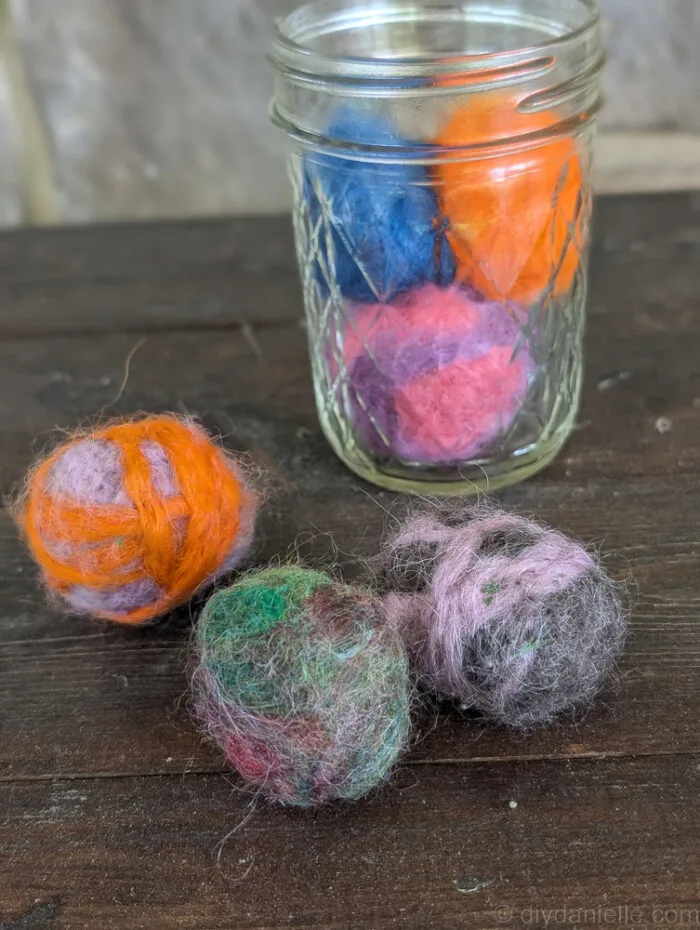
Credit: diydanielle.com
Interactive Toys
Creating cat toys at home can be fun and cost-effective. Simple materials like yarn, feathers, or paper can keep cats active and happy. Crafting these interactive toys encourages play and strengthens the bond with your pet.
Interactive toys make playtime more exciting for cats. They stimulate both their bodies and minds. Creating DIY interactive toys can be fun and rewarding. Here’s how to make some engaging toys for your feline friend.Treat Dispensers
Cats love treats, and a treat dispenser is perfect for them. Use an empty plastic bottle. Cut small holes around it. Ensure treats can fall out easily. Fill the bottle with your cat’s favorite snacks. Your cat will bat at the bottle, trying to get the treats. This keeps them active and entertained.Puzzle Boxes
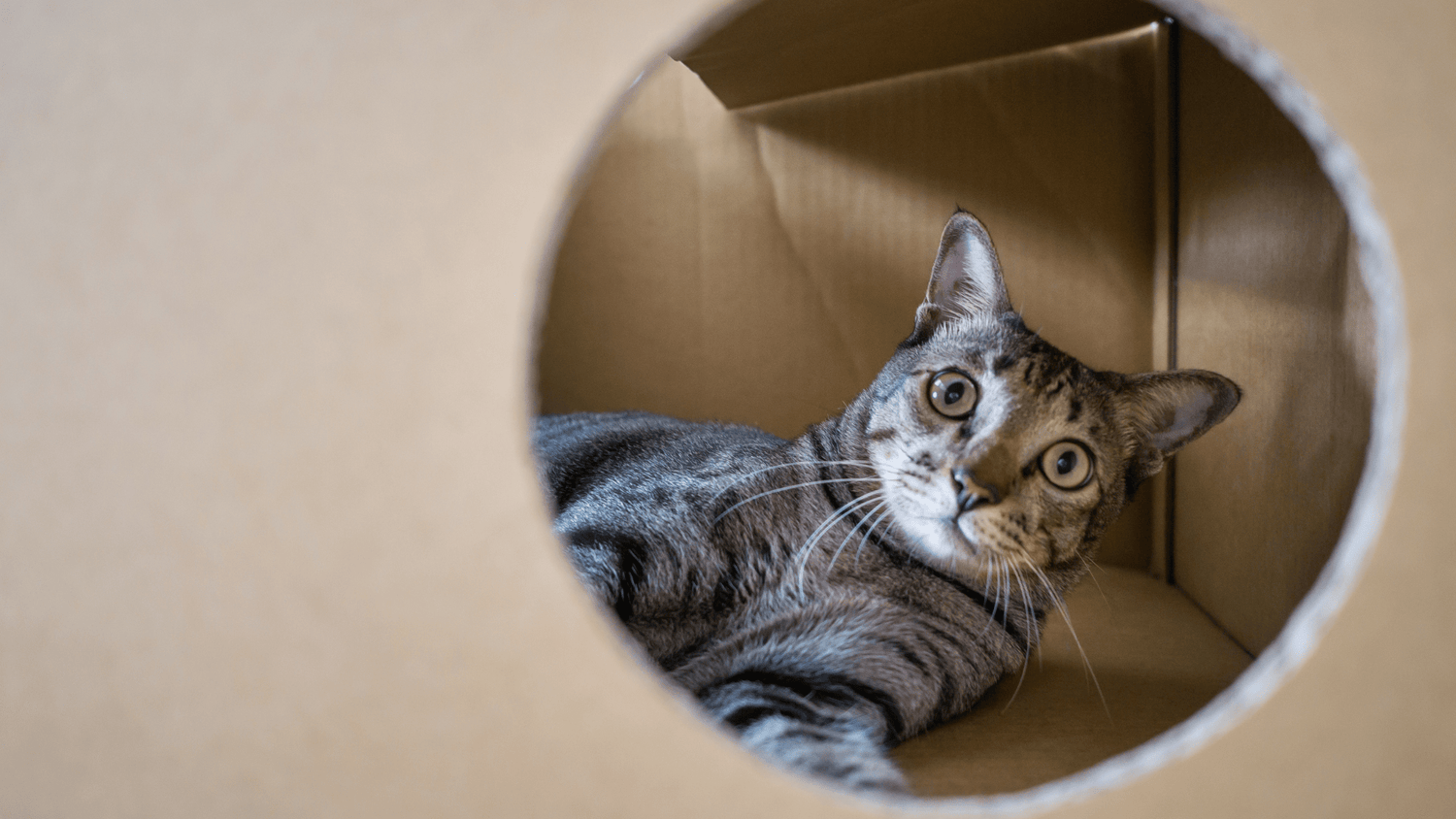
Puzzle boxes challenge your cat’s curiosity. Take a cardboard box and cut small holes on the top and sides. Place toys or treats inside the box. Your cat will reach in to grab them. This activity sharpens their problem-solving skills. It also provides hours of fun.String Chase Toys
Cats enjoy chasing moving objects. Create a simple string chase toy. Use a stick or a dowel. Tie a long string to it. Attach a soft toy or feather at the end of the string. Wiggle the stick and watch your cat leap and chase. This toy satisfies their hunting instincts. It also keeps them physically fit.Repurposing Household Items
Repurposing household items to make cat toys is simple and fun. It saves money and helps reduce waste. Cats love new shapes and textures. Using things from home gives them something fresh to explore.
Many common items can turn into safe, entertaining toys. These items often have interesting sounds or movements that attract cats. Small projects using these materials do not take much time or skill.
Bottle Caps
Bottle caps make great cat toys. They are small and light, perfect for batting around. Clean the caps well before use. You can add a bell inside for extra noise. Some cats enjoy chasing caps across the floor.
- Choose plastic caps, not metal, to avoid sharp edges.
- Test the cap for cracks or breaks.
- Place a small bell inside and seal it with tape.
- Roll the cap to encourage play and exercise.
Paper Rolls
Paper rolls from toilet paper or paper towels are great for DIY toys. They are lightweight and easy to cut or shape. Cats like to chew and scratch them. Fill the roll with treats or catnip for extra fun.
- Cut the roll into smaller tubes.
- Fold or cut ends to create tunnels or flaps.
- Hide small treats inside to encourage hunting behavior.
- Use non-toxic markers to decorate the rolls.
Old T-shirts
Old t-shirts can become soft, safe toys. Cut the fabric into strips or shapes. Braid strips to make tug toys. Cats enjoy the different textures and smells. Wash shirts before using to keep toys clean.
- Cut strips about 1 inch wide and 12 inches long.
- Braid three strips tightly and knot the ends.
- Add a small bell or feather inside the braid.
- Use leftover fabric for small stuffed toys filled with catnip.
Tips For Engaging Cats
Keeping cats interested in DIY toys needs some smart ideas. Cats get bored with the same toys fast. Using different tricks helps keep their attention. This makes playtime fun and keeps cats active. Below are some tips to make your homemade toys more exciting.
Using Catnip
Catnip is a natural herb that many cats love. It makes toys smell good and feel fun to bite or rub. Sprinkle some dried catnip inside fabric toys or on scratch pads. Fresh catnip can also be tied in a small cloth bag. Cats often become playful and curious around catnip toys. Use it sparingly to keep the effect strong.
Varying Textures
Cats enjoy toys with different feels. Soft fabrics, crinkly paper, and smooth wood all attract their paws. Combine materials in one toy for more fun. For example, wrap cotton with a bit of crinkly foil inside. Some cats like fuzzy balls; others prefer rough strings. Changing textures helps keep cats interested and engaged.
Regular Toy Rotation
Switch toys every few days to keep cats curious. Putting away some toys and bringing them back later feels new. This simple trick stops boredom quickly. Make a small box to store extra toys. Rotate them often so cats get fresh playthings. It saves money and makes your cat happy.
Maintaining And Cleaning Toys
Keeping your DIY cat toys clean and well-maintained is essential for your cat’s health and happiness. Dirty or damaged toys can harbor bacteria or become choking hazards. Regular care helps your cat enjoy their toys longer and keeps playtime safe.
Washing Instructions
Most homemade cat toys can be washed by hand using mild soap and warm water. Avoid harsh detergents that might irritate your cat’s skin or nose. Let the toys air dry completely before giving them back to your cat to prevent mold or mildew growth.
If the toy contains fabric or stuffing, spot cleaning might be safer to avoid damage. For felt or cotton toys, a gentle machine wash in a laundry bag can work, but check the material first. Do you know which cleaning method keeps your cat’s toys both safe and fresh?
Inspecting For Wear
Regularly check your cat’s toys for loose threads, torn fabric, or broken parts. Even small tears can quickly become bigger hazards if your cat swallows stuffing or small pieces. Look inside seams and corners where damage often starts unnoticed.
Try to spot any signs of discoloration or odd smells—these can indicate bacteria buildup. How often do you take a moment to inspect your cat’s toys before playtime? It’s a small step that makes a big difference.
Replacing Parts
Many DIY toys have components like bells, feathers, or strings that wear out faster. Instead of discarding the entire toy, replace just the worn parts. Keep spare feathers, bells, or fabric pieces handy for quick fixes.
This not only saves money but also keeps your cat’s favorite toy intact. Have you noticed your cat’s preference for a specific toy part? Replacing just that part can keep their interest alive longer.

Credit: www.youtube.com
Credit: thekindpet.com
Frequently Asked Questions
What Materials Are Needed For Diy Cat Toys?
You need simple materials like yarn, feathers, fabric scraps, and bells. These are safe, affordable, and easy to find. Using household items makes DIY cat toys budget-friendly and fun to create.
How To Make A Safe Cat Toy At Home?
Use non-toxic, cat-safe materials like cotton yarn and natural feathers. Avoid small parts that can be swallowed. Securely attach all pieces to prevent choking hazards. Safety is key when crafting toys for your cat.
Which Diy Cat Toy Is Best For Active Cats?
Interactive toys like feather wands or yarn balls are ideal. They encourage chasing and pouncing, which suits active cats. These toys help keep your cat engaged and physically fit.
Can I Use Recycled Items For Cat Toys?
Yes, recycled items like cardboard tubes and fabric scraps work well. They are eco-friendly and cost-effective. Just ensure they are clean and free of harmful substances before use.
Conclusion
Making DIY cat toys is fun and saves money. You can use simple materials found at home. Your cat will enjoy new, safe toys made with care. Creating toys yourself helps you understand what your cat likes. It also gives your cat more exercise and mental fun.
Try different ideas and see what excites your pet most. Keep toys fresh by changing or fixing them often. Enjoy bonding with your cat through these easy projects. Happy crafting and happy cats!


Leave a Reply