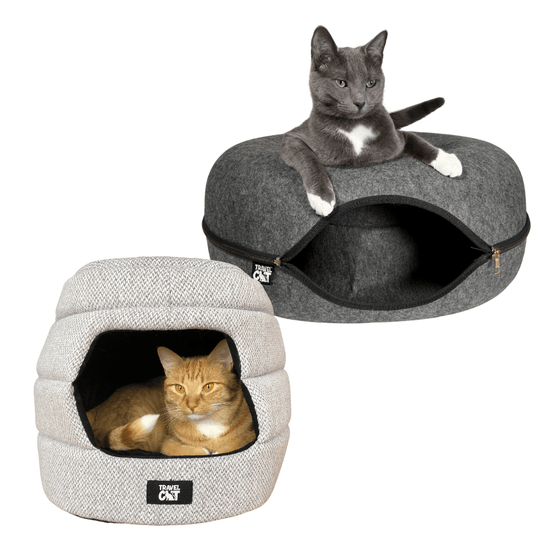
Looking for fun and simple ways to keep your cat happy and comfortable? You’re in the right place.
Making your own cat toys and beds is easier than you think, and it lets you create something special just for your furry friend. Imagine your cat purring contentedly on a cozy bed you made or chasing a toy crafted by your own hands.
This isn’t just about saving money—it’s about giving your cat love in a way only you can. Keep reading to discover easy steps and creative ideas that will make your cat’s day—and yours too.
Credit: www.etsy.com
Diy Cat Toys
Making your own cat toys can be a fun and rewarding way to keep your furry friend entertained. It’s also a great way to use materials you already have at home, saving money and reducing waste. Plus, you get to customize toys to match your cat’s personality and play style.
Simple Sock Toys
Old socks can quickly turn into charming cat toys. Fill a clean sock with a bit of catnip or crumpled paper, then tie a knot at the open end. The soft texture and irregular shape make it perfect for your cat to kick, chase, and carry around.
Try adding a few small bells inside for extra noise that catches your cat’s attention. Have you noticed how cats love toys that move unpredictably? Sock toys deliver just that with every toss or paw swipe.
Feather Wand Creations
A feather wand can transform playtime into an exciting chase game. Attach feathers, ribbons, or even small bells to a sturdy stick or dowel using string or tape. This lets you control the toy’s movement and engage your cat’s natural hunting instincts.
Using feathers mimics the fluttering of birds, which often drives cats wild. Have you tried making different feather combinations to see which ones your cat prefers? It’s a simple way to learn what excites your cat the most.
Pom-pom Playthings
Pom-poms are lightweight, soft, and easy for cats to bat around. You can make these by wrapping yarn around your fingers or a small piece of cardboard, then tying and trimming it into a fluffy ball. Add a dab of non-toxic glue to keep the yarn from unraveling.
Pom-poms come in various sizes and colors, so you can create a whole collection of toys. What colors does your cat respond to? Observing this can help you tailor toys that grab their attention immediately.
Interactive Puzzle Toys
Creating puzzle toys challenges your cat’s brain and keeps boredom at bay. Use a cardboard box with small holes cut out and place treats or kibble inside. Your cat will have to figure out how to fish the goodies out, turning snack time into a game.
You can also repurpose muffin tins by placing treats under tennis balls in each cup, encouraging your cat to move the balls to reach the rewards. Have you noticed how mental stimulation changes your cat’s behavior? It often leads to a happier, calmer pet.
Homemade Cat Beds
Creating a homemade cat bed gives you the chance to customize comfort for your feline friend while saving money. You can tailor the bed’s size, shape, and materials to suit your cat’s preferences and your home’s style. Plus, crafting a cozy spot for your pet can be a fun project that brings you closer to understanding what your cat truly loves.
No-sew Fleece Beds
No-sew fleece beds are perfect if you want something quick and soft without needing a sewing machine. Simply cut two matching circles or squares of fleece, about twice the size of your cat, and fringe the edges. Tie the fringes from both layers together tightly to form a plush, warm bed.
These beds are lightweight and easy to wash, making them ideal for cats who like to nest in soft, snug places. Have you noticed how your cat often curls up in fleece blankets? This bed mimics that feeling, offering a dedicated space just for them.
Upcycled Sweater Beds
Turn an old sweater into a charming cat bed with minimal effort. Fill the body of the sweater with soft stuffing or old t-shirts, then sew or tie the sleeves to create a cozy, enclosed area. This gives your cat a warm, familiar scent and a comforting hideaway.
The best part? You’re recycling something you already have, which adds a personal touch to your cat’s resting spot. Cats love enclosed spaces, so this sweater bed provides a perfect little cave for naps.
Cardboard Box Comfort
Cardboard boxes are a cat’s natural favorite, and you can enhance them into comfy beds with a few simple additions. Cut the box sides if needed to create an entrance, then line the bottom with a soft blanket or cushion. You can decorate the outside with paint or fabric to make it visually appealing.
Why not test how your cat reacts to different sizes and shapes of boxes? Sometimes the smallest box can become their ultimate retreat. This is a budget-friendly, customizable option that offers cats the security they crave.
Hammock Style Beds
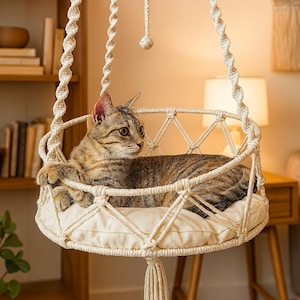
Hammock beds are excellent for cats who enjoy lounging above the ground and watching their surroundings. You can make one by attaching sturdy fabric between two pieces of furniture or by using a frame. Make sure the fabric is strong and stretched tight enough to support your cat’s weight.
These beds appeal to your cat’s love of height and comfort. Have you seen how your cat jumps onto shelves or windowsills? A hammock bed gives them a safe, soft spot to rest while still feeling in control of their space.
Materials To Use
Choosing the right materials is key to making safe and comfortable cat toys and beds. Cats have sensitive skin and can chew or scratch their toys. Using the proper fabrics, fillings, and adhesives keeps your cat healthy and happy. It also helps the toys last longer and stay clean. Consider options that support your cat’s well-being and the environment.
Safe Fabrics And Fillings
Soft, durable fabrics work best for cat beds and toys. Cotton, fleece, and felt are gentle on skin. Avoid rough or scratchy materials that can irritate your cat. Use natural fillings like cotton batting or wool. These are cozy and safe if your cat bites or scratches. Avoid polyester stuffing that can cause allergies or choking hazards.
Non-toxic Adhesives
Choose adhesives that do not contain harmful chemicals. Use fabric glue labeled non-toxic and safe for pets. Hot glue can work but use carefully to avoid burns or loose bits. Sewing is often the safest option for attaching parts. Avoid adhesives with strong smells or toxic ingredients.
Recyclable And Eco-friendly Options
Use materials that help reduce waste and protect nature. Old clothes, scrap fabric, and clean towels make great parts. Reuse stuffing from worn-out pillows if clean and safe. Choose organic cotton or hemp fabric for a greener choice. These materials reduce waste and keep your cat’s toys eco-friendly.

Credit: www.goodhousekeeping.com
Tips For Success
Creating cat toys and beds that your feline friends will love requires more than just basic crafting skills. Paying attention to a few key details can make your handmade items last longer, stay clean, and truly suit your cat’s unique personality. These tips will help you craft with confidence and enjoy watching your cat’s excitement every time they see a new toy or bed.
Ensuring Durability
Choose strong, pet-safe materials that can handle scratching and biting without falling apart. Thick fabrics like denim or canvas work well for beds, while tightly woven cotton or felt is great for toys. Reinforce seams with double stitching to prevent easy tearing.
Have you noticed how quickly your cat can destroy flimsy toys? Investing a little more time in sturdy construction saves you from constant repairs and replacements. Adding extra padding or stuffing also helps toys keep their shape longer, making playtime more enjoyable.
Maintaining Cleanliness
Opt for materials that are easy to wash and dry quickly. Removable covers with zippers simplify cleaning and keep beds fresh. For toys, avoid stuffing that holds moisture or odors, as this can attract bacteria.
Cleaning your cat’s belongings regularly prevents the buildup of dirt and allergens. Do you know how often your cat’s toys should be washed? Aim for at least once a month, or more if your cat plays hard. This keeps your home healthier and your cat happier.
Customizing For Cat Preferences
Observe your cat’s favorite colors, textures, and play styles before choosing materials. Some cats prefer soft, plush surfaces for napping, while others love crinkly or feathered toys. Tailoring your project to these preferences makes your creation irresistible.
Have you tried adding catnip or bells to toys? These small touches can make a big difference in engagement. Remember, your cat’s personality is your best guide—what excites one cat might bore another.
Benefits Of Diy Pet Projects
Creating cat toys and beds at home saves money and lets you customize items to suit your pet’s needs. Handmade projects also provide fun bonding moments and keep cats entertained with safe, personalized playthings.
Creating your own cat toys and beds isn’t just a rewarding hobby; it’s a venture into a world where both you and your feline friend can reap numerous benefits. By engaging in DIY pet projects, you not only save money, but also foster a deeper connection with your pet, while promoting healthy habits. Let’s delve into why this might be the perfect project for you and your cat.Cost Savings
Making your own cat toys and beds is often much cheaper than buying them from a store. A simple cardboard box can transform into a cozy hideaway with a little creativity. Scraps of fabric and old T-shirts can become delightful playthings, saving you a considerable amount compared to store-bought items.Bonding With Your Cat
DIY projects allow you to spend quality time with your cat. As you craft, your cat’s curiosity will often lead them to join you, providing an opportunity to interact and bond. This shared experience can strengthen your relationship and create lasting memories.Encouraging Exercise And Play
Homemade toys can be designed to stimulate your cat’s natural instincts for hunting and play. Interactive toys that mimic prey can keep your cat active and entertained. This not only aids in maintaining a healthy weight but also supports their mental well-being. Have you ever noticed how much happier your cat seems after a good play session? That sense of satisfaction is something you can help nurture with your own creations.,gravity=Center,allowExpansion)
Credit: www.mydeal.com.au
Frequently Asked Questions
How Can I Make Safe Cat Toys At Home?
Use non-toxic materials like felt, cotton, and yarn. Avoid small parts that cats can swallow. Sew toys securely and stuff with catnip or soft fabric for added fun.
What Materials Are Best For Diy Cat Beds?
Choose soft, washable fabrics like fleece or cotton. Use foam or stuffing for comfort. Ensure the bed is sturdy, easy to clean, and sized appropriately for your cat.
How Long Does It Take To Make Cat Toys And Beds?
Simple cat toys can take 15-30 minutes. Beds usually require 1-2 hours depending on complexity. Time varies based on skill level and materials used.
Can I Customize Cat Toys And Beds For My Cat?
Yes, customize size, color, and texture based on your cat’s preferences. Adding catnip or unique shapes increases engagement. Personalization makes toys and beds more enjoyable.
Conclusion
Making cat toys and beds is fun and rewarding. You save money and give your cat something special. Simple materials and a little time create great results. Cats enjoy new toys and comfy beds made with care. Try different ideas to see what your cat likes best.
Enjoy the process and watch your cat play and rest happily. Creating these items strengthens your bond with your pet. Start today and make your cat’s world brighter.




Leave a Reply