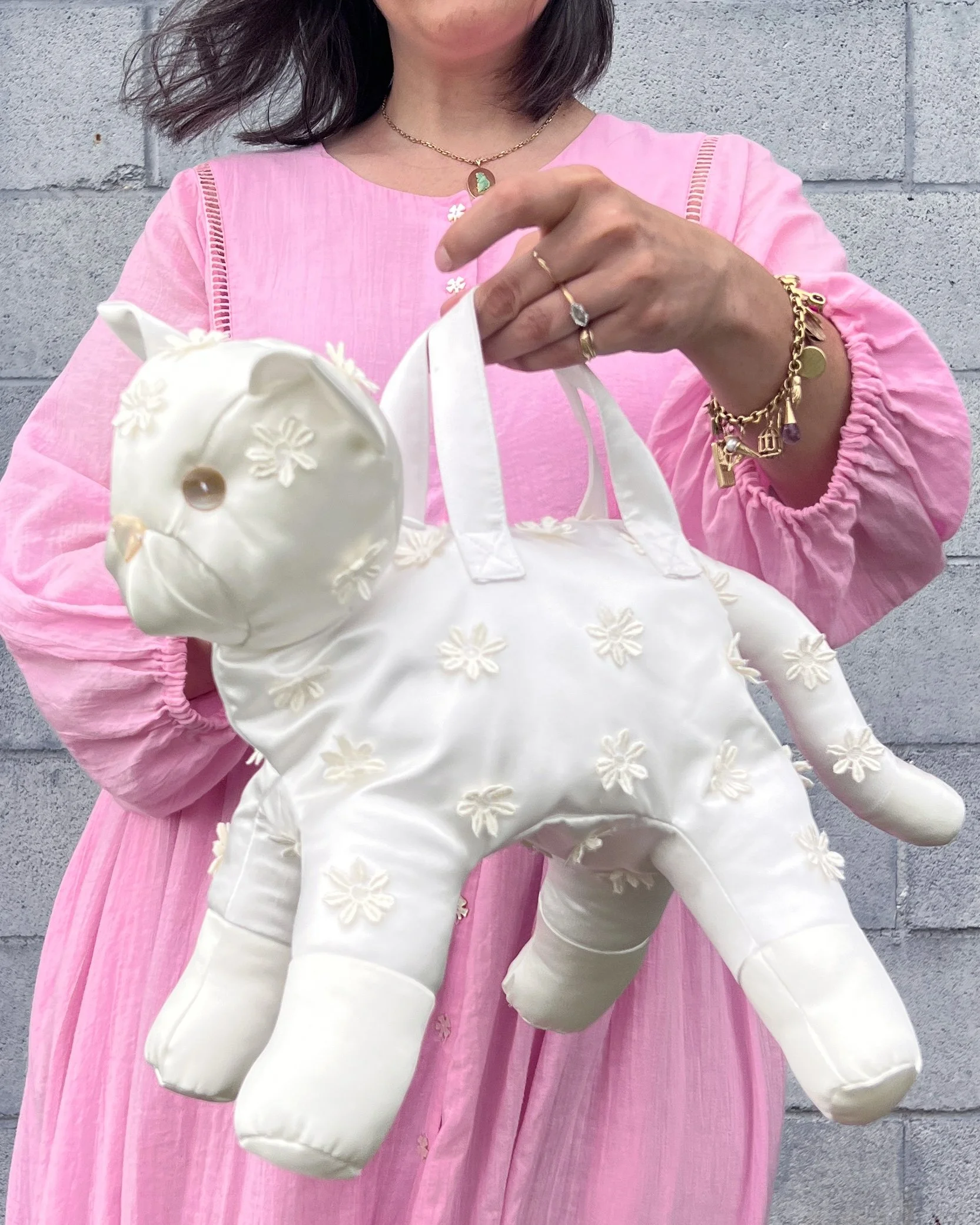
Have you ever wished your toy cat could move, purr, or even respond to you? Imagine bringing your favorite stuffed friend to life right in your own home.
It’s easier than you think, and the magic starts with simple steps you can follow today. You’ll discover how to turn your toy cat into a lively companion that feels almost real. Ready to surprise yourself and those around you?
Keep reading, and let’s make your toy cat come to life!

Credit: www.yahoo.com
Choosing The Right Toy Cat
Choosing the right toy cat sets the stage for making it come to life. The toy’s material, size, and safety features influence how well it responds and stays durable. Picking the perfect toy helps create a more fun and safe experience.
Material Matters
Soft materials like plush or cotton feel gentle and cozy. They make the toy easy to hug and carry around. Hard plastic or rubber parts add durability and support moving parts. A mix of fabrics and plastics often works best for lifelike effects.
Size And Features
Choose a size that fits your hands well. Small toys are easy to control, while bigger ones can have more parts and movements. Look for features like movable paws, blinking eyes, or sound effects. These add personality and make the toy cat more lifelike.
Safety Considerations
Check for secure parts that won’t fall off easily. Avoid toys with sharp edges or small pieces that can be swallowed. Non-toxic materials are a must, especially for kids. Always read labels to ensure the toy meets safety standards.
Gathering Essential Supplies
Bringing a toy cat to life needs a few key supplies. These supplies help you build and decorate your toy cat with ease. Gather the right tools and parts before starting. This makes your project smooth and fun.
Basic Crafting Tools
Basic tools make building easier and more precise. Prepare these items for a smooth crafting process:
- Scissors or small craft knife
- Glue gun or strong adhesive
- Needle and thread for sewing parts
- Small paintbrushes for details
- Tweezers for tiny pieces
Electronic Components
To make the toy cat move or light up, use simple electronic parts. These add life and action:
- Small motors or servo motors for movement
- Battery pack to power electronics
- LED lights for glowing eyes or accents
- Wires and switches to connect parts
- Microcontroller (optional) for more control
Decorative Elements
Decorations give your toy cat personality and charm. Choose items that fit your design:
- Colored felt or fabric for fur
- Buttons or beads for eyes and nose
- Yarn or thread for whiskers
- Paint or markers for extra details
- Small accessories like collars or bows
Preparing Your Toy Cat
Preparing your toy cat is a crucial step before bringing it to life. This phase ensures that your toy is clean, functional, and ready for any modifications you plan to make. Taking the time now will save you headaches later and make the entire process smoother and more enjoyable.
Cleaning And Repairing
Start by giving your toy cat a thorough cleaning. Dust and dirt can hide in seams and joints, so use a soft brush or cloth to remove debris gently. If your toy has any stains, spot clean with mild soap and water, but avoid soaking it completely to prevent damage.
Check for loose parts, torn fabric, or damaged joints. Fix small tears with a needle and thread or fabric glue. If any parts are missing or broken, consider replacing them or reinforcing weak spots to ensure your toy cat can handle any movements or additions you plan to make.
Marking Modification Areas
Before making changes, clearly mark the areas where you want to add features like sensors, wires, or movable joints. Use a washable fabric marker or small pieces of tape that won’t damage the toy’s surface. This step helps you visualize your project and avoid mistakes.
Think carefully about the placement of each modification. Will the added parts affect the toy’s balance or appearance? Marking these areas first allows you to test different ideas and plan the best approach without committing prematurely.
Adding Movement And Sound
Adding movement and sound to your toy cat can truly bring it to life. These features create a more engaging and interactive experience. You’ll find that even simple motions and sounds can make your creation seem almost magical.
Installing Motors
Motors are the heart of movement in your toy cat. Small servo motors work well for moving limbs or the head. Choose motors that fit the size of your toy and have enough torque to move parts smoothly.
Attach the motors securely to the frame. Use screws or strong adhesive to keep them in place. Think about where movement looks most natural—ears twitching, tail wagging, or even blinking eyes.
Incorporating Sound Modules
Adding sound makes your toy cat more expressive. Simple sound modules can play meows, purring, or other cat noises. Some modules even let you record your own sounds, adding a personal touch.
Place the speaker where it won’t be covered by fabric or parts. Test different volumes to find the perfect level—loud enough to hear clearly but not too loud to startle.
Testing Mechanical Parts
Once motors and sound modules are installed, it’s time to test everything. Check each moving part for smooth operation. Watch for any parts that stick or make noise beyond the expected motor sounds.
Test the sounds multiple times. Make sure they sync well with the movements. If something feels off, adjust the motor speed or reposition the speaker until the effect feels natural.
Creating Life-like Features
Bringing a toy cat to life involves adding soft fur and sparkling eyes that seem full of emotion. Small details like whiskers and gentle movements make it feel real and lovable. Crafting these features creates a charming, lifelike companion.
Creating a toy cat that mirrors the charm of a real feline can be a delightful project. Attention to detail is key in bringing your plush companion to life. This section will guide you through adding life-like features that make your toy cat look and feel almost real. From painting and detailing to adding eyes and whiskers, every step offers an opportunity to inject personality into your creation.Painting And Detailing
Adding color and detail to your toy cat can truly transform it. Start by selecting paints that suit the fur colors of your desired breed. Acrylics work well for their bright hues and easy application. Use a small brush to add subtle shades and stripes, mimicking natural fur patterns. Don’t be afraid to layer colors for depth. This detail can make your toy cat’s coat appear more realistic and textured.Adding Eyes And Whiskers
Eyes are the windows to the soul, even for a toy cat. Choose eyes that sparkle and reflect light. Glass or plastic eyes with a glossy finish can add realism. Whiskers, though small, are significant. Use fine fishing line or thin wire for whiskers that stand out. Secure them with a tiny dab of glue, ensuring they fan out naturally.Enhancing Texture
Texture is vital for a tactile experience. Consider using different fabric patches to simulate various fur lengths and textures. Long plush for the body and shorter, smoother fabrics for areas like the face can add diversity. You can also lightly brush the fabric against the grain. This technique can lift fibers and create a more fluffy appearance. What textures will you explore to make your toy cat feel like it’s purring under your touch?
Credit: www.goodhousekeeping.com
Programming Simple Actions
Programming simple actions brings your toy cat closer to life. It means giving it basic movements and sounds. These actions make the toy interactive and fun. Starting with easy programming helps you build confidence. It also creates a foundation for more complex behaviors later.
Basic Coding For Movement
Begin by coding simple movements. Use commands to make the toy cat walk, turn, or nod. Small steps work best. For example, program the cat to move forward for two seconds.
- Set up motion commands in the coding software.
- Use loops to repeat movements smoothly.
- Test each movement separately before combining.
Simple code blocks or drag-and-drop coding tools suit beginners. Keep the code short and clear. This approach helps avoid errors and makes adjustments easy.
Syncing Sounds With Actions
Sounds add personality to your toy cat. Match sounds like meowing with the cat’s movements. Timing is important. Syncing sound and action creates a natural effect.
- Choose simple sounds from the library or record your own.
- Program sounds to play right when the cat moves.
- Use delays to coordinate sound with action perfectly.
Testing sound and movement together ensures smooth interaction. Small changes to timing can make the toy feel alive.
Final Touches And Safety Checks
Final touches and safety checks are essential before your toy cat comes to life. These steps ensure the toy works well and stays safe for play. Take your time to secure parts and test the power source carefully. This process helps avoid accidents and keeps the toy fun to use.
Securing Loose Parts
Check the toy cat for any loose parts. Gently press each piece to see if it moves or feels unstable. Use glue or small screws to fix any wobbly parts. Avoid using too much glue, as it can damage the toy’s look. Double-check joints, ears, tail, and eyes. Loose parts can fall off or cause choking hazards. Make sure everything fits tightly and looks neat.
Battery Installation And Testing
Choose the right batteries for your toy cat. Open the battery compartment carefully. Insert batteries following the positive and negative marks. Close the compartment securely to prevent batteries from falling out. Turn on the toy and test all functions. Listen for sounds and watch movements. If the toy does not work, check the battery placement or try new batteries. Proper battery installation keeps the toy running smoothly and safely.
Credit: www.thriftbooks.com
Tips For Enchanting Playtime
Bring your toy cat to life by giving it a name and a backstory. Use gentle movements and soft voices to create a playful, magical experience. Encourage imagination through fun activities and storytelling.
Engaging playtime is essential when trying to make your toy cat feel more alive. It’s not just about playing; it’s about creating a magical world where your toy cat becomes a cherished companion. With a few simple tips, you can transform ordinary play sessions into enchanting adventures. Let’s dive into some practical strategies to elevate your playtime experience.Interactive Storytelling
Storytelling is a powerful tool to breathe life into your toy cat. Create a unique personality for your toy by giving it a name and a backstory. Is it a mischievous explorer or a cozy lap cat? Engage your toy cat in daily adventures. Perhaps it has a secret mission to find the hidden treasure in your living room or it loves attending tea parties with your other toys. Use different voices and sounds to make the interaction more dynamic. You might be surprised how much more engaged you become when you take on the role of a playful narrator.Maintaining Your Toy Cat
Keeping your toy cat in good condition is crucial for long-lasting play. Regularly check for any loose seams or wear and tear, and repair them promptly to ensure safety and durability. Cleaning your toy cat is essential, especially if it’s frequently handled. Follow the care instructions on the label, or gently hand wash it to keep it fresh and inviting. Consider rotating your toy cat’s accessories. A new collar, a tiny hat, or even a small blanket can add excitement and make your toy feel like new. Are there any other little changes you can make to keep things interesting? By implementing these tips, you’re not just playing—you’re building a special bond and creating memories with your toy cat. How will you make your next playtime magical?Frequently Asked Questions
How Can I Make A Toy Cat Move Realistically?
You can add small motors and sensors inside the toy cat. Program these parts to mimic natural cat movements. This technique brings lifelike motion, making the toy cat appear alive and interactive.
What Materials Are Best For A Toy Cat’s Lifelike Appearance?
Use soft fabrics like faux fur for realism. Incorporate glass or plastic eyes for detail. Lightweight materials ensure easy movement and a natural feel to enhance the toy cat’s lifelike look.
Can I Use Ai To Animate A Toy Cat?
Yes, AI can control sensors and motors to mimic behaviors. It enables the toy cat to respond to touch and sound. This creates an interactive, lifelike experience.
How Do I Add Sound Effects To A Toy Cat?
Install a small speaker and sound module inside the toy. Program sounds like purring or meowing triggered by movement or touch. This adds an auditory element, enhancing realism.
Conclusion
Bringing a toy cat to life can be fun and exciting. Small steps create big changes in your toy’s movement and sounds. Using simple tools and a little creativity makes the process easier. Remember, patience helps you improve your toy cat’s actions.
Enjoy watching your toy cat move and respond like a real pet. Keep trying new ideas to make it even better. This project can bring joy to both kids and adults alike. Give it a try and see your toy cat come alive!



Leave a Reply