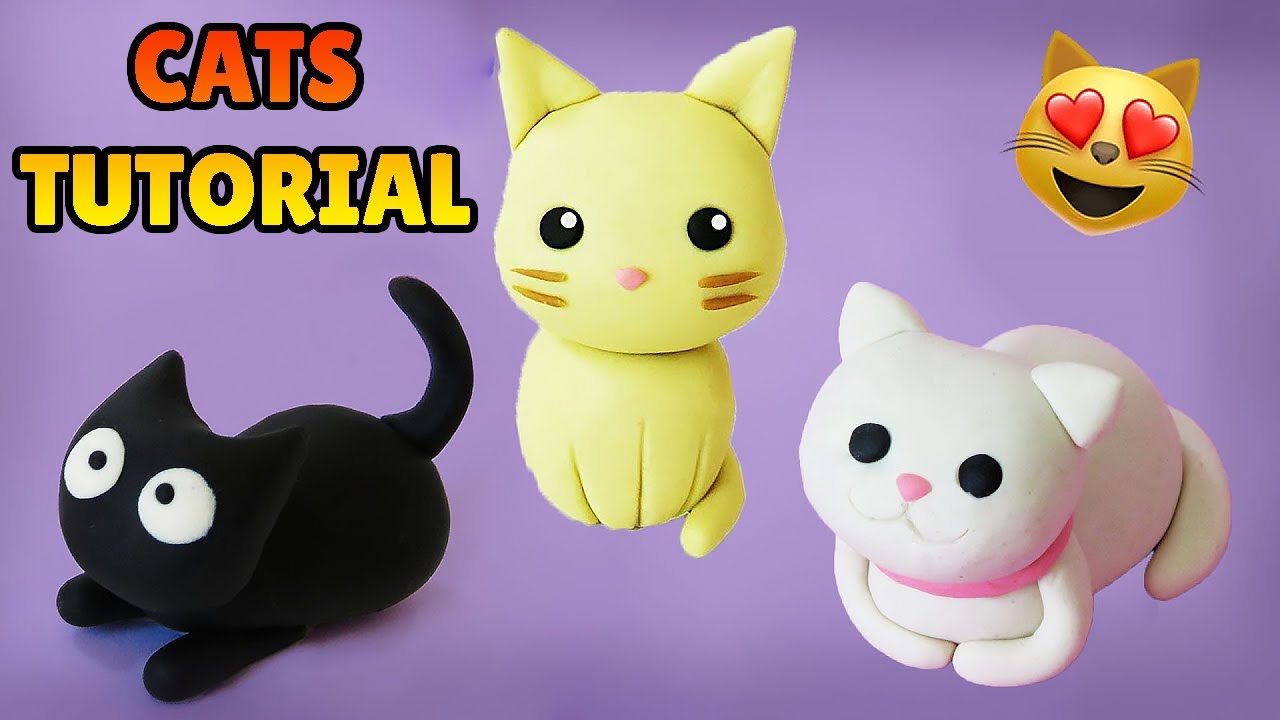
Are you looking for a fun and creative way to make a toy cat that you’ll love? Whether you want a cute companion for your room or a special gift for someone, making your own toy cat is easier than you think.
In this guide, you’ll discover simple steps and handy tips that anyone can follow. By the end, you’ll have a charming toy cat made with your own hands—something unique and full of personality. Ready to start? Let’s dive in and bring your toy cat to life!

Credit: www.youtube.com
Materials Needed
Gathering the right materials sets the foundation for making a charming toy cat. Choosing quality fabrics and tools not only makes the process smoother but also ensures your toy feels soft and looks adorable. Before you start cutting and sewing, take a moment to prepare everything you’ll need.
Fabric Choices
Pick fabrics that are soft to the touch, like fleece, cotton, or felt. These materials are easy to work with and safe for kids. Think about the color and texture—do you want a fluffy white cat or a sleek black one? Keep in mind that darker fabrics can hide stains better, which is great if the toy will be played with often.
Tools And Accessories
Having the right tools makes crafting your toy cat much easier. You’ll need sharp scissors, sewing needles, and thread that matches your fabric. A sewing machine can speed things up but hand sewing works just fine if you prefer. Don’t forget stuffing—polyester fiberfill is light and washable, perfect for a cuddly toy.
Optional Decorations
Adding decorations can give your toy cat a unique personality. Consider using buttons or beads for eyes, but be sure they’re securely attached, especially if the toy is for a small child. You might also want to add a ribbon collar or small embroidered details like whiskers. What little extras would make your toy cat stand out on a shelf or in a child’s arms?

Credit: www.youtube.com
Preparing The Pattern
Preparing the pattern is the foundation of making a toy cat that looks just right and feels cuddly. This stage sets the tone for your entire project, so spending time here pays off in the end. You’ll be defining the shape, size, and details that give your toy its unique charm.
Drawing The Cat Shape
Start by sketching the outline of your toy cat on paper. Focus on simple shapes like ovals and circles to form the head, body, and limbs. This helps keep your design clear and easy to follow.
Think about the personality you want your cat to have—is it playful, sleepy, or curious? Let this guide how you shape the ears, tail, and face. Don’t hesitate to make adjustments; sometimes a slight curve can make a big difference in how cute your toy looks.
Cutting The Fabric Pieces
Once your pattern is drawn, pin it onto your chosen fabric. Use sharp scissors to carefully cut each piece, making sure to leave a small seam allowance around the edges. This extra fabric is crucial for sewing everything together without losing the shape.
Double-check that you have all parts: front and back bodies, ears, paws, and tail if your design includes one. Keeping your pieces organized helps prevent confusion later and speeds up your sewing process.
Sewing The Toy Cat
Sewing the toy cat brings your creation to life. This step joins all fabric pieces into a soft, cuddly shape. Careful stitching ensures the toy is durable and safe for play. Focus on neat, even seams for the best look and feel.
Stitching The Body
Start by placing the front and back body pieces together. Align the edges carefully. Use a strong thread and a sharp needle. Sew around the edges, leaving a small gap to add stuffing later. Use small, tight stitches to prevent stuffing from escaping. After sewing, turn the body inside out to hide the seams.
Adding The Ears And Tail
Sew the ear pieces in pairs, right sides facing each other. Stitch around the edges, then turn them right side out. Attach each ear to the top corners of the head with small stitches. For the tail, fold the fabric and sew along the edges. Turn it right side out and stuff lightly. Secure the tail to the back of the body with tight stitches.
Stuffing And Finishing
Stuffing and finishing your toy cat is where your creation truly comes to life. The right filling gives your toy the perfect shape and cuddle factor, while careful closing ensures durability and a neat look. Let’s dive into how to fill and seal your toy with confidence and care.
Filling The Toy
Choose a stuffing material that matches the feel you want for your toy cat. Polyester fiberfill is soft and easy to work with, making it a popular choice. You can also try using cotton, fabric scraps, or even small beads for a unique texture.
Fill your toy gradually, pressing the stuffing into corners and limbs to maintain the shape. Avoid overstuffing—it can stretch the seams and distort the form. Understuffing, on the other hand, might leave your toy floppy and less appealing to hug.
Have you noticed how a firm but soft toy feels more inviting? That’s the balance you want to hit as you work your way through the filling. Take your time and adjust as needed to get the right firmness.
Closing The Seams
Once your toy cat is filled, the next step is closing up the opening with a clean finish. Use a ladder stitch (also known as an invisible stitch) to keep your work hidden and tidy. This stitch blends into the fabric, making the seam nearly invisible.
Keep your stitches small and consistent to avoid gaps where the stuffing could escape. If you’re nervous about it, practice on a scrap piece of fabric first. It makes a big difference in the final look and durability of your toy.
Before sealing completely, give your toy a gentle squeeze to make sure the stuffing is evenly distributed. Adjust if needed, then stitch carefully. You’ll feel proud when your toy cat looks as good on the outside as it feels on the inside.
Decorating Your Toy Cat
Craft a toy cat using soft fabric and simple stitches for a cozy feel. Personalize it with buttons or fabric paint to bring charm and character.
Decorating your toy cat is where creativity truly shines. This is your chance to add personality and charm to your handmade creation. With a few simple additions, you can transform a basic toy into a delightful companion that reflects your style and imagination.Adding Eyes And Nose
The eyes and nose are the soul of your toy cat. Choose buttons, felt, or even googly eyes to give it a lively expression. Sew or glue them in place, ensuring they’re securely attached. For the nose, a small triangle of pink or black felt works wonders. Stitch or glue it on, right below the eyes, to complete the face. Consider the expression you want your cat to have—mischievous, sleepy, or curious? Adjust the placement of the eyes slightly to achieve the desired look.Personalizing With Accessories
Accessories can make your toy cat stand out. A tiny bow tie or a ribbon around the neck adds a touch of elegance. Use colorful scraps of fabric or ribbon for this purpose. Think about adding a small bell or charm for a playful sound effect. This can be easily tied to a collar or sewn onto a fabric accessory. Why not create a little bed or blanket for your cat? Use soft materials like fleece or cotton. These extra touches can make your toy cat feel like a complete character in its cozy world. As you decorate, remember that every choice adds to the story your toy cat tells. What unique accessory will you add to make it truly yours?Care Tips For Your Toy Cat
Taking care of your toy cat keeps it looking fresh and lasting longer. Proper care makes your handmade creation a joy to keep and show. Simple steps protect your toy from dirt and damage. Follow these care tips to enjoy your toy cat every day.
Cleaning Instructions
Clean your toy cat gently to avoid damage. Use a soft brush to remove dust from fur or fabric. For small stains, dab with a damp cloth and mild soap. Avoid soaking your toy cat in water. Let it air dry completely before use or storage. Do not use harsh chemicals or bleach. These can harm the colors and materials.
Storage Suggestions
Store your toy cat in a dry, cool place. Keep it away from direct sunlight to prevent fading. Avoid damp areas to stop mold and mildew growth. Use a breathable bag or box for storage. Avoid plastic bags that trap moisture. Place your toy cat where it won’t get squished or bent. This keeps its shape and softness intact.

Credit: smart.dhgate.com
Frequently Asked Questions
What Materials Do I Need To Make A Toy Cat?
You need fabric, stuffing, needle, thread, scissors, and optional embellishments like buttons. Choose soft, durable fabric for safety and comfort.
How Long Does It Take To Make A Toy Cat?
Making a toy cat usually takes 1 to 3 hours. Time varies based on your sewing skills and design complexity.
Can Beginners Easily Make A Toy Cat?
Yes, beginners can make a toy cat with simple sewing patterns. Start with basic shapes and follow step-by-step instructions.
How Do I Safely Stuff The Toy Cat?
Use hypoallergenic stuffing and fill gently. Avoid overstuffing to maintain softness and shape, ensuring the toy is safe for children.
Conclusion
Making a toy cat is fun and simple. You only need a few materials and some patience. Follow the steps carefully to create your own cute toy. Enjoy decorating it with colors or fabric you like. This craft can bring joy to kids and adults alike.
Try making different sizes or styles for variety. Keep practicing to improve your skills. Handmade toys have a special charm no store-bought toy can match. Start your project today and see how rewarding it feels.




Leave a Reply