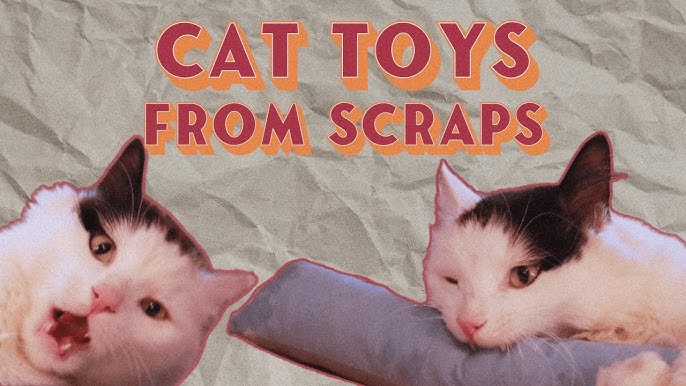
If you want to keep your cat happy and active, a fun toy is a must. Imagine your cat chasing, pouncing, and playing with a toy you made yourself.
Making a mouse toy for your favorite cat is easier than you think. It’s affordable, creative, and a great way to show your love. You’ll discover simple steps to craft a toy that will keep your cat entertained for hours.
Ready to make your cat’s day? Let’s get started!

Credit: www.amazon.ca
Materials Needed
Gathering the right materials makes crafting a mouse toy simple and fun. Choose soft fabrics that feel good to your cat’s paws. Pick safe stuffing to keep the toy light and cuddly. Prepare extra supplies to add details and durability. Having everything ready helps the project go smoothly.
Fabric Choices
- Cotton: soft, easy to sew, and washable
- Felt: holds shape well and is safe for cats
- Fleece: warm and plush, great for a cozy toy
- Old clothes or scraps: eco-friendly and budget-friendly
Stuffing Options
- Polyester fiberfill: light, fluffy, and washable
- Cotton balls: natural and soft
- Fabric scraps: repurpose leftover materials
- Catnip: adds scent to attract your cat
Additional Supplies
- Needle and thread or sewing machine
- Scissors for cutting fabric
- Fabric marker or chalk to draw patterns
- Small beads or buttons for eyes (optional, ensure secure)
- Glue for attaching small parts (choose pet-safe glue)
Designing The Mouse Shape
Designing the mouse shape is a key part of making a toy that will catch your cat’s attention and keep it entertained. The shape needs to look like a mouse but also be safe and fun for your feline friend to play with. You want to create something simple enough to make but interesting enough to spark your cat’s curiosity.
Simple Patterns
Start with a basic mouse outline. A teardrop or oval shape works perfectly and is easy to cut from fabric or felt. You don’t need complex curves—cats respond more to movement and texture than detailed designs.
Use paper or cardboard to make a small template. This helps keep your mouse toy consistent if you decide to make more. You can add simple features like ears or a tail by cutting small separate pieces and sewing or gluing them on.
Have you noticed how your cat reacts differently to various shapes? Sometimes less detail means more playtime because the toy feels more like a real mouse to them.
Size Considerations
Choosing the right size is crucial. Too big, and your cat might ignore it. Too small, and it could be a choking hazard or easily lost under furniture.
Generally, aim for a length between 3 to 4 inches. This fits comfortably in your cat’s paws and mouth. You can also test different sizes to see which your cat prefers.
Think about your cat’s age and play style. Younger cats might like smaller, lighter toys for quick pounces, while older cats might enjoy something a bit larger to bat around slowly.
Cutting And Sewing
Cutting and sewing are the core activities that transform simple fabric into a fun mouse toy your cat will love. Precision in these steps ensures the toy is safe, durable, and appealing to your furry friend. Let’s look closely at how to handle fabric pieces and master basic stitches for a perfect homemade toy.
Preparing Fabric Pieces
Start by choosing soft but sturdy fabric like felt or cotton. These materials hold shape well and are safe for your cat. Use a sharp pair of scissors to cut out two identical mouse shapes from your fabric.
To keep your pieces even, fold the fabric before cutting. This way, you get two symmetrical sides in one go. Don’t forget to cut small details like ears and tail separately if your design includes them.
Have you ever tried making a cat toy that fell apart quickly? I learned that neat, accurate cutting prevents weak spots that tear easily. Taking a few extra minutes here pays off in toy longevity.
Basic Stitch Techniques
Hand sewing your mouse toy allows for better control and a personal touch. Use a simple running stitch or whip stitch to sew the edges of your fabric pieces together. Both stitches are easy to learn and strong enough to hold the toy’s shape.
Start stitching about half an inch from the edge to prevent fabric fraying. Leave a small opening to stuff the toy with cotton or catnip. Once filled, carefully sew the gap closed with tight, small stitches.
Wondering how to keep your stitches neat and even? Try marking stitch points lightly with a pencil or fabric chalk before you start. This trick helps maintain consistency and improves the toy’s overall look.
Adding Details
Adding details to your mouse toy brings it to life and makes it irresistible to your cat. Small touches like eyes, a nose, and a tail can create a realistic feel. These features not only catch your cat’s attention but also encourage play and interaction.
Creating Eyes And Nose
Use small beads or buttons for the eyes and nose to give the mouse a cute face. Sew them securely so your cat won’t swallow anything accidentally. Alternatively, you can use fabric paint or embroidery thread to create soft, safe features.
Think about your cat’s preferences—some cats like bright, shiny objects, while others prefer softer textures. Adding a bit of texture here can make all the difference in keeping your cat engaged.
Attaching The Tail
A tail adds balance and fun movement to the toy. Use a piece of yarn, ribbon, or a strip of fabric and attach it firmly to the back of the mouse. Make sure it’s long enough to wiggle enticingly when your cat bats the toy around.
Check the tail regularly for wear and tear. A loose tail can become a choking hazard, so always keep safety in mind while making this detail.
Incorporating Catnip
Catnip is a powerful attractant for most cats. Sprinkle dried catnip inside the toy or sew a small pouch filled with it into the mouse. This will make the toy more exciting and encourage your cat to play longer.
Have you noticed how some cats react differently to catnip? If your cat isn’t interested, try adding a few drops of silvervine or valerian root as an alternative stimulant. This small addition can transform a simple toy into your cat’s favorite plaything.
Finishing Touches
Creating a mouse toy for your cat involves careful attention to detail. The final steps are crucial for ensuring the toy is safe and durable. Let’s explore the finishing touches to make your cat’s toy perfect.
Securing Seams
Stitch the edges of the toy carefully. Use strong thread for durability. Double-stitching is recommended for extra strength. Ensure that no stuffing is poking out. This prevents your cat from swallowing loose fibers. Check for any weak spots in the seams. Reinforce them to avoid tears during play.
Testing Durability
Once the seams are secure, test the toy’s durability. Tug on the toy gently to check its strength. Ensure it withstands light pulling without ripping. Observe how it holds up when tossed around. This simulates how your cat will play with it. If the toy remains intact, it’s ready for feline fun.

Credit: www.kickstarter.com
Safety Tips
Keeping your cat safe while playing with a homemade mouse toy is just as important as making it fun. Safety should be your top priority because your cat’s health depends on the materials and design you choose. Let’s look at some key safety tips that help prevent accidents and keep your feline friend happy.
Non-toxic Materials
Always pick materials that are safe if your cat decides to chew or lick the toy. Natural fabrics like cotton or felt work well because they don’t contain harmful chemicals. Avoid synthetic materials that might have dyes or coatings toxic to cats.
Consider stuffing the toy with organic cotton or untreated wool. You want to be sure there are no chemicals or small fibers that could irritate your cat’s mouth or stomach. Have you checked the labels on your craft supplies to confirm they are pet-safe?
Avoiding Small Parts
Small parts like beads, buttons, or glued-on eyes can be dangerous if your cat swallows them. Instead, use embroidery or fabric paint to create eyes and noses. This reduces choking hazards and keeps the toy intact longer.
Think about how your cat plays—do they tend to bite and tear? If yes, steer clear of anything that can come loose easily. Secure stitching is key; double stitch seams to prevent stuffing from escaping and becoming a swallowing risk.
Encouraging Play
Encouraging your cat to play with a homemade mouse toy takes more than just handing it over. Your cat’s interest can spike with the right introduction and some fun interaction. Playtime is also a great way to bond and keep your cat active and happy.
Introducing The Toy
Start by letting your cat sniff and examine the mouse toy. Hold it close so they can get familiar with its scent and texture. Cats are curious, but they might be cautious at first—patience is key.
Try gently tossing the toy a short distance to catch your cat’s attention. Watch how they react. If your cat bats it or chases it, you’re on the right track. If not, try rubbing the toy on their favorite blanket or your hands to mix in familiar scents.
Interactive Play Ideas
- Drag the toy along the floor:Mimic the movement of a real mouse by slowly pulling the toy across the room. Your cat’s hunting instincts will kick in, encouraging them to pounce.
- Use a string or stick:Attach the mouse toy to a string or a stick to make it move unpredictably. This creates a fun chase game and keeps your cat engaged longer.
- Combine with treats:Hide small treats near or under the toy. This adds a reward element to playtime and motivates your cat to interact more actively.
Have you noticed how your cat’s behavior changes when you play together? Sharing this playful moment can turn a simple toy into a favorite activity, strengthening your connection. How will you make your cat’s playtime unforgettable today?

Credit: www.sweetsofties.com
Frequently Asked Questions
What Materials Are Best For Making A Mouse Toy?
Soft fabric like felt or fleece works great for mouse toys. Add stuffing and a small bell for attraction. Use non-toxic glue or sew parts securely. Avoid small parts that can detach and harm your cat.
How Do I Make A Safe Mouse Toy For Cats?
Use pet-safe, non-toxic materials and avoid sharp edges. Sew toys instead of gluing to prevent choking hazards. Ensure all parts are firmly attached. Regularly check the toy for wear and replace it if damaged.
How Can I Make A Mouse Toy More Engaging?
Add catnip inside the toy to stimulate your cat’s senses. Attach a small bell or crinkly material for sound. Vary the size and texture to keep your cat interested and active.
How Long Does It Take To Make A Mouse Toy?
Making a basic mouse toy typically takes 15 to 30 minutes. Time varies based on complexity and sewing skills. Simple designs with minimal materials are quicker to complete.
Conclusion
Making a mouse toy for your cat is simple and fun. You can use things you already have at home. Cats love toys that move and feel soft. This helps them stay active and happy. Spend some time creating a toy that suits your cat’s play style.
Your cat will enjoy the new toy and more playtime. Try different materials to see what your cat likes best. Enjoy watching your furry friend have fun and stay healthy.




Leave a Reply