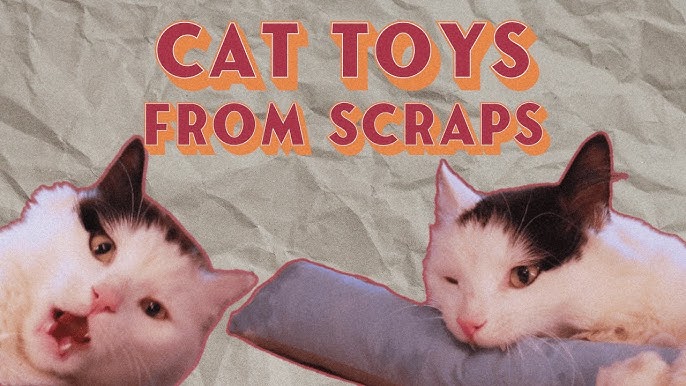
Looking for a fun and simple way to keep your cat entertained? Making a fabric cat toy is easier than you think—and your furry friend will love it!
Imagine giving your cat a new favorite toy that’s safe, soft, and made just for them. In this guide, you’ll discover step-by-step how to create a homemade toy that will keep your cat happily playing for hours. Ready to surprise your pet with something special?
Let’s get started!
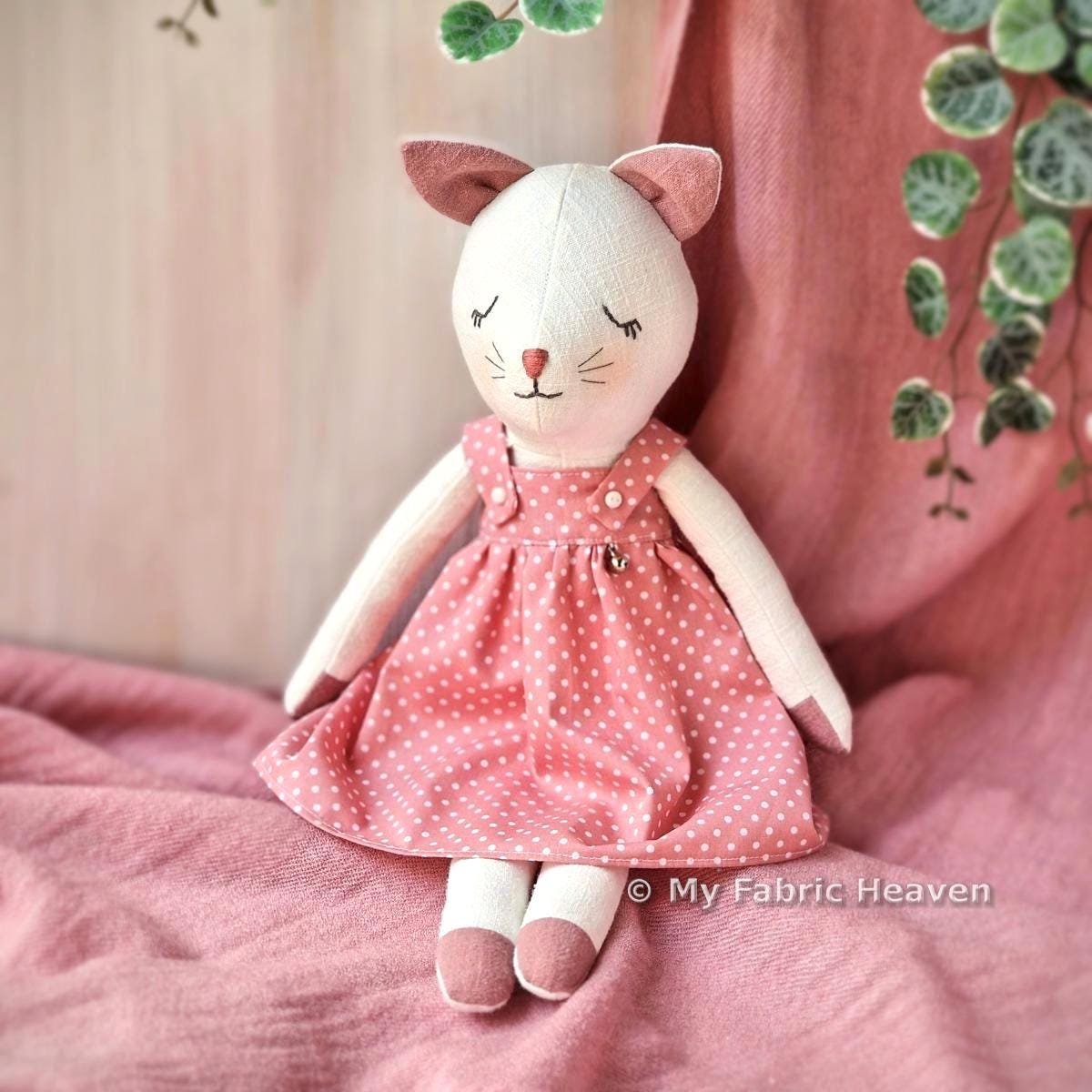
Credit: www.etsy.com
Materials Needed
Gathering the right materials is the first step to crafting a fun fabric cat toy. The materials influence how safe and enjoyable the toy will be for your cat. Choose items that are soft, durable, and non-toxic to keep your pet happy and healthy.
Choosing The Right Fabric
Select fabrics that are gentle on your cat’s paws and mouth. Cotton and fleece work well because they are soft and easy to sew. Avoid fabrics that shed or have loose threads to prevent choking hazards. Bright colors can attract your cat’s attention, but prioritize safety over appearance.
Essential Tools
- Scissors for cutting fabric
- Needle and thread or a sewing machine
- Measuring tape or ruler
- Stuffing material like polyester fiberfill
- Fabric marker or chalk for marking cuts
These tools help create neat and sturdy toys that last longer. Keep all items clean and ready before starting your project.
Optional Decorative Items
- Catnip to make the toy more exciting
- Ribbons or bells for extra fun sounds
- Buttons or beads for eyes (sew tightly to avoid swallowing)
Use decorations carefully. Ensure they do not pose a risk to your cat’s safety. Simple additions can make the toy more appealing.
Simple Sewing Techniques
Simple sewing techniques can turn a handful of fabric scraps into a fun cat toy that your feline friend will love. You don’t need advanced skills or fancy tools to start sewing. With just a few basic stitches, you can create durable and safe toys that stand up to playful paws.
Basic Stitching Methods
Start with stitches that hold fabric securely and look neat. The running stitchis a quick, straight stitch perfect for sewing two pieces of fabric together. It’s easy to learn and works well for most parts of the toy.
The backstitchis stronger and ideal for areas that need extra durability, like the seams that will face your cat’s biting and scratching. It involves stitching backward a little to reinforce the seam.
Don’t forget the whip stitchwhen closing the toy after stuffing it. This stitch wraps around the edge, keeping the stuffing from escaping.
Using A Sewing Machine
If you have a sewing machine, it can speed up the process and make your stitches more even. Use a medium stitch length to keep the seams tight but flexible, especially if you’re working with soft fabrics like fleece or cotton.
Practice on scrap fabric first to get comfortable with the machine’s speed and tension settings. You’ll find that the machine can create professional-looking toys with strong seams that last longer under your cat’s playful attacks.
Have you tried sewing with different fabrics? A sewing machine handles thicker materials like denim or canvas better than hand stitching, which might be worth considering depending on your toy design.
Hand Sewing Tips
Hand sewing lets you control every stitch carefully, which is helpful for small or detailed toys. Use a sharp needle and strong thread, like polyester, to prevent breakage.
Keep your stitches close together to avoid any gaps where stuffing might peek out. Take breaks if your hand gets tired; consistent tension in your stitches makes a big difference in the final toy’s durability.
Here’s a quick tip: thread your needle with a length of thread about 18 inches long to avoid tangling, and knot the end securely. This simple step saves frustration and keeps your project moving smoothly.
Easy Toy Designs
Easy toy designs make crafting fun and fast. They need simple shapes and few materials. These toys keep cats busy and happy. Use soft fabric scraps and basic sewing skills. Each design can be done in less than 30 minutes.
Fabric Mice
Fabric mice are a classic cat toy. Cut small mouse shapes from fabric. Fill them with soft stuffing or catnip for extra fun. Sew around the edges with a tight stitch. Add small felt ears and a thin fabric tail. Cats love chasing and batting these little toys.
Stuffed Balls
Stuffed balls are easy and safe for cats. Cut two circles from fabric. Place them together and sew most of the edges. Stuff the ball firmly with soft material or crumpled paper. Finish sewing the opening closed. These balls roll and bounce, making playtime exciting.
Feathered Toys
Feathered toys catch a cat’s attention quickly. Attach feathers to a fabric base or small ball. Secure feathers tightly with stitches or glue. You can add a string for dangling play. The feathers move and flutter, sparking a cat’s hunting instincts.
Adding Catnip And Fillings
Adding catnip and fillings to your fabric cat toy is what transforms it from a simple piece of cloth into an irresistible plaything for your feline friend. The right filling gives the toy a satisfying texture and weight, while catnip adds that magical scent cats can’t resist. Let’s dive into what makes the best catnip options and safe stuffing materials, and how you can seal your toy securely to keep your cat happily entertained.
Best Catnip Options
Not all catnip is created equal. Look for organic, dried catnip that’s fresh and potent. Freshness matters because stale catnip loses its appeal quickly.
- Organic Dried Catnip:Free from pesticides and chemicals, ensuring safety and strong scent.
- Catnip Oil:A concentrated option that you can sprinkle sparingly inside the toy for extra excitement.
- Catnip Pellets:Compressed catnip balls that release scent slowly, extending playtime.
Have you ever noticed how your cat reacts differently to various catnip types? Trying a few kinds can help you find your cat’s favorite.
Safe Stuffing Materials
Choosing the right filling keeps your cat safe and your toy durable. Avoid anything that could cause choking or digestive issues if your cat manages to open the toy.
- Polyester Fiberfill:Soft, lightweight, and hypoallergenic, making it a popular choice.
- Fabric Scraps:Small pieces of leftover cotton or fleece add weight and texture without risking harm.
- Uncooked Rice or Lentils:These add a satisfying crunch but use in a sealed compartment to avoid spills.
I once used beans as filling, and my cat loved the noise, but when the toy tore, it was a mess. That taught me to always double-check the seal.
Sealing The Toy Securely
Keeping the filling inside is crucial to make your toy last and keep your cat safe. Hand-stitch the opening with strong thread, using tight, small stitches.
- Double Stitching:Reinforces the seam and prevents easy tearing.
- Backstitch Technique:Provides extra strength along the edges.
- Optional Fabric Glue:Use along the seam for added security but ensure it’s non-toxic.
Ask yourself: could your cat pull the toy apart? If yes, stitch it tighter. A well-sealed toy means more fun and less clean-up for you.
Customizing Your Toy
Creating a fabric cat toy is just the beginning of the fun. Customizing your toy allows you to add personality and flair, making it unique for your feline friend. Let’s dive into how you can transform a simple toy into a colorful masterpiece that your cat will adore.
Using Colorful Fabrics
Choosing the right fabric can make all the difference. Opt for vibrant colors that capture your cat’s attention. Bright reds, blues, and greens are excellent choices.
Mix and match different patterns to create a lively design. You might be surprised how a simple polka dot or stripe can add charm to your creation.
Don’t shy away from using leftover fabrics from previous projects. This not only adds variety but also helps reduce waste.
Adding Bells And Ribbons
Bells add a playful sound that can intrigue your cat. Secure a small bell inside the toy to prevent it from coming loose. Your cat will love the jingle with every pounce.
Ribbons can be both decorative and functional. Attach them securely to prevent any choking hazards. Consider tying a ribbon around the toy for added texture and fun.
Experiment with different lengths and types of ribbons. Satin, grosgrain, or even lace can add a touch of elegance to your creation.
Personalizing With Embroidery
Embroidery allows you to add a personal touch. Consider stitching your cat’s name or a simple design like a fish or mouse.
If you’re new to embroidery, start with basic stitches. Even a simple outline can make a big impact.
Embroidery can also enhance durability. Reinforcing edges with stitches can help the toy withstand more vigorous play.
Have you ever tried customizing a toy for your cat? What unique features would you add to make it special? Use these ideas as a springboard to let your creativity run wild!
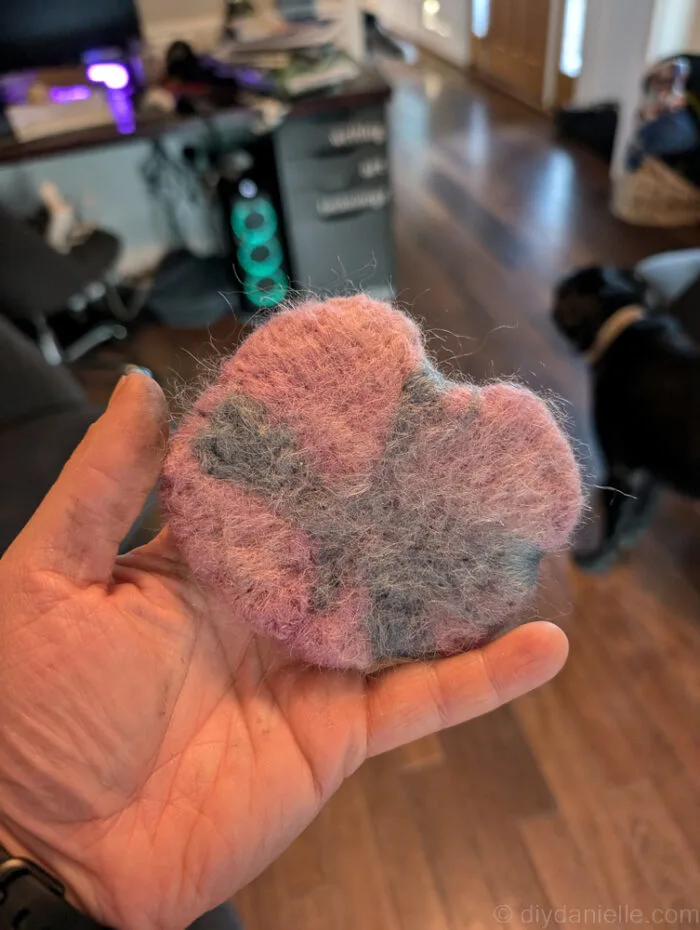
Credit: diydanielle.com
Safety Tips For Diy Cat Toys
Creating a fabric cat toy can be a fun and rewarding project, but it’s important to keep safety at the forefront. Cats are curious and playful, which means your DIY toy must be designed to avoid any risks. Paying attention to safety tips helps protect your furry friend and keeps playtime enjoyable for both of you.
Avoiding Small Parts
Small parts like buttons, beads, or loose threads can be dangerous if your cat chews or swallows them. Instead, use tightly sewn fabric pieces or securely embroidered details to keep everything intact. Think about your cat’s behavior—does it love to nibble or claw aggressively? Choose materials that stay put and won’t break off easily.
Checking For Wear And Tear
Regularly inspect the toy for any signs of damage. Loose stitches, torn fabric, or stuffing poking out can quickly turn a safe toy into a hazard. If you notice any damage, repair it immediately or retire the toy to avoid your cat swallowing anything harmful.
Supervised Play Recommendations
Some toys, especially those with strings or feathers, should only be used during supervised play. This prevents your cat from accidentally swallowing parts or getting tangled. Ask yourself: can you watch your cat while it plays? If not, it’s safer to offer toys without potential choking risks during alone time.
Maintaining And Cleaning Toys
Keeping your fabric cat toys clean and well-maintained is key to ensuring they remain safe and fun for your feline friend. Dirty or worn-out toys can harbor bacteria or lose their appeal, causing your cat to lose interest. Regular care not only extends the life of the toys but also keeps your cat engaged and healthy.
Washing Fabric Toys
Fabric cat toys often get covered in dirt, fur, and saliva. To clean them, hand wash with mild soap and warm water or toss them in a gentle cycle in the washing machine inside a mesh bag. Avoid harsh detergents or bleach, which can irritate your cat’s skin or nose.
Dry the toys thoroughly before giving them back to your cat. Damp toys can attract mold or mildew, which is harmful. Air drying in sunlight can help kill lingering germs and refresh the fabric.
Replacing Filling Materials
Over time, the stuffing inside fabric toys can become lumpy, flattened, or even pose a choking hazard if it starts to spill out. Check your toys regularly for any holes or weak seams. Refill them with safe materials like polyester fiberfill or scraps of fabric.
If you’ve used catnip inside the toy, refresh it by adding new catnip along with the filling. This keeps the toy smelling enticing and encourages your cat to play more. Remember, replacing the filling is often easier than making a new toy.
Storage Suggestions
Where you keep your cat toys affects how long they last. Store them in a dry, cool place away from direct sunlight to prevent fading and fabric damage. A dedicated basket or box keeps toys organized and easy to find when your cat wants to play.
Consider rotating toys regularly. Hiding some toys for a while and then bringing them back can make old toys feel new and exciting. Have you noticed how your cat’s interest peaks when a “new” toy suddenly reappears?

Credit: www.reddit.com
Frequently Asked Questions
What Materials Are Needed To Make A Fabric Cat Toy?
You need fabric scraps, cotton stuffing, catnip, scissors, needle, and thread. These simple materials create a safe and fun cat toy.
How Do I Safely Sew A Fabric Cat Toy?
Use strong thread and tight stitches to prevent stuffing escape. Avoid sharp objects and loose threads to keep cats safe.
Can I Use Recycled Fabric For Cat Toys?
Yes, recycled fabric works well. Choose clean, non-toxic, and durable materials to ensure your cat’s safety and enjoyment.
How Do I Add Catnip To A Homemade Toy?
Place dried catnip inside the fabric before sewing. Catnip attracts cats and makes the toy more enticing.
Conclusion
Making a fabric cat toy is simple and fun. You only need a few materials and a little time. Your cat will enjoy playing with a safe, homemade toy. Crafting toys at home saves money and adds a personal touch.
Try different shapes and fabrics to find what your cat likes best. Handmade toys also help keep your pet active and happy. Start creating today and see your cat’s excitement grow. Simple, safe, and fun—your cat deserves it.

Leave a Reply