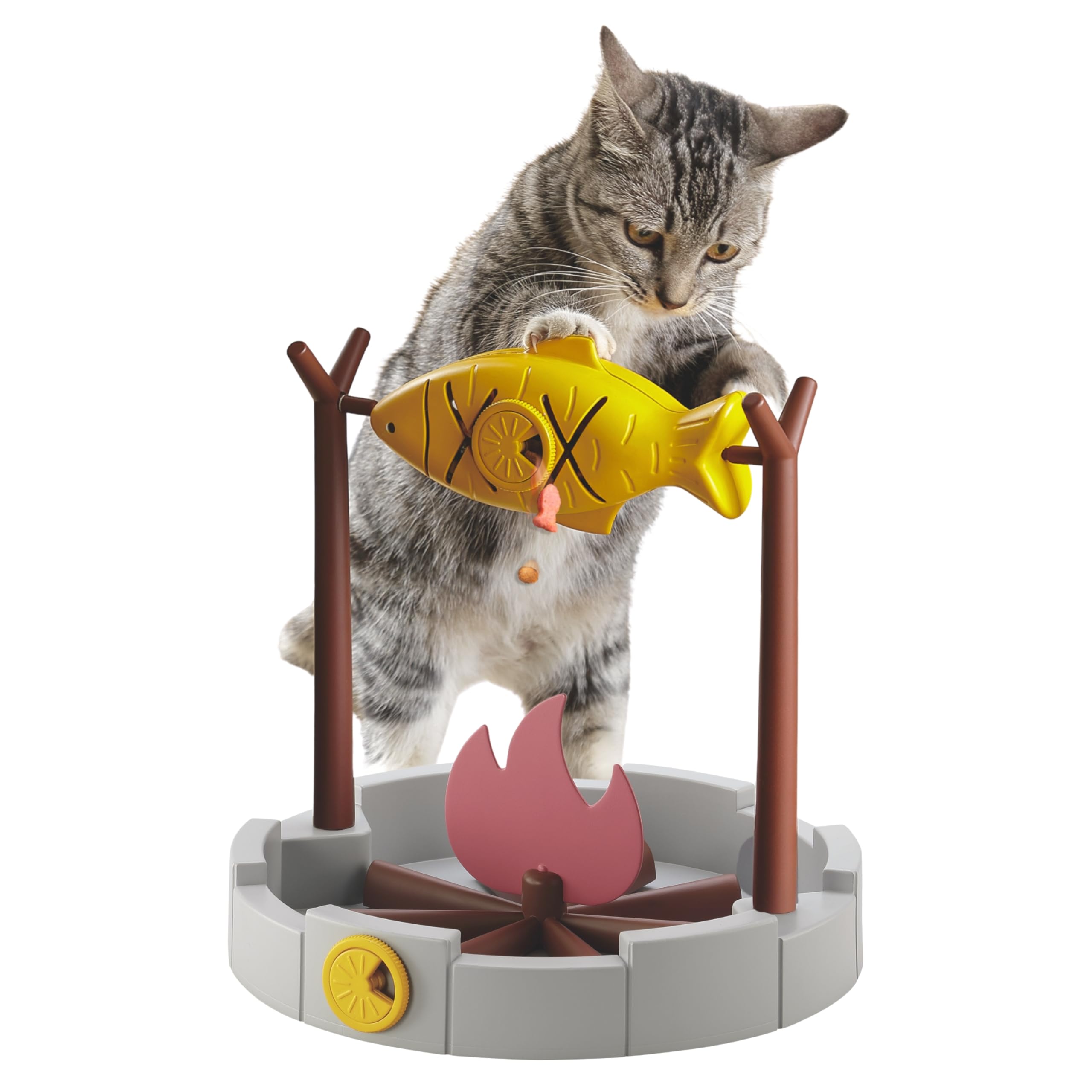
If you want to keep your cat entertained and mentally sharp, a cat food dispenser toy is a perfect solution. Imagine turning mealtime into playtime, where your furry friend works for their treats and stays active at the same time.
In this guide, you’ll discover simple steps to make your own cat food dispenser toy right at home. It’s easier than you think, and your cat will love the challenge. Ready to see your cat happy and engaged? Let’s get started!

Credit: www.thingiverse.com
Benefits Of A Cat Food Dispenser Toy
Cat food dispenser toys offer many advantages for both pets and owners. These toys make mealtime fun and engaging. They help keep cats active and healthy. Using a dispenser toy can improve your cat’s overall well-being. It supports their natural instincts and daily needs.
Mental Stimulation For Cats
Dispenser toys challenge your cat’s mind. Cats need mental activity to stay sharp. The toy encourages problem-solving as they work for food. This stimulation reduces boredom and stress. A busy brain means a happier cat.
Encouraging Healthy Eating Habits
Food dispenser toys slow down fast eaters. Cats eat smaller amounts over time. This helps prevent overeating and obesity. The toy also makes feeding time more rewarding. Your cat learns patience and control.
Physical Exercise And Play
Dispenser toys promote active play. Cats move to get their food. This exercise supports muscle tone and joint health. Playing with the toy keeps cats fit and energetic. It turns mealtime into a fun activity.
Credit: www.tippaws.com
Materials Needed
Gathering the right materials is key to making a fun and functional cat food dispenser toy. Using common household items keeps the project simple and affordable. Basic tools help put everything together safely and securely. Adding decorative supplies is optional but can make the toy more attractive and personalized for your cat.
Household Items
- Empty plastic bottle or container with a lid
- Cardboard tube (from paper towels or toilet paper)
- Plastic cups or small bowls
- Non-toxic glue or tape
- Dry cat food or treats
Tools For Assembly
- Scissors or craft knife
- Marker or pen for marking cuts
- Ruler or measuring tape
- Hot glue gun (optional for stronger hold)
- Sandpaper (to smooth edges)
Optional Decorative Supplies
- Colored paper or stickers
- Non-toxic paint or markers
- Ribbon or yarn
- Googly eyes or small craft decorations
- Clear sealant spray for protection
Step-by-step Building Guide
Building a cat food dispenser toy is a fun and rewarding project. It not only keeps your cat entertained but also slows down their eating, which is great for digestion. Let’s break down the process into simple, manageable parts that you can follow easily, even with basic tools and materials.
Preparing The Container
Choose a sturdy container that can hold enough food for your cat’s meal. A clean plastic bottle or a large jar with a wide opening works well. Make sure it’s free of sharp edges that could hurt your cat.
Next, wash and dry the container thoroughly to remove any residues. You want a safe and hygienic feeding toy. Think about the size of your cat’s kibble when picking the container’s opening size.
Creating Food Dispensing Mechanism
Cut a small hole near the bottom of the container, just big enough for the kibble to pass through slowly. This hole controls the food flow and keeps your cat engaged. You can enlarge or reduce the hole size later based on how quickly the food comes out.
Attach a lightweight barrier or flap inside the container to slow the kibble’s exit further. A simple piece of cardboard or plastic works well here. This step is crucial; it turns a plain container into a puzzle your cat needs to solve.
Securing Components Safely
Use non-toxic glue or tape to fix the dispensing mechanism firmly. Ensure there are no loose parts that your cat could swallow. Double-check for any sharp edges and cover them with tape or sand them down.
Test the dispenser yourself by shaking it gently to see how the food flows. Adjust the hole size or flap position if the food comes out too fast or too slow. Your cat’s safety and enjoyment are the top priorities.

Credit: www.amazon.com
Tips For Customizing The Toy
Customizing your cat food dispenser toy makes it more fun and engaging for your cat. Simple changes can keep your pet interested and active. Personalizing the toy also helps match your cat’s skill and personality. Use these tips to create a unique toy that your cat will enjoy every day.
Adjusting Difficulty Levels
Change how hard it is for your cat to get food. Start with easy access and slowly make it harder. Use smaller holes or more obstacles inside the toy. This keeps your cat curious and challenges its problem-solving skills. Adjust difficulty based on your cat’s age and activity level.
Adding Interactive Features
Make the toy more exciting by adding moving parts. Attach small balls or feathers that move when the cat touches the toy. Use bells or soft rattles to add sound. These features encourage your cat to play longer. Interactive toys stimulate both mind and body.
Using Cat-friendly Decorations
Decorate the toy with safe, pet-friendly materials. Use non-toxic paint or stickers to add color. Attach small pieces of catnip or soft fabric for extra attraction. Avoid anything sharp or small that your cat could swallow. Decorations make the toy inviting and special for your cat.
Introducing The Toy To Your Cat
Begin by showing the toy to your cat and letting them sniff it. Slowly place treats inside the dispenser to spark their curiosity and encourage play.
Introducing the Toy to Your Cat Once you’ve crafted the perfect cat food dispenser toy, the next step is getting your feline friend interested in it. Cats are naturally curious, yet they can be skeptical of new objects. Introducing the toy in a way that piques their interest without overwhelming them is key.Encouraging Initial Interaction
Place the toy in an area where your cat feels comfortable and safe, like their favorite play spot. You might need to entice them with a few treats placed around and inside the toy. Watch as their natural curiosity takes over, leading them to investigate this mysterious new addition. Consider using your cat’s favorite treats to grab their attention. A little encouragement in the form of a gentle nudge or playful interaction can also help. Remember, patience is crucial—some cats may take a bit longer to warm up to new toys.Monitoring And Adjusting Use
Keep an eye on how your cat interacts with the toy. Are they engaged, or do they lose interest quickly? If it’s the latter, you might need to adjust the difficulty or change the type of treats inside. Sometimes, a simple repositioning of the toy can make all the difference. If the toy is too easy or too hard, tweak it so your cat remains interested. Regular adjustments ensure the toy remains a fun and challenging experience.Cleaning And Maintenance
Cleaning the toy regularly is essential for your cat’s health. Use warm water and mild soap to remove any residue or stuck food particles. A clean toy prevents bacteria build-up, ensuring safe playtime. Check for any wear and tear, especially if your cat is a vigorous player. A quick inspection can help you maintain the toy’s longevity. Consistent maintenance not only keeps the toy in good condition but also keeps your cat coming back for more fun.Troubleshooting Common Issues
Building a cat food dispenser toy is fun, but some issues may appear. These problems can stop your cat from enjoying the toy or cause safety worries. Fixing these issues helps keep your cat happy and healthy.
Food Dispensing Problems
Sometimes, food gets stuck inside the dispenser. This can block the flow and frustrate your cat. Check if parts fit well and move smoothly. Use dry, small kibbles that slide easily. Clean the dispenser regularly to avoid clogs.
Cat’s Lack Of Interest
Not all cats like new toys right away. Your cat may ignore the dispenser at first. Try placing some favorite treats inside. Let your cat watch you use the toy. Change the toy’s location to find the best spot. Patience helps your cat learn and enjoy playtime.
Safety Concerns
Safety is key when making a cat toy. Avoid small parts that your cat can swallow. Use non-toxic materials only. Check for sharp edges or loose pieces often. Stop use immediately if your cat shows signs of discomfort. Safe toys make playtime worry-free.
Frequently Asked Questions
What Materials Do I Need For A Cat Food Dispenser Toy?
You need plastic bottles, scissors, a drill, and non-toxic glue. These materials are safe and easy to find. Using household items keeps costs low and customization easy. Always ensure the materials are pet-safe to avoid any harm.
How Do I Make A Cat Food Dispenser Toy At Home?
Cut holes in a plastic bottle for food to exit. Attach a stable base and fill with dry cat food. The cat pushes the toy to release food, providing play and feeding combined. This simple design stimulates your cat’s natural hunting instincts.
Can A Homemade Dispenser Improve My Cat’s Eating Habits?
Yes, it slows down eating, reducing choking risks and overeating. It encourages mental stimulation and physical activity during feeding time. This toy helps prevent boredom and obesity by making your cat work for food.
How Do I Keep The Cat Food Dispenser Safe For My Pet?
Use non-toxic, chew-proof materials and smooth edges to avoid injury. Regularly clean the dispenser to prevent bacteria buildup. Supervise your cat during initial use to ensure proper interaction and safety.
Conclusion
Making a cat food dispenser toy is fun and easy. It helps keep your cat active and happy. You only need a few simple items to start. Your cat will enjoy playing and eating at the same time. Try different designs to find what your cat likes best.
It saves money and gives your pet a fun challenge. Keep it clean and safe for your furry friend. Enjoy watching your cat learn and play every day. This small project brings joy to both you and your cat.




Leave a Reply