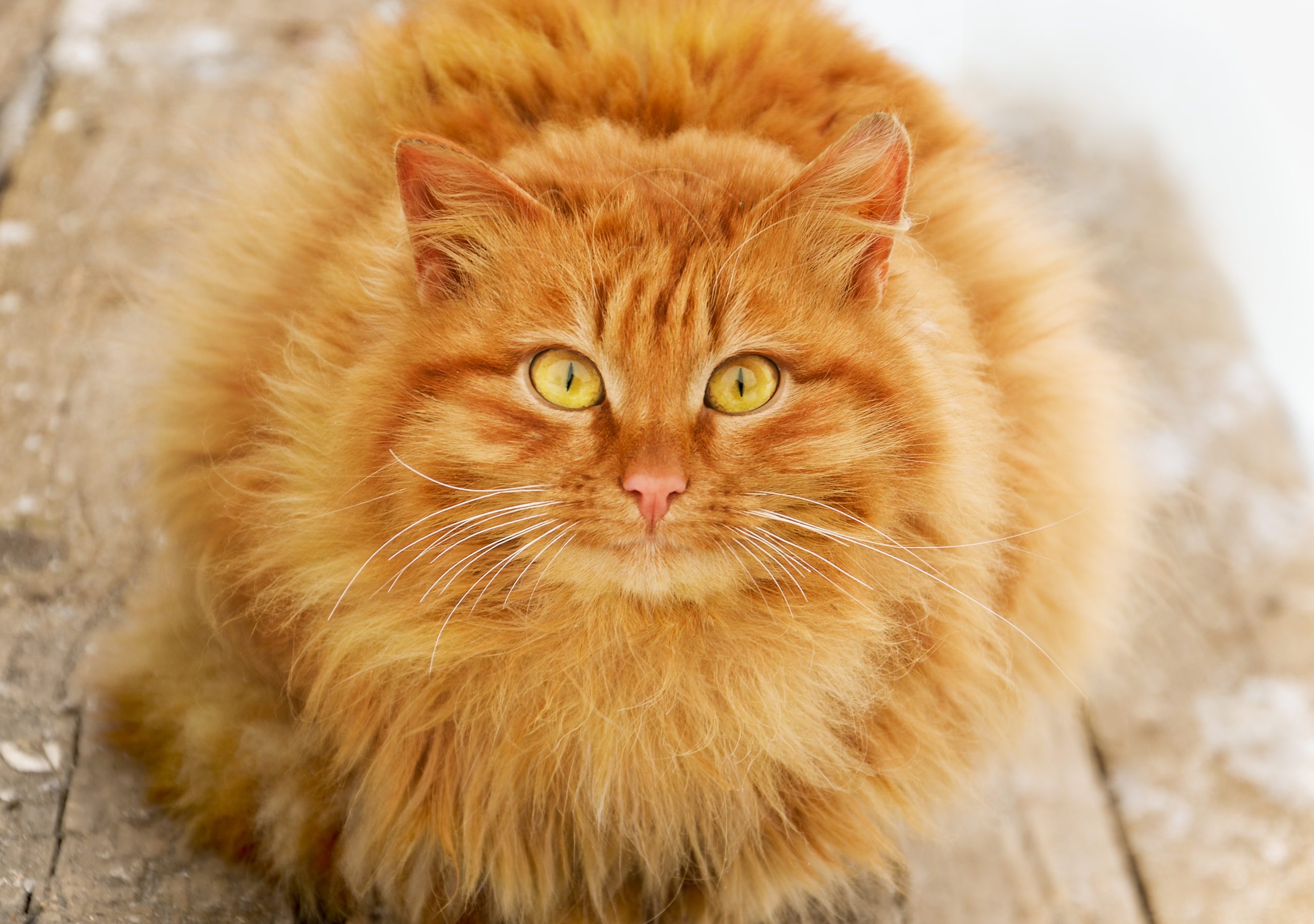
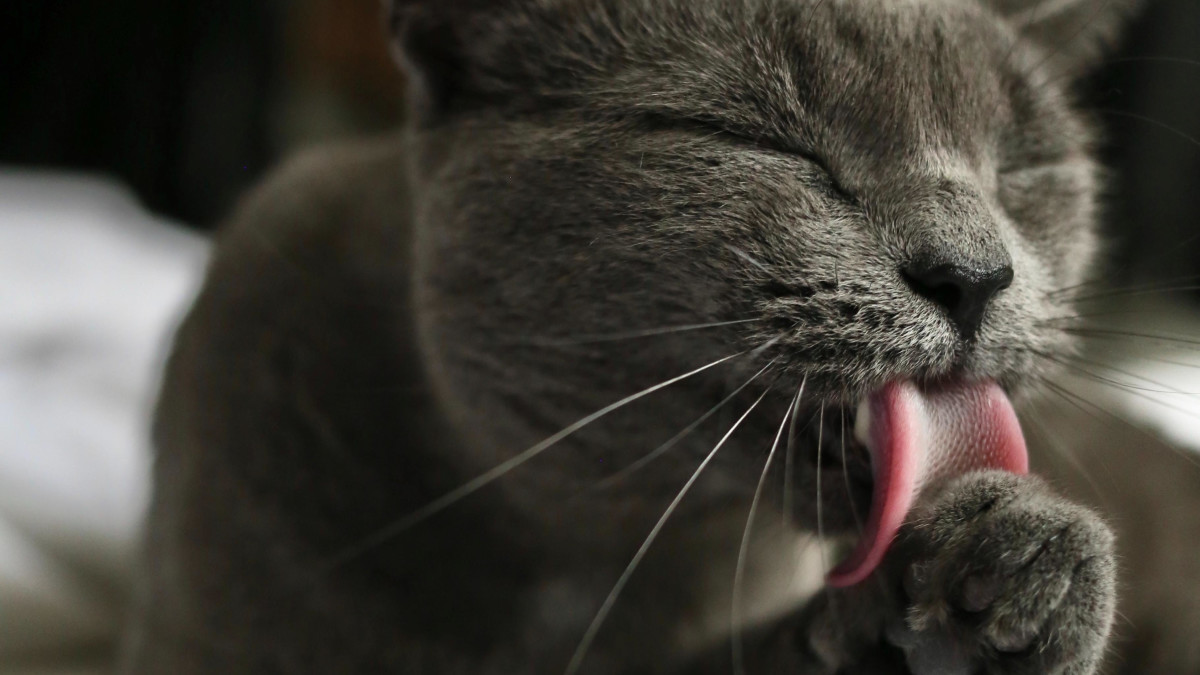
Have you noticed your cat spending more time licking or biting its fur than usual? Excessive grooming can be more than just a quirky habit—it might signal that your furry friend is stressed, uncomfortable, or even unwell.
If you’re wondering, “How to know if my cat is excessively grooming? ” you’re not alone. Understanding the signs early can help you protect your cat’s health and happiness. Keep reading to discover what to look for and when to take action to keep your cat feeling their best.
Signs Of Excessive Grooming
Recognizing the signs of excessive grooming in your cat is crucial to preventing potential health issues. Cats are naturally clean animals, but overdoing it can signal stress, allergies, or underlying medical problems. Paying close attention to changes in their grooming habits helps you catch problems early and keep your feline friend comfortable and healthy.
Bald Patches And Hair Loss
One of the most obvious signs of excessive grooming is bald patches or noticeable hair loss. You might spot areas on your cat’s body where the fur looks thinner or has disappeared entirely. This often happens because your cat is licking or biting the same spot repeatedly.
Have you noticed your cat’s fur looking uneven or patchy? That could be a red flag that the grooming has gone beyond normal.
Redness And Skin Irritation
Excessive grooming often leads to redness and irritation on your cat’s skin. The skin may look inflamed or raw, especially where your cat focuses the most grooming. This discomfort can make your cat lick even more, creating a cycle that worsens the irritation.
Check your cat’s skin regularly. Is it pinker than usual or showing signs of swelling? These are clear signals your cat needs attention.
Sores And Scabs
When grooming becomes obsessive, your cat might develop sores or scabs from constant licking or biting. These wounds can become infected if left untreated, leading to more serious issues. Monitoring these spots can help you decide when it’s time to visit the vet.
If you spot open sores or crusty scabs, your cat’s grooming behavior has likely crossed the line from healthy to harmful.
Behavioral Changes
Excessive grooming often comes with noticeable changes in your cat’s behavior. Your cat may seem anxious, restless, or unusually withdrawn. Sometimes, they might groom more when stressed or bored, turning to this habit as a coping mechanism.
Ask yourself: Has your cat’s mood shifted recently? Are they grooming more after certain events or changes at home? These insights can help you understand the root cause of the problem.

Credit: www.holistapet.com
Common Causes Of Over-grooming
Excessive grooming in cats often signals an underlying problem. Understanding common causes helps in identifying the root issue. Cats groom for many reasons, but too much can harm their skin and fur. Observing your cat’s habits and health is crucial to catch problems early.
Allergies And Skin Conditions
Allergies can cause itching and irritation. Cats may lick and scratch to relieve discomfort. Common allergens include food, pollen, and dust mites. Skin infections like dermatitis also trigger over-grooming. Look for redness, bumps, or hair loss on the skin.
Stress And Anxiety
Cats feel stress from changes in their environment. New pets, loud noises, or moving can cause anxiety. Over-grooming acts as a coping mechanism. It helps cats calm down but can lead to bald spots. Pay attention to any sudden behavior changes.
Parasites And Infections
Parasites like fleas and mites cause intense itching. Cats groom excessively to remove these pests. Bacterial or fungal infections also cause discomfort. These infections often result from constant licking and scratching. Check your cat’s fur for signs of parasites or scabs.
Pain Or Discomfort
Pain from injuries or arthritis can lead to over-grooming. Cats may focus on one area that hurts. This behavior helps ease the pain temporarily. Watch for limping, swelling, or sensitivity to touch. A vet visit is necessary to diagnose the cause.
How To Monitor Your Cat’s Grooming Habits
Keeping an eye on your cat’s grooming habits is key to spotting any signs of excessive licking early. Cats naturally groom themselves, but when it turns into over-grooming, it might indicate stress, allergies, or health issues. Observing your cat closely helps you decide if a vet visit is needed before problems worsen.
Tracking Grooming Frequency
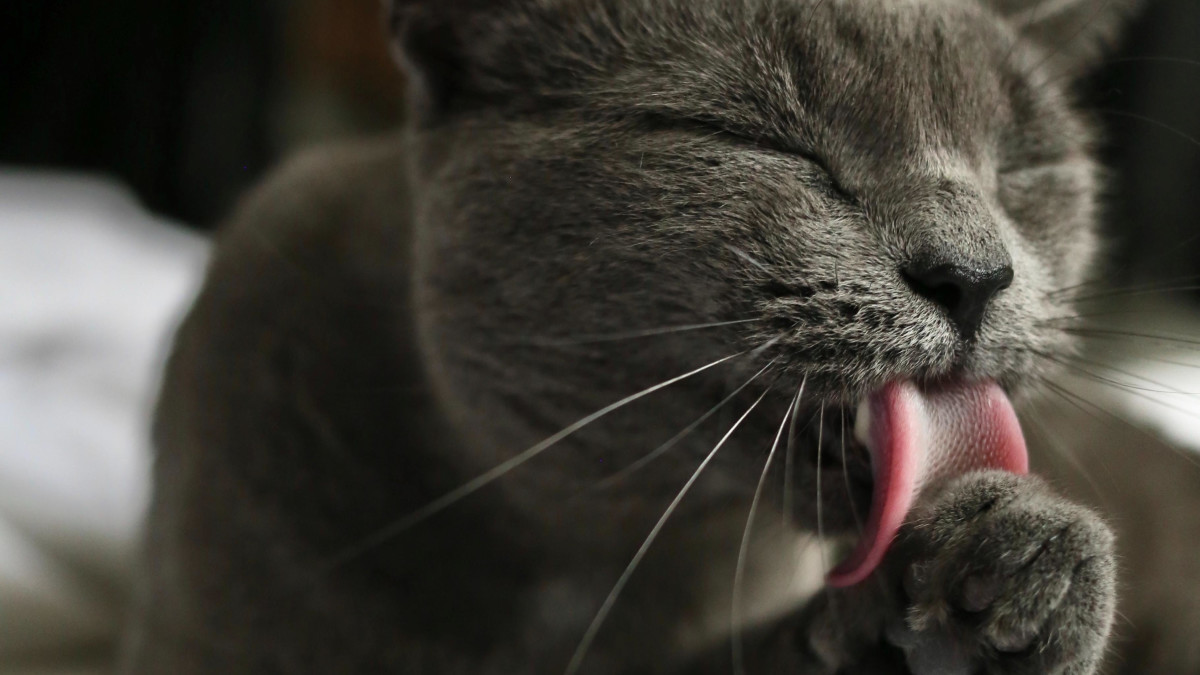
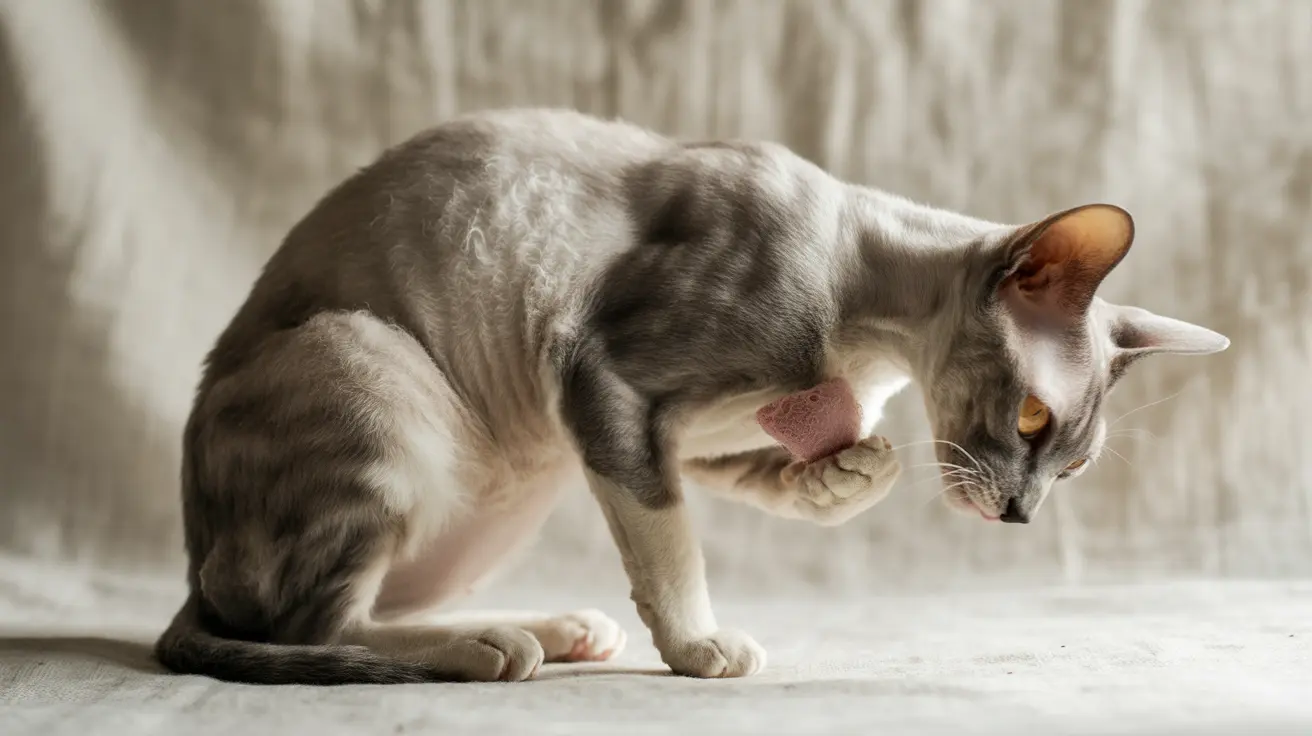
Start by noting how often your cat grooms during the day. Normal grooming sessions usually happen after meals or naps and last a few minutes. If you catch your cat licking or biting the same spot repeatedly or for long periods, it could be a red flag.
Try keeping a simple log for a few days. Record the times and duration of grooming episodes to see if there’s an unusual increase. Does your cat groom more when you’re away or during loud noises? These patterns can reveal stress triggers.
Noting Changes In Behavior
Changes in your cat’s daily habits can hint at excessive grooming. Is your cat hiding more, acting restless, or showing signs of irritability? These behaviors often accompany over-grooming as your pet tries to cope with discomfort.
Pay attention to how your cat reacts to petting or handling. Sudden sensitivity or avoidance could mean pain or irritation under the fur. Has your usually calm cat become more anxious? Such shifts are worth noting and discussing with your vet.
Checking For Physical Signs
Look closely at your cat’s coat and skin. Bald patches, redness, or scabs might appear where your cat grooms excessively. These signs are often the first visible clues that something is wrong.
Don’t forget to check less obvious spots, like the belly, inner thighs, and behind the ears. These areas can be hard for you to see but easy for your cat to over-groom. Have you noticed any unusual hair loss or skin changes during playtime or cuddles?
Credit: pethelpful.com
When To Consult A Veterinarian
Excessive grooming can cause hair loss, skin redness, or sores on your cat. Notice these signs or sudden changes in behavior. Visiting a veterinarian helps find the cause and provide proper care.
Knowing when to consult a veterinarian about your cat’s grooming habits can make a significant difference in their health and happiness. Cats are meticulous groomers, but when this behavior becomes excessive, it may signal underlying issues. Understanding the signs and consulting a professional can save your cat from discomfort and potential complications.Severity Of Skin Damage
If your cat’s grooming leads to bald patches or visible wounds, it’s time to seek veterinary advice. Excessive grooming can cause skin infections or sores, which need professional treatment. A vet can assess the damage and recommend appropriate medications or treatments.Persistent Behavioral Issues
Is your cat constantly grooming despite efforts to distract them? This could indicate stress or anxiety that requires professional intervention. A vet can help identify triggers and suggest behavioral modifications or therapies.Ineffectiveness Of Home Care
Have you tried changing your cat’s environment or grooming routine with no success? Sometimes, home remedies and adjustments aren’t enough. Consulting a vet can provide insights into more effective treatments, ensuring your cat receives the care they need. Remember, your cat relies on you to notice these changes. When in doubt, a vet’s expertise is invaluable.Preventing Excessive Grooming
Excessive grooming in cats can lead to skin irritation, hair loss, and even infections. Preventing this behavior is often easier than treating it after it becomes severe. By creating a supportive environment and addressing potential triggers, you can help your cat maintain healthy grooming habits.
Providing Environmental Enrichment
Your cat needs mental and physical stimulation to stay happy and healthy. Boredom often leads to over-grooming as a way to pass time or relieve anxiety. Try adding interactive toys, puzzle feeders, or new scratching posts to keep your cat engaged.
Consider rotating toys regularly to maintain your cat’s interest. Even a simple cardboard box can become a playground. Have you noticed how your cat reacts when you introduce new objects? Observing these reactions can guide your enrichment efforts.
Managing Stress Triggers
Stress is a common cause of excessive grooming. Loud noises, changes in routine, or new pets can unsettle your cat. Identify what stresses your cat and work to minimize these triggers.
Creating safe spaces where your cat can retreat helps reduce anxiety. You might use calming sprays or pheromone diffusers designed for cats. Have you thought about whether your cat’s environment feels secure and predictable?
Regular Parasite Control
Parasites like fleas and mites often cause itching that leads to excessive grooming. Regularly checking your cat for signs of parasites is essential. Use veterinarian-recommended flea and tick preventatives consistently.
Even indoor cats can be at risk, so don’t skip parasite control. If you notice persistent scratching, schedule a vet visit promptly. How often do you inspect your cat’s coat for bugs or irritation?
Proper Diet And Nutrition
Your cat’s skin and coat health depend heavily on what they eat. Nutritional deficiencies can cause itching and discomfort, prompting over-grooming. Ensure your cat’s diet includes high-quality proteins and essential fatty acids.
Sometimes, food allergies or intolerances can cause skin problems. If your cat shows signs of irritation, discuss dietary options with your vet. Have you considered whether your cat’s current food supports a healthy coat?
Credit: www.petscare.com
Frequently Asked Questions
What Are The Signs Of Excessive Grooming In Cats?
Excessive grooming shows as bald patches, redness, or scabs. Cats may lick or bite the same area repeatedly. Watch for hair loss and skin irritation, which indicate overgrooming. These signs help identify if your cat is grooming too much.
Why Do Cats Groom Themselves Excessively?
Cats groom excessively due to stress, allergies, or skin infections. Anxiety and boredom can also trigger overgrooming. Identifying the cause is key to managing this behavior. Consult a vet if grooming seems unusual or harmful.
Can Excessive Grooming Harm My Cat’s Skin?
Yes, too much grooming can cause skin damage. It leads to sores, redness, and infections. This behavior can worsen skin conditions and cause pain. Timely intervention helps prevent serious skin problems.
When Should I Consult A Vet For Grooming Issues?
See a vet if your cat has bald spots or wounds. Persistent scratching, redness, or hair loss also need professional attention. Early vet consultation ensures proper diagnosis and treatment to protect your cat’s health.
Conclusion
Excessive grooming in cats can signal a problem. Watch for bald spots, redness, or constant licking. Stress, allergies, or skin issues often cause this behavior. Taking action early helps your cat stay happy and healthy. Consult a vet to find the right treatment.
Your cat deserves comfort and care every day. Keep an eye on changes and act quickly. Small steps can make a big difference.

Leave a Reply