Is your cat licking or biting itself more than usual? Over grooming can cause painful bald spots, irritated skin, and stress for your furry friend.
You want to help your cat feel comfortable and happy again, but it’s hard to know where to start. You’ll discover simple, effective ways to stop your cat from over grooming. By understanding why it happens and what you can do, you’ll take the first step toward a healthier, calmer pet.
Keep reading to find out how to protect your cat’s well-being and bring peace back to your home.
Causes Of Cat Over Grooming
Understanding why your cat is over grooming is key to stopping this behavior. Over grooming often signals an underlying issue that needs your attention. Pinpointing the cause helps you provide the right care and comfort for your furry friend.
Stress And Anxiety Triggers
Cats often groom excessively when they feel stressed or anxious. Changes in their environment, like new pets or moving to a new home, can make them uneasy. Have you noticed your cat grooming more after loud noises or when left alone?
Stress can lead to a cycle where grooming becomes a way to self-soothe, but it quickly turns into a problem. Creating a calm, predictable space helps reduce this behavior. You might try pheromone diffusers or giving your cat quiet time in a cozy corner.
Allergies And Skin Issues
Allergies can make your cat’s skin itchy and uncomfortable, prompting them to lick or bite at certain spots. Food, pollen, dust mites, or cleaning products could be the culprits. Have you checked if your cat’s diet or household environment has changed recently?
Skin conditions like dry skin or dermatitis also cause discomfort. A vet visit can confirm allergies or skin problems and suggest treatments to relieve your cat’s irritation. Avoid guessing; targeted care works best.
Parasites And Infections
Fleas, ticks, or mites irritate your cat’s skin and cause intense itching. Even a few fleas can make your cat over groom to find relief. Have you inspected your cat’s coat thoroughly for tiny pests?
Infections from bacteria or fungi can also cause skin problems. These often need medical treatment to clear up. Regular flea prevention and vet check-ups reduce the risk of these issues.
Behavioral Factors
Sometimes, over grooming is a habit rather than a symptom of illness. Cats may groom to pass time or out of boredom, especially if they don’t have enough stimulation. Does your cat have enough toys, playtime, and interaction?
Obsessive grooming can develop into a compulsive behavior that requires behavioral intervention. Adding mental and physical activities can distract your cat and reduce the urge to over groom. Have you tried interactive play sessions or puzzle feeders?
Signs Your Cat Is Over Grooming
Noticing signs of over grooming in your cat early can save them from discomfort and health issues. Cats often hide pain or stress, so spotting the signs yourself is crucial. Watch closely for changes in their skin, licking habits, and behavior to catch over grooming before it worsens.
Bald Patches And Redness
One of the clearest signs your cat is over grooming is the appearance of bald spots. These patches usually appear where your cat can easily reach, like their belly, legs, or neck.
If you see redness or inflamed skin around these areas, it means your cat’s grooming has caused irritation. Have you ever felt the urge to scratch so much that your skin became sore? Your cat is experiencing something similar.
Excessive Licking Habits
Pay attention to how often your cat licks themselves. A few quick licks after eating or waking up are normal, but constant licking is a red flag.
You might catch your cat licking the same spot repeatedly, almost as if they’re trying to soothe an itch or pain. This behavior can lead to wounds or infections if left unchecked.
Changes In Behavior
Over grooming often comes with changes in your cat’s mood or energy. They might become more withdrawn or hide more than usual.
Sometimes, they show signs of anxiety or irritability, especially when you try to touch the affected areas. Have you noticed your cat acting differently lately? This change could be their way of telling you something’s wrong.
Creating A Stress-free Environment
Creating a stress-free environment is essential to stop your cat from over grooming. Stress can cause cats to lick or scratch themselves too much. A calm and safe home helps your cat feel secure. This reduces anxiety and unwanted grooming behavior.
Safe Spaces And Hiding Spots
Cats need places to feel safe and hidden. Provide quiet corners or small boxes where your cat can rest. Soft bedding in low-traffic areas works well. These spots help your cat relax and avoid stress. Avoid loud noises and sudden changes near these areas.
Interactive Playtime
Play helps your cat release energy and reduce stress. Use toys like feather wands or laser pointers. Play sessions should be short but frequent. This keeps your cat mentally and physically active. Interaction also strengthens your bond and distracts from over grooming.
Routine And Consistency
Cats thrive on routine. Feed and play at the same times daily. A predictable schedule lowers anxiety and prevents stress. Keep changes in the home minimal and gradual. Consistency gives your cat confidence and peace of mind.
Addressing Health Concerns
Over grooming in cats often signals an underlying health issue that needs your attention. Ignoring these signs can lead to worsening skin damage and discomfort for your feline friend. Addressing health concerns early helps you stop the cycle before it becomes a serious problem.
Vet Checkups And Diagnosis
Regular vet visits are crucial when your cat starts over grooming. Your vet can identify hidden problems like infections or hormonal imbalances that might cause itching or discomfort. Don’t wait for symptoms to worsen—early diagnosis often leads to quicker relief for your cat.
During the exam, your vet might perform skin scrapings, blood tests, or allergy screenings. These tests help pinpoint the exact cause of your cat’s behavior. Have you noticed any changes in appetite or energy? Mention these during the visit, as they can guide the diagnosis.
Treating Allergies And Parasites
Allergies and parasites are common triggers of over grooming. Fleas, for example, can cause intense itching that your cat tries to relieve by licking and biting. Even a single flea can cause a reaction, so flea prevention is key.
If allergies are to blame, your vet may suggest dietary changes or medication to control the reaction. Sometimes, environmental allergens like dust or pollen irritate your cat’s skin. Could a new cleaning product or air freshener be behind your cat’s discomfort?
Skin Care Tips
Taking care of your cat’s skin helps reduce irritation and the urge to over groom. Use gentle, cat-safe shampoos recommended by your vet to soothe sensitive skin. Avoid over-bathing, which can strip natural oils and worsen dryness.
Regular brushing removes loose fur and distributes natural oils, improving skin health. Pay attention to areas your cat targets most and check for redness or sores. How often do you inspect your cat’s coat? A quick daily check can catch problems early.
Using Deterrents And Alternatives
Using deterrents and alternatives helps manage your cat’s over grooming effectively. These methods protect your cat’s skin and redirect their attention. They also support healthy habits without causing stress. The goal is to reduce irritation and keep your cat comfortable.
Safe Collars And Protective Gear
Collars like the Elizabethan collar prevent your cat from licking sore spots. Soft fabric collars are gentle and less stressful. Protective clothing covers vulnerable areas and stops excessive grooming. Choose lightweight gear that allows easy movement. Check regularly for comfort and fit to avoid discomfort.
Distraction Techniques
Offer toys and games to shift your cat’s focus away from grooming. Use interactive play sessions to engage your cat daily. Puzzle feeders stimulate the mind and reduce boredom. Rotate toys often to keep interest high. Praise and reward your cat during play to encourage good behavior.
Alternative Grooming Options
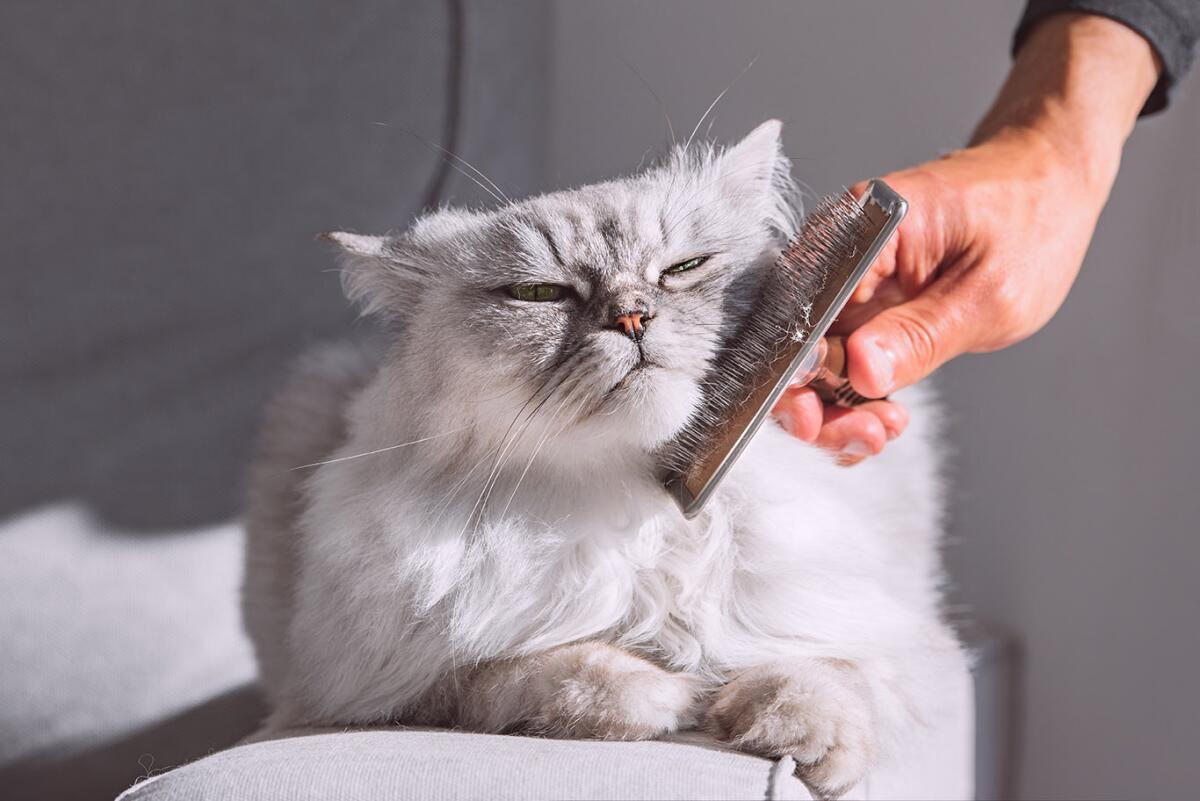
Brush your cat regularly to satisfy their grooming needs. Use soft brushes designed for cats to avoid skin irritation. Grooming sessions also strengthen your bond. Consider gentle massages to relax your cat. These options reduce the urge to groom excessively on their own.
Diet And Supplements For Skin Health
Diet plays a key role in maintaining your cat’s skin health. Proper nutrition can reduce over grooming caused by skin irritation or allergies. Feeding your cat foods rich in essential nutrients supports a strong skin barrier and a shiny coat. Supplements can also help improve skin condition and calm itching.
Nutritional Needs
Cats need a balanced diet with proteins, vitamins, and minerals for healthy skin. Protein provides amino acids that repair skin tissue. Vitamins like A and E act as antioxidants protecting skin cells. Zinc supports healing and reduces inflammation. A lack of these nutrients can cause dry, flaky skin and itching.
Omega Fatty Acids
Omega-3 and omega-6 fatty acids help reduce inflammation and keep skin soft. These fats improve coat shine and reduce itching linked to allergies. Fish oil and flaxseed oil are common sources. Adding omega supplements to your cat’s diet may decrease over grooming caused by skin problems. Consult your vet for the right dosage.
Specialty Diets
Some cats benefit from diets made for sensitive skin or allergies. Hypoallergenic or limited ingredient diets reduce exposure to common allergens. These diets often include novel proteins like duck or venison. Grain-free options may help cats sensitive to wheat or corn. Switching diets should be gradual to avoid upset stomach.
When To Seek Professional Help
When your cat’s grooming habits tip from being a simple self-care ritual to a compulsive behavior, it might be time to seek professional help. Over-grooming can lead to bald patches, skin infections, or other health issues. But how do you know when it’s serious enough to consult a professional?
Behavioral Therapy
Consider behavioral therapy if your cat’s over-grooming stems from anxiety or stress. A pet behaviorist can identify triggers and suggest changes in your cat’s environment. They might recommend interactive toys or a new feeding routine to reduce stress.
Have you noticed your cat’s grooming spikes during certain times of the day or after specific events? Keep a journal of these incidents to discuss with the therapist. This data can be invaluable in crafting an effective treatment plan.
Medication Options
In some cases, medication might be necessary to curb your cat’s over-grooming. A veterinarian can prescribe anti-anxiety drugs or antihistamines. These medications can help manage the urge to groom excessively.
Be sure to discuss potential side effects and monitor your cat’s response to the medication. It’s crucial to have a follow-up plan with your vet to adjust dosages or try alternative treatments if needed.
Long-term Management
Long-term management involves a combination of strategies to keep over-grooming in check. Regular vet visits can help catch any physical or psychological issues early. Consistent routines and a calm environment also contribute to your cat’s well-being.
Think about how you can make your home a stress-free zone for your feline friend. Is there a cozy corner they love, or a window perch with a view? Small changes can make a big difference in managing their grooming behavior over time.
Frequently Asked Questions
Why Does My Cat Over Groom Itself?
Cats over groom due to stress, allergies, or skin irritations. Identifying the cause helps provide proper treatment. Consulting a vet is essential for accurate diagnosis and care.
How Can I Reduce My Cat’s Grooming Behavior?
Provide a calm environment, enrich playtime, and address allergies. Using calming sprays and regular vet checkups can also help reduce over grooming effectively.
What Are Signs Of Over Grooming In Cats?
Look for bald patches, redness, sores, or scabs on your cat’s skin. Excessive licking or chewing fur is a clear sign of over grooming.
Can Diet Affect My Cat’s Grooming Habits?
Yes, poor nutrition or food allergies can cause skin issues leading to over grooming. Feeding a balanced, hypoallergenic diet can improve skin health and reduce grooming.
Conclusion
Helping your cat stop over grooming takes patience and care. Watch your cat’s behavior closely. Provide a calm, safe space for your pet. Offer toys and playtime to reduce stress. Keep regular vet check-ups to rule out health issues. Remember, small changes can make a big difference.
Your cat will feel happier and healthier with your support. Taking action today helps prevent future problems. Caring for your cat shows how much you love them. Keep trying different ways until you find what works best.

Leave a Reply