If your dog keeps sneaking off with your cat’s toys, you know how frustrating it can be. Not only can it cause a mess, but it might also upset your cat or even harm your dog.
You want to keep both pets happy and safe, but how? You’ll discover simple and effective ways to stop your dog from eating cat toys for good. By the end, you’ll have easy tips you can start using right away to protect your furry friends and keep peace in your home.
Keep reading—you’re about to solve a problem that’s probably been driving you crazy!
Why Dogs Eat Cat Toys
Dogs often chew on cat toys, puzzling many pet owners. Understanding why dogs eat cat toys helps manage this behavior effectively. Dogs explore the world with their mouths. Cat toys offer new smells and textures, sparking their interest. Several reasons drive dogs to grab and chew cat toys, from natural instincts to physical needs.
Curiosity And Play Behavior
Dogs are naturally curious. Cat toys look like new playthings to them. They want to explore and interact with anything new. Playing with cat toys feels fun and exciting. Chewing and tossing toys satisfy their desire to play. This behavior mimics their natural hunting and fetching instincts.
Attraction To Cat Toy Materials
Cat toys use materials like feathers, fur, and fabric. These textures attract dogs. The smell of catnip or other scents adds more appeal. Dogs often prefer soft or squishy toys to hard ones. The unique materials feel good to chew and carry around. These features make cat toys irresistible to many dogs.
Teething And Chewing Needs
Puppies and young dogs need to chew to soothe sore gums. Adult dogs also chew to relieve stress and boredom. Cat toys serve as convenient chew objects. Chewing helps keep their teeth clean and jaws strong. Without proper chew toys, dogs look for alternatives like cat toys. Meeting these needs reduces destructive behavior and keeps dogs happy.
Risks Of Dogs Eating Cat Toys
Allowing your dog to chew on cat toys might seem harmless at first, but it can lead to serious health risks. Cat toys are not designed with dogs in mind, which means they often pose dangers that can affect your pet’s safety and well-being. Understanding these risks will help you protect your dog and keep your home safe.
Choking Hazards
Many cat toys have small parts like bells, feathers, or strings that can easily break off. Dogs can accidentally swallow these pieces, causing choking or blockages in their throat. Have you noticed your dog chewing too aggressively? That’s a warning sign to keep cat toys out of reach.
Digestive Problems
If your dog swallows parts of cat toys, it can lead to serious digestive issues. Pieces of plastic, fabric, or stuffing may cause blockages in the stomach or intestines. These blockages might require emergency surgery, which is costly and stressful for both you and your pet.
Toxic Materials In Toys
Some cat toys contain materials that are safe for cats but harmful to dogs. For example, certain dyes, glues, or stuffing used in toys might be toxic when ingested by dogs. Are you checking the labels on your pet’s toys? Ignoring this can expose your dog to dangerous chemicals without you knowing.
Preventing Access To Cat Toys
Stopping your dog from chewing or eating cat toys can protect both pets. Dogs often find cat toys intriguing because of their size and texture. Preventing access is a simple way to keep your dog safe and your cat’s toys intact.
Focus on controlling where toys are kept and how your dog can reach them. Setting clear boundaries and secure storage can reduce unwanted chewing. These steps create a peaceful environment for both animals.
Designated Toy Areas
Create special spots just for cat toys. Choose quiet, out-of-the-way places. Use shelves, boxes, or baskets to keep toys in one spot. This helps your dog learn that cat toys belong only in certain areas.
Train your dog to avoid these spots. Reward calm behavior near the toy area. Over time, your dog will respect these boundaries without trouble.
Using Baby Gates Or Barriers
Install baby gates or barriers to block your dog’s access to cat play zones. Place gates at doorways or hallways leading to your cat’s favorite spots. This physical separation stops your dog from reaching toys easily.
Choose gates with small spaces so the dog cannot squeeze through. Make sure the cat can pass freely under or around the barrier. This keeps cats comfortable and dogs restricted.
Storing Toys Securely
Keep cat toys in containers that your dog cannot open. Use bins with lids, high shelves, or closed cabinets. This prevents dogs from finding toys when unsupervised.
Make it a habit to gather toys after playtime. Teach family members to store toys properly. Consistent storage reduces chances for your dog to chew cat items.

Credit: petzyo.com.au
Training Dogs To Avoid Cat Toys
Teach your dog to leave cat toys alone by offering their own fun alternatives. Keep cat toys out of reach and reward your dog for good behavior. Consistent training helps dogs understand which toys belong to them.
Training your dog to avoid cat toys can be a rewarding process, fostering harmony between your furry companions. If your dog has developed a penchant for cat toys, fear not! With a little patience and the right techniques, you can guide your dog toward more suitable playthings. This section explores practical strategies to help your dog leave those cat toys alone, focusing on training techniques that can make a real difference.Basic Commands And Reinforcement
Start by teaching your dog basic commands such as “leave it” or “drop it.” These commands are crucial in redirecting your dog’s attention away from cat toys. Use treats as reinforcement when your dog successfully follows the command. Consistency is key; practice these commands daily to build a strong foundation. Once your dog understands the command, reinforce it in different settings. Try using various distractions, including cat toys, to test your dog’s response. Gradually increase the difficulty to ensure your dog reliably follows commands even in tempting situations.Redirecting Attention To Dog Toys
Engage your dog’s interest in toys specifically designed for them. Introduce toys that squeak, dispense treats, or have unique textures to make them more appealing. When your dog shows interest in cat toys, promptly redirect them to their own toys. Make playtime exciting and interactive. Spend time playing with your dog using their toys to create positive associations. This not only strengthens your bond but also helps your dog understand which toys are meant for them.Positive Reinforcement Techniques
Reward your dog immediately when they choose their toys over cat toys. Use treats, praise, or a favorite activity as positive reinforcement. This encourages your dog to repeat the desired behavior. Keep a stash of treats handy to reinforce good choices. Consistency and timing are crucial; reward your dog as soon as they display the correct behavior. Over time, your dog will naturally gravitate towards their toys, reducing the allure of cat toys. Training your dog to avoid cat toys requires patience and persistence. By using these techniques, you can guide your dog towards better choices, ensuring a peaceful coexistence with your feline friend. What strategies have you found effective in training your pets? Share your thoughts below!Choosing Safe And Durable Toys
Choosing safe and durable toys helps protect your dog and cat from harm. Toys made specifically for dogs can satisfy their chewing needs. Durable materials reduce the risk of toys breaking into small pieces. Finding safe alternatives to cat toys keeps both pets happy and safe. This approach prevents your dog from eating cat toys and causing health issues.
Dog-friendly Chew Toys
Dog-friendly chew toys are designed to last longer and keep dogs busy. These toys come in various shapes and sizes. Some are made to clean teeth or soothe gums. Choose toys that match your dog’s size and chewing strength. Soft toys may not last for heavy chewers. Hard rubber or nylon toys often work better. Rotate toys regularly to maintain your dog’s interest.
Durable Materials To Withstand Chewing
Durability is key for toys in homes with strong chewers. Look for materials like:
- Natural rubber
- Hard nylon
- Thick rope
- Heavy-duty plastic
These materials resist tearing and breaking. Avoid toys with small parts that can be swallowed. Choose toys without toxic chemicals. Always check for wear and tear to prevent choking hazards. Replace toys once they become damaged.
Safe Cat Toy Alternatives
Cat toys are often small and fragile. Offer your dog safe alternatives to stop chewing on cat toys. Consider these options:
- Large, sturdy balls
- Interactive puzzle toys
- Chew sticks made for dogs
- Stuffed toys made for dogs only
Keep cat toys out of your dog’s reach. Store cat toys in high places or closed containers. This keeps both pets safe and their toys separate.

Credit: petzyo.com.au
Managing Multi-pet Households
Managing a household with both dogs and cats can be rewarding but also challenging. Each pet has unique habits and preferences, especially when it comes to toys. Dogs often find cat toys intriguing, but this can lead to frustration for both pets and owners.
Separating Playtime
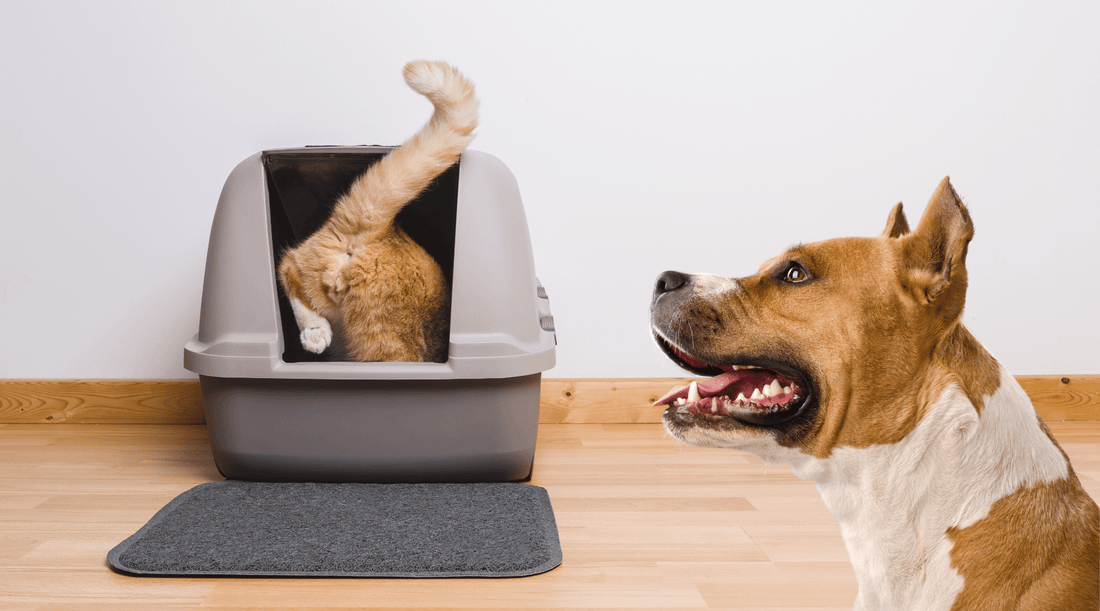
Keep dog and cat playtimes separate to avoid toy theft and potential conflicts. Designate specific areas where each pet can play freely without the other interfering. This helps your dog focus on their own toys and prevents them from developing a habit of grabbing cat toys.
Try using baby gates or closed doors during these play sessions. It might feel like extra effort, but it saves you from constant interruptions and keeps your pets happier. Have you noticed a difference when your pets have their own space to play?
Supervised Interaction
Always supervise your dog and cat when they are in the same room with toys around. Dogs can be quick and sneaky, grabbing cat toys before you even notice. Being present allows you to gently redirect your dog’s attention to their own toys.
Use commands your dog already knows to keep control during playtime. Reward them when they leave the cat’s toys alone. This positive reinforcement makes your dog more likely to follow the rules without feeling punished.
Encouraging Independent Play
Provide your dog with a variety of engaging toys that suit their chewing and playing style. Puzzle toys, chew bones, and interactive balls can keep them entertained for longer periods. The more interested they are in their own toys, the less temptation they have to steal from the cat.
Rotate your dog’s toys regularly to keep things fresh and exciting. You might find that a new toy captures their attention better than the cat’s favorite. Have you tried hiding some toys and bringing them out later to spark your dog’s curiosity?
Credit: k9connoisseur.com
Frequently Asked Questions
How To Stop My Dog From Eating Cat Toys?
Keep cat toys out of your dog’s reach. Use baby gates or closed doors. Train your dog to leave cat toys alone with commands like “leave it. ” Provide plenty of dog-specific toys to reduce their interest in cat items.
Why Does My Dog Eat Cat Toys?
Dogs may eat cat toys out of curiosity, boredom, or teething. Some dogs are attracted to the texture or scent of cat toys. Understanding the reason helps in managing the behavior effectively through training and providing appropriate alternatives.
Are Cat Toys Harmful To Dogs If Eaten?
Yes, cat toys can be harmful if swallowed by dogs. They may cause choking, blockages, or digestive issues. Always monitor your pets and remove any cat toys from your dog’s environment to prevent health risks.
What Are Safe Alternatives For Dogs To Chew?
Provide durable chew toys designed for dogs. Options like rubber, nylon, or dental chews are safe and satisfying. These alternatives reduce the chance of your dog seeking out cat toys or other unsafe items.
Conclusion
Keeping your dog from eating cat toys takes patience and care. Set clear boundaries and store toys out of reach. Offer your dog plenty of their own toys to chew. Watch your pets closely during playtime to prevent accidents. Consistency helps your dog learn what is okay to chew.
A happy pet home means safe toys for everyone. Small steps lead to big improvements in behavior. Stay calm and keep trying—you will see progress soon.



Leave a Reply