Is your cat spending too much time licking or biting their fur? Over grooming can be more than just a quirky habit—it might be a sign that your furry friend is stressed, uncomfortable, or even in pain.
If you’ve noticed bald patches, redness, or constant scratching, it’s time to take action. You want your cat to feel happy and healthy, and understanding how to help an over grooming cat is the first step. Keep reading to discover simple, effective ways to comfort your pet and restore their natural grooming balance.

Credit: www.reddit.com
Signs Of Over Grooming
Noticing the signs of over grooming in your cat early can make a huge difference in their comfort and health. Over grooming is more than just a quirky habit; it often signals underlying issues that need your attention. Identifying these signs helps you act before the problem worsens.
Common Symptoms
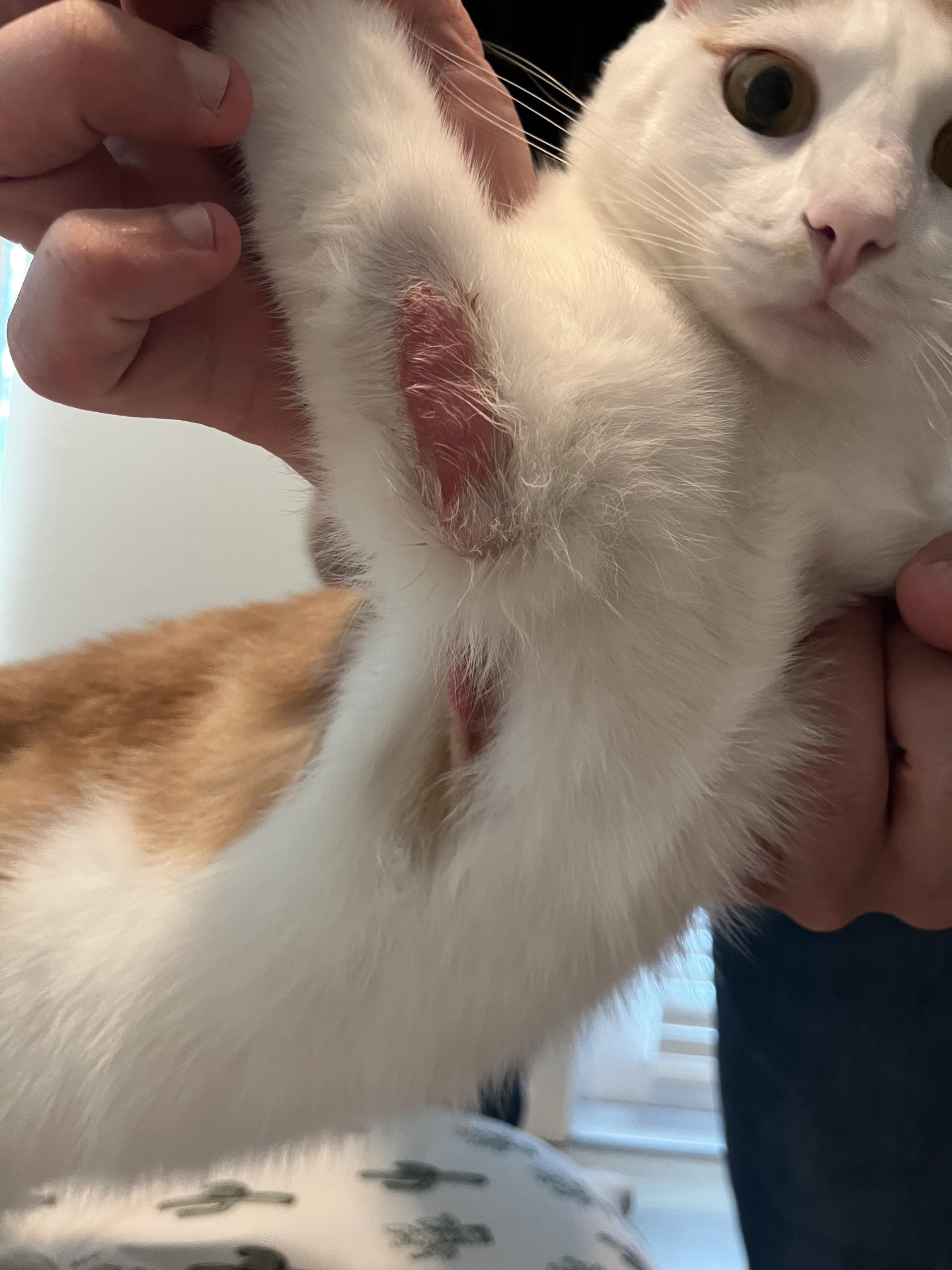
Look closely at your cat’s fur and skin. Over grooming often leads to bald patches or thinning fur, especially on the belly, legs, or tail. You might also spot red, irritated, or scabby skin where your cat licks or bites excessively.
Another clear sign is the presence of wounds or sores that don’t seem to heal. Your cat’s coat may appear dull or uneven compared to usual. Notice if your cat’s grooming habits increase beyond the typical cleaning routine.
Behavioral Changes
Changes in your cat’s behavior can be just as telling as physical symptoms. You might see your cat grooming more often during stressful times or after changes in their environment.
Does your cat seem restless, anxious, or irritable? These emotions can trigger over grooming as a coping mechanism. Sometimes, your cat might avoid social interaction or hide more than usual, signaling discomfort or distress.
Have you ever caught your cat licking a spot repeatedly, even when there’s no visible injury? This persistent focus on one area is a red flag worth investigating. Paying attention to both physical and behavioral signs gives you a full picture of your cat’s well-being.
Causes Of Over Grooming
Over grooming in cats can be puzzling and concerning. Understanding what triggers this behavior is key to helping your feline friend. Various factors can cause your cat to groom excessively, and identifying these causes can lead you to effective solutions.
Stress And Anxiety
Cats often groom themselves more when they feel stressed or anxious. Changes in their environment, like moving to a new home or introducing a new pet, can increase their stress levels.
Think about your cat’s daily routine. Have there been recent disruptions or loud noises that might be unsettling? Stress can cause your cat to lick or chew their fur repeatedly, sometimes leading to hair loss.
Medical Issues
Health problems are a common cause of over grooming. Skin infections, allergies, or parasites like fleas can make your cat feel itchy or uncomfortable.
Have you noticed redness, sores, or scabs on your cat’s skin? These signs can indicate underlying medical issues that need a vet’s attention. Ignoring these symptoms may worsen the problem and prolong your cat’s discomfort.
Environmental Factors
Your cat’s surroundings play a big role in their grooming habits. Lack of stimulation or boredom can lead to over grooming as a way to pass time.
Is your cat spending long hours alone without toys or interaction? A dull environment can trigger repetitive behaviors. Adding scratching posts, interactive playtime, or cozy resting spots can reduce over grooming caused by environmental boredom.
Veterinary Evaluation
A veterinary evaluation is essential for cats that over groom. It helps find the root cause of this behavior. A vet checks your cat’s health and environment. They use different tests and observations to decide the best treatment. This process protects your cat’s well-being and comfort.
Physical Examination
The vet begins with a detailed physical exam. They look for skin wounds, redness, or hair loss. They check for parasites like fleas or mites. The vet also feels your cat’s body for lumps or pain. This exam helps spot health issues causing over grooming.
Allergy Testing
Allergies often cause itching and skin irritation in cats. The vet may suggest allergy tests to find triggers. These tests include blood tests or skin prick tests. Identifying allergies helps reduce symptoms and stop over grooming. Diet changes or medications may follow based on results.
Behavioral Assessment
Stress and anxiety often lead to over grooming in cats. The vet observes your cat’s behavior and environment. They ask about changes at home or routines. This assessment finds if stress causes the problem. The vet may recommend behavior therapy or calming techniques.
Environmental Enrichment
Environmental enrichment plays a key role in helping cats stop over grooming. Cats need mental and physical activities to stay happy and healthy. When cats feel bored or stressed, they may groom themselves too much. Providing a rich environment keeps their mind busy and reduces stress.
Interactive Toys
Interactive toys encourage cats to play and explore. Toys that move or make noise catch their attention. Puzzle feeders challenge their brain and reward them with treats. Use toys like feather wands, laser pointers, or small balls. Rotate toys often to keep interest high. Playtime with owners strengthens bonds and reduces anxiety.
Safe Spaces
Safe spaces give cats a quiet place to relax. Cats need spots where they feel secure. Provide cozy beds, boxes, or cat trees. Place these in calm areas away from noise and activity. High perches help cats observe without feeling threatened. Safe spaces reduce stress, which lowers over grooming risks.
Routine And Stimulation
Cats thrive on routine and regular stimulation. Feed and play with them at the same times daily. Predictable schedules help cats feel calm and secure. Include short play sessions several times a day. Use different toys to keep activities fresh. Routine and stimulation prevent boredom and help control over grooming.
Behavioral Interventions
Behavioral interventions play a key role in helping cats stop over grooming. These strategies focus on changing your cat’s habits and environment. They reduce stress and redirect their focus. Consistency and patience are important for success.
Positive Reinforcement
Reward your cat for calm and relaxed behavior. Use treats, gentle petting, or soft praise. This encourages your cat to repeat good habits. Avoid punishment, which can increase anxiety and worsen grooming.
Set clear moments to reward, like after playtime or resting quietly. This builds a positive connection with new behaviors.
Redirecting Attention
Offer toys or activities to keep your cat busy. Interactive toys or puzzle feeders work well. They distract your cat from over grooming areas.
Try gentle play sessions to use up extra energy. This lowers stress and reduces focus on grooming.
Reducing Triggers
Identify what causes stress or anxiety in your cat. Common triggers include loud noises, changes in routine, or new pets. Minimize these triggers as much as possible.
Provide a quiet and safe space for your cat to relax. Use calming aids like pheromone diffusers to create comfort. Less stress means less need for excessive grooming.

Credit: www.reddit.com
Medical Treatments
Medical treatments can help control over grooming in cats. These treatments aim to reduce itching, pain, and anxiety that cause excessive licking or biting. A vet will suggest the best options based on your cat’s condition.
Addressing the root cause is key. Sometimes skin infections or allergies trigger over grooming. Other times, stress or behavioral issues play a role. Medical treatments work to calm these problems and protect your cat’s skin.
Medications
Medications can reduce inflammation and itching. Vets often prescribe antihistamines or corticosteroids to ease allergic reactions. Antibiotics may be needed if infections are present. In some cases, anti-anxiety drugs help calm nervous cats.
Follow the vet’s instructions carefully. Do not stop medication early, even if symptoms improve. Regular check-ups are important to adjust doses or change treatments.
Topical Therapies
Topical treatments include creams, sprays, or shampoos applied directly on the skin. These products soothe irritation and help heal wounds. Medicated shampoos can remove allergens and bacteria causing discomfort.
Use topical therapies as directed. Avoid letting your cat lick the treated areas. Sometimes, a protective collar helps prevent licking and allows healing.
Alternative Approaches
Some cats benefit from alternative therapies. Options like acupuncture or herbal remedies may reduce stress and improve skin health. Essential fatty acid supplements often support a healthy coat and skin barrier.
Discuss these approaches with your vet. They can guide safe and effective use alongside conventional treatments. The goal is to provide comfort and prevent further skin damage.
Preventing Recurrence
Preventing recurrence of over-grooming in cats involves regular vet check-ups and creating a stress-free environment. Ensure your cat has engaging toys and a balanced diet to keep them healthy and happy.
Preventing recurrence of over-grooming in cats is crucial for their well-being. After addressing the initial problem, focus on ongoing strategies to maintain their health. A proactive approach will support your cat’s happiness and keep their grooming habits in check.Ongoing Monitoring
Keep an eye on your cat’s grooming behavior. Regularly check their skin for signs of irritation. Look for bald spots or redness. Catching issues early can prevent further problems. Track any changes in their environment or routine. These can trigger over-grooming. Maintain a journal if needed. Documenting changes helps in identifying patterns.Stress Reduction Techniques
Reduce stressors in your cat’s life. Provide a calm and safe environment. Create spaces where they can retreat and relax. Consider using pheromone diffusers. They can promote a sense of peace. Engage your cat with interactive toys. Playtime reduces anxiety and burns energy. Ensure they have a consistent daily routine. Cats thrive on predictability.Regular Veterinary Care
Schedule routine check-ups with your vet. Regular exams help catch health issues early. Discuss your cat’s grooming habits during visits. Your vet can offer advice specific to your cat’s needs. They may suggest dietary changes or supplements. Professional guidance is key to preventing recurrence. Stay informed about your cat’s health status. It ensures long-term well-being.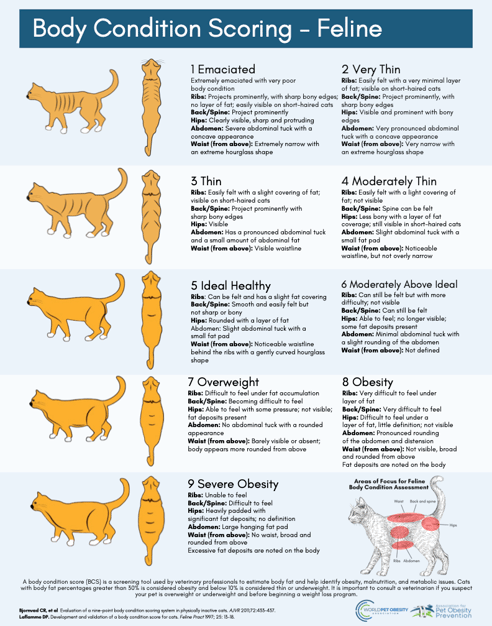
Credit: www.preventivevet.com
Frequently Asked Questions
What Causes Over Grooming In Cats?
Over grooming in cats is often caused by stress, allergies, parasites, or skin infections. It can also indicate boredom or anxiety. Identifying the root cause is crucial for effective treatment and prevention.
How Can I Stop My Cat From Over Grooming?
To stop over grooming, reduce stress and provide mental stimulation. Consult a vet for allergies or parasites. Use calming products and ensure a comfortable environment to help your cat feel safe and relaxed.
When Should I See A Vet For Over Grooming?
See a vet if your cat’s skin is red, swollen, or bleeding. Persistent hair loss or behavioral changes also require professional evaluation. Early diagnosis helps treat underlying issues effectively.
Can Diet Affect My Cat’s Grooming Habits?
Yes, poor nutrition or food allergies can cause skin irritation leading to over grooming. Providing a balanced diet with quality ingredients supports healthy skin and reduces excessive grooming behaviors.
Conclusion
Helping a cat with over grooming takes patience and care. Watch your pet closely for signs of stress or allergies. Create a calm space where your cat feels safe. Regular vet visits can catch problems early. Use gentle grooming tools and avoid harsh chemicals.
Remember, your attention helps your cat feel loved and secure. Small steps can bring big changes in your cat’s behavior. Keep trying, and your furry friend will thank you.




Leave a Reply