
If you have a long-haired cat, you know how beautiful—and challenging—their fur can be. Keeping your cat’s coat clean and tangle-free isn’t just about looks; it’s about their comfort and health.
But grooming a long-haired cat can sometimes feel overwhelming or even stressful for both of you. What if you could make grooming easier, faster, and even enjoyable? You’ll discover simple, effective tips to help your furry friend stay clean and happy, while making grooming a bonding moment you both look forward to.
Keep reading, and you’ll learn how to turn a tough task into a smooth, stress-free routine.

Credit: catit.ca
Choosing The Right Tools
Choosing the right tools for grooming your long-haired cat can make the process smoother for both you and your feline friend. The right equipment helps reduce tangles, prevent discomfort, and even strengthen your bond during grooming sessions. Let’s break down the essential tools that can make a real difference.
Brush Types For Long Hair Cats
Not every brush fits all long-haired cats. A slicker brush is great for removing loose hair and detangling without pulling too hard. Meanwhile, a pin brush works well for daily maintenance, gently smoothing the coat and adding shine.
Some cats prefer a brush with softer bristles, especially if their skin is sensitive. You might notice your cat responds better to one type over another—watch their reaction closely. Have you ever tried switching brushes mid-grooming to see which one calms your cat more?
Combs And Dematting Tools
Combs are essential for tackling stubborn mats and knots that brushes can’t handle. A wide-toothed comb helps loosen tangles, while a fine-toothed comb can smooth the coat afterward. For tougher mats, a dematting tool or mat splitter can safely break apart clumps without hurting your cat.
Be gentle and patient when using these tools. Applying too much force can scare or hurt your cat, making future grooming sessions harder. Have you ever noticed a particular area on your cat’s coat that needs extra attention with a dematting tool?
Grooming Gloves And Scissors
Grooming gloves offer a hands-on approach that many cats find less intimidating. They allow you to remove loose hair while petting your cat, which feels more natural to them. This can be especially helpful if your cat dislikes brushes or combs.
Scissors should be used carefully and only when necessary, such as trimming mats that can’t be brushed out. Rounded-tip scissors provide extra safety, but it’s crucial to keep your cat calm and still during use. Have you considered using grooming gloves to ease your cat into a regular grooming routine?
Establishing A Grooming Routine
Helping your long-haired cat stay groomed isn’t just about keeping them looking good—it’s about their comfort and health. Establishing a consistent grooming routine makes a big difference in managing their thick, flowing coat. It also builds trust between you and your pet, making grooming a positive experience rather than a struggle.
Daily Brushing Techniques
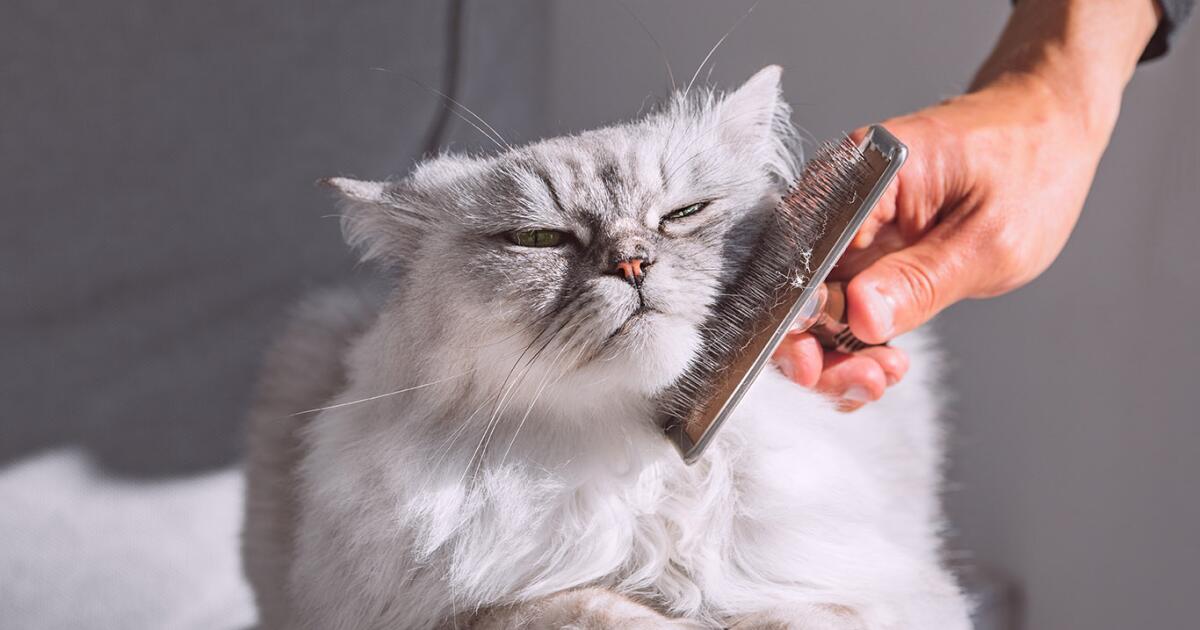
Daily brushing prevents mats and tangles before they start. Use a slicker brush or a wide-tooth comb designed for long fur. Gently work through the fur in small sections, starting from the head and moving toward the tail.
Keep your strokes slow and steady to avoid hurting your cat. If your cat resists, try brushing for just a minute or two and then gradually increase the time. Notice which spots your cat enjoys being brushed—these can be your starting points.
Bathing Frequency And Tips
Bathing a long-haired cat doesn’t have to be stressful if done right. Most cats only need baths every 4 to 6 weeks unless they get particularly dirty. Use a cat-specific shampoo and lukewarm water to keep their skin from drying out.
Before the bath, brush thoroughly to remove loose fur. During the bath, keep water out of their ears and eyes. Afterward, wrap your cat in a warm towel and gently dry them to prevent chills.
Creating A Calm Environment
Grooming works best when your cat feels safe and relaxed. Choose a quiet room with minimal distractions. Soft lighting and a comfortable surface can help your cat settle down.
Talk to your cat in a soothing voice and offer treats during grooming. If your cat becomes stressed, pause and try again later. Over time, your calm approach will make grooming a moment your cat looks forward to.
Preventing And Removing Tangles
Preventing and removing tangles is vital for keeping a long-haired cat comfortable and healthy. Tangles can cause pain and skin problems if left untreated. Regular care helps stop mats from forming and keeps the fur soft and shiny.
Identifying Early Signs Of Mats
Mats often start as small knots hidden under loose fur. Watch for areas where the fur looks clumped or feels tight. Cats may scratch or bite these spots more than usual. Early mats are easier to remove and less painful for your cat.
Safe Detangling Methods
Use a wide-tooth comb to gently work through small tangles. Hold the fur near the skin to avoid pulling. Work slowly and patiently in short sessions. Apply a detangling spray made for cats to ease combing. Never cut mats out without professional advice—it can hurt your cat.
When To Seek Professional Help
Strong mats that pull on the skin need expert care. A groomer or vet can safely remove tough tangles. Seek help if your cat shows signs of pain or skin redness. Professionals have the right tools and skills to protect your cat.
Maintaining Cat’s Coat Health
Brushing your long-haired cat daily prevents mats and tangles. Regular grooming keeps their coat soft and shiny. Use a gentle brush suited for long fur to avoid discomfort.
Maintaining Cat’s Coat Health Ensuring your long-haired cat has a healthy coat is more than just a beauty routine. It’s about promoting their overall well-being. A shiny, soft coat reflects a cat’s health and happiness. Here, we’ll explore how you can support your feline friend’s coat health with simple yet effective strategies.Balanced Diet For Shiny Fur
A healthy coat starts with a balanced diet. Cats need a diet rich in protein and essential fatty acids to maintain glossy fur. Consider incorporating foods with omega-3 and omega-6 fatty acids, which are excellent for skin and coat health. Think about the quality of the cat food you choose. Opt for high-quality brands that list real meat as the first ingredient. Have you noticed how a diet adjustment can improve not just your cat’s coat, but their energy levels too?Hydration And Skin Care
Hydration plays a crucial role in maintaining a cat’s coat health. Make sure your cat has constant access to fresh water. Proper hydration helps keep their skin moisturized and prevents dryness, which can lead to flaky skin and dull fur. Regular grooming also supports healthy skin. Brushing your cat removes loose fur and distributes natural oils, keeping their coat sleek. Are you brushing your cat often enough to make a difference?Supplements For Coat Quality
Sometimes, even the best diet may not provide all the nutrients your cat needs for optimal coat health. Supplements can bridge this gap. Products containing fish oil or flaxseed oil are especially beneficial for enhancing coat sheen and softness. Before adding any supplements, consult your veterinarian. They can recommend products that are safe and effective for your cat’s specific needs. Have you considered how a simple supplement could transform your cat’s coat?Handling Grooming Challenges
Handling grooming challenges with your long-haired cat can feel like navigating a tricky maze. Cats with long fur require patience and the right approach to make grooming a positive experience for both of you. Understanding these challenges helps you stay calm and effective, turning grooming time into bonding time.
Dealing With Sensitive Cats
Some cats are naturally sensitive or fearful during grooming. You can start by creating a quiet, comfortable space free from distractions. Use gentle strokes and speak softly to reassure your cat.
If your cat resists, try shorter grooming sessions and slowly increase their length as your cat becomes more comfortable. Offering treats or a favorite toy during grooming can help create positive associations. Have you noticed any signs your cat gives when they’re uncomfortable? Learning to read these cues can prevent stress for both of you.
Managing Shedding Seasons
Shedding can increase dramatically in spring and fall, leaving your cat’s fur everywhere. Regular brushing during these times helps catch loose hair before it mats or ends up on your furniture. Consider using a de-shedding tool designed specifically for long-haired cats.
Consistency is key. Brushing daily during heavy shedding can reduce the amount of fur your cat swallows, lowering the risk of hairballs. Have you tried scheduling grooming around your cat’s natural shedding cycles?
Avoiding Common Grooming Mistakes
Avoid using human brushes or harsh grooming tools that can hurt your cat’s delicate skin. Always choose products made for cats with long hair. Never pull on mats or tangles; instead, gently work them out with your fingers or a detangling comb.
Don’t rush grooming, as this can cause stress or injury. If your cat has severe mats, it’s safer to seek professional help rather than risk hurting them. What grooming habits have you found make the biggest difference in keeping your cat comfortable?

Credit: catit.ca
Credit: www.latimes.com
Frequently Asked Questions
How Often Should I Groom My Long-haired Cat?
Groom your long-haired cat at least 3-4 times weekly. Frequent grooming prevents mats and tangles. It also reduces shedding and hairballs, keeping your cat comfortable and healthy.
What Tools Are Best For Grooming Long-haired Cats?
Use a slicker brush, wide-tooth comb, and grooming scissors. These tools effectively remove loose fur and tangles. Always choose pet-safe, gentle grooming tools to avoid hurting your cat.
How Can I Prevent Mats In My Cat’s Fur?
Regular brushing and detangling prevent mats. Pay attention to areas like under the legs and behind ears. Use detangling sprays if necessary to ease out knots gently.
When Should I Seek Professional Grooming For My Cat?
Seek professional help if mats are severe or difficult to remove. Professionals can safely trim matted fur and check your cat’s skin health. Regular grooming appointments keep your cat’s coat in top condition.
Conclusion
Helping your long-haired cat stay clean and comfortable takes time. Regular brushing stops mats and tangles from forming. Keep grooming sessions short and calm to build trust. Use the right tools for your cat’s fur type. Remember, patience and gentle care make grooming easier.
Your cat will enjoy feeling soft and healthy. Small daily efforts lead to big results. Keep your cat happy with simple grooming habits.



Leave a Reply