If you have a long-haired cat, you know how tricky grooming can be. Tangled fur, mats, and shedding can make both you and your cat stressed.
But don’t worry—there are simple ways to make grooming easier and more enjoyable for your furry friend. You’ll discover helpful tips and advice shared by real cat owners on Reddit. By the end, you’ll feel confident in keeping your long-haired cat looking and feeling great.
Keep reading to learn how to turn grooming into a calm and positive experience for both of you.
Choosing The Right Tools
Choosing the right tools makes grooming easier and more effective for long hair cats. The right equipment helps prevent mats and tangles. It also keeps your cat comfortable during grooming sessions.
Using poor quality tools can cause discomfort or even skin damage. Invest in proper brushes and grooming supplies. These tools work better and last longer. They help maintain your cat’s beautiful coat and health.
Best Brushes For Long Hair Cats
- Slicker Brush:Removes loose hair and prevents mats.
- Wide-Toothed Comb:Detangles without pulling the fur.
- Pin Brush:Gently smooths and adds shine.
- Undercoat Rake:Removes dead undercoat hair effectively.
Choose brushes with soft, rounded tips to avoid skin irritation. Look for ergonomic handles to reduce hand strain during grooming.
Essential Grooming Supplies
- De-matting Tool:Helps break up tough mats carefully.
- Grooming Scissors:For trimming small tangles or excess fur.
- Nail Clippers:Keep your cat’s claws trimmed and safe.
- Pet Wipes:Clean dirt and keep fur fresh between baths.
Keep all tools clean and dry. Replace worn-out items regularly. This ensures grooming stays safe and effective for your cat.
Creating A Grooming Routine
Creating a grooming routine for your long-haired cat is key to keeping their coat healthy and tangle-free. Consistency helps your cat get used to the process, reducing stress for both of you. Let’s break down how often you should groom and how to make the experience as comfortable as possible.
How Often To Groom
Long-haired cats usually need grooming at least three to four times a week. Daily brushing works best for some breeds to prevent mats and hairballs. Pay attention to your cat’s coat — if you notice tangles or shedding increasing, it’s time to add more sessions.
Remember, shorter grooming sessions are more effective than long, stressful ones. You can split grooming into 5-10 minute intervals instead of one long session. How often do you think your cat would tolerate brushing without getting restless?
Setting A Comfortable Environment
Your cat’s comfort during grooming affects cooperation. Choose a quiet, warm spot with good lighting. Avoid noisy rooms or areas with lots of distractions.
Use tools that feel good on your cat’s skin, like soft-bristled brushes or grooming gloves. You might want to place a towel on your lap or a non-slip mat on the table to help your cat feel secure. Have treats ready to reward calm behavior — positive reinforcement makes a big difference.
Techniques For Effective Grooming
Effective grooming is key to keeping your long-haired cat comfortable and healthy. The right techniques not only prevent painful mats but also make grooming a bonding experience. Understanding how to brush and handle tangles safely can transform a stressful task into a simple, even enjoyable routine for both of you.
Brushing To Prevent Mats
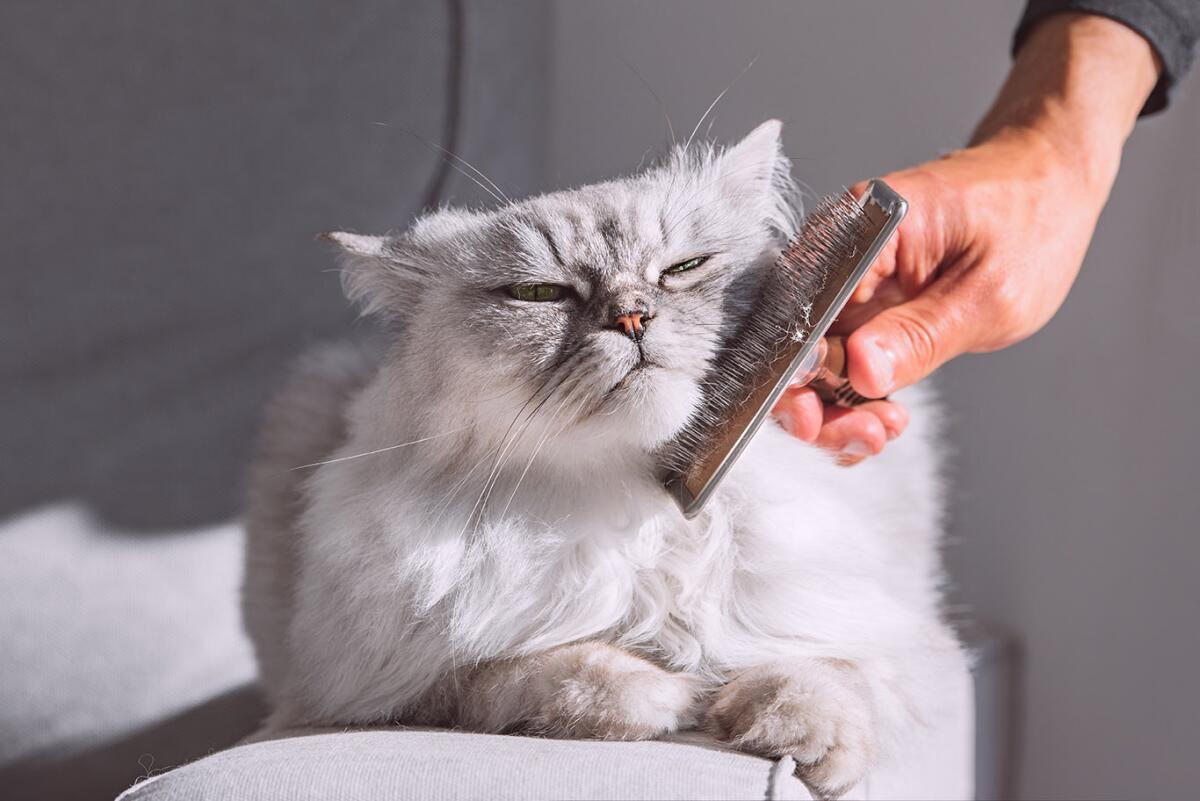
Regular brushing is your best defense against mats. Aim to brush your cat’s fur daily, especially in areas prone to tangles like behind the ears and under the legs.
- Use a wide-toothed comb or a slicker brush designed for long hair.
- Start brushing gently in the direction of hair growth to avoid hurting your cat.
- If your cat is fidgety, try brushing in short sessions and offer treats as rewards.
Have you noticed how mats often start small but quickly get worse? Catching them early with regular brushing saves you and your cat a lot of discomfort later on.
Dealing With Tangles Safely
Tangles require patience and care. Never pull hard on knots as this can hurt your cat and cause them to resist future grooming.
Instead, use these steps to ease through tangles:
- Hold the fur close to the skin to reduce pulling on your cat’s skin.
- Gently work through the tangle with your fingers or a detangling comb, starting from the ends and moving inward.
- Apply a small amount of water or a cat-safe detangling spray to soften stubborn knots.
Think about how your cat reacts when you tug too hard. Adjusting your technique to be gentler will build trust and make grooming smoother over time.
Managing Shedding And Hairballs
Managing shedding and hairballs is a key part of caring for your long-haired cat. Excessive shedding can create a mess around your home, and hairballs can cause discomfort or digestive issues for your furry friend. By addressing these challenges, you help keep your cat comfortable and your home cleaner.
Diet Tips For Healthy Coat
Your cat’s diet plays a big role in how much they shed and how often they get hairballs. Foods rich in omega-3 and omega-6 fatty acids help strengthen fur and reduce shedding. Look for high-quality cat food that lists fish oil or flaxseed oil as ingredients.
Hydration also affects coat health. Make sure your cat drinks enough water daily. Cats often prefer running water, so a cat water fountain can encourage more drinking.
Have you noticed your cat’s coat looking dull or patchy? It might be time to switch to a diet designed for skin and coat health. You can also add small amounts of cooked pumpkin or fiber-rich veggies to their meals to aid digestion and reduce hairball formation.
Using Supplements And Remedies
Supplements can support your cat’s coat and reduce hairballs. Omega fatty acid supplements are popular choices that many cat owners swear by. Before adding supplements, check with your vet to find the right dosage and type.
There are also natural remedies like malt-flavored hairball pastes that help your cat pass hairballs more easily. Some cats even respond well to coconut oil added sparingly to their food, which can improve fur quality.
Brushing your cat regularly remains essential, but combining it with supplements can make a real difference. Have you tried any supplements or remedies that worked well for your cat? Sharing your experience might help others facing similar challenges.
Handling Grooming Challenges
Handling grooming challenges with long-haired cats can be a daunting task. These fluffy companions require regular grooming to maintain their luscious coats. Yet, some cats may not cooperate, making grooming difficult. Understanding how to deal with these challenges is essential for their health and comfort.
Dealing With Uncooperative Cats
Some cats dislike grooming sessions and may resist your efforts. Start by creating a calm environment. Use a soft brush and gentle strokes. Speak softly to reassure them. If they show stress, take breaks. This helps build trust over time. Offer treats as rewards for their cooperation. Gradually, they might become more accustomed to grooming.
When To Seek Professional Help
In certain cases, professional grooming might be necessary. If your cat has severe matting or skin issues, consult a groomer. Professionals have the right tools and experience. They handle difficult grooming tasks with ease. Regular professional grooming can prevent future problems. It also keeps your cat’s coat healthy and shiny.
Additional Care Tips
Long-haired cats need more than just brushing to stay healthy and happy. Extra care helps keep their coat clean and skin healthy. This section covers key tips for bathing and trimming your cat. These steps support regular grooming and comfort.
Bathing Your Long Hair Cat
Bathing a long-haired cat can reduce dirt and loose fur. Use warm water and a cat-friendly shampoo only. Avoid human shampoos, as they can irritate your cat’s skin. Wet the fur gently, then apply shampoo and massage softly. Rinse thoroughly to remove all soap. Dry your cat with a soft towel. Use a hairdryer on low heat if your cat allows. Bathing once every 4 to 6 weeks works well for most long-haired cats.
Trimming And Nail Care
Trimming long fur around the cat’s rear and paws prevents matting and mess. Use blunt-edged scissors for safety. Regular nail trimming stops scratches and keeps furniture safe. Check nails every two weeks. Use a special cat nail clipper. Avoid cutting the pink part inside the nail. It causes pain and bleeding. If unsure, ask a vet or groomer to show you how. Grooming tools and regular trims keep your cat neat and comfortable.
Frequently Asked Questions
How Do I Groom A Long-haired Cat At Home?
Use a wide-toothed comb to detangle fur gently. Brush daily to prevent mats and hairballs. Trim nails carefully and clean ears regularly.
What Tools Are Best For Grooming Long-haired Cats?
Use a slicker brush, wide-toothed comb, and grooming scissors. These tools help remove tangles, loose fur, and maintain coat health effectively.
How Often Should I Groom My Long-haired Cat?
Groom your long-haired cat at least 3-4 times per week. Regular grooming reduces matting, shedding, and keeps the coat clean and healthy.
How Can I Prevent Matting In Long Cat Fur?
Brush your cat daily to remove loose hair and prevent mats. Pay special attention to areas behind ears and under legs where tangles form.
Conclusion
Helping a long-haired cat with grooming takes patience and care. Regular brushing stops mats and keeps fur soft. Use gentle tools and speak calmly to your cat. Watch for signs of discomfort and adjust your approach. Clean their eyes and ears carefully to avoid problems.
Small, daily sessions work better than long, stressful ones. With time, your cat will enjoy grooming more. A healthy coat means a happy cat. Keep these tips in mind for easier grooming days ahead.

Leave a Reply