Caring for your elderly cat means paying extra attention to their grooming needs. As cats get older, they often struggle to keep themselves clean and comfortable.
You might have noticed your furry friend struggling with tangled fur or missing spots while grooming. This can lead to discomfort, skin problems, or even infections. But don’t worry—you can make a big difference in your cat’s life by learning simple ways to help them stay clean and healthy.
Keep reading to discover easy tips that will keep your senior cat comfortable and happy every day.
Recognizing Grooming Challenges
Grooming becomes harder for elderly cats as they age. Their skin gets fragile and less flexible. They may not reach all areas to clean properly. This can cause dirt and mats to build up. Helping with grooming improves their comfort and health.
Common Issues In Older Cats
- Reduced flexibility makes self-cleaning difficult.
- Thinner skin is prone to cuts and irritation.
- Changes in coat texture can cause matting.
- Dental problems may reduce grooming activity.
- Arthritis or pain limits movement during cleaning.
Signs Your Cat Needs Help
- Visible mats or clumps in fur.
- Excess shedding or bald patches.
- Strong odor from uncleaned areas.
- Scratching or biting at certain spots.
- Reluctance to groom or move.
- Dirty or crusty eyes and ears.

Credit: www.reddit.com
Creating A Comfortable Grooming Space
Creating a comfortable grooming space is key to making the experience pleasant for your elderly cat. A calm and safe environment helps reduce stress and makes grooming easier for both of you. Think about how the space feels to your cat and what small changes you can make to improve it.
Choosing The Right Location
Pick a quiet spot where your cat feels secure and undisturbed. Avoid noisy areas or places with heavy foot traffic that might startle them.
Natural light is a big plus—it helps you see tangles and dirt clearly without harsh artificial lighting. A soft surface, like a cushioned mat or blanket, gives your cat something comfortable to sit on during grooming.
Have you noticed a corner or room your cat prefers to relax in? That’s often the best place to set up your grooming station.
Gathering Essential Tools
Keep all your grooming tools within easy reach to avoid leaving your cat alone mid-session. This reduces their anxiety and keeps the process smooth.
- Soft-bristled brush:Gentle on aging skin and effective at removing loose fur.
- Comb with wide and narrow teeth:Great for detangling without pulling.
- Nail clippers designed for cats:Helps maintain paw health safely.
- Styptic powder:Useful in case of minor nail trimming accidents.
- Pet wipes or damp cloth:For cleaning sensitive or hard-to-brush areas.
Having these ready before you start grooming not only saves time but also shows your cat you’re prepared and gentle. What tools does your cat respond to best during grooming sessions?
Gentle Brushing Techniques
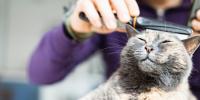
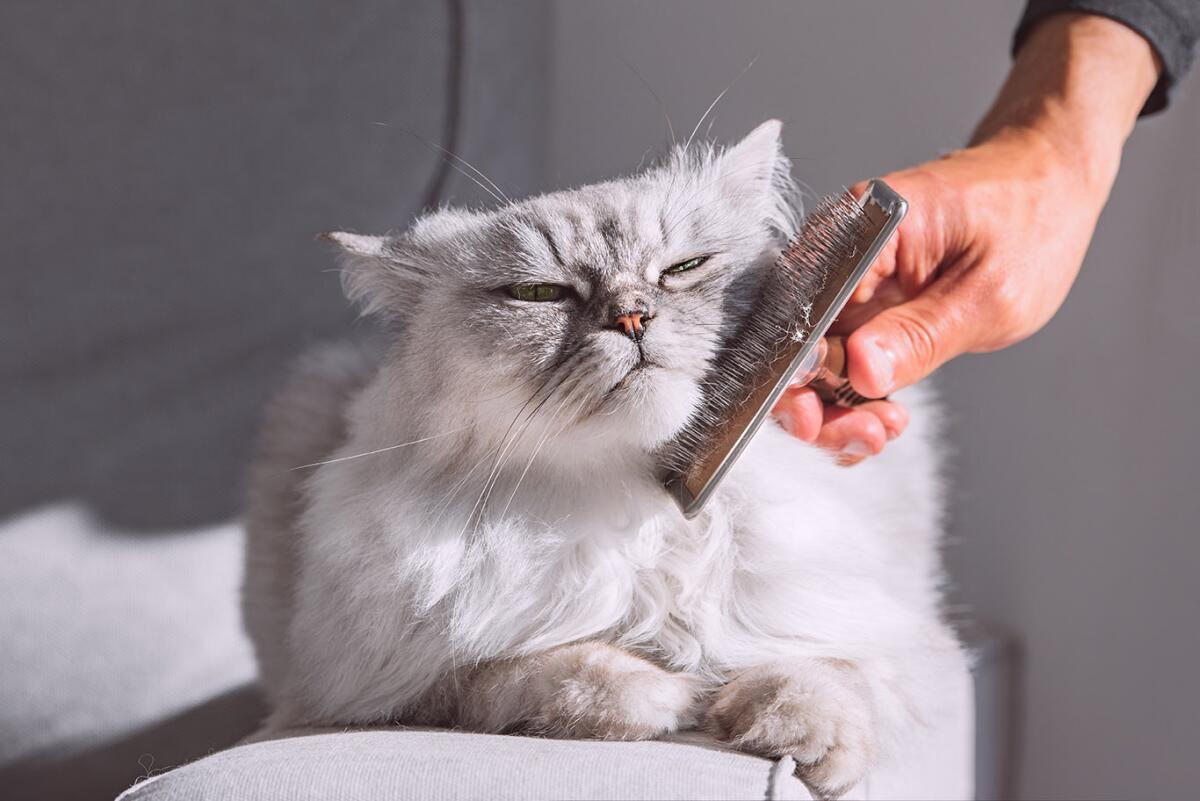
Use soft, slow strokes to avoid hurting your elderly cat’s sensitive skin. Focus on small areas and take breaks to keep grooming calm and gentle.
Cats, especially elderly ones, need regular grooming. Their grooming needs increase as they age. Gentle brushing techniques can help keep their coat healthy. It also strengthens your bond with them. Let’s explore how to make this process comfortable.Selecting The Best Brush
Choose a brush with soft bristles. This helps avoid irritating their sensitive skin. Look for a brush with an ergonomic handle. It will make brushing easier for you. Different brushes suit different fur types. Long-haired cats need a slicker brush. Short-haired cats benefit from a rubber brush. Visit a pet store to find the right one.Brushing Tips For Sensitive Skin
Start brushing in the direction of hair growth. This is gentler on their skin. Use slow and gentle strokes. This helps avoid pulling their fur. Pay attention to your cat’s reactions. Stop if they seem uncomfortable. Focus on areas like the back and sides. Avoid brushing too hard. It can hurt their sensitive skin. Keep sessions short. Five to ten minutes is enough. Regular brushing helps keep their coat clean.
Credit: www.latimes.com
Bathing Tips For Elderly Cats
Bathing an elderly cat requires extra care and attention. Their skin is more sensitive, and they may not tolerate water like younger cats do. Understanding the right approach can make bath time less stressful for both you and your cat.
When To Bathe Your Cat
Not all cats need frequent baths, especially older ones who groom themselves. You should consider bathing your elderly cat if they have dirt or grease buildup that they can’t clean off, or if they have a skin condition your vet recommends treating with baths.
If your cat has arthritis or limited mobility, they might struggle to groom hard-to-reach areas. Bathing can help keep their fur clean and reduce matting. But avoid bathing too often—once every few months is usually enough unless your vet advises otherwise.
Step-by-step Bathing Guide
- Prepare the area:Use a sink or a small tub with a non-slip mat. Make sure the water is lukewarm—not too hot or cold.
- Gather supplies:Use a cat-specific shampoo, a cup for rinsing, and several towels.
- Brush your cat:Remove loose fur and mats before getting them wet. This helps avoid painful tangles.
- Wet gently:Use the cup to pour water slowly over your cat’s body, avoiding the head.
- Apply shampoo:Lather gently, focusing on dirty spots. Avoid the face and ears.
- Rinse thoroughly:Make sure no shampoo remains, as residue can irritate the skin.
- Dry carefully:Wrap your cat in a warm towel and pat dry. You can use a hairdryer on a low, cool setting if your cat tolerates it.
Have you noticed your elderly cat becoming more anxious during baths? Try talking softly and moving slowly to keep them calm. Your calmness can help them feel safer.
Nail Care And Claw Maintenance
Maintaining your elderly cat’s nails is crucial for their comfort and health. Overgrown nails can cause pain, limit mobility, and even lead to infections. Paying attention to nail care not only keeps your cat comfortable but also prevents damage to your furniture and accidental scratches.
Trimming Nails Safely
Start by choosing the right tools—a pair of sharp, small pet nail clippers works best. Gently hold your cat’s paw and press the pad to extend the nail. Look for the pink area inside the nail called the quick; avoid cutting into it to prevent bleeding and pain.
If your cat resists, try trimming just one or two nails at a time. Keep styptic powder nearby in case of accidental nicks. Make the experience positive by offering treats and gentle praise to help your cat stay calm.
Alternatives To Nail Trimming
If clipping nails stresses your cat too much, consider alternatives. Regular scratching posts can help naturally wear down nails. You might also explore nail caps—soft covers that protect surfaces and reduce damage without trimming.
Another option is to consult your vet or a professional groomer for nail care. They have experience handling nervous cats and can make the process quicker and safer. Have you noticed how your cat reacts to different nail care methods? Observing their behavior helps you find the best approach.
Credit: www.purina.com
Managing Health Issues Affecting Grooming
Managing health issues is key to helping elderly cats with grooming. Older cats often face conditions that make cleaning themselves hard. Understanding these problems helps you support your cat better. Careful attention keeps your cat comfortable and healthy.
Common Health Concerns
Arthritis is frequent in senior cats. It causes joint pain and stiffness, making grooming tough. Dental problems also affect grooming by causing pain in the mouth. Skin conditions like dryness or infections can make fur messy. Obesity limits movement, reducing grooming ability. Vision or hearing loss may confuse cats, affecting self-care.
When To Consult A Vet
Visit a vet if grooming problems start suddenly. Check for signs like bald spots or bad odor. If your cat stops grooming completely, seek help. Notice if your cat shows pain or discomfort while grooming. Regular vet visits help catch issues early. Prompt treatment improves your cat’s quality of life.
Encouraging Positive Grooming Habits
Encouraging positive grooming habits in your elderly cat is key to making the experience comfortable and stress-free for both of you. Older cats may become less tolerant of grooming due to discomfort or cognitive changes, so building a gentle routine helps them stay clean and healthy without resistance. How can you turn grooming into a moment your cat looks forward to instead of avoiding?
Using Treats And Rewards
Using treats during grooming can transform the experience into a positive one. Offer small, tasty treats your cat loves immediately after brushing or cleaning to create a clear connection between grooming and rewards.
This approach not only motivates your cat but also reduces anxiety. You might discover your cat starts approaching grooming tools with curiosity instead of fear. Have you noticed how a simple treat can change your cat’s attitude toward grooming?
Keeping Grooming Sessions Short
Short grooming sessions prevent your elderly cat from feeling overwhelmed or stressed. Aim for just a few minutes at a time, stopping before your cat shows signs of discomfort.
Frequent, brief sessions build tolerance and trust over time. You could break grooming into multiple quick moments throughout the day, making it easier on your cat’s joints and patience. What small changes can you make to avoid turning grooming into a chore?
Alternative Grooming Support
Alternative grooming support can make a huge difference for elderly cats who struggle with self-care. Aging often brings joint pain, reduced flexibility, and decreased energy, making regular grooming a challenge. Offering extra help through specialized services and tools ensures your senior cat stays comfortable and clean without added stress.
Professional Groomers For Seniors
Professional groomers trained to handle senior cats bring valuable expertise to the table. They understand the delicate needs of older cats, such as sensitive skin and arthritis. These groomers use gentle techniques and tailored sessions to minimize discomfort.
Choosing a groomer with experience in senior pets can also reduce the risk of injury or stress during grooming. You might find that your cat actually enjoys these sessions, especially when handled with care and patience. Have you noticed your cat becoming anxious during grooming at home? A professional might provide a calmer environment.
Assisted Grooming Devices
Several grooming devices are designed to support elderly cats and their owners. Soft-bristled brushes with ergonomic handles help you gently remove loose fur without hurting your cat’s sensitive skin. Electric grooming tools with quiet motors reduce noise that could scare your cat.
Consider tools like grooming gloves, which let you pet your cat while removing tangles and dirt. These devices turn grooming into a bonding moment rather than a chore. Could adding such tools to your routine make grooming easier and more enjoyable for both of you?
Frequently Asked Questions
How Often Should I Groom An Elderly Cat?
Elderly cats need grooming at least twice a week. Regular grooming helps prevent matting and reduces shedding. It also improves circulation and skin health. Adjust frequency based on your cat’s coat condition and mobility.
What Grooming Tools Are Best For Senior Cats?
Use soft-bristle brushes and rubber grooming gloves for elderly cats. These tools are gentle on sensitive skin. Avoid harsh combs or brushes that can cause discomfort or injury.
How Can I Make Grooming Less Stressful For My Cat?
Create a calm environment with gentle voices and slow movements. Use treats and praise to reward your cat. Keep grooming sessions short and stop if your cat shows signs of stress.
Can Grooming Help Identify Health Issues In Senior Cats?
Yes, grooming helps spot lumps, skin changes, or parasites early. Regular checks during grooming allow timely veterinary care. This improves your cat’s overall health and comfort.
Conclusion
Helping an elderly cat with grooming keeps them healthy and happy. Regular brushing stops mats and reduces shedding. Gentle care makes grooming less stressful for your cat. Watch for signs of pain or discomfort during grooming. Small, daily sessions work better than long ones.
Your patience and kindness make a big difference. Keep tools clean and use soft brushes. Helping your senior cat feel comfortable shows your love. Simple steps can improve their quality of life. Caring for your cat’s grooming needs creates a strong bond.

Leave a Reply