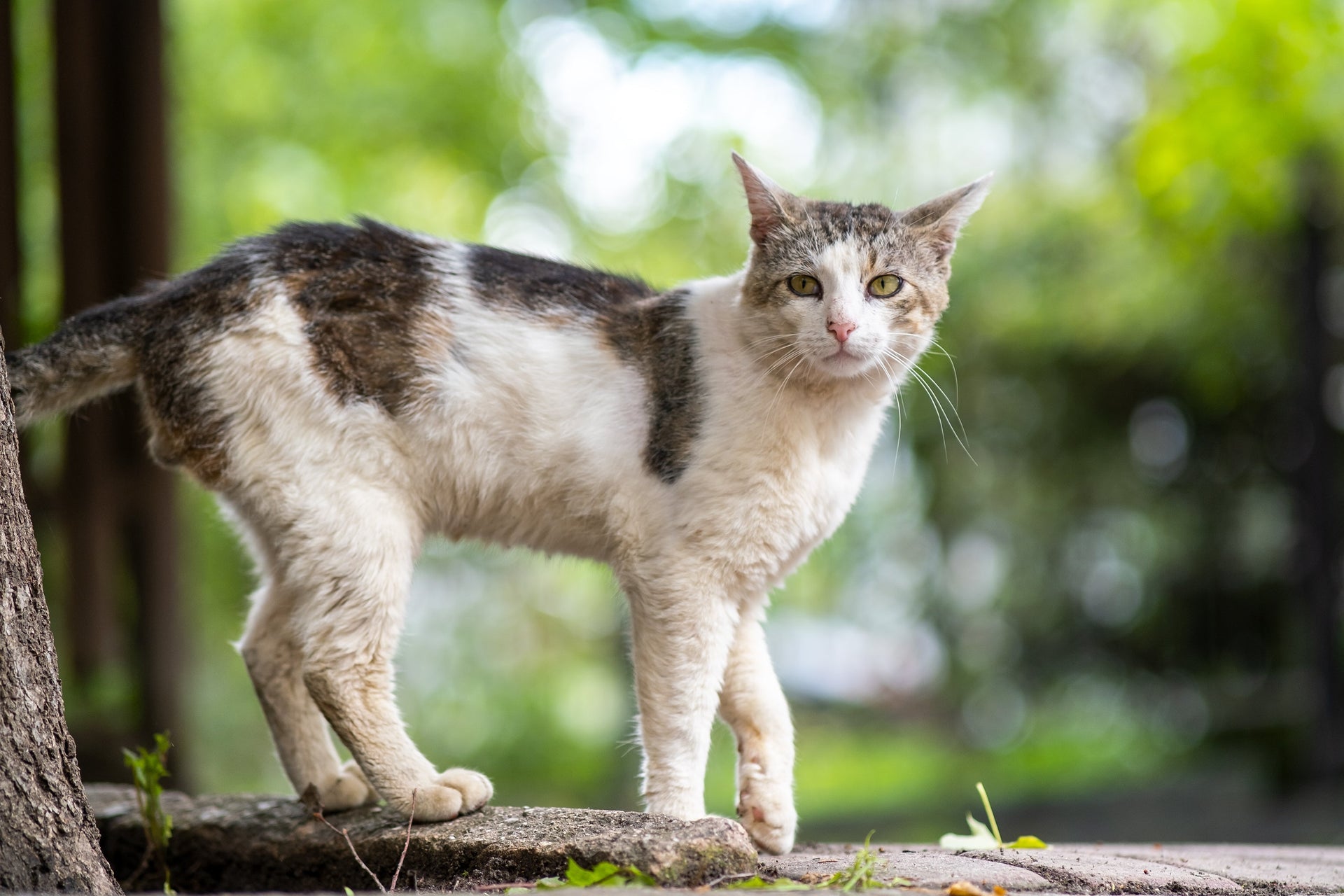
If your cat has hyperthyroidism, you know how challenging it can be to keep them comfortable and healthy. You might notice changes in their behavior, appetite, or coat that leave you worried.
The good news is, with the right care and grooming, you can make a big difference in your cat’s quality of life. You’ll discover simple, effective ways to support your feline friend through hyperthyroidism and keep their coat shiny and healthy.
Keep reading—you’ll find tips that are easy to follow and truly helpful for both you and your cat.
Credit: www.allivet.com
Signs Of Hyperthyroidism In Cats
Recognizing the signs of hyperthyroidism in your cat is crucial for early intervention and care. This common condition affects many older cats and can cause significant changes in their health and behavior. Paying close attention to subtle shifts can help you support your furry friend better and seek timely veterinary advice.
Behavioral Changes
You might notice your cat acting restless or more anxious than usual. Hyperthyroidism often causes increased irritability and sometimes excessive vocalization, especially at night. Has your usually calm cat suddenly become hyperactive or aggressive? These shifts can be your first clue.
Another common behavior is increased appetite despite weight loss. Your cat may seem constantly hungry but still lose weight rapidly. This contradiction can feel confusing, but it’s a hallmark sign of thyroid issues.
Physical Symptoms
Weight loss is one of the most visible signs. Even if your cat eats normally or more than usual, a steady drop in weight should raise concern. You might also see a poor coat condition—fur becomes dull, greasy, or matted, making grooming a challenge.
In addition, your cat may develop a rapid heartbeat or have difficulty breathing. These symptoms require urgent veterinary attention. Swelling around the neck or a noticeable enlargement of the thyroid gland can sometimes be felt, though not always.
Common Health Issues
Hyperthyroidism can lead to secondary health problems such as high blood pressure and kidney disease. Watch for signs like sudden blindness or increased thirst and urination. These complications can impact your cat’s quality of life and need prompt management.
Has your cat experienced vomiting or diarrhea lately? These issues can accompany hyperthyroidism and further affect their wellbeing. Monitoring these symptoms and sharing them with your vet will help tailor the best treatment plan.
Treatment Options For Hyperthyroidism
Helping your cat manage hyperthyroidism can feel overwhelming at first, but understanding the treatment options can make a big difference. Each option has its own benefits and challenges, so choosing the right one depends on your cat’s specific needs and your lifestyle. Let’s break down the main ways to treat hyperthyroidism so you can make informed decisions for your furry friend’s health.
Medications And Dosage
Medications are often the first line of treatment for cats with hyperthyroidism. The most common drugs work by blocking the production of thyroid hormones, which helps control symptoms like weight loss and hyperactivity.
These medications usually come in pill form or as a liquid, and your vet will guide you on the correct dosage. It’s important to give the medicine consistently every day and watch for side effects like vomiting or lethargy. Have you noticed how some cats can be picky about pills? You might need to get creative to ensure your cat takes their meds without stress.
Dietary Adjustments
Special diets designed to limit iodine can also help manage hyperthyroidism, since iodine is essential for thyroid hormone production. Feeding your cat a prescription diet low in iodine can reduce hormone levels naturally.
This option works best if your cat eats only the special food and no other treats or table scraps. It’s a less invasive approach but requires strict commitment to the diet. Could you stick to one type of food for your cat’s entire treatment?
Surgical And Radioactive Therapy
If medication and diet don’t work or aren’t suitable, surgery or radioactive iodine therapy might be necessary. Surgery involves removing the overactive thyroid gland and can offer a permanent fix, but it carries risks like any operation.
Radioactive iodine therapy is a more modern approach where radioactive material targets and destroys the diseased thyroid tissue without surgery. This treatment is highly effective and usually requires only a single dose, but it may not be available everywhere and can be costly.
These treatments require careful consideration and consultation with your vet to weigh benefits against risks. Would you be comfortable with surgery or radiation if it meant a potential cure?
Daily Care For Cats With Hyperthyroidism
Daily care is essential for cats with hyperthyroidism to keep them comfortable and healthy. This condition can cause noticeable changes in behavior and health, so your attention to their needs makes a big difference. With consistent care, you can help your cat manage symptoms and maintain a better quality of life.
Monitoring Symptoms
Keep a close eye on your cat’s behavior and physical changes. Watch for increased appetite, weight loss, restlessness, or vomiting, as these can signal shifts in their condition. Tracking these signs daily helps you catch any worsening or new symptoms early.
Try keeping a simple journal or using a notes app to record what you notice. Have you spotted changes in your cat’s energy or bathroom habits that seem unusual? This small habit can be a lifesaver during vet visits.
Managing Medication
Your cat’s medication routine is vital to control hyperthyroidism. Administer pills consistently at the same time each day to maintain steady hormone levels. If your cat resists, try hiding pills in tasty treats or soft food to make it easier.
Don’t hesitate to ask your vet about alternatives if giving pills becomes a struggle. Have you discovered any tricks that make medication time less stressful for your cat? Sharing these tips with other cat owners can be incredibly helpful.
Regular Vet Visits
Frequent check-ups allow your vet to adjust treatment based on your cat’s progress. These visits often include blood tests to monitor thyroid hormone levels and overall health. Staying on top of vet appointments helps prevent complications before they become serious.
Mark your calendar with upcoming visits and prepare questions about your cat’s behavior or medication effects. How confident do you feel discussing your cat’s condition with the vet? Being proactive can improve your cat’s care tremendously.
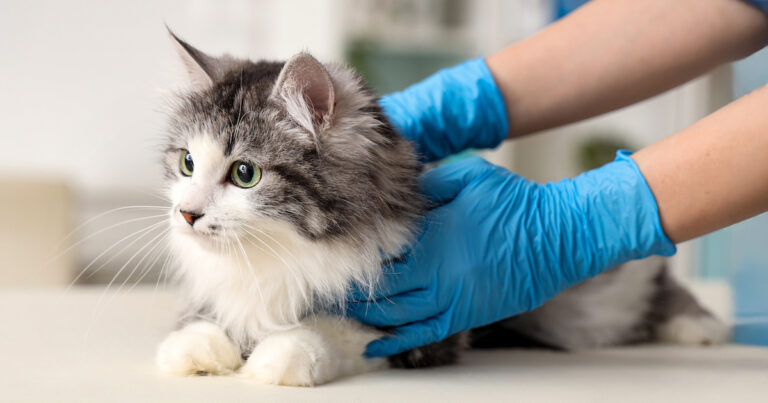
Credit: www.diamondpet.com
Grooming Challenges In Hyperthyroid Cats
Grooming cats with hyperthyroidism can become a real test of patience and care. The condition often causes changes in their coat and skin that make regular grooming more challenging. You might notice your cat becoming less tolerant of touch, especially around sensitive spots, which can complicate your efforts to keep them clean and comfortable.
Changes In Coat Condition
Hyperthyroidism often leads to a thinner, duller coat that feels rough or greasy. Your cat’s fur might shed more than usual or lose its usual shine. These changes make it harder to spot skin problems early, so regular grooming sessions become even more important.
Have you noticed your cat’s fur looking patchy or matted? This could be a sign that their coat needs extra attention and gentle care during grooming.
Handling Sensitive Areas
Cats with hyperthyroidism may develop tender spots or irritated skin, especially around the neck and belly. You’ll need to be very gentle and patient when grooming these areas to avoid causing discomfort or stress.
Using soft brushes and slow, calm strokes can help your cat feel more at ease. If your cat resists, try shorter grooming sessions more frequently instead of long, stressful ones.
Preventing Matting And Skin Issues
Since hyperthyroid cats may groom themselves less effectively, mats and skin problems can develop quickly. Regular brushing helps prevent painful mats and reduces the risk of infections or sores.
- Check your cat’s coat daily for any knots or signs of irritation.
- Use detangling sprays made for cats to ease out mats gently.
- Keep grooming tools clean to prevent skin infections.
Have you thought about scheduling professional grooming help if mats become too difficult to handle? Sometimes, a skilled groomer can make a big difference in your cat’s comfort and health.
Effective Grooming Techniques
Cats with hyperthyroidism often need extra care, including effective grooming techniques. Proper grooming helps maintain their coat and overall health. It also strengthens your bond with your feline friend. Below are some helpful grooming practices to keep your cat comfortable and healthy.
Brushing Tips And Tools
Regular brushing removes loose hair and prevents matting. Use a soft-bristle brush for gentle care. A slicker brush works well for long-haired cats. Brushing should be a calming experience. Start with short sessions and reward your cat with treats. This positive reinforcement helps them enjoy grooming.
Bathing Guidelines
Bathing a cat with hyperthyroidism needs special care. Use a mild, hypoallergenic shampoo. Fill the tub with a few inches of lukewarm water. Gently wet your cat, avoiding the face and ears. Apply shampoo and rinse thoroughly. Dry your cat with a towel or low-heat dryer. Ensure they are warm and comfortable after the bath.
Nail And Ear Care
Regular nail trimming prevents overgrowth and injury. Use cat-specific nail clippers for safety. Trim a small part of the nail to avoid cutting the quick. Clean your cat’s ears with a vet-recommended solution. Use a cotton ball to wipe away dirt and wax. Be gentle to avoid hurting your cat’s ears.
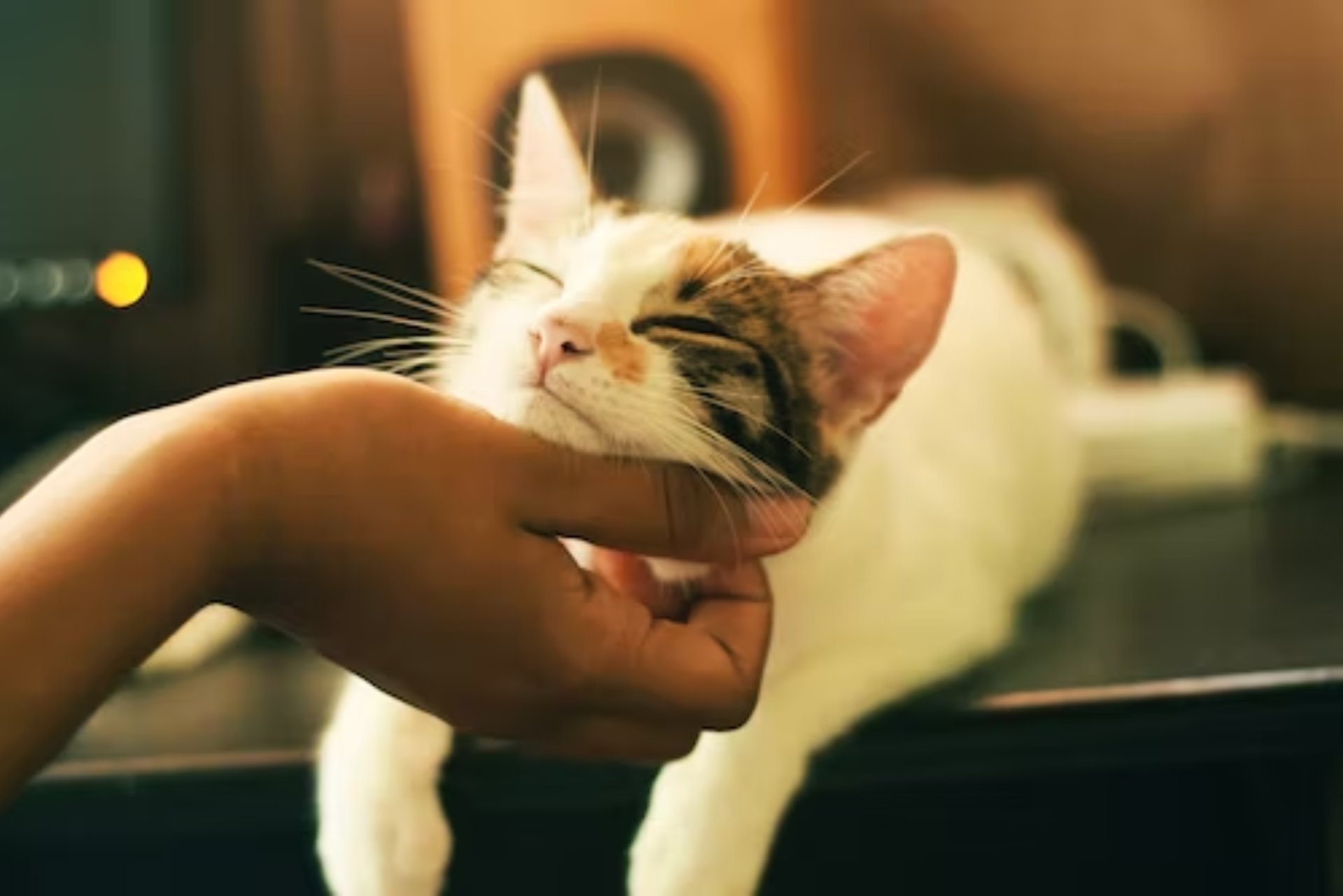
Credit: pethelpful.com
Creating A Comfortable Environment
Creating a comfortable environment for a cat with hyperthyroidism is essential for their well-being and recovery. Hyperthyroidism can make cats restless and anxious, so helping them feel safe and calm is a top priority. Small changes in your home and daily routine can make a big difference in their comfort and health.
Stress Reduction Strategies
Stress can worsen your cat’s symptoms and slow down healing. You can reduce stress by keeping a consistent daily routine, including feeding times and play sessions. Avoid loud noises and sudden changes in the environment, as these can scare a sensitive cat.
Using calming tools like pheromone diffusers or gentle music can create a soothing atmosphere. Have you noticed how your cat reacts to quiet background sounds? Sometimes simple changes like these can help your cat relax and feel more secure.
Safe Spaces For Rest
Your cat needs a quiet, cozy spot to rest and recover. Choose a place away from household traffic, loud appliances, and other pets. Soft bedding, such as a plush blanket or a small cat bed, helps them feel comfortable and cared for.
Consider adding hiding spots like covered beds or boxes where your cat can retreat when feeling overwhelmed. Cats often seek solitude when unwell, so providing these safe spaces encourages restful sleep and reduces anxiety.
Hydration And Nutrition
Proper hydration and nutrition support your cat’s energy and overall health. Keep fresh water available at all times and consider adding wet food to their diet, which helps increase fluid intake. Hyperthyroid cats may eat more but still lose weight, so offering nutrient-rich meals tailored to their condition is vital.
Monitor your cat’s eating and drinking habits closely. If you see changes, consult your vet promptly. Have you tried warming wet food slightly to make it more appealing? Small efforts like this can encourage better eating habits and hydration.
Frequently Asked Questions
What Are Common Signs Of Hyperthyroidism In Cats?
Hyperthyroid cats often show weight loss, increased appetite, and restlessness. They may also groom excessively or have a poor coat. Early detection improves treatment success and quality of life.
How Can I Manage My Cat’s Hyperthyroidism At Home?
Provide a balanced diet, regular vet check-ups, and medication as prescribed. Keep your cat calm and monitor weight and symptoms closely for adjustments.
Why Is Grooming Important For Hyperthyroid Cats?
Grooming helps remove loose fur and prevents matting. It also promotes skin health and reduces stress in cats with hyperthyroidism.
What Grooming Tools Are Best For Cats With Hyperthyroidism?
Use soft brushes and grooming gloves to gently remove loose fur. Avoid harsh combs that may irritate sensitive skin.
Conclusion
Helping cats with hyperthyroidism and grooming takes patience and care. Keep their fur clean and free of mats. Monitor their health and watch for any changes. Regular vet visits are important to manage their condition. Gentle brushing can make your cat feel calm and loved.
A balanced diet supports their overall well-being. Small steps make a big difference in their comfort. Stay attentive and kind to help your cat live well. Caring for them shows your love every day.




Leave a Reply