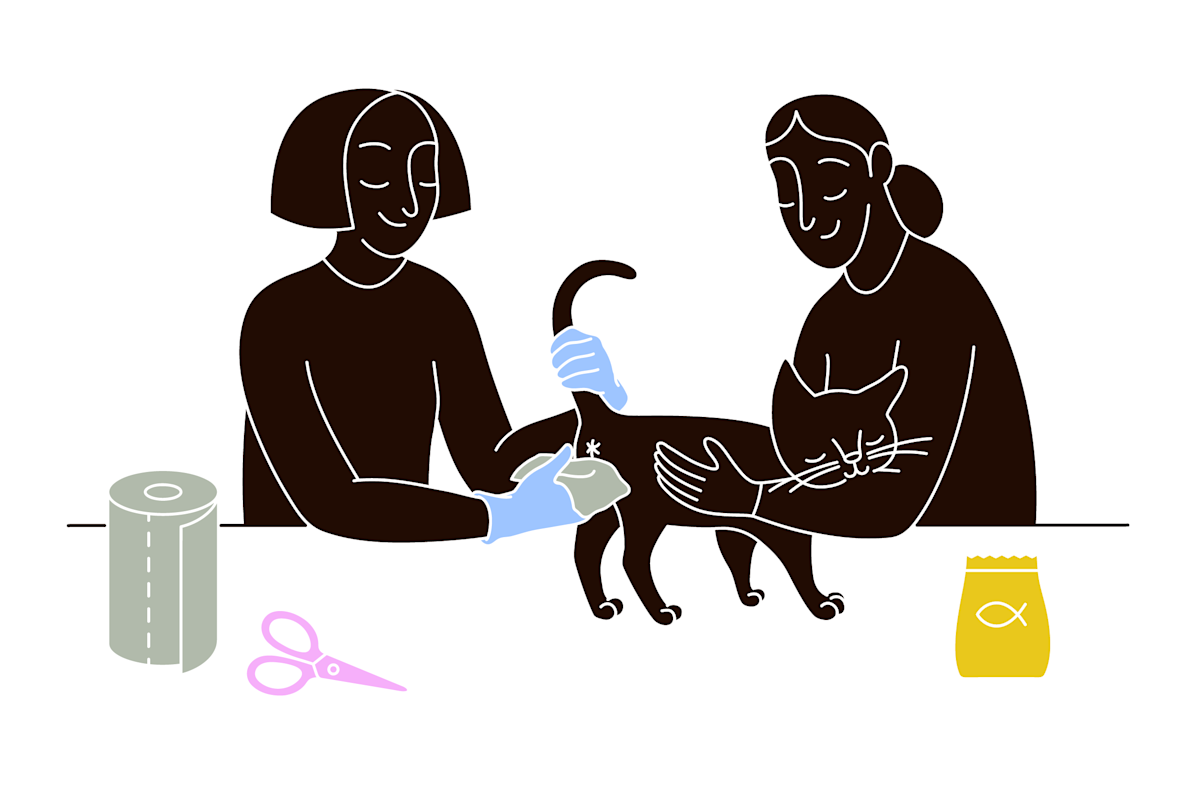
If you’ve ever noticed your cat struggling to clean those hard-to-reach spots, you’re not alone. Helping your cat groom his butt properly is more important than you might think.
It keeps him comfortable, prevents infections, and shows you truly care about his well-being. You’ll discover simple, effective ways to assist your furry friend with this delicate task. Keep reading to learn how to make grooming easier for both you and your cat.
Credit: www.kinship.com
Signs Your Cat Needs Help
Cats usually groom themselves well, including their rear area. Sometimes, they struggle or avoid cleaning their butt. This can cause discomfort or hygiene issues. Recognizing signs your cat needs help is important for their health. Watch closely for changes in behavior or physical symptoms.
Behavioral Clues
- Your cat spends more time licking or biting the rear.
- They seem restless or uncomfortable when sitting.
- Excessive scooting or dragging of the bottom on the floor.
- Sudden avoidance of grooming or hiding more than usual.
- Increased scratching around the tail or hind legs.
Physical Indicators
- Dirty, matted, or clumped fur around the anus.
- Redness, swelling, or irritation near the rear end.
- Presence of feces stuck to the fur.
- Unpleasant or strong odor from the back area.
- Visible signs of parasites like fleas or ticks near the tail.
Reasons Cats Struggle With Grooming
Cats usually groom themselves well. But some cats struggle to clean their rear area. Several reasons make grooming difficult for cats. Understanding these reasons helps owners provide better care. Grooming problems often link to age and health. Both affect a cat’s ability to reach and clean its body. Here are common causes why cats have trouble grooming their butt.
Age And Mobility Issues
Older cats often face mobility problems. Arthritis can make bending and twisting painful. This limits their reach to the back area. Stiff joints reduce flexibility and grooming ability. Older cats may also have muscle weakness. This reduces their balance and control. Grooming becomes harder and less frequent. Age-related decline in grooming can lead to dirt and matting. Cats with limited mobility need extra help from owners.
Health Problems
Several health issues affect grooming habits. Skin infections or wounds near the butt cause discomfort. Cats avoid licking sore spots. Parasites like fleas or ticks irritate the skin. This leads to excessive scratching and damage. Digestive problems can cause diarrhea or poor hygiene. Cats with obesity struggle to reach their rear. Dental pain may reduce grooming overall. Identifying health problems early helps restore normal grooming. Veterinary care often improves a cat’s cleanliness and comfort.
Safe Cleaning Techniques
Helping your cat stay clean, especially in sensitive areas like their rear, requires a gentle touch and safe techniques. Proper cleaning not only keeps your cat comfortable but also prevents infections and irritation. Here’s how you can assist your feline friend without causing stress or harm.
Using Gentle Wipes
Gentle wipes designed specifically for pets can be a lifesaver. Look for wipes that are fragrance-free, alcohol-free, and hypoallergenic to avoid irritating your cat’s delicate skin.
Before using a wipe, test a small area to check for any reaction. Wipe softly, moving in one direction to avoid spreading bacteria. Keep a few wipes handy during playtime or after meals to quickly clean up any messes.
Have you ever noticed your cat avoiding grooming? Using gentle wipes can be a quick fix that your cat might even appreciate, especially if they dislike water.
Bathing Tips
Bathing your cat might sound daunting, but it can be done safely with the right approach. Use lukewarm water and a mild shampoo formulated for cats to protect their skin’s natural oils.
Keep the bath short and calm your cat with soothing words and slow movements. Focus on the rear area gently, avoiding harsh scrubbing, which can cause discomfort or injury.
Make sure to rinse thoroughly to remove all shampoo residue, then dry your cat with a soft towel. Have you prepared a cozy spot for your cat to relax after the bath? This can turn the experience into a positive one for both of you.
Tools To Make Grooming Easier
Helping your cat groom his butt can be a delicate task, but the right tools make it much easier for both of you. Using specialized grooming aids reduces stress and improves hygiene without causing discomfort. Let’s look at some practical tools that can simplify this essential part of your cat’s care routine.
Grooming Gloves And Brushes
Grooming gloves are soft, flexible, and perfect for gently removing dirt and loose fur around your cat’s rear area. The textured surface lets you massage your cat while cleaning, making the experience more pleasant for them.
Brushes designed for sensitive areas often have fine, soft bristles that won’t irritate your cat’s skin. Using these tools regularly can prevent matting and keep your cat feeling fresh.
Have you noticed how your cat relaxes when you use a grooming glove? That calming effect can turn a tricky grooming session into bonding time.
Special Grooming Wipes
Special grooming wipes are a quick and convenient way to clean your cat’s butt without the fuss of water or a full bath. These wipes are formulated to be gentle on sensitive skin and safe if your cat licks the area afterward.
Keep a pack handy for those moments when your cat’s fur gets dirty after using the litter box. They’re also great for spot cleaning in between regular grooming sessions.
Do you carry wipes during travel or vet visits? They can keep your cat comfortable and clean no matter where you are.
Diet And Hydration Impact
Proper diet and plenty of water help keep a cat’s skin and fur healthy. Balanced nutrition supports easier grooming and prevents dryness around the hind area. Hydration also helps soften fur, making cleaning more comfortable for your cat.
Caring for your cat’s grooming needs is essential, and understanding how diet and hydration impact this process can make a significant difference. Just like humans, cats require a balanced diet and adequate hydration to maintain their overall health, which directly influences their ability to groom themselves effectively. A cat’s diet can affect their digestion, while proper hydration ensures their skin and fur remain healthy.Fiber For Better Digestion
Including fiber in your cat’s diet is crucial for promoting healthy digestion. Fiber helps regulate bowel movements, making it easier for your cat to pass waste comfortably. A well-functioning digestive system reduces the risk of messy situations around the rear, meaning less frequent grooming issues. Consider adding fiber-rich foods like pumpkin or specially formulated cat food with added fiber. You might notice a difference in your cat’s grooming habits within weeks. Have you checked your cat’s food label lately to ensure it’s meeting their digestive needs?Water Intake Importance
Hydration is not just about quenching thirst; it plays a vital role in your cat’s grooming health. Proper water intake ensures your cat’s skin remains supple and their fur shiny and healthy. Dehydration can lead to dry skin, making grooming uncomfortable and less effective. Ensure your cat has constant access to fresh water. Some cats are attracted to running water, so a pet fountain might encourage them to drink more. How often does your cat drink water? Monitoring their intake can provide insights into their hydration levels. Remember, a healthy cat is a happy cat. Paying attention to their diet and water intake can significantly impact their grooming habits and overall well-being. By making small changes, you can help your feline friend maintain a clean and comfortable rear.
Credit: www.kinship.com
When To Visit The Vet
Knowing when to take your cat to the vet for grooming issues is crucial. Sometimes, a lack of proper cleaning can signal deeper health problems. Paying attention to your cat’s behavior and physical signs can save them from discomfort and potential infections.
Signs Of Infection
If your cat’s butt area looks red, swollen, or has an unusual odor, these could be signs of an infection. You might also notice your cat licking or biting the area more than usual. In some cases, discharge or pus may be present, which definitely requires veterinary attention.
Watch out for changes in your cat’s behavior, like increased irritability or hiding. These can indicate pain or discomfort related to the infection. Don’t wait for the symptoms to worsen—early treatment is often simpler and more effective.
Chronic Grooming Issues
Some cats struggle with grooming their rear end regularly, especially older or overweight cats. If you find yourself cleaning your cat’s butt frequently, it might mean they have chronic grooming difficulties. This can be caused by arthritis, obesity, or dental problems that make grooming painful or difficult.
Ask yourself: Is your cat avoiding grooming altogether? Are there repeated matting or soiling problems? Discuss these issues with your vet to uncover underlying health conditions and get advice on how to help your cat manage better.

Credit: nationalcatgroomers.com
Frequently Asked Questions
How Can I Help My Cat Groom His Butt Safely?
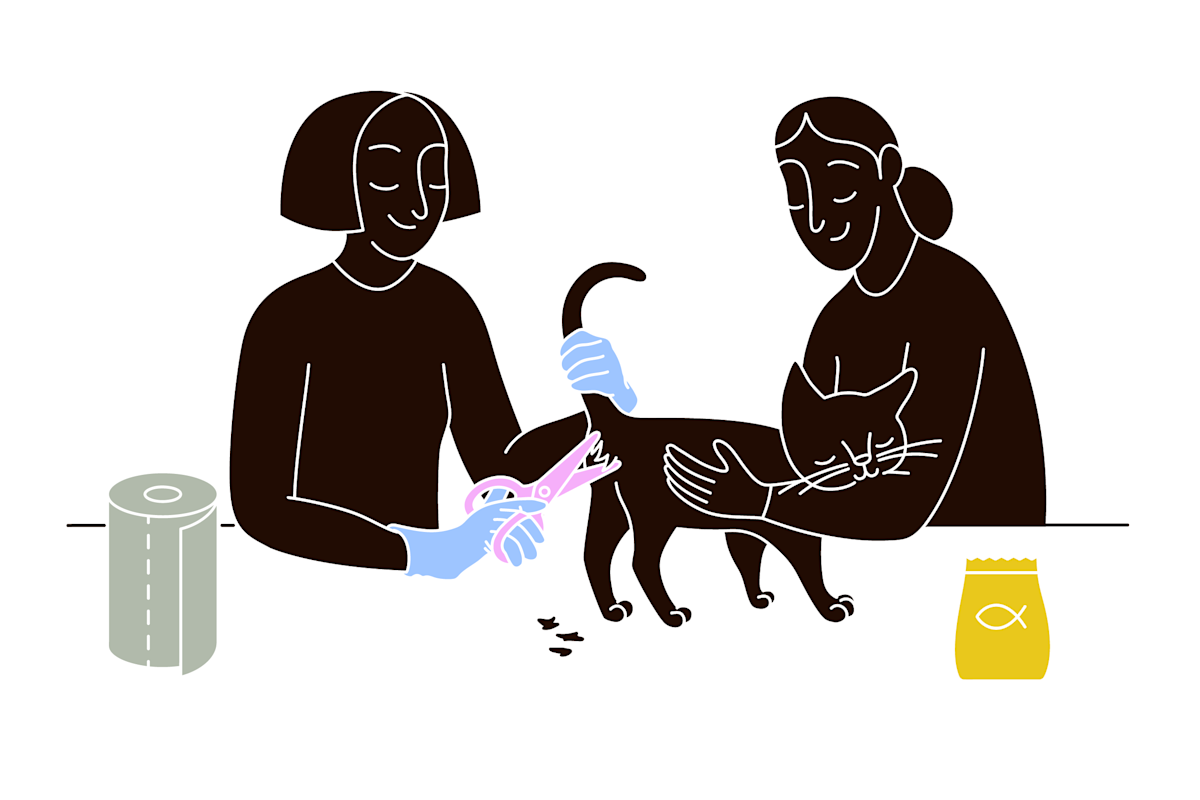
Use a damp cloth or pet-safe wipes to clean gently. Avoid harsh chemicals. Trim excess fur if needed. Always be calm and patient to keep your cat comfortable during grooming.
Why Does My Cat Struggle To Groom His Rear?
Cats may struggle due to obesity, arthritis, or dental problems. Older cats often find it hard to reach their rear. A vet check can rule out health issues affecting grooming.
When Should I Seek Vet Help For Grooming Issues?
If your cat shows redness, swelling, or a foul smell, see a vet. Persistent diarrhea or hair loss around the rear also need professional attention.
What Tools Help In Grooming A Cat’s Butt?
Use grooming scissors, pet wipes, and a soft brush. These tools help remove dirt and mats safely. Avoid sharp or rough tools that may hurt your cat.
Conclusion
Helping a cat groom his butt keeps him clean and healthy. Regular brushing removes dirt and loose fur easily. Use gentle wipes for hard-to-reach areas to avoid irritation. Watch for signs of discomfort or infection to act quickly. A clean cat feels happier and more comfortable every day.
Small efforts make a big difference in your cat’s hygiene. Keep grooming simple and consistent for best results. Your cat will thank you with a calm, happy purr.




Leave a Reply