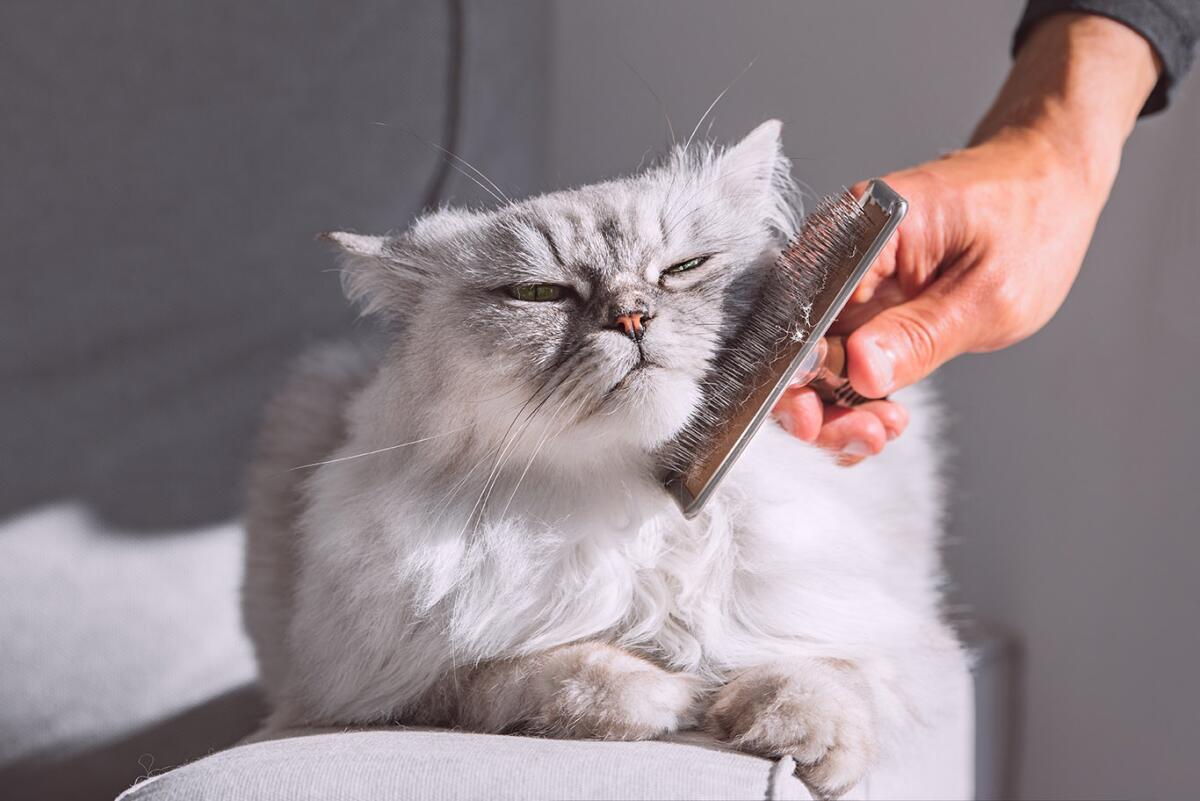
Grooming your cat isn’t just about keeping them looking good—it’s key to their health and happiness. If you want your furry friend to feel comfortable, avoid hairballs, and shine with a healthy coat, knowing how to groom your cat properly is essential.
You might think it’s tricky or time-consuming, but with the right tips, it can become a simple and even enjoyable part of your routine. Keep reading to discover easy steps that will make grooming your cat stress-free for both of you.

Credit: www.latimes.com
Choosing The Right Grooming Tools
Choosing the right grooming tools is key to caring for your cat’s coat and health. The proper tools make grooming easier and more comfortable for your cat. Use tools designed specifically for cats to avoid harming their skin or fur. Quality tools also help reduce shedding and prevent mats and tangles. Focus on gentle, effective grooming instruments that suit your cat’s coat type and personality.
Brushes And Combs
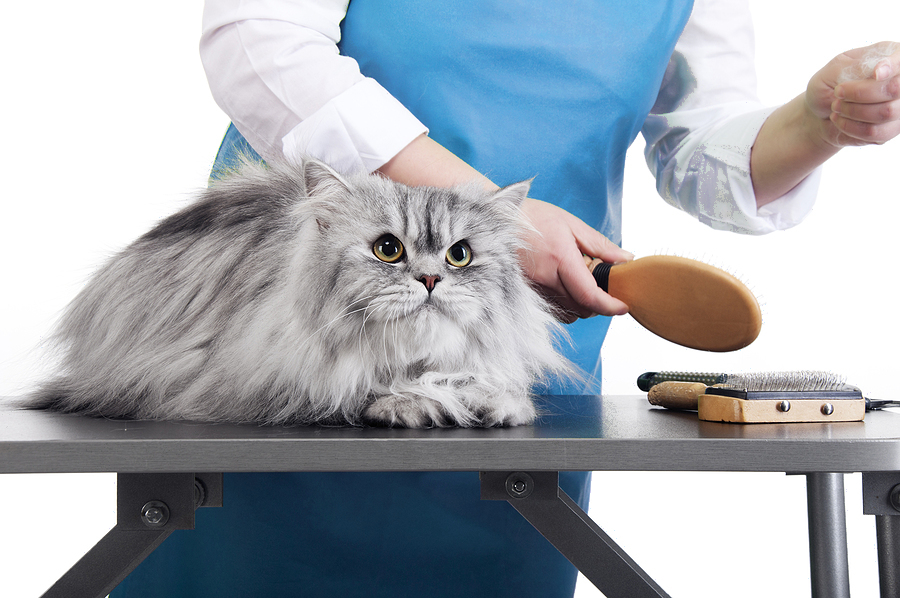
Brushes and combs remove loose hair and dirt from your cat’s coat. They help spread natural oils, keeping fur shiny and healthy. Soft-bristle brushes work well for short-haired cats. Long-haired cats need wide-toothed combs or slicker brushes to detangle knots gently. Choose tools with smooth edges to avoid scratching your cat’s skin. Regular brushing reduces hairballs and keeps your cat comfortable.
Nail Clippers
Nail clippers made for cats prevent overgrown claws and reduce damage to furniture. Use small, sharp clippers with a safety guard to avoid cutting too deep. A nail grinder is an alternative that smooths claws without cutting. Trim nails every few weeks to maintain comfort. Hold your cat’s paw gently and clip only the sharp tip to avoid hurting the quick.
Shampoos And Conditioners
Choose shampoos and conditioners made for cats to protect their sensitive skin. Avoid human products; they can cause irritation. Look for gentle, hypoallergenic formulas free from harsh chemicals. Some shampoos help with fleas or skin conditions, but use these only if recommended by a vet. Conditioners soften fur and make brushing easier, especially for long-haired cats. Bathing should be occasional, just enough to keep your cat clean.
Brushing Techniques For Different Fur Types
Brushing your cat’s fur isn’t a one-size-fits-all task. Different fur types need different brushing techniques to keep your feline friend comfortable and looking their best. Understanding these differences can make grooming easier for both you and your cat, and help prevent skin problems or discomfort.
Short-haired Cats
Short-haired cats usually require less frequent brushing, but that doesn’t mean they don’t benefit from it. Use a soft-bristle brush or a rubber grooming glove to gently remove loose hair and dirt.
Brush in the direction of hair growth with light, quick strokes. This encourages natural oil distribution and keeps their coat shiny.
Try brushing your cat once or twice a week. You might notice your cat enjoys the gentle massage, making grooming a bonding moment.
Long-haired Cats
Long-haired cats need more attention to prevent tangles and mats. Use a wide-toothed comb first to detangle, followed by a slicker brush to smooth the coat.
Brush slowly and carefully to avoid pulling their hair, which can cause discomfort. Pay special attention to areas behind the ears, under the legs, and around the tail—these spots tend to tangle most.
Daily brushing is ideal for long-haired cats. It not only reduces shedding but also helps you spot skin issues early.
Dealing With Mats And Tangles
Mats can be painful for your cat and tricky to remove. Start by gently loosening the mat with your fingers before using a comb or a mat splitter.
If a mat is too tight, never force it. Instead, trim it carefully with blunt-nosed scissors or seek professional grooming help.
Prevent mats by brushing regularly and checking common problem areas. Do you know where your cat’s mats usually form? Focusing on those spots can save a lot of trouble later.
Bathing Your Cat Safely
Bathing your cat can be a challenging task, but it’s sometimes necessary to keep them clean and healthy. Knowing how to bathe your cat safely helps reduce stress for both of you and prevents any accidents. With the right approach, you can turn bath time into a smoother experience that your cat can tolerate.
When To Bathe Your Cat
Most cats groom themselves well and don’t need regular baths. You should consider bathing your cat if they get into something sticky, dirty, or smelly that they can’t clean off themselves.
Cats with certain skin conditions or long hair might also need occasional baths. If your cat has fleas, your vet might recommend a medicated bath.
Ask yourself: is your cat unusually dirty, oily, or does their fur have a strong odor? If yes, it might be time for a bath.
Step-by-step Bathing Guide
- Prepare everything before you start: cat shampoo, a cup for rinsing, a towel, and a non-slip mat for the sink or tub.
- Use lukewarm water; water that’s too hot or cold will stress your cat.
- Gently wet your cat’s fur, avoiding the face and ears.
- Apply a small amount of cat-specific shampoo and lather carefully.
- Rinse thoroughly to remove all shampoo, as leftover soap can irritate the skin.
- Use a calm voice and gentle strokes throughout to soothe your cat.
Remember, keeping your movements slow and predictable can prevent your cat from panicking. If your cat resists strongly, stop and try again later. Forcing a bath can harm your bond.
Drying Tips
Wrap your cat in a soft, absorbent towel right after the bath. Pat them gently instead of rubbing, as rubbing can tangle their fur or irritate their skin.
If your cat tolerates it, a hairdryer on the lowest heat and noise setting can help speed up drying. Keep the dryer moving and never hold it too close.
Make sure your cat stays in a warm, draft-free room until fully dry. Wet fur can make them cold, so your attention here prevents discomfort and chills.
Trimming Nails Without Stress
Grooming your cat’s nails can be stress-free. Start by gently massaging their paws, making them comfortable. Use cat-friendly nail clippers and trim carefully. Keep sessions short to maintain peace.
Trimming your cat’s nails can be a daunting task. Many cats dislike having their paws touched. But with the right approach, it can be a calm experience. The key is to be gentle and patient. With practice, your cat may even enjoy it.Tools And Preparation
Having the right tools makes a big difference. Use cat-specific nail clippers. They are designed for small, delicate nails. A styptic powder is also essential. It stops bleeding if you cut too short. Prepare a quiet space. Cats are sensitive to noise and distractions. Choose a time when your cat is relaxed. After a meal or play session is ideal.Safe Nail Cutting Methods
Hold your cat’s paw gently. Press the pad to extend the nail. Identify the pink area called the quick. Avoid cutting into the quick. Trim only the sharp tip of the nail. Use a smooth, decisive motion. This reduces stress for your cat. Always check for any splits or tears.Handling Difficult Cats
Some cats resist nail trimming. Wrapping your cat in a towel can help. This technique is known as the “kitty burrito.” It keeps your cat calm and secure. Offer treats and praise during the process. Positive reinforcement encourages cooperation. If your cat becomes too stressed, take a break. Return to it later when both are calm.Cleaning Ears And Eyes
Cleaning your cat’s ears and eyes is a vital part of grooming that often gets overlooked. These areas can harbor dirt, wax, and bacteria, leading to discomfort or infection if ignored. Paying attention to them not only keeps your cat comfortable but also helps you spot health issues early.
Ear Cleaning Tips
Use a vet-approved ear cleaner and a soft cotton ball or pad—never cotton swabs, as they can damage the ear canal. Gently wipe the visible parts of your cat’s ear, avoiding deep insertion. If you notice excessive wax or debris, soak the cotton ball with the cleaner and carefully clean the ear flap and entrance.
Try to make ear cleaning a calm experience by speaking softly and rewarding your cat afterward. This builds trust and makes future cleanings easier. Have you noticed your cat scratching or shaking their head often? That could be a sign that their ears need more attention.
Eye Care Practices
Use a damp, soft cloth or a sterile eye wipe to gently remove any discharge around your cat’s eyes. Always wipe from the inner corner outward to avoid spreading debris. If your cat has tear stains, regular cleaning can prevent staining and irritation.
Keep the fur around the eyes trimmed if it tends to irritate your cat. Watch for excessive tearing or redness, as this might indicate allergies or other problems. How often do you check your cat’s eyes during grooming?
Signs Of Infection
Look out for redness, swelling, foul odor, or thick discharge in your cat’s ears or eyes. If your cat seems to be in pain, shakes their head frequently, or rubs their eyes or ears excessively, these are red flags. Infections can worsen quickly, so consult your vet promptly if you notice any of these signs.
Ignoring early symptoms can lead to more serious issues. Have you ever missed subtle signs that later required a vet visit? Paying close attention during grooming sessions helps catch problems early and keeps your cat healthy.
Maintaining Oral Hygiene
Maintaining your cat’s oral hygiene is key to their overall health. Clean teeth and gums help prevent pain and serious illnesses. Regular care keeps bad breath away and supports strong teeth. Oral hygiene is easy with the right steps.
Brushing Cat’s Teeth
Brushing your cat’s teeth helps remove plaque and bacteria. Use a soft cat toothbrush and special cat toothpaste. Never use human toothpaste; it can harm your cat. Start slowly and be gentle to build trust. Brush in small circles, focusing on the gum line. Aim to brush daily or at least a few times a week.
Dental Treats And Toys
Dental treats and toys support clean teeth by reducing plaque. Chewing helps scrape off food particles and tartar. Choose treats designed for dental health and approved by vets. Toys with ridges or nubs also help massage gums. Offer these regularly to keep your cat’s mouth fresh.
Recognizing Dental Problems
Watch for signs of dental issues to act quickly. Bad breath, drooling, or difficulty eating are red flags. Look for red or swollen gums and loose teeth. Your cat may paw at their mouth or show irritability. Regular vet checks catch problems early and prevent pain.
Creating A Grooming Routine
Creating a grooming routine for your cat is essential for their well-being and comfort. It helps maintain their coat, prevents health issues, and strengthens your bond. Establishing a routine that fits both your schedule and your cat’s personality makes grooming a positive experience for both of you.
Frequency Of Grooming Sessions
How often you groom your cat depends on their breed, coat type, and lifestyle. Long-haired cats may need daily brushing to prevent mats, while short-haired cats usually do well with weekly sessions. Pay attention to your cat’s shedding patterns and adjust the frequency accordingly.
Keep sessions short at first—around 5 to 10 minutes—to avoid overwhelming your cat. You can gradually increase the time as they get more comfortable. Are you noticing certain times your cat is more relaxed? Try scheduling grooming during those moments.
Making Grooming Enjoyable
Your cat’s attitude toward grooming changes everything. Use gentle strokes and speak softly to keep your cat calm. Adding treats or their favorite toy after grooming turns the experience into a rewarding activity.
Try different brushes to find one your cat prefers—some cats like soft bristle brushes, others prefer rubber grooming gloves. Watch your cat’s body language closely; if they seem stressed, take a break and resume later. How can you make grooming feel like a game instead of a chore?
Monitoring Cat’s Health
Grooming is a perfect time to check your cat’s overall health. Look for signs like dry skin, lumps, bumps, or unusual odors. Pay close attention to their ears and eyes for any discharge or redness.
Regular grooming also helps you spot parasites like fleas early on. If you notice anything unusual, don’t hesitate to consult your vet. Could your grooming routine double as a health checkup that saves your cat from future discomfort?

Credit: www.latimes.com
When To Visit A Professional Groomer
Knowing when to visit a professional groomer can make a big difference in your cat’s health and happiness. Sometimes, grooming at home isn’t enough, especially if your cat has special needs or you face challenges you can’t handle alone. Recognizing these moments helps you provide the best care for your furry friend.
Recognizing Grooming Challenges
Has your cat developed mats that you just can’t comb out? Are they showing signs of skin irritation or unusual hair loss? Some cats resist grooming so much that it becomes stressful for both of you.
These are clear signs you need professional help. Older cats or those with arthritis might struggle to clean themselves properly. Also, long-haired breeds often require more frequent and skilled grooming than what you can manage at home.
Benefits Of Professional Care
Professional groomers have tools and techniques that make grooming safer and more effective. They can spot early signs of health issues like skin infections or parasites that might go unnoticed at home.
Experienced groomers also reduce the stress your cat feels during grooming. Many have gentle handling skills and create a calm environment, which can turn grooming from a battle into a more pleasant experience for your cat.
Choosing The Right Groomer
Not all groomers are the same. Look for someone who specializes in cats and has good reviews from other cat owners. Ask about their experience with your cat’s breed and temperament.
Visit the salon beforehand to check cleanliness and how staff interact with animals. Don’t hesitate to ask about their grooming methods and how they handle difficult cats. Your cat’s comfort and safety should always come first.
Credit: tipptotail.com
Frequently Asked Questions
How Often Should I Groom My Cat?
Groom your cat at least once a week to remove loose hair and prevent mats. Long-haired cats need daily grooming. Regular brushing reduces shedding and hairballs, keeping your cat comfortable and clean.
What Tools Are Best For Grooming Cats?
Use a soft-bristle brush for short hair and a wide-toothed comb for long hair. Nail clippers, flea combs, and grooming wipes also help maintain your cat’s hygiene and comfort during grooming sessions.
Can Grooming Prevent Cat Hairballs?
Yes, regular grooming reduces loose hair your cat ingests, lowering hairball formation. Brushing removes excess fur, helping keep your cat’s digestive system clear and improving overall health.
How Do I Safely Bathe My Cat?
Use lukewarm water and cat-specific shampoo. Avoid water in their ears and eyes. Gently lather and rinse thoroughly. Dry your cat with a towel and keep them warm until fully dry.
Conclusion
Grooming your cat helps keep them healthy and happy. Regular brushing removes loose fur and prevents mats. It also lets you check for skin problems or fleas. Cats often enjoy gentle grooming as a bonding time. Use the right tools for your cat’s coat type.
Stay calm and patient during each session. A clean, well-groomed cat feels more comfortable every day. Small efforts make a big difference in your cat’s life. Start grooming routines early for the best results. Your cat will thank you with purrs and love.


Leave a Reply