Grooming your cat might seem like a simple task, but it’s more important than you think. When you take the time to groom your furry friend, you’re not just keeping them clean—you’re boosting their health and happiness too.
Imagine your cat’s coat shining, their skin feeling smooth, and the bond between you growing stronger with every brush stroke. Ready to discover easy steps that make grooming stress-free for both you and your cat? Keep reading to learn how to turn grooming into a calm and enjoyable experience for your beloved pet.
Choosing The Right Grooming Tools
Choosing the right grooming tools makes a big difference in how your cat experiences grooming. The right tools help keep your cat comfortable and make the process easier for you. Understanding the specific needs of your cat’s fur, nails, and skin is key to selecting the best products.
Brushes And Combs For Different Fur Types
Your cat’s fur type determines which brush or comb will work best. Short-haired cats usually do well with a soft-bristle brush or rubber grooming mitt that removes loose hair gently.
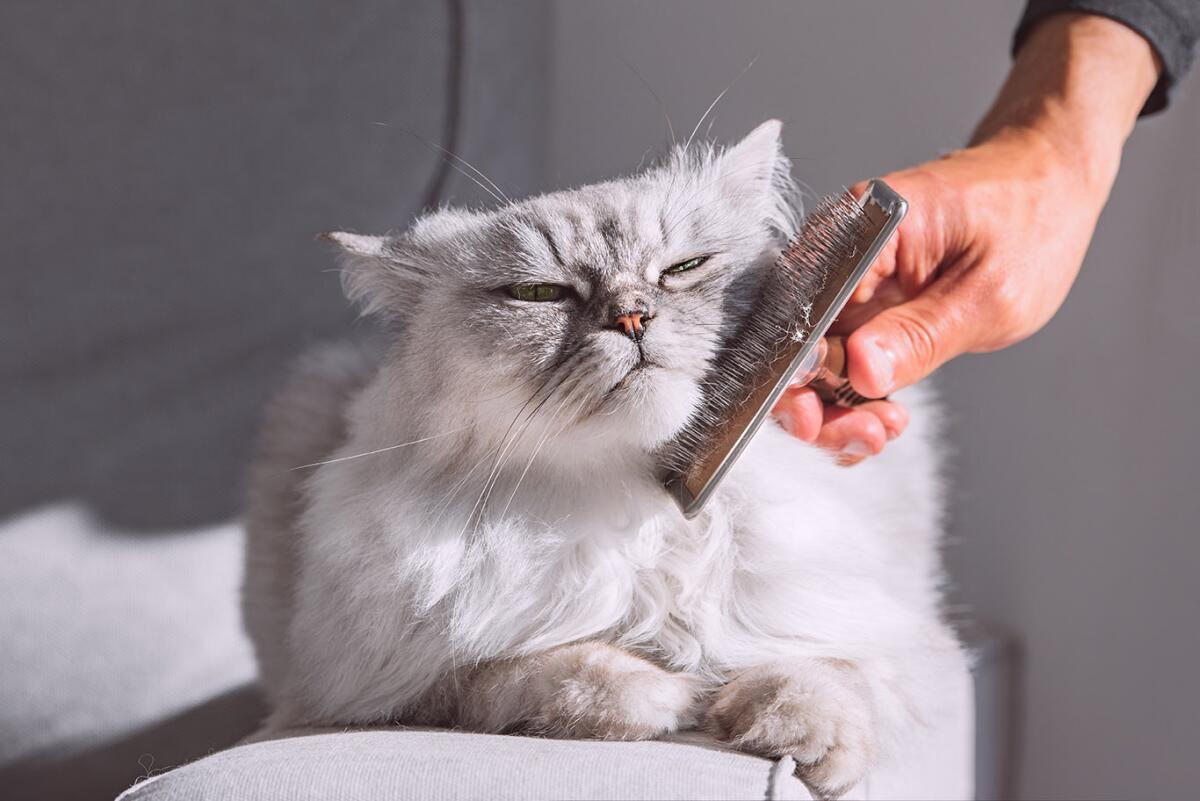
Long-haired cats need a wide-toothed comb or a slicker brush to untangle mats without hurting their skin. Cats with dense undercoats benefit from a de-shedding tool that reaches the thick fur below the surface.
Have you noticed your cat’s fur matting or shedding excessively? Choosing the right brush can reduce these issues and keep their coat shiny and healthy.
Nail Clippers And Trimmers
Regular nail trimming prevents your cat from scratching furniture and reduces the risk of injury. Use clippers designed specifically for cats—they have a small, curved blade that fits your cat’s nails perfectly.
Scissor-style clippers offer more control, while guillotine clippers are easier for beginners. If your cat is nervous, try trimming just a few nails at a time and reward them afterward.
Ever struggled with cutting nails without hurting your cat? Choosing the right clippers and technique can make a big difference in your cat’s comfort and your confidence.
Shampoos And Conditioners Safe For Cats
Not all shampoos are safe for cats; many contain harsh chemicals that can irritate their skin. Look for products labeled specifically for cats or recommended by veterinarians.
Hypoallergenic and fragrance-free shampoos suit cats with sensitive skin. Conditioners can help maintain softness and reduce tangles, especially in long-haired cats.
Have you checked the ingredients of your cat’s shampoo lately? Using the right products protects their skin and fur while making grooming a more pleasant experience for both of you.
Preparing Your Cat For Grooming
Preparing your cat for grooming helps make the experience smooth and stress-free. Cats can be sensitive to touch and new activities. Proper preparation builds trust and eases anxiety. It also helps your cat stay relaxed during grooming. Start by creating a calm space and gently getting your cat used to being handled. Choose the right time to groom for the best results.
Creating A Calm Environment
Find a quiet room with few distractions. Use soft lighting and keep noise low. Remove other pets to avoid interruptions. A calm setting helps your cat feel safe and relaxed. Keep grooming tools close but out of sight at first. This prevents your cat from feeling threatened.
Getting Your Cat Comfortable With Handling
Touch your cat gently every day. Focus on paws, ears, and tail areas. Use slow, soft strokes to build trust. Stop if your cat shows signs of stress. Reward your cat with treats or praise. This makes handling a positive experience. Gradually introduce grooming tools, like brushes, without pressure.
Timing Grooming Sessions For Success
Choose a time when your cat is calm or sleepy. Avoid grooming after meals or during playtime. Short sessions work better than long ones. Start with just a few minutes and increase slowly. Watch your cat’s mood and stop if they become restless. Regular, short grooming helps your cat adjust easily.
Brushing Techniques And Tips
Brushing a cat helps keep its coat clean and healthy. It removes loose fur and dirt. It also reduces hairballs and shedding. Proper brushing makes your cat feel relaxed and loved. Use the right brush and gentle strokes. Pay attention to your cat’s comfort during grooming.
Brushing Short-haired Cats
Use a soft-bristle brush or rubber grooming tool. Brush in the direction of hair growth. Short hair needs less frequent brushing. Twice a week is usually enough. Brush gently to avoid skin irritation. Focus on areas like the neck and back. These spots collect more loose fur.
Brushing Long-haired Cats
Long-haired cats need daily brushing to prevent tangles. Use a wide-tooth comb or a slicker brush. Start at the head and move toward the tail. Be gentle around sensitive areas like the belly. Separate the fur into small sections. Brush each section carefully to avoid pulling.
Dealing With Mats And Tangles
Mats form when fur gets tight and twisted. Use a detangling spray to soften mats. Hold the fur near the skin to reduce pain. Work slowly to loosen knots with your fingers. Use a mat splitter or comb for tough tangles. Never cut mats with scissors. Cutting can hurt your cat.
Bathing Your Cat Safely
Bathing your cat can feel like a daunting task, but it’s sometimes necessary to keep your feline friend clean and healthy. Knowing how to bathe your cat safely helps reduce stress for both of you. It also protects your cat’s skin and fur from damage.
When To Bathe Your Cat
Most cats groom themselves well, so bathing is rarely needed. However, consider a bath if your cat gets into something sticky or smelly that they can’t clean off. Cats with certain skin conditions or allergies might also require occasional baths as directed by a vet.
If your cat is older or has mobility issues, bathing can help keep them comfortable. Watch for signs like excessive dirt, grease, or dandruff that can’t be resolved by brushing alone. Have you noticed your cat smelling unusually strong or getting into messy situations?
Step-by-step Bathing Process
- Prepare the bathing area with a sink or tub filled with lukewarm water, just enough to reach your cat’s belly.
- Use a cat-specific shampoo to avoid irritating their skin. Never use human shampoo.
- Gently wet your cat’s fur, avoiding the head and ears to prevent water from entering sensitive areas.
- Apply shampoo and work it into a light lather, focusing on dirty spots without rubbing too hard.
- Rinse thoroughly to remove all shampoo residues, as leftover soap can cause itching or dryness.
- Keep calm and speak softly to reassure your cat throughout the bath. Your calmness can help keep them calm too.
Drying And Aftercare
After the bath, wrap your cat in a soft, absorbent towel and gently pat them dry. Avoid rubbing, which can tangle their fur or irritate their skin.
If your cat tolerates it, use a hairdryer on the lowest heat and speed setting, keeping it at a safe distance. Otherwise, let your cat air dry in a warm, draft-free room.
Brush your cat once dry to remove loose fur and prevent mats. Reward your cat with treats or gentle petting to create a positive association with bath time. How do you help your cat feel safe during grooming routines?
Trimming Nails And Cleaning Ears
Trimming a cat’s nails keeps them sharp and prevents scratching. Cleaning ears removes dirt and stops infections, helping your cat stay healthy.
Trimming your cat’s nails and cleaning its ears are crucial grooming tasks. Keeping your cat comfortable requires regular attention to these areas. This guide provides essential tips for safe nail trimming and ear cleaning.Safe Nail Trimming Practices
Nail trimming keeps your cat from scratching furniture. It also prevents painful overgrowth. Use a cat-specific nail clipper for best results. Gently hold your cat’s paw and press to extend the nail. Trim a small portion to avoid cutting the quick. The quick is the pink part containing nerves and blood vessels. Trim every 1-2 weeks to maintain healthy nails.Ear Cleaning Essentials
Cats’ ears can accumulate dirt and wax. Use a vet-approved ear cleaner for safety. Apply a few drops into the cat’s ear canal. Gently massage the base of the ear to loosen debris. Use a soft cotton ball to wipe away excess liquid. Avoid inserting anything deep into the ear. This can cause injury or infection.Signs Of Infection Or Issues
Monitor your cat’s ears and nails for signs of problems. Redness or swelling may indicate infection. Foul odor or discharge from the ear is a warning sign. If your cat shakes its head or scratches excessively, consult a vet. Discoloration or bleeding in nails also requires veterinary attention. Early detection keeps your cat healthy and happy.Maintaining Oral Hygiene
Maintaining your cat’s oral hygiene is vital for its overall health. Clean teeth and gums prevent pain and serious illnesses. Regular care reduces plaque buildup and bad breath. It also helps your cat eat comfortably and stay happy.
Brushing Your Cat’s Teeth
Use a soft-bristled toothbrush made for cats. Choose toothpaste with flavors cats like, never human toothpaste. Brush gently in small circles, focusing on the gum line. Start slowly to help your cat get used to it. Aim for brushing two to three times a week.
Dental Treats And Toys
Dental treats help reduce plaque and freshen breath. Select treats designed to clean teeth and are safe for cats. Chewing toys stimulate gums and keep teeth strong. Look for toys with textures that remove tartar as your cat chews. Offer these regularly as part of playtime.
Recognizing Dental Problems
Watch for signs like bad breath, drooling, or difficulty eating. Red or swollen gums indicate irritation or infection. Loose or broken teeth need prompt attention. Your cat may paw at its mouth or avoid hard food. Early detection helps prevent serious dental issues.
Common Grooming Challenges
Grooming your cat can sometimes feel like a tricky task, especially when you face unexpected hurdles. These common challenges can make the process stressful for both you and your furry friend. Understanding these issues helps you prepare and handle grooming sessions more smoothly.
Handling Fearful Or Aggressive Cats
Some cats may react with fear or aggression during grooming because they feel threatened or uncomfortable. It’s important to stay calm and patient, giving your cat time to adjust to the grooming tools and touch.
Try breaking grooming into short sessions, rewarding your cat with treats or gentle praise. If your cat hisses or scratches, stop and give them a break—forcing the process often makes it worse. Have you noticed specific triggers that upset your cat during grooming?
Dealing With Shedding And Hairballs
Shedding can quickly fill your home with cat hair, and hairballs can cause discomfort for your cat. Regular brushing helps remove loose fur before your cat swallows it, reducing hairballs significantly.
Use brushes designed for your cat’s coat type and schedule grooming during peak shedding seasons. If hairballs persist, adding fiber to their diet or using special hairball remedies might help. Are you tracking your cat’s shedding patterns to catch problems early?
When To Seek Professional Help
Sometimes, grooming challenges go beyond what you can manage at home. If your cat’s fur is matted, or they become too stressed or aggressive during grooming, a professional groomer or vet visit may be necessary.
Professionals have tools and experience to safely handle difficult cats and treat skin or coat issues. Don’t hesitate to ask for advice or assistance if grooming feels overwhelming for you or your cat. Could professional help improve your cat’s grooming experience and health?
Benefits Of Regular Grooming
Regular grooming keeps a cat’s coat clean and healthy. It helps reduce shedding and prevents mats or tangles. Grooming also strengthens the bond between you and your cat.
Regular grooming is more than just a beauty routine for your cat. It’s a chance to boost their health and strengthen your bond. By dedicating a few minutes each week to grooming, you can ensure your feline friend is happy and healthy.Improved Coat Health
Regular grooming helps maintain your cat’s coat health by removing loose fur and preventing matting. Brushing distributes natural oils, which keeps the fur shiny and smooth. Have you noticed your cat’s coat looking dull? Consistent grooming might be the secret to restoring its luster.Early Detection Of Health Issues
While grooming, you have the opportunity to check for unusual lumps, bumps, or skin irritations. Early detection of these issues can lead to timely veterinary care, potentially saving your cat from serious health problems. Isn’t it comforting to know that a simple grooming session could make all the difference?Strengthening Your Bond
Grooming is not just a task; it’s a bonding experience. It gives you quality time to connect with your cat, making them feel loved and secure. Have you ever noticed how your cat purrs contentedly during grooming sessions? That’s a sign of trust and affection, which strengthens your relationship.Frequently Asked Questions
How Often Should I Groom My Cat?
Groom your cat at least once a week to remove loose fur. Long-haired cats may need daily grooming. Regular grooming prevents mats and reduces shedding, keeping your cat healthy and comfortable.
What Tools Are Best For Cat Grooming?
Use a soft-bristle brush for short hair and a wide-toothed comb for long hair. Nail clippers and pet-safe wipes help maintain hygiene. Choose tools designed specifically for cats to avoid discomfort or injury.
How Do I Make Grooming Stress-free For My Cat?
Create a calm environment and use gentle strokes. Start slowly and reward with treats. Consistency and patience help your cat associate grooming with positive experiences.
Can Grooming Prevent Cat Hairballs?
Yes, regular grooming removes loose fur, reducing hair ingestion. This helps decrease the frequency of hairballs. Grooming also promotes a healthy coat and skin, improving your cat’s overall well-being.
Conclusion
Grooming your cat keeps its coat clean and healthy. Regular brushing reduces hairballs and shedding. It also helps you spot any skin problems early. Cats enjoy gentle brushing when done right. Make grooming a calm and pleasant time. Your cat will thank you with purrs and trust.
Keep tools ready and use soft strokes. Small, daily sessions work best for most cats. Happy grooming means a happy, healthy cat!

Leave a Reply