
Grooming your Ragdoll cat is more than just keeping them looking beautiful—it’s about building a strong bond and keeping them healthy. You might think their soft, fluffy coat takes a lot of effort, but with the right tips, it can be simple and even fun.
If you want to know how to make grooming stress-free for both you and your cat, you’re in the right place. Keep reading, and you’ll discover easy steps to keep your Ragdoll happy, comfortable, and looking their best every day.
Choosing The Right Grooming Tools
Choosing the right grooming tools is a crucial part of caring for your Ragdoll cat. These gentle giants have thick, silky fur that needs regular maintenance to stay healthy and tangle-free. Using the proper brushes, combs, and accessories can make grooming easier for both you and your feline friend.
Brush Types For Ragdolls
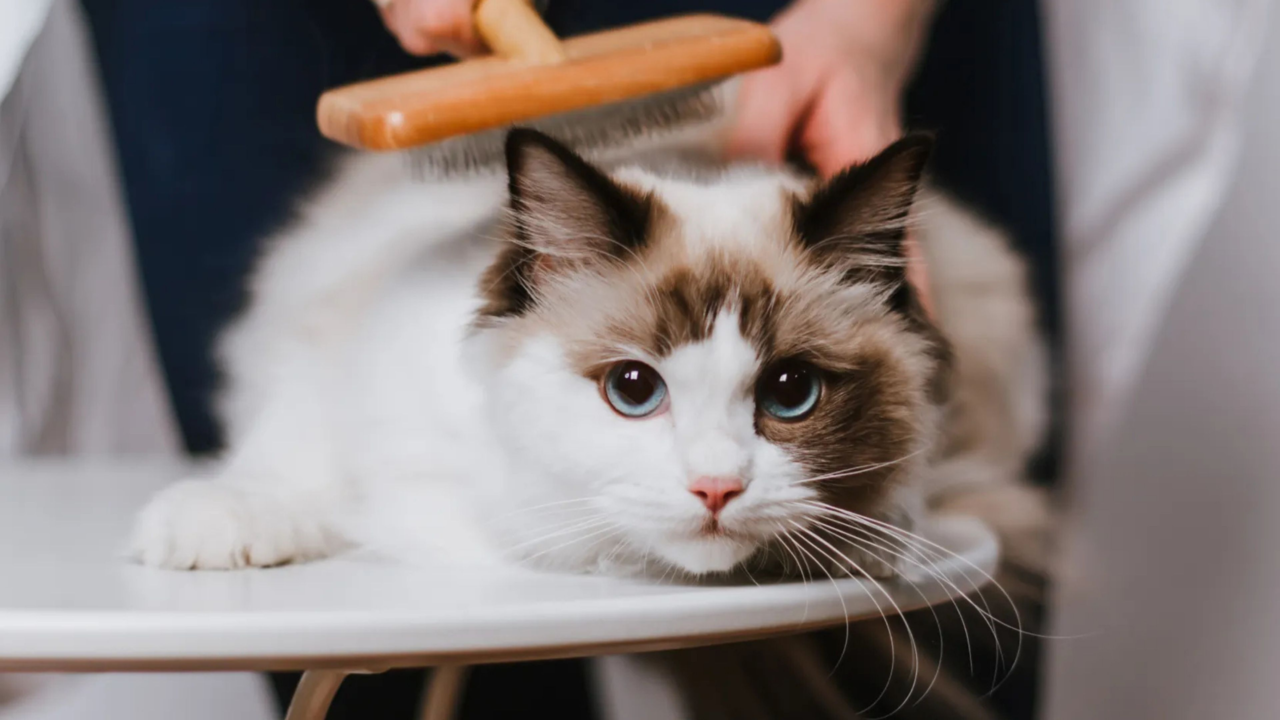
Ragdolls benefit most from brushes designed to handle long, dense fur without causing discomfort. A slicker brush works well to remove loose hair and prevent matting. It’s gentle enough to avoid skin irritation but effective at detangling knots.
Another option is a pin brush, which mimics a human hairbrush and helps smooth the coat while distributing natural oils. Many owners find that alternating between these two brushes keeps their Ragdoll’s fur shiny and soft.
Selecting The Best Comb
A fine-toothed comb is essential for checking under the fur, especially behind the ears and around the neck where mats tend to form. Combs with both wide and narrow teeth give you flexibility to tackle different fur textures.
Choose a comb with smooth, rounded tips to avoid scratching your cat’s skin. Running your fingers along the comb’s teeth before use can help you feel how gentle it will be. Would you prefer a metal or plastic comb? Metal tends to be sturdier but can be harsher if not handled carefully.
Additional Grooming Accessories
- Deshedding tools:These reduce shedding by reaching the undercoat and are especially useful during seasonal changes.
- Grooming gloves:They offer a hands-on approach and are great for cats who dislike traditional brushes.
- Scissors or clippers:Helpful for trimming fur around sensitive areas like paws and the rear, preventing dirt buildup and matting.
Having the right tools ready makes grooming a smoother experience. How often do you check your cat’s fur for mats? Investing in these grooming accessories can save you time and keep your Ragdoll comfortable and looking its best.

Credit: www.reddit.com
Brushing Techniques
Brushing your Ragdoll cat keeps its coat clean and healthy. It helps remove loose hair and prevents mats. Using the right techniques makes grooming easier and more comfortable for your pet. Learn how often to brush, handle tangles, and use gentle brushing methods to care for your Ragdoll.
Frequency Of Brushing
Brush your Ragdoll at least three times a week. This routine helps control shedding and reduces hairballs. During shedding season, increase brushing to daily sessions. Regular brushing keeps the fur smooth and soft. It also strengthens your bond with your cat.
Handling Mats And Tangles
Check for mats and tangles carefully. Use your fingers to gently loosen small knots. For bigger mats, use a wide-tooth comb to work through the fur slowly. Avoid pulling hard to prevent hurting your cat. Trim mats only if necessary, and consider professional help for tough tangles.
Gentle Brushing Methods
Choose a soft-bristle brush or a grooming glove for gentle brushing. Start brushing in the direction of hair growth. Use slow, calm strokes to avoid startling your cat. Focus on areas like behind the ears and under the legs. Praise your cat often to keep the experience positive.
Bathing Your Ragdoll
Bathing your Ragdoll cat can feel like a big task, but it’s an important part of keeping their beautiful coat clean and healthy. Unlike some cats, Ragdolls generally tolerate water better, making bath time less stressful for both of you. Understanding when and how to bathe your Ragdoll properly ensures the experience is safe and even enjoyable.
When To Bathe
You don’t need to bathe your Ragdoll too often. They are excellent self-groomers, so only bathe them if they get into something messy or have a skin condition that requires it. If your cat has oily fur, dandruff, or a noticeable odor, it’s a good signal that a bath might help.
Consider bathing your Ragdoll before special occasions or if they shed excessively during seasonal changes. Asking yourself, “Is my cat genuinely dirty, or just a bit fluffy?” can help avoid unnecessary baths that might dry out their skin.
Safe Shampoo Options
Choose shampoos specifically made for cats to protect your Ragdoll’s delicate skin. Human shampoos or dog shampoos can cause irritation or allergic reactions. Look for products labeled “hypoallergenic” or “for sensitive skin” if your cat has allergies.
Natural ingredients like oatmeal or aloe vera are soothing for dry skin. Avoid shampoos with strong fragrances or harsh chemicals. You can even find tear-free shampoos to keep your cat comfortable during the bath.
Step-by-step Bathing Process
- Prepare the area:Use a sink or a small tub with warm water—about body temperature. Have towels and shampoo ready before bringing your cat in.
- Wet your cat gently:Use a cup or a sprayer with low pressure to wet their fur slowly. Avoid getting water in their ears and eyes.
- Apply shampoo carefully:Lather a small amount and massage gently into their fur. Pay attention to the neck, underbelly, and tail areas.
- Rinse thoroughly:Residual shampoo can irritate the skin, so rinse well until the water runs clear.
- Dry your Ragdoll:Wrap them in a warm towel and gently pat dry. If your cat tolerates it, you can use a hairdryer on a low, cool setting, but keep it at a safe distance.
Have you noticed your Ragdoll’s fur feels different after a bath? That’s normal, and regular brushing afterward helps restore their silky coat. Bath time can be a bonding moment if you stay calm and patient—your cat picks up on your energy more than you think.
Credit: petdirect.co.nz
Nail Care Tips
Grooming your Ragdoll cat’s nails is essential for their health. Trim nails every two weeks to prevent overgrowth and discomfort. Use cat nail clippers for safe and easy trimming.
Nail care is essential for your Ragdoll cat’s health. Keeping their nails trimmed prevents damage to furniture and reduces the risk of painful scratches. Here are some tips to ensure your cat’s nails are well maintained.Trimming Frequency
Trim your Ragdoll’s nails every two to four weeks. Regular trimming prevents overgrowth and ensures your cat’s comfort. Check the nails often to see if they need trimming sooner.Safe Nail Clipping
Use cat-specific nail clippers for safety. Hold the paw gently, and press to extend the nail. Trim only the tip, avoiding the quick, which is the pink area. If unsure, consult a vet for guidance.Dealing With Scratches
Keep your Ragdoll’s nails dull to minimize scratches. Provide scratching posts to help maintain nail health. If scratches occur, clean them with soap and water to prevent infection.Ear And Eye Cleaning
Cleaning your Ragdoll cat’s ears and eyes is essential for its health. These areas can collect dirt and bacteria easily. Regular care prevents infections and keeps your cat comfortable. Gentle handling is important to avoid stress during cleaning.
Ear Cleaning Routine
Check your cat’s ears weekly for dirt or wax buildup. Use a soft cloth or cotton ball dampened with a vet-approved ear cleaner. Gently wipe the inside of the ear flap and the ear canal entrance. Never insert anything deep inside the ear. Stop if your cat shows discomfort and consult a vet.
Eye Care Tips
Wipe your Ragdoll’s eyes daily with a damp, soft cloth. Use warm water to remove discharge or tear stains. Always wipe from the inner corner outward. Avoid touching the eyeball directly. Keep the fur around the eyes trimmed to reduce irritation.
Signs Of Infection
- Redness or swelling around ears or eyes
- Unusual discharge that is yellow, green, or thick
- Strong odor coming from ears
- Frequent scratching or pawing at ears or eyes
- Squinting or excessive blinking
- Head shaking or tilting
Notice these signs early to seek prompt veterinary help. Timely care protects your cat’s health and comfort.

Credit: www.untilonedayragdolls.com
Dental Hygiene For Ragdolls
Dental hygiene is an essential part of grooming your Ragdoll cat. Keeping their teeth clean helps prevent bad breath, pain, and serious health issues. You might be surprised how a simple daily habit can make a big difference in your cat’s overall well-being.
Brushing Teeth Regularly
Brushing your Ragdoll’s teeth might sound tricky, but it becomes easier with patience. Use a soft-bristled toothbrush designed for cats and a pet-safe toothpaste. Never use human toothpaste as it can harm your cat.
Start by letting your cat taste the toothpaste, then gently rub their teeth and gums. Short sessions work best—just a few seconds at first. Gradually increase the time as your cat gets comfortable.
Choosing Dental Treats
Dental treats are a great addition to your cat’s oral care routine. Look for treats that specifically mention tartar control or plaque removal. They help reduce buildup and keep your cat’s breath fresher between brushings.
Be mindful of the treats’ ingredients and calorie content to avoid weight gain. You could alternate between different types to keep your Ragdoll interested. Have you noticed your cat’s favorite flavor yet?
Preventing Dental Problems
Regular check-ups with your vet are crucial to catch dental problems early. Watch for signs like drooling, difficulty eating, or pawing at the mouth. These can indicate pain or infection that needs immediate attention.
Besides brushing and treats, providing chew toys designed for dental health can help. These stimulate gums and reduce plaque naturally. How often do you inspect your cat’s mouth for warning signs?
Diet And Its Impact On Coat Health
The diet of your Ragdoll cat greatly affects its coat health. A balanced diet supports shiny, soft fur and reduces shedding. Nutrients from food help maintain the skin’s moisture and strength. Feeding your cat the right foods leads to a vibrant and healthy coat.
Nutritional Needs
Protein is vital for fur growth and repair. Choose high-quality animal-based proteins like chicken, turkey, or fish. Fats provide energy and keep the skin hydrated. Omega-3 and omega-6 fatty acids help reduce inflammation and improve fur shine. Vitamins A, E, and biotin support skin health and fur texture. A diet rich in these nutrients promotes a thick, glossy coat.
Supplements For Shiny Fur
Supplements can fill nutritional gaps and boost coat quality. Fish oil capsules add omega-3 fatty acids. Biotin supplements improve hair strength and reduce breakage. Zinc supports skin healing and reduces dryness. Always consult a vet before starting supplements. Avoid over-supplementing, which can harm your cat’s health.
Hydration Tips
Water keeps the skin moist and fur healthy. Provide fresh water daily in clean bowls. Wet cat food adds extra moisture to the diet. Monitor your cat’s water intake to prevent dehydration. Proper hydration reduces dry skin and dull fur. Hydrated cats display softer, shinier coats.
Handling Grooming Stress
Grooming your Ragdoll cat can sometimes cause stress. Cats may feel uneasy during brushing or nail trimming. Handling this stress carefully helps your cat stay calm and enjoy grooming sessions. Patience and gentle care make a big difference.
Creating A Calm Environment
Choose a quiet, comfortable place for grooming. Keep the room warm and free of loud noises. Soft lighting helps your cat feel safe. Use a non-slip surface so your cat doesn’t slide. Speak softly to soothe your pet. Short sessions work better than long ones.
Positive Reinforcement
Reward your cat with treats after grooming. Use gentle praise and petting to build trust. Offer favorite toys to create a happy association. Avoid punishment or loud corrections. Gradually increase grooming time while giving rewards. This encourages your cat to cooperate willingly.
When To Seek Professional Help
Some cats resist grooming despite your best efforts. Watch for signs of extreme fear or aggression. If grooming causes injury or stress, consult a vet or groomer. Professionals have tools and experience to handle difficult cats. Regular visits can keep your cat healthy and calm.
Frequently Asked Questions
How Often Should I Groom My Ragdoll Cat?
Groom your Ragdoll cat at least twice a week to prevent mats. Regular brushing reduces shedding and keeps their coat healthy. More frequent grooming helps during shedding seasons.
What Tools Are Best For Grooming A Ragdoll Cat?
Use a wide-toothed comb and a soft-bristle brush for grooming. These tools gently detangle hair and remove loose fur without hurting your cat’s skin.
Can Grooming Improve My Ragdoll Cat’s Health?
Yes, grooming helps detect skin issues early and reduces hairballs. It also promotes healthy blood circulation and strengthens your bond with your cat.
How Do I Handle Grooming If My Ragdoll Resists?
Stay calm and gentle during grooming sessions. Use treats and short sessions to make grooming a positive experience. Patience helps your cat adjust over time.
Conclusion
Grooming your Ragdoll cat keeps them healthy and happy. Regular brushing stops mats and reduces shedding. Clean their eyes and ears gently to avoid problems. Trim their nails carefully to prevent scratches. Make grooming a calm, fun time for your cat.
Small daily efforts lead to a strong bond. Enjoy your time together with a well-groomed pet. Simple steps make a big difference in care. Keep your Ragdoll looking soft and beautiful every day.




Leave a Reply