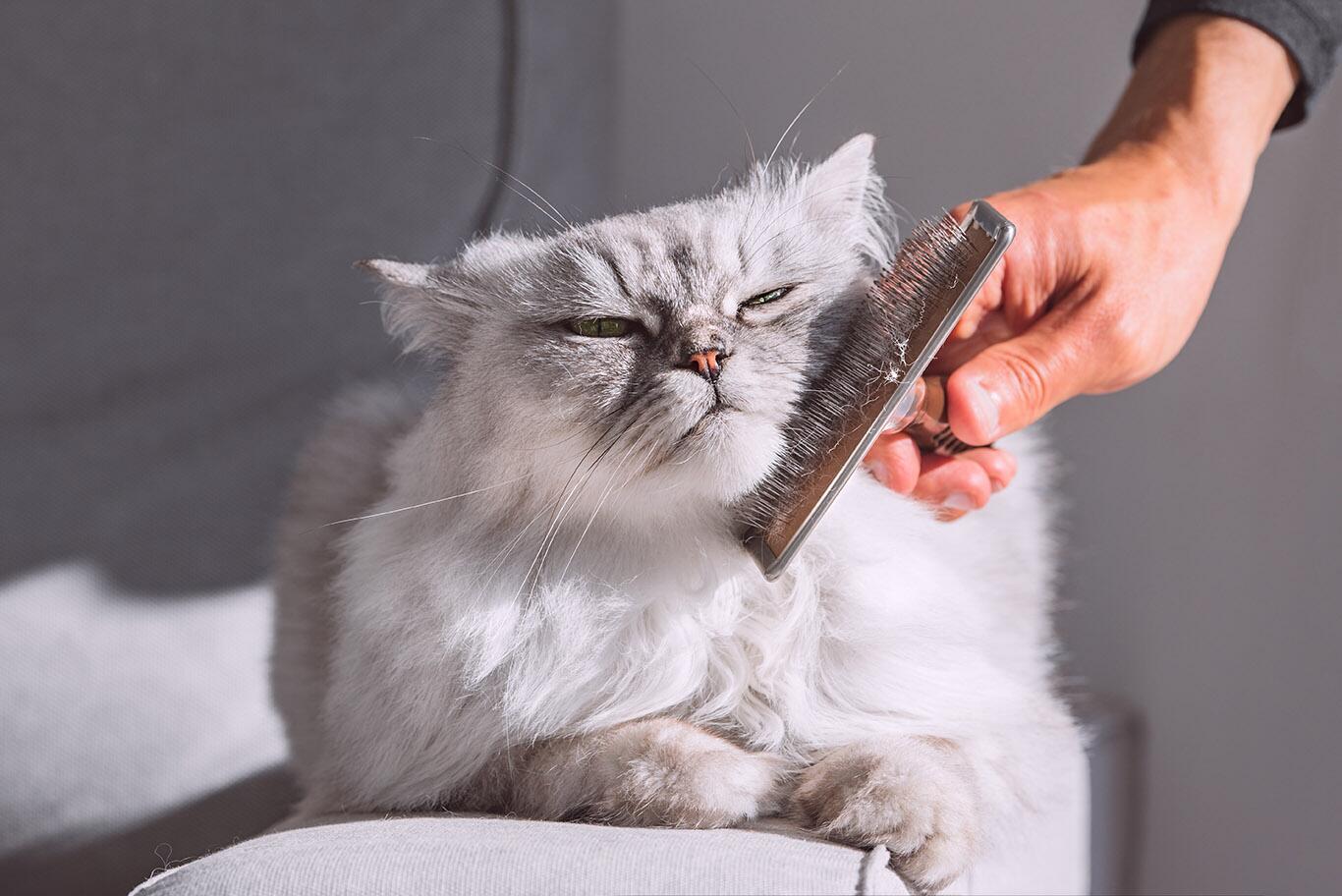
Grooming your Persian cat at home doesn’t have to be a struggle. With their long, beautiful fur, Persian cats need regular care to stay healthy and look their best.
But if you’re unsure where to start or worried about stressing your furry friend, you’re not alone. Imagine turning grooming time into a calm, bonding moment that both you and your cat look forward to. In this guide, you’ll discover simple, effective steps to keep your Persian’s coat shiny and tangle-free—without the hassle.
Ready to make grooming easy and enjoyable? Let’s dive in.

Credit: cats.com
Choosing The Right Tools
Choosing the right tools can make grooming your Persian cat easier and more enjoyable for both of you. Persian cats have long, thick fur that requires gentle and effective care to prevent mats and tangles. Using the right grooming supplies not only saves time but also helps keep your cat comfortable throughout the process.
Brush Types For Persian Cats
Not all brushes work well on Persian cats. A slicker brush with fine, short wires is great for detangling and removing loose hair without hurting your cat’s skin. You might also want a wide-tooth comb to gently work through stubborn mats and a bristle brush to smooth the coat after brushing.
Have you noticed how your cat reacts to different brushes? Some Persians prefer softer bristles, so pay attention to what keeps your cat calm and happy during grooming.
Essential Grooming Supplies
Beyond brushes, a few other tools make a big difference. Scissors with rounded tips are important for safely trimming mats or stray hairs near sensitive areas. Nail clippers designed for cats help keep claws tidy and prevent accidental scratches.
Don’t forget grooming wipes or a mild cat-safe shampoo for occasional baths. These supplies keep your cat clean and fresh, especially if they dislike water or get dirty outside.
Setting Up A Grooming Station
Create a dedicated spot for grooming to keep everything handy and your cat relaxed. Use a non-slip mat or towel on a stable surface to prevent slipping. Keep all your tools within arm’s reach to avoid leaving your cat unattended mid-groom.
Think about lighting and noise levels too. A quiet, well-lit area helps your cat feel safe, making grooming a smoother experience. How can your setup make grooming less stressful for your Persian?
Preparing Your Cat
Preparing your Persian cat for grooming is key to a smooth session. Persian cats have long, thick fur that needs gentle care. Taking time to prepare helps reduce stress for both you and your cat. Start by setting the right mood and helping your cat feel safe. This creates a positive experience and makes grooming easier.
Creating A Calm Environment
Choose a quiet room with few distractions. Soft lighting helps your cat relax. Avoid loud noises or sudden movements. Use a comfortable surface like a soft towel or mat. This keeps your cat steady and cozy. A calm place helps your cat stay still during grooming.
Getting Your Cat Comfortable
Let your cat explore the grooming area first. Pet and talk softly to soothe your cat. Use gentle strokes to build trust. Offer small treats as a reward. Handle your cat’s fur gently before starting. This helps your cat accept the grooming tools and touch.
Timing Your Grooming Sessions
Pick a time when your cat is relaxed, like after a nap. Keep sessions short, around 10 to 15 minutes. Stop if your cat shows signs of stress. Regular, brief sessions prevent your cat from getting overwhelmed. Consistency helps your cat get used to grooming over time.
Brushing Techniques
Brushing your Persian cat is more than just a grooming task; it’s a way to keep their beautiful coat healthy and shiny while bonding with your furry friend. Mastering the right brushing techniques helps prevent discomfort caused by tangles and mats. It also ensures you don’t miss those delicate spots that need extra care.
Removing Tangles And Mats
Tangles and mats can quickly form in your Persian’s thick fur, causing pain if left untreated. Start by gently teasing apart knots with your fingers before using a wide-toothed comb. If a mat resists, hold the base close to the skin to reduce pulling and carefully work through it.
Never cut mats with scissors unless you’re extremely cautious—accidental nicks can hurt your cat. Instead, try using a detangling spray designed for cats or a dematting tool made for sensitive skin. Have patience; rushing can make your cat anxious and less cooperative next time.
Brushing Frequency And Duration
Daily brushing is ideal for Persian cats to keep their luxurious coat tangle-free and minimize shedding. A 10 to 15-minute session each day is usually enough to maintain their fur without stressing your cat. Pay special attention to areas behind the ears, under the legs, and around the neck—these spots are prone to mats.
If your schedule is tight, aim for at least every other day to avoid serious tangles forming. Notice how your cat reacts; some may enjoy longer sessions, while others prefer quick grooming. Adjust your approach accordingly to keep brushing a positive experience.
Avoiding Common Brushing Mistakes
One common mistake is brushing too hard, which can irritate your cat’s sensitive skin. Use gentle strokes and let your cat set the pace. Another error is using the wrong brush; a slicker brush or a wide-toothed comb works best for Persian coats.
Avoid ignoring your cat’s body language—if they become restless or try to escape, pause and offer a break. Also, don’t skip brushing less visible areas like the belly and tail base. These often develop mats unnoticed until they cause discomfort.
Bathing Your Persian Cat
Bathing your Persian cat gently removes dirt and keeps its coat soft. Use lukewarm water and a mild shampoo designed for cats. Dry your cat carefully to avoid chills and matting.
Bathing your Persian cat can be both a bonding experience and a necessity for their health. Due to their luxurious, long coats, Persian cats require regular grooming to maintain their beauty and prevent matting. While the idea of bathing your feline friend might seem daunting, the right approach can make the process smooth and stress-free for both you and your cat.Choosing Cat-friendly Shampoos
Selecting the right shampoo is crucial. Opt for a shampoo specifically designed for cats, as human shampoos can irritate their sensitive skin. Look for products that are hypoallergenic and free from harsh chemicals. If your Persian has specific skin issues, consult your vet for recommendations on medicated shampoos.Step-by-step Bathing Process
- Start by gently brushing your cat’s fur to remove any loose hair and tangles.
- Fill a basin with warm water, ensuring it’s not too deep. Remember, cats are generally wary of water.
- Slowly wet your cat’s coat using a handheld shower or a cup, avoiding the head area.
- Apply a small amount of shampoo, lathering gently through their fur.
- Rinse thoroughly, ensuring no shampoo residue remains, which could irritate their skin.
Drying Tips To Prevent Matting
After rinsing, gently squeeze excess water from their coat. Use a soft towel to pat them dry. Avoid vigorous rubbing, as this can lead to tangles and matting. A hairdryer on a low, cool setting can help speed up the drying process, but be sure to maintain a safe distance to prevent overheating. Regularly brush their fur as it dries to keep it smooth and mat-free. Have you ever noticed how a relaxed environment can ease your cat’s anxiety during grooming? Create a calm atmosphere with soothing music or soft lighting. Your Persian cat will thank you for it!Eye And Face Care
Cleaning your Persian cat’s eyes and face daily helps prevent tear stains and infections. Gently wipe with a soft, damp cloth to keep the fur clean and healthy. Regular care ensures your cat stays comfortable and looks its best.
Eye care is crucial for Persian cats. Their flat faces can cause tear stains. Keeping their eyes and face clean ensures their comfort. It also prevents infections. Regular grooming will keep your Persian cat healthy and happy.Cleaning Tear Stains
Tear stains are common in Persian cats. Use a soft, damp cloth to clean them. Gently wipe the stains away. Do this daily to avoid buildup. You can use special cat eye wipes. They are gentle and effective.Trimming Facial Fur Safely
Persian cats have long facial fur. Trim it regularly to prevent eye irritation. Use blunt scissors to ensure safety. Hold the fur away from the eyes. Trim small sections at a time. This keeps your cat comfortable and safe.Preventing Eye Irritations
Eye irritations can be painful for cats. Keep the eye area clean. Check for redness or discharge. Use vet-recommended eye drops if needed. Ensure your cat’s environment is dust-free. Regular grooming reduces the risk of irritation.
Credit: purebredkitties.com
Nail And Paw Maintenance
Keeping your Persian cat’s nails and paws in top shape is essential for their comfort and health. Neglecting this area can lead to painful issues or unwanted scratching around your home. Taking the time to maintain their claws and check their paws regularly helps prevent problems and keeps your cat happy.
Trimming Claws Properly
Trimming your Persian’s claws doesn’t have to be stressful. Use a small, sharp nail clipper designed for cats to avoid splitting or crushing the nails.
Hold your cat gently but firmly, and trim just the sharp tip of each claw. Avoid cutting into the pink part, called the quick, since it’s sensitive and bleeds easily.
If you’re unsure, try clipping just one or two nails at a time and gradually build your cat’s tolerance. Regular trims every two to three weeks usually keep claws at a comfortable length.
Checking For Paw Health Issues
Look closely at your Persian’s paws during grooming sessions. Healthy paws should be clean, smooth, and free from cuts or swelling.
Check between the toes for dirt, debris, or signs of irritation. Redness, limping, or excessive licking can indicate infection or injury that needs attention.
Don’t forget to inspect the paw pads for cracks or dryness. Applying a pet-safe moisturizer can help if your cat’s pads seem rough or flaky.
Using Nail Caps And Alternatives
If your Persian tends to scratch furniture or skin, nail caps offer a gentle alternative to declawing. These soft plastic covers are glued onto the claws and prevent damage.
They usually last a few weeks and need replacing as your cat’s nails grow. Make sure to size the caps correctly and apply them carefully to avoid discomfort.
Other options include providing plenty of scratching posts and regularly trimming nails to reduce scratching. Which method works best depends on your cat’s personality and your household’s needs.
Managing Shedding And Hairballs
Managing shedding and hairballs is essential for Persian cat owners. Their long fur tends to shed a lot and can cause hairballs. Proper care reduces fur around the house and keeps your cat comfortable. It also helps prevent digestive issues linked to hairballs.
Diet And Hydration Tips
A healthy diet supports your cat’s skin and coat. Choose food rich in omega-3 and omega-6 fatty acids. These nutrients reduce shedding and improve fur quality. Keep fresh water available at all times to maintain hydration. Well-hydrated cats have softer, less brittle fur. Avoid sudden diet changes to prevent digestive upset.
Regular Grooming To Control Shedding
Brush your Persian cat daily using a wide-toothed comb or slicker brush. This removes loose hair before it falls off. Regular grooming reduces hairballs by removing fur your cat would swallow. Focus on areas where mats form easily, like behind ears and under legs. Bathing monthly can help but use cat-safe shampoo only. Dry fur gently to avoid tangles and skin irritation.
Hairball Prevention Techniques
Hairball remedies come in many forms, including gels and treats. These help fur pass through the digestive system safely. Encourage your cat to exercise to improve digestion. Keep litter boxes clean to reduce stress and promote regular bowel movements. Watch for signs of hairball problems, like frequent coughing or vomiting. Consult your vet if hairballs persist or worsen.
When To Seek Professional Help
Grooming your Persian cat at home can be a rewarding experience, but sometimes the situation calls for professional help. Knowing when to ask for expert assistance ensures your cat stays comfortable and healthy. It’s important to recognize the signs that indicate you may need a groomer or vet’s support.
Identifying Grooming Challenges
Persian cats have thick, long fur that can easily mat or tangle. If you notice stubborn mats that you can’t safely brush out, it’s time to get professional help. Attempting to cut mats yourself risks hurting your cat or causing skin irritation.
Also, if your cat becomes very stressed or aggressive during grooming, a groomer trained in handling nervous pets can make the process easier. Have you experienced your cat hiding whenever the brush comes out? This might be a sign to bring in a specialist.
Finding A Trusted Groomer
Look for groomers with experience in Persian cats. They understand the breed’s specific coat needs and can provide services like de-matting, nail trimming, and ear cleaning safely.
Ask fellow cat owners for recommendations or check online reviews. Visiting the groomer beforehand to see their setup and ask about their methods can give you peace of mind. Remember, your cat’s comfort and safety should be the top priority.
Health Concerns Requiring Vet Attention
Some grooming issues signal underlying health problems. If your cat has persistent skin irritation, hair loss, or shows signs of pain during grooming, consult your vet promptly.
Eye discharge, excessive scratching, or unusual lumps under the fur also warrant a professional medical evaluation. Don’t ignore these warning signs, as early intervention can prevent complications.

Credit: pursianpaws.com
Frequently Asked Questions
How Often Should I Groom My Persian Cat?
Groom your Persian cat daily to prevent mats and tangles. Regular brushing removes loose hair and reduces shedding. Consistent grooming keeps their coat healthy and shiny. It also helps monitor skin conditions early.
What Tools Are Best For Grooming Persian Cats?
Use a wide-toothed comb, slicker brush, and grooming scissors. A metal comb helps detangle mats gently. A slicker brush removes loose fur and dirt. Quality tools ensure safe and effective grooming sessions.
How Do I Prevent Matting In Persian Cat Fur?
Brush your Persian cat daily to prevent mats and tangles. Pay extra attention to areas like behind ears and under legs. Regular grooming breaks down knots before they worsen. Keeping the coat clean also reduces matting risks.
Can I Trim My Persian Cat’s Fur At Home?
Yes, you can trim your Persian cat’s fur carefully at home. Use blunt grooming scissors for safety. Focus on trimming around the paws, sanitary areas, and mats. If unsure, consult a professional groomer for guidance.
Conclusion
Grooming your Persian cat at home keeps them happy and healthy. Regular brushing stops mats and tangles from forming. Use gentle tools to avoid hurting their delicate fur. Clean their eyes and ears to prevent infections. Take your time and make grooming a calm routine.
Your cat will feel loved and cared for. Small, daily efforts make a big difference in their comfort. Enjoy the bonding moments while keeping your Persian cat looking its best. Simple steps lead to a clean, happy pet.



Leave a Reply